



Framed Impressionist Landscape
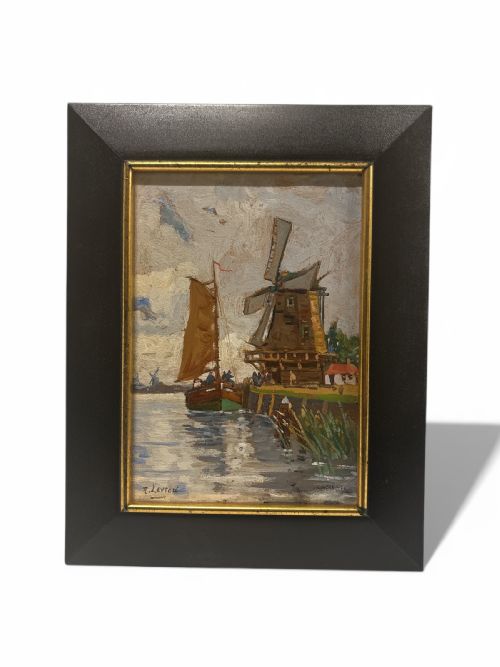
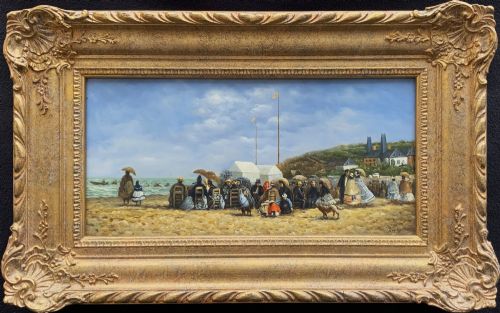
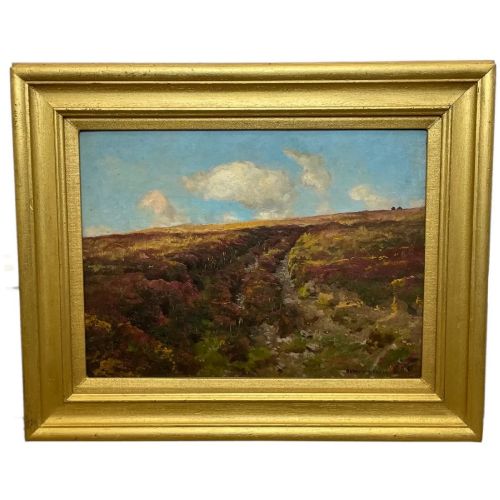
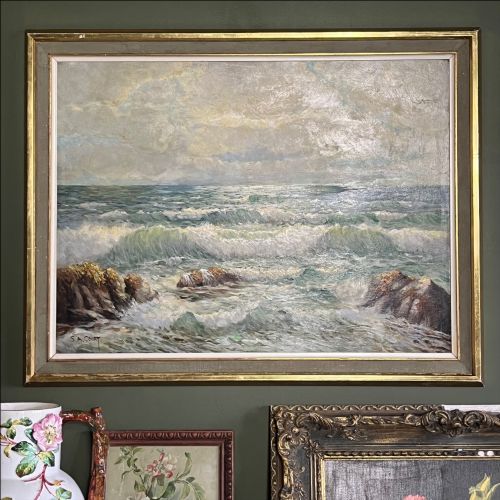
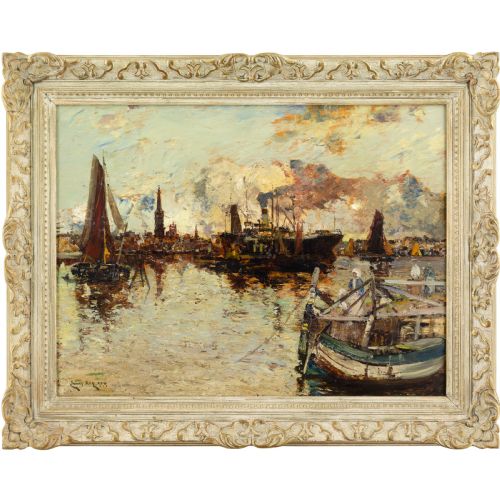
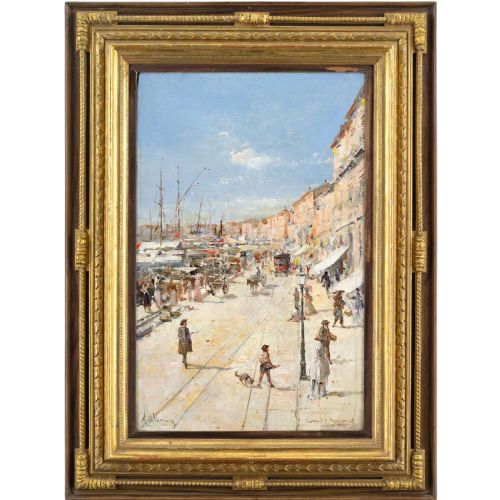
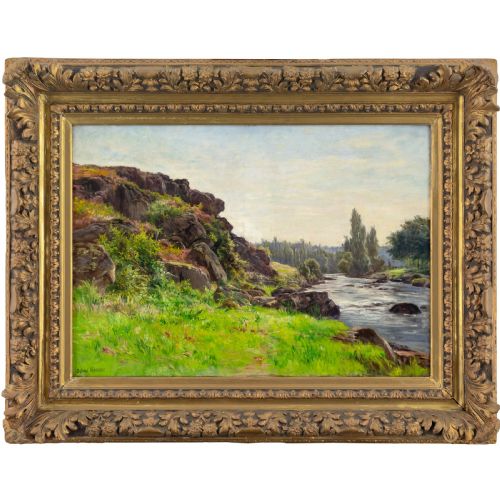
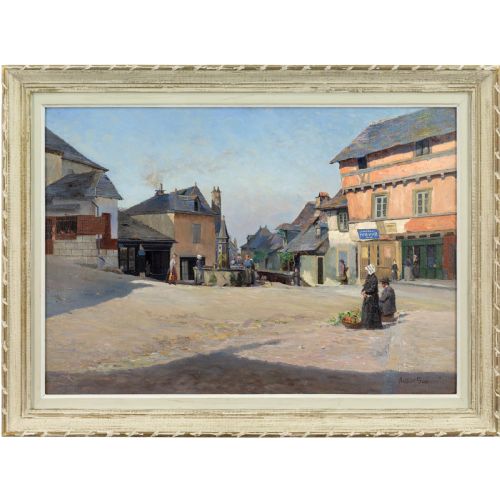
When you search for a framed impressionist landscape, you are looking at oil paintings on canvas and board housed in gilt wood and gesso frames.
Framed Impressionist Landscape
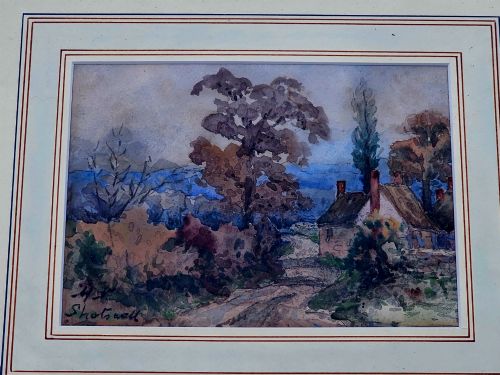
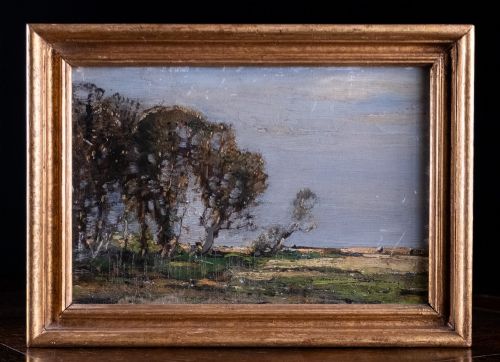
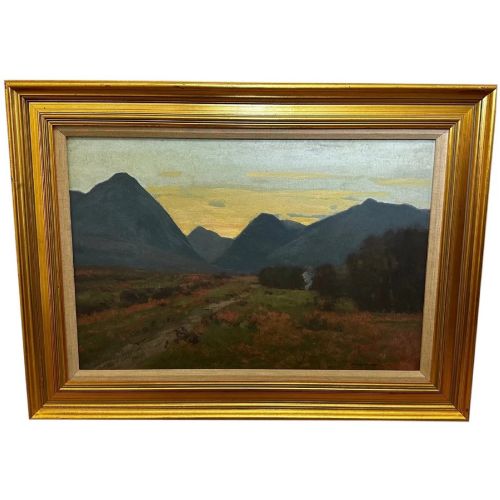
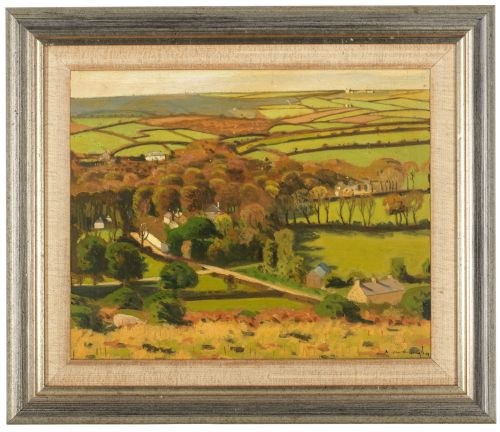
A framed impressionist landscape brings together works executed in oil paint, watercolour and oil on board, capturing outdoor scenes from the nineteenth century onward. You encounter cityscapes, coastal views, rural farmyards and marine subjects created across British and European schools.
The selections span early twentieth century pieces, Edwardian examples, and mid-century works up to contemporary production. You find rural vistas featuring willow trees, haystacks and sheep alongside harbour scenes and street views.
Many works show en plein air execution, recording changing light and weather in Cornwall, St Ives, France, Italy and Belgium. These paintings arrive ready to hang in period or complementary frames.
Materials and technique
Artists painted primarily in oil on canvas or oil on board, applying pigment with visible brushstrokes to capture immediate impressions of light and atmosphere. Watercolours on paper also appear among the earlier selections.
Frames consist of wood, often finished with gesso and gilt surfaces that provide traditional ornamentation around the picture plane. These surrounds range from simple wooden moulding to heavy vintage gilt frames suited to Paris cityscapes and coastal scenes.
Framed Impressionist Landscape Retail Price Guide 2026
Typical asking prices for framed impressionist landscape among the pieces listed under this phrase on Sellingantiques today, from the lower quarter to the upper quarter. They describe what is for sale here now, not the wider market.
The listings span periods from the nineteenth century through the 1960s and beyond, utilising canvas, wood, oil paint and gilt gesso frames.
Variations in quality
Quality rests in the handling of the medium and the confidence of the brushwork, where assured application creates depth and movement within the scene. Weaker examples display static composition and flat colour application.
The integration between the artwork and its frame affects the overall piece, with period gilt wood mouldings enhancing the presentation compared to mismatched modern replacements.
George Graham·Clifford Hanney·Arthur Wardle·Sidney A Court·Kershaw Schofield·George Houston·William Banks Fortescue·Robert Morson Hughes·James Kay·Augusto Alberici·Gabriel Mathieu·Arthur Gue·Charles Houben·Antonio DeVity·Clive Browne·Paul Bret·Lucy Pratt·Willem Bos·Henri Ottmann·Ernest Higgins Rigg·John Hodgson Lobley·Harry Kluge·Sir Alfred East·Donald McIntyre
The Framed Impressionist Landscape Glossary
- En plein air
- Painting outdoors to capture direct observations of natural light and atmosphere. This method defines much of the impressionist approach.
- Impressionism
- A style of painting emphasising visible brushstrokes, open composition and accurate depiction of light. It emerged in the nineteenth century.
- Gesso
- A plaster mix applied to wood frames as a base for gilding. It provides a smooth surface for gold leaf.
- Post-Impressionism
- An extension of impressionism that rejects its limitations while retaining vivid colours and thick paint application. It includes works from European and British artists.
Framed Impressionist Landscape: Frequently Asked Questions
What periods do these paintings cover?
The selection spans from the late nineteenth century through the Edwardian era into the mid-twentieth century and later contemporary production.
Most pieces originate from the early decades of the twentieth century, reflecting British and European movements.
Are these paintings supplied with frames?
Yes, the listings include wood, gesso and gilt wood frames appropriate to the era of the artwork.
These enclosures range from vintage gilt surrounds to simpler wooden mouldings.
Where were these landscape scenes painted?
Artists worked across various locations including coastal Cornwall, St Ives, French rural villages and Italian harbours.
Urban scenes from Paris, Messina and Rotterdam also feature among the subjects.
What painting supports were used?
Works are executed on canvas, oil on board, and paper supports for watercolours.
Oil paint serves as the primary medium across the vast majority of the selections.