


Framed Impasto Wall Art
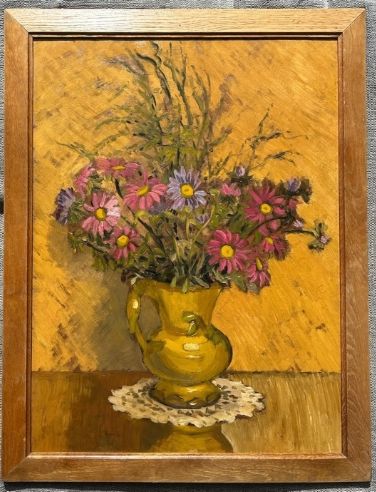
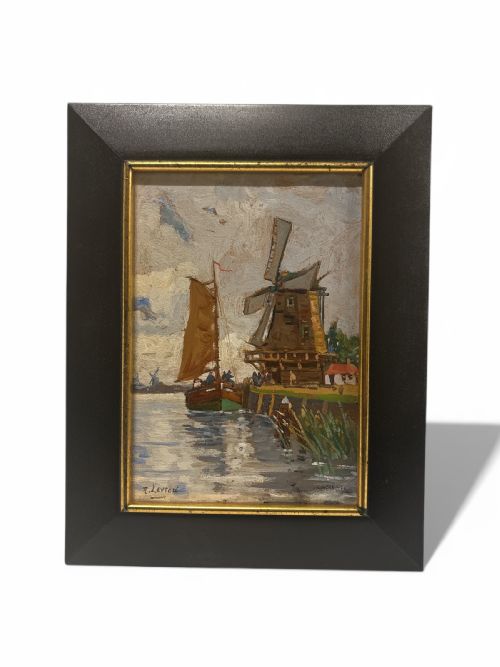
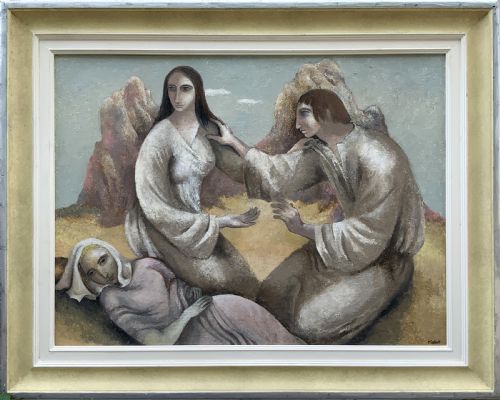
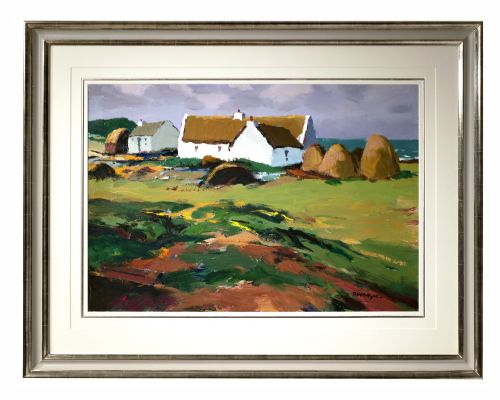
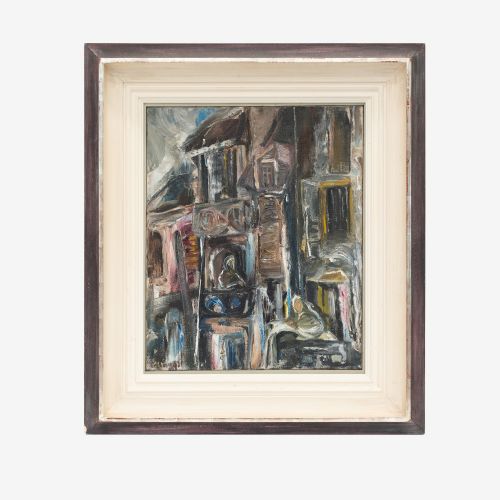
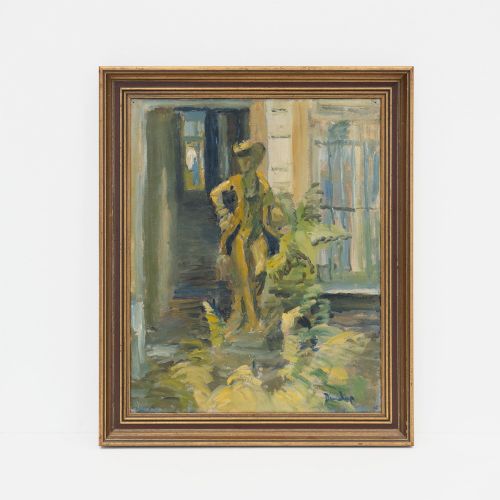
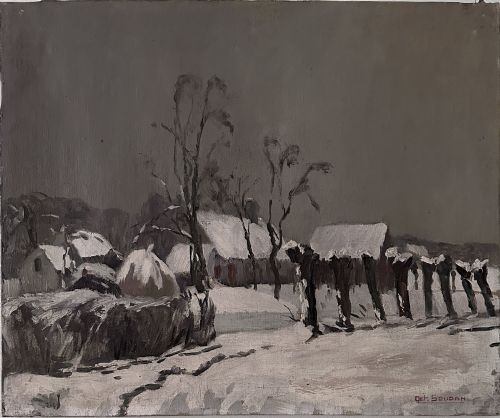
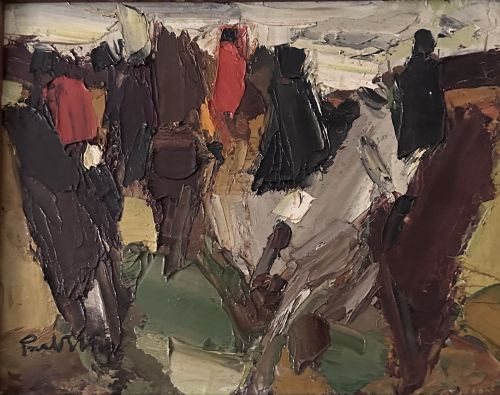
Framed impasto wall art brings heavy, tactile layers of oil paint into a room, capturing light across mid-century landscapes and portraits.
Framed Impasto Wall Art
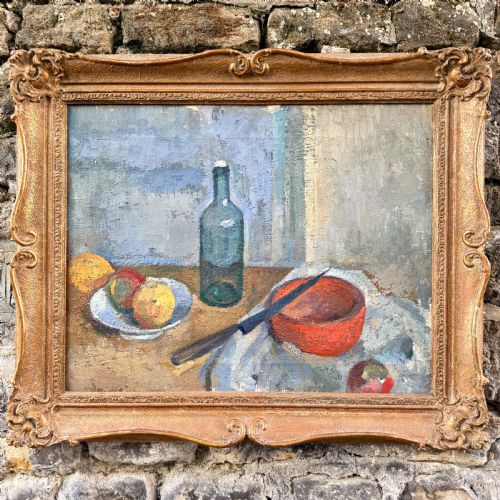
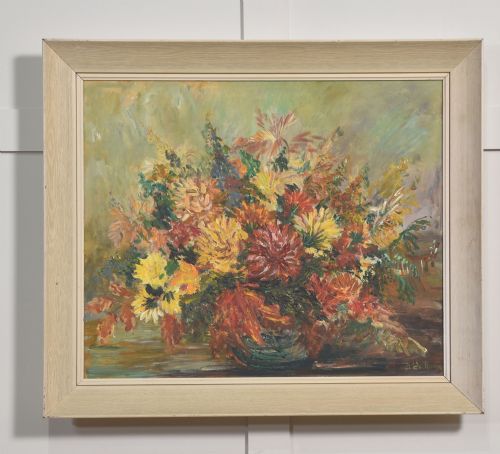
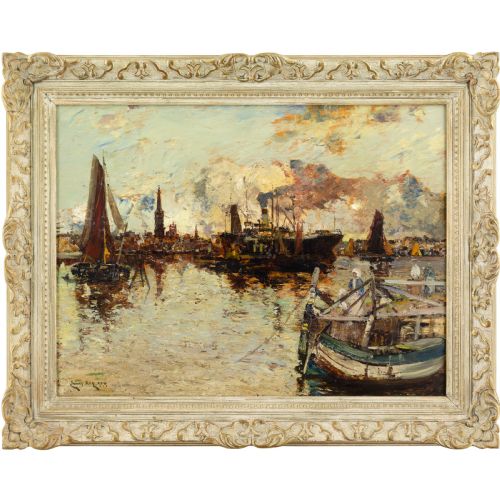
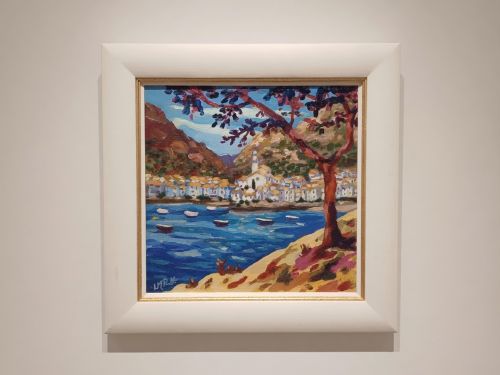
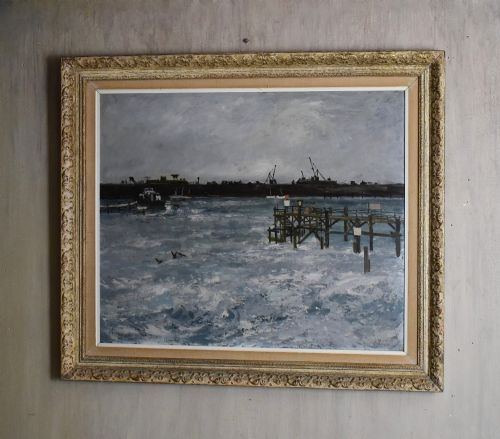
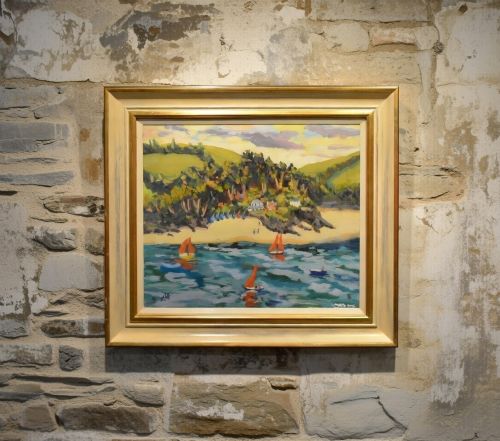
Framed impasto wall art consists of oil paintings where the pigment is applied thickly onto canvas or board, creating a surface that projects physically from the support. You will frequently encounter mid-century modern and impressionist examples dating from the early to mid-twentieth century.
The subjects span coastal views, cityscapes, floral still lifes, and figurative scenes originating from British, French, and other European studios. These works are typically housed in wooden frames that complement the dense application of oil paint.
Pieces range from intimate domestic studies to larger architectural compositions, reflecting modernist, post-impressionist, and expressionist stylistic approaches.
Materials and technique
Artists built these surfaces using oil paint applied heavily with bristle brushes or palette knives onto stretched canvas or wooden boards. This thick application, known as impasto, allows the pigment to retain the distinct physical marks of the tool.
The structural support is usually framed in wood, sometimes with gilt finishes, which helps protect the raised ridges and peaks of dried oil paint from physical damage.
Several canvases capture horses racing and sailboats leaning into the wind, proving that thick paint loves motion.
Evaluating quality and handling
Quality rests on the confidence and purpose behind the brush or knife work, where deliberate texture creates genuine depth rather than mere surface clutter. The harmony between the pigment application and the underlying composition dictates the visual success of the piece.
Condition plays a role, specifically the stability of the thick oil paint layers against cracking or flaking over time, alongside the integrity and appropriateness of the surrounding wooden frame.
Kenneth Cozens·James Kay·Peter Brannan·Christine Nesbit·Donald McIntyre·Lilian Colbourn·Ronald Ossory Dunlop·Elisabeth Bardon·Helen Layfield Bradley·Jean-Baptiste Olive·Gaetan Dumas·Gabriel Dauchot·Cecil Rochfort D'Oyly-John·Caroline Burnett·Baruch Shalom Oskotsky
The Framed Impasto Wall Art Glossary
- Impasto
- A technique where oil paint is laid onto the canvas in very thick layers, standing proud of the surface and retaining the marks of the brush or palette knife.
- Board
- A rigid flat panel, often made of wood or composite material, used as a sturdy support for painting instead of flexible woven fabric.
- Gilt
- A thin layer of gold leaf or gold-coloured pigment applied to the surface of wooden frames to add decorative metallic sheen.
- Post-Impressionism
- An art movement developing roughly from the late nineteenth century that extended impressionist practices while rejecting its limitations for more expressive forms and thick textures.
Framed Impasto Wall Art: Frequently Asked Questions
What is impasto paint?
Impasto is oil paint laid thickly onto a canvas or board so that it stands out from the plane. The technique creates physical relief, capturing light and shadow on the ridges left by brushes or knives.
This method was favoured by artists seeking to emphasise texture and gesture alongside colour and form.
How do I clean an oil painting?
Dust accumulation on textured surfaces should be removed gently with a very soft, dry brush. Avoid using water, damp cloths, or chemical cleaning agents on the painted surface.
Professional conservators should handle any deeper cleaning or removal of aged varnish to protect the delicate layers of pigment.
Are these paintings original?
The pieces recorded here are original hand-painted works executed directly by artists on canvas or board. Each item bears the unique application of paint and signature of its creator.
Reproductions or prints do not possess the physical ridges and tactile depth characteristic of genuine impasto oil paintings.