


Palette Knife Oil Painting
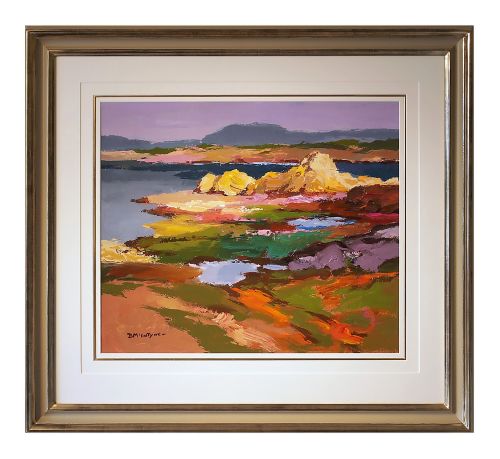
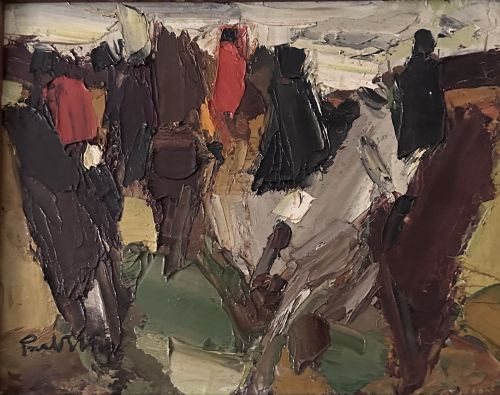
Palette knife oil painting pieces bring heavy impasto texture and bold surface work into a room through mid-century canvases and boards.
Palette Knife Oil Painting
A palette knife oil painting brings heavy, tactile pigment directly to canvas, hardboard, or wood supports, offering a rich physical presence on the wall. These works span the nineteen-forties, nineteen-fifties, and nineteen-sixties, capturing mid-century modern, impressionist, expressionist, and post-impressionist movements.
The selections on this page centre on mid-century British, Scottish, and French modernist creations, ranging from abstract cityscapes and harbour scenes to floral still lifes. Buyers encounter framed and unframed formats where the pigment itself builds the structure of the landscape or subject.
Makers and painters of this era utilised thick application techniques to shape light and form rather than relying on smooth, blended brushstrokes. This approach gives each piece an energetic immediacy that defines the mid-century aesthetic.
How they were made
Artists applied oil paint thickly onto canvas, hardboard, or wooden panels using a flexible steel blade rather than traditional bristle brushes. This method allowed them to lay down bold blocks of colour and scrape back pigment to reveal underlying tones.
Many works incorporate impasto techniques where raised ridges of paint catch the light, adding physical depth to the surface. Supports typically consist of stretched canvas or rigid board housed within original wood frames.
A solitary pigeon lamp keeps watch over red flowers in a modernist French still life.
What varies in quality
The strength of the composition and the confidence of the knife work separate more compelling examples from simpler decorative studies. Mastery over thick pigment determines whether the surface feels energetic and balanced or heavy and confused.
The relationship between the painting and its original wood frame contributes significantly to the overall integrity of the piece. Superior examples display a cohesive harmony between the carved or moulded frame and the textured canvas within.
Donald McIntyre·James Fry·Cecil Rochfort D'Oyly-John
The Palette Knife Oil Painting Glossary
- Impasto
- A technique where oil paint is laid on an area of a surface in very thick layers, usually thick enough that the brush or palette knife strokes are visible. When dry, impasto provides texture, holding the physical mark of the maker's tool.
- Hardboard
- A type of fibreboard engineered from wood fibres, pressed into dense sheets used as a sturdy painting support. Artists favoured it during the mid-century period for its rigid, stable surface.
- Post-Impressionism
- A predominantly French art movement that developed from about eighteen-eighty-six to nineteen-fourteen, extending impressionism while rejecting its limitations. Painters in this tradition relied on symbolic colours and heavy application.
- Modern British
- A broad term describing art created in Britain during the twentieth century that engaged with European modernist movements. These works often combine traditional landscape subjects with simplified forms and expressive palettes.
Palette Knife Oil Painting: Frequently Asked Questions
What is a palette knife oil painting?
It is an artwork created by applying oil paint using a flat steel blade instead of a brush. This technique produces thick, textured surfaces with visible knife strokes.
The approach results in works that emphasise surface texture and bold blocks of colour over photographic realism.
How do I care for impasto paintings?
Keep the canvas away from direct sunlight and excessive humidity to protect the oil pigment and wooden support. Dust the raised surface gently with a soft, dry brush.
Avoid using liquid cleaners or damp cloths on the thick paint ridges, as moisture can damage the aged oil layers.
How do I date these mid-century works?
Dating relies on stylistic markers, framing materials, and artist active periods recorded between the nineteen-forties and nineteen-sixties. Mid-century modernist and impressionist palettes provide reliable chronological indicators.
Support materials such as hardboard also point directly to mid-century manufacturing standards used by painters of that era.
Where should I hang these paintings?
Display them on neutral walls where adequate lighting can catch the raised impasto texture of the knife work. Pair them with rooms that benefit from mid-century or modern British aesthetic touches.
Ensure the hanging height allows viewers to appreciate the physical depth and application of the oil paint up close.