
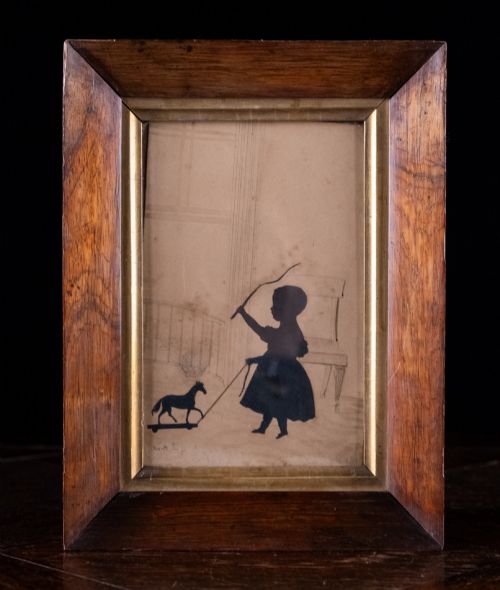
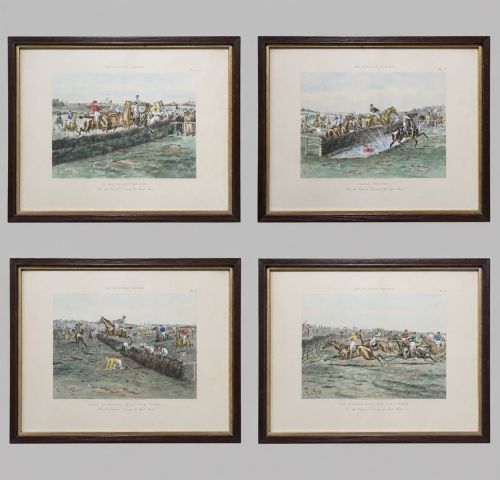
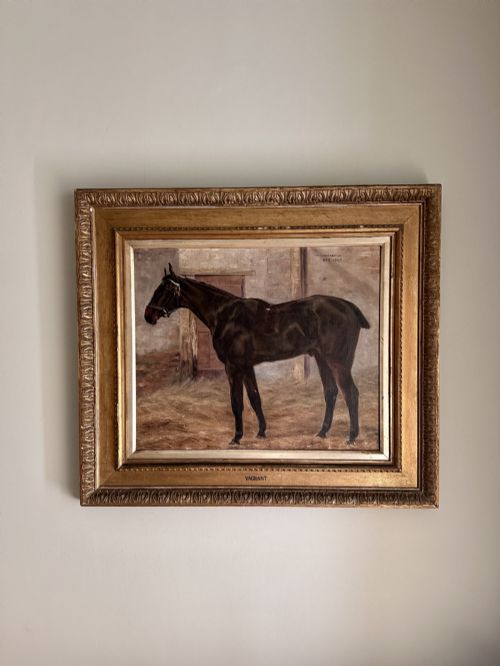
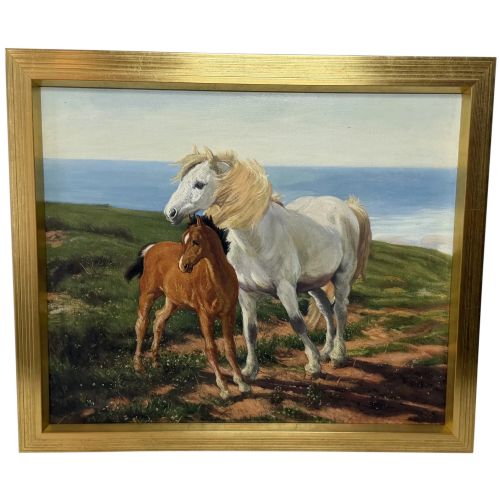

Framed Horse Wall Pictures
These framed horse wall pictures bring centuries of equine art, from detailed oil paintings to hand-coloured prints, directly into the room.
Framed Horse Wall Pictures
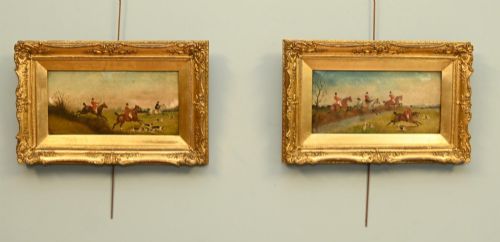
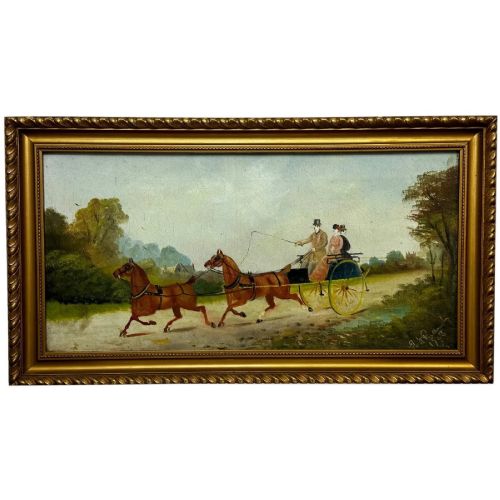
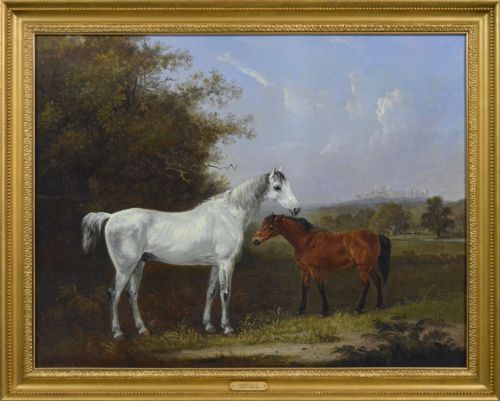
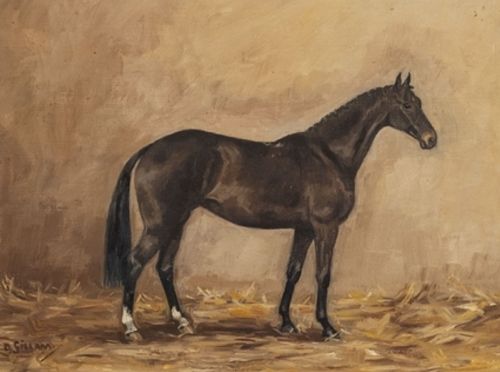
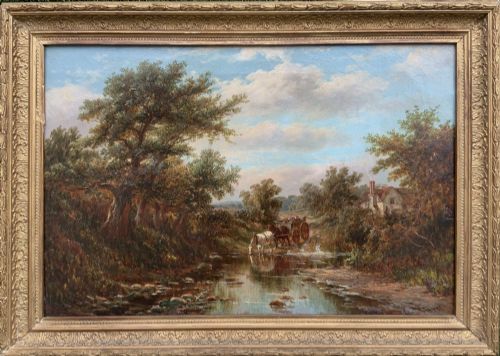
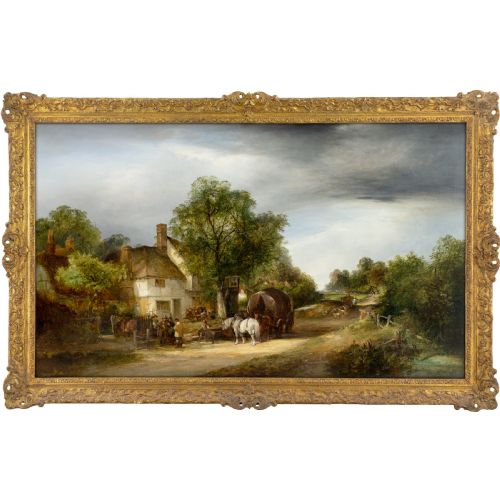
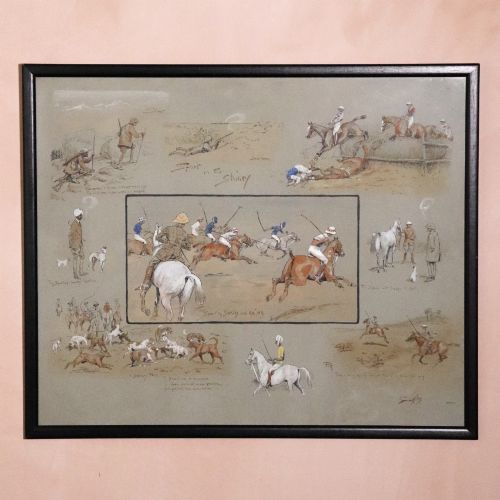
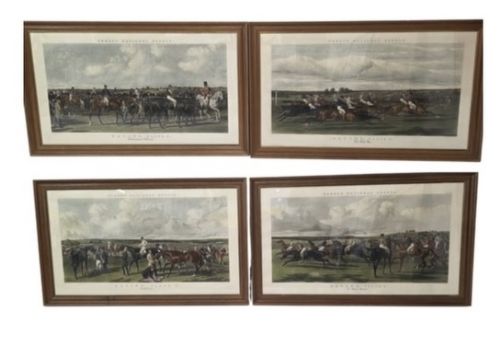
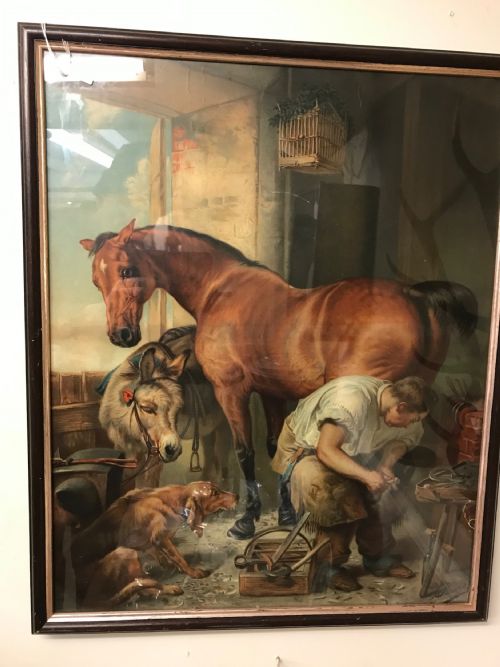
When you search for framed horse wall pictures, you encounter a wide selection of equine art spanning the nineteenth and twentieth centuries. The pieces on this page include oil paintings, pastels, watercolours, lithographs and aquatints, captured by various British and European schools.
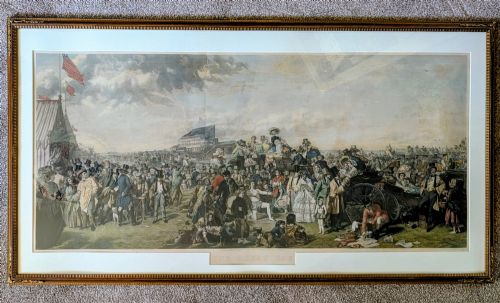
You are most likely to meet Victorian and mid-century works, often depicting hunting scenes, racing moments or individual portraits of shire horses, hunters and ponies. These artworks generally arrive in period frames made of wood, giltwood or glass-fronted mouldings.
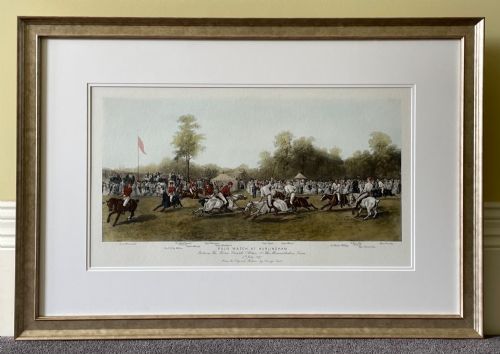
The subjects range from royal thoroughbreds to farmyard ploughing teams and polo matches, reflecting how deeply horses were woven into daily life and sport. Each piece preserves a specific aesthetic, whether through a detailed nineteenth-century canvas or a brisk mid-century chalk drawing.
Materials and techniques
The works rely heavily on traditional mediums such as oil on canvas, pastel on paper, gouache, watercolour and ink. Artists applied these pigments to stretched canvas, wooden pine panels or heavy paper sheets.
Framing materials play an essential role in the presentation, with wood, gilt and reverse glass eglomise techniques frequently enclosing the imagery. Many pieces utilise protective glass coverings to safeguard delicate watercolours, pastels and paper prints against atmospheric damage.
One young foal manages to steal fruit from a basket, proving that equine mischief predates modern photography.
Assessing quality
Quality rests upon the artist's ability to render the correct anatomical proportions and musculature of the horse. The finest works capture movement and character with confident brushstrokes or precise pencil lines, avoiding stiff or disproportionate rendering.
The integrity of the materials also dictates the standard of the piece, from the stable tension of the original canvas to the preservation of the paper beneath the glass. Original period frames that complement the age and style of the artwork add a higher degree of authenticity.
William Powell Frith·George Finch Mason·Fred Fitzpatrick·Edwin Henry Landseer·John Frederick Herring Snr·John Ferneley Senior·John Rattenbury Skeaping·Cecil Charles Windsor Aldin·Charles Walter Simpson·Basil Nightingale·William Williams·Abraham Cooper·Edward Lloyd of Ellesmere·Michael Lyne·Helena Maguire·Charles Faulkner
The Framed Horse Wall Pictures Glossary
- Aquatint
- An intaglio printmaking technique that produces areas of tone resembling watercolour washes. It was frequently used for reproducing sporting art and horse racing scenes in the nineteenth century.
- Eglomise
- A process of applying gold or silver leaf to the reverse side of glass combined with painting. This technique creates a reflective, decorative border around historical prints and portraits.
- Lithograph
- A planographic printing method using a stone or metal plate. It allowed for mass production of popular equine images and hunting prints during the Victorian era.
- Pastel
- A dry medium consisting of powdered pigment and a binder, pressed into stick form. Artists used it on paper to capture the soft coats and dynamic movement of horses.
- Provenance
- The documented history of ownership of an artwork. It establishes the authenticity and past collection homes of significant equine portraits.
Framed Horse Wall Pictures: Frequently Asked Questions
How do I identify the age of a horse painting?
Examine the materials used for the backing, canvas stretchers, and the style of the framing. Pigment types and paper watermarks also offer reliable clues to the era of production.
Compare the artistic style and subject matter with known periods, such as Victorian sporting art or mid-century modern works. Signatures, dates, and recorded provenance further help pin down the decade.
What is the difference between an oil painting and a print?
An oil painting consists of physical layers of pigmented paint applied directly to a canvas or wooden panel by hand. You can often see brush texture and raised paint surfaces under close inspection.
A print is a mechanical or hand-pulled reproduction of an original image onto paper using techniques like lithography or aquatint. Prints lie flat beneath the paper surface and lack the physical depth of dried oil paint.
How should I care for antique works on paper?
Keep framed paper pieces away from direct sunlight and damp environments to prevent fading and foxing spots. Stable indoor temperatures protect the fragile paper fibres and watercolours from degradation.
Ensure the glass is intact and check that the backing boards allow the paper to breathe without trapping moisture. Professional framing using acid-free mounts safeguards the longevity of pastels and prints.
Where were equestrian pictures traditionally displayed?
Equestrian art traditionally hung in country houses, estate libraries, and sporting lodges to celebrate prized racing horses and hunting achievements. Owners displayed portraits of specific hunters or racehorses to document family lineage and estate history.
Later, smaller prints and framed drawings moved into suburban homes as popular interior decorations during the Victorian and Edwardian periods. They reflected a widespread cultural enthusiasm for field sports and animal companionship.