

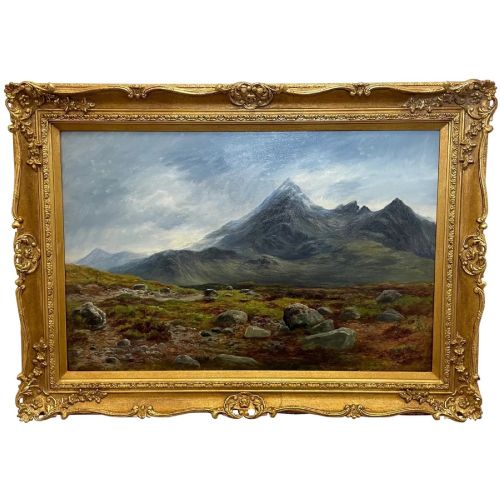


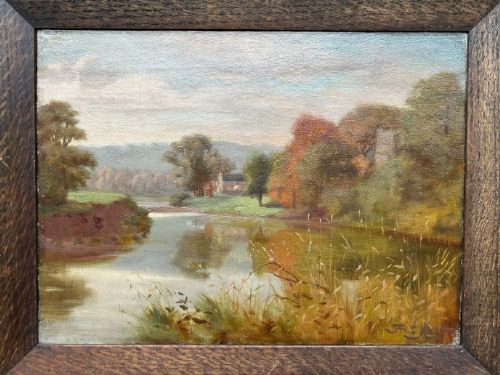

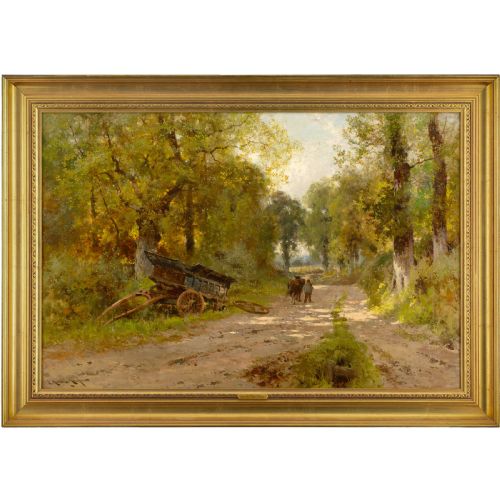
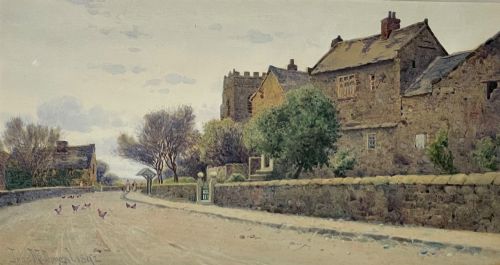
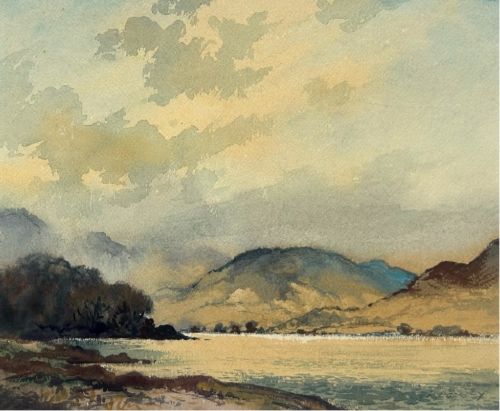
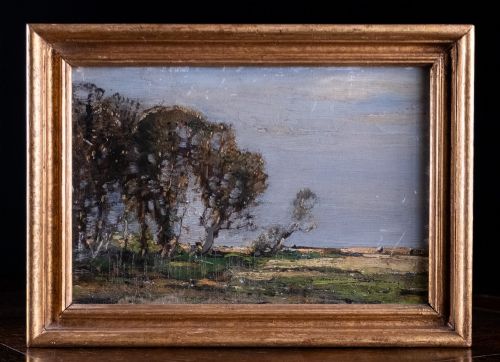
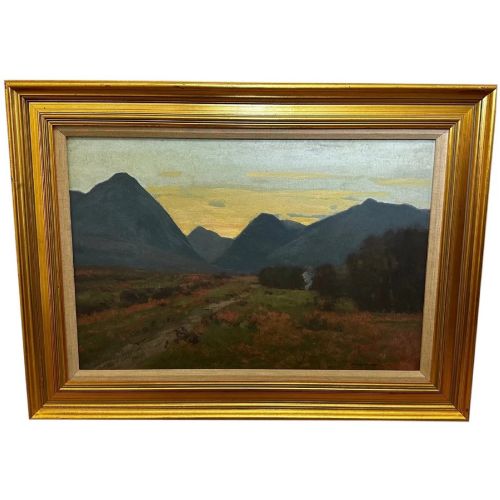
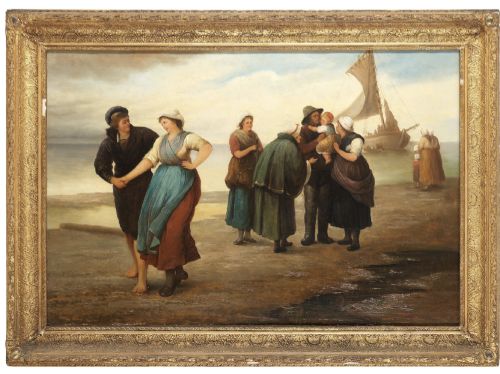
Framed Fine Art Landscape
These framed fine art landscape pieces bring expressive brushwork and quiet rural scenes straight into the home.
What framed fine art landscape works represent
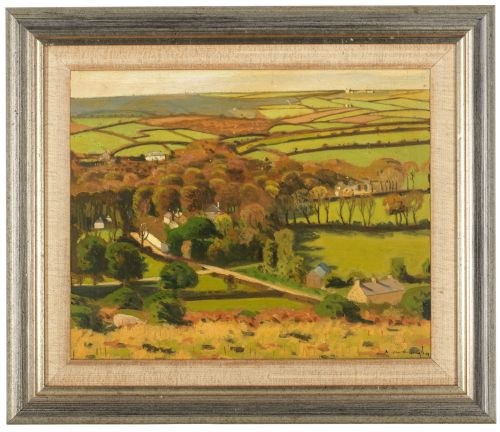
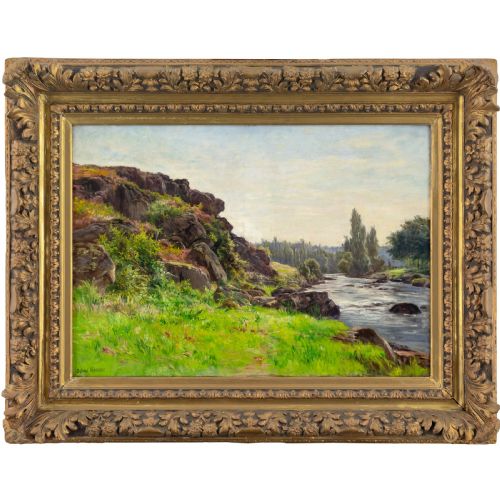
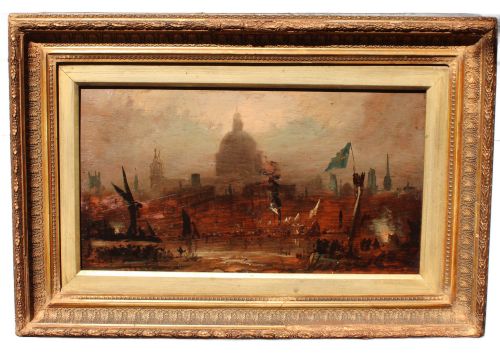
A framed fine art landscape captures rural views, coastal scenes, and pastoral moments through traditional painting techniques. These works span the nineteenth century, nineteen-ten, nineteen-twenty, nineteen-thirty, and nineteen-fifty periods.
The compositions include British Impressionism, Post-Impressionism, Modern British, Mid-Century Impressionism, and the American School. Subjects range from Cornish countryside views to Massachusetts scenes and country figures.
Buyers encounter oil paintings on canvas and board housed within wooden and gilt wood frames. Canvas slips frequently border the works to separate the painted surface from the surrounding moulding.
Materials and construction methods
Artists apply oil paint directly onto woven canvas or rigid board substrates to build up rich textures and tonal depth. The resulting surfaces retain visible brushstrokes that record the artist's hand during creation.
Encasing structures utilise shaped wood, often finished with gilt or paint, designed to protect the fragile edges of the canvas. Internal canvas slips provide a secondary border that frames the primary image.
Retail Price Guide 2026
Typical UK retail prices for framed fine art landscape, calculated from the Sellingantiques database of over a million retail prices indexed since 2003. This retail price guide relies exclusively on Sellingantiques data; no external sources or auction records are used, so the figures do not describe the wider market.
Framing materials include plain wood alongside traditional gilt wood frames and internal canvas slips.
Distinguishing quality across examples
The strength of the composition and the confidence of the brushwork separate compelling works from simpler decorative pieces. Masterful handling of light and atmospheric perspective creates a sense of space that lesser paintings lack.
The integrity and period character of the frame contribute significantly to the overall presence of the artwork. Original wooden and gilt mouldings that complement the palette of the painting elevate the piece.
Robert Morson Hughes·Robert Deborne·Ernest Higgins Rigg·Phyllis Morgans·George J Tribe
The Framed Fine Art Landscape Glossary
- Oil on board
- A painting executed on a stiff wooden or composite panel rather than stretched fabric. This support provides a completely rigid surface for the application of paint.
- Canvas slip
- A narrow wooden frame liner, often fabric-covered, placed between the oil painting and the outer frame. It creates a visual buffer that enhances depth.
- Post-Impressionism
- An art movement extending beyond Impressionism that focuses on symbolic content and heavier brushwork. It appears in several early twentieth-century works.
- Gilt wood frame
- A wooden moulding coated with gold leaf or metallic paint. These surrounds provide traditional decorative borders for nineteenth and twentieth-century paintings.
Frequently Asked Questions
How do I hang a heavy framed painting?
Secure picture hooks directly into wall studs or use appropriate masonry fixings depending on your wall type. Ensure the hanging wire and fixings match the combined weight of the canvas and wooden frame.
Hang the centre of the painting at eye level for optimal viewing comfort within the room.
What lighting suits oil landscapes best?
Position paintings away from direct, harsh sunlight to prevent the oil pigments and wooden frames from fading over time. Soft, warm directional picture lights mounted above the frame highlight the texture of the brushwork.
Ambient room lighting often suffices if placed to avoid distracting surface glares on the varnish.
How should I clean a vintage frame?
Dust wooden and gilt frames gently using a soft, dry brush or a clean microfiber cloth. Avoid commercial liquid cleaners or moisture, which can damage aged gilt surfaces and exposed wood.
Consult a professional conservator if the frame shows structural weakness or flaking decoration.