


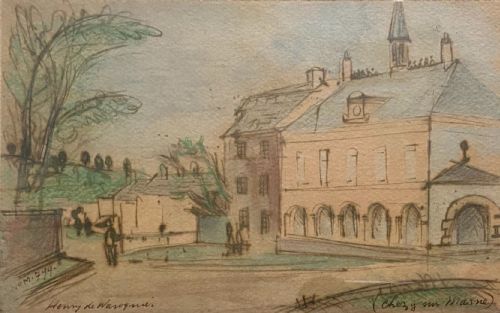


Impressionist Landscape Watercolour
When you search for an impressionist landscape watercolour, you are looking at works on paper that capture light and atmosphere through fluid pigment.
Impressionist Landscape Watercolour
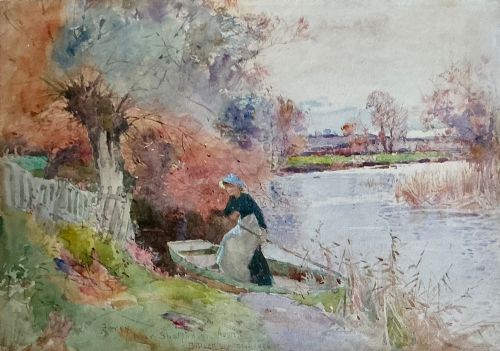
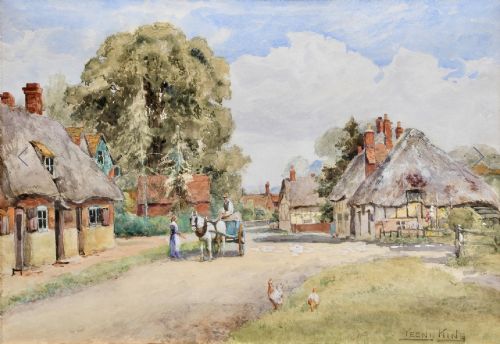
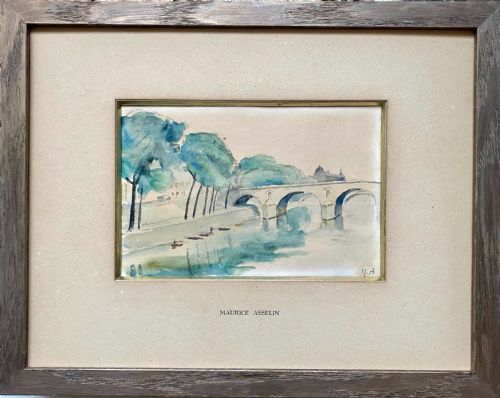
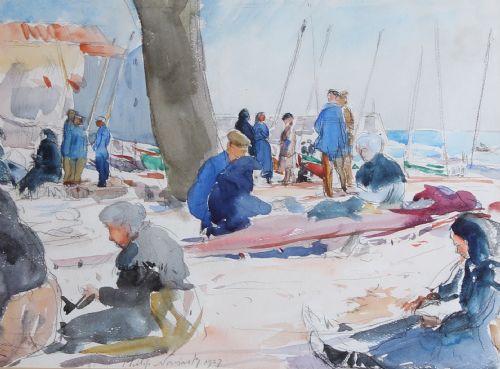
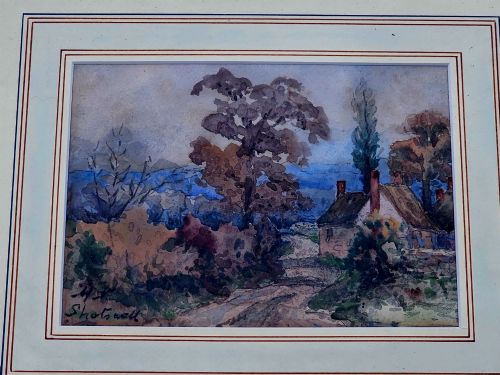
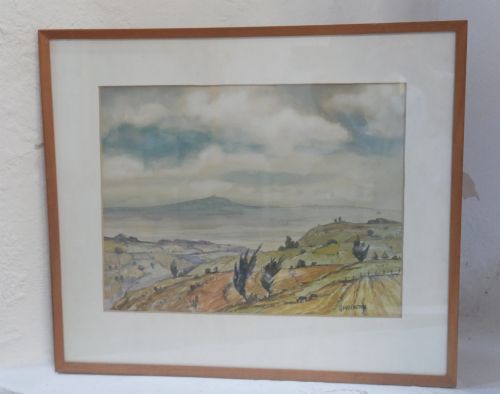
An impressionist landscape watercolour brings together loose brushwork and atmospheric washes on paper to record transient effects of weather and light. These works bridge traditional topographical views and modern painterly freedom, focusing on coasts, rivers, harbours, and rural fields.
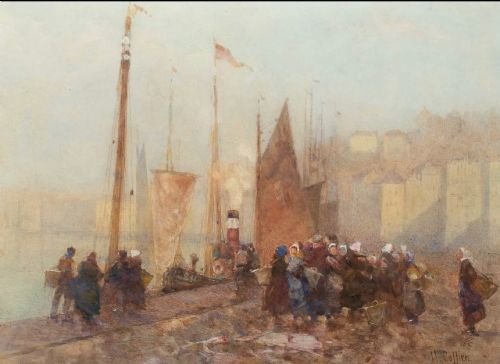
The examples gathered here span from the late nineteenth century through to the mid twentieth century, featuring British and French scenes alike. You will encounter quiet Yorkshire valleys, bustling Cornish fishing ports, sunlit Venetian canals, and pastoral farmyards.
Framed behind glass in wood and gilt surrounds, these watercolours range from intimate cabinet sketches to larger exhibition pieces. They document a period when artists moved outdoors to observe nature directly.
Materials and Techniques
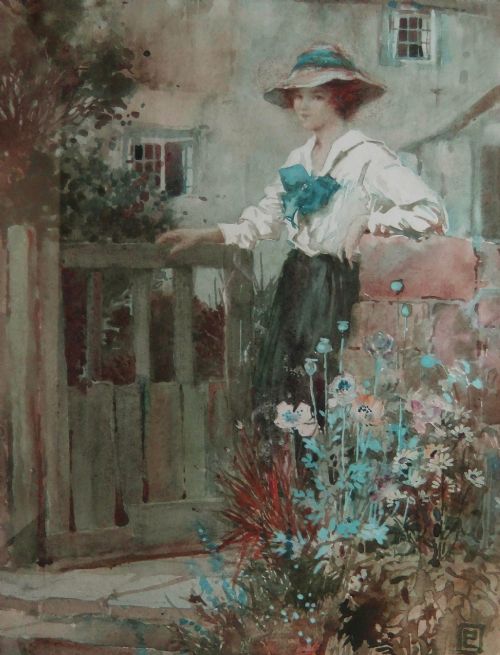
Artists relied primarily on watercolour pigment applied to paper, occasionally augmented with gouache for opaque highlights on clouds, foam, or distant walls. The absorbent surface required swift, confident applications of wash before the water dried.
Mixed media elements such as ink appear in select pieces to define structural outlines beneath translucent colour. Supports of paper were typically mounted within wooden frames under glass to protect the delicate medium from moisture and fading.
Impressionist Landscape Watercolour Retail Price Guide 2026
Typical asking prices for impressionist landscape watercolour among the pieces listed under this phrase on Sellingantiques today, from the lower quarter to the upper quarter. They describe what is for sale here now, not the wider market.
Several watercolours preserve stubborn British mud, capturing horses, carts, and winter fuel gatherers knee-deep in rural puddles.
Assessing Quality
Quality rests on the sureness of the handling and the artist's ability to suggest form with minimal pigment rather than laboured detail. Strong compositions capture the specific humidity and light of a location, whether a breezy Norfolk coast or a shaded woodland path.
The preservation of the paper and the vibrancy of the original watercolour pigment determine visual impact over time. Works that retain crisp brushwork and clean margins without heavy fading or acidification represent the upper tier of the range.
William Banks Fortescue·Hector Caffieri·Percy Lancaster·Edgar Woollatt·Gaston Cornil·William Lee Hankey·Fred Lawson·Arthur Reginald Smith·Edward Seago·George Graham·Arthur Tucker·Charles James Lauder·Ernest Pile Bucknall·Rowland Henry Hill·John Atkinson·Florence Hess·Owen Bowen·Jules Evarist van Biesbroeck·Henri Joseph Harpignies·Lilian Stannard·Frederick William Hattersley·Sidney James Beer·Nora Cundell·Sir Herbert Hughes-Stanton·Clara Montalba
The Impressionist Landscape Watercolour Glossary
- Watercolour pigment
- Finely ground colour particles suspended in a water-soluble binder. This medium allows for luminous washes that let the reflective quality of the paper shine through.
- Gouache
- An opaque water-based paint containing pigment and a binding agent, often added to watercolours for highlights. It provides solid patches of light against translucent washes.
- Works on paper
- A collective classification encompassing drawings, watercolours, and mixed media prints. These pieces require careful framing behind glass to prevent environmental damage.
- Gilt wood
- Timber framing coated with a thin layer of gold leaf or metallic paint. Such surrounds provide a traditional border that enhances the warmth of landscape watercolours.
- British Impressionism
- A painting movement adopting continental plein-air techniques while retaining domestic subject matter. Artists focused on local light, weather, and coastal scenes.
Impressionist Landscape Watercolour: Frequently Asked Questions
What subjects do these watercolours show?
These watercolours primarily depict rural fields, coastal harbours, and townscapes across Britain and France. Scenes range from snowy Yorkshire dales to sunlit Venetian canals.
Artists recorded specific local conditions, including hay cutting, low tides, and wood gathering. Figures often appear integrated into the landscape rather than as formal portraits.
How should I hang a watercolour?
Hang watercolours away from direct sunlight to prevent the pigments from fading over time. Direct exposure to strong natural light damages delicate paper and washes.
Keep them in rooms with stable humidity levels, protected behind glass. Avoid placing them above active fireplaces or on damp exterior walls.
Are these watercolours original works?
Yes, these are original hand-painted works created directly by the artists on paper. Each piece represents a unique application of pigment.
Signatures, dates, and inscriptions often appear on the front or reverse of the paper. They are distinct from printed reproductions.
How do I identify the period of a piece?
Period identification relies on stylistic cues, artist biographical dates, and framing materials. Edwardian and early twentieth-century works often feature loose impressionistic brushwork.
Signatures matched with known exhibition dates help narrow the creation window. Costume and architecture depicted within the scene also offer chronological clues.