
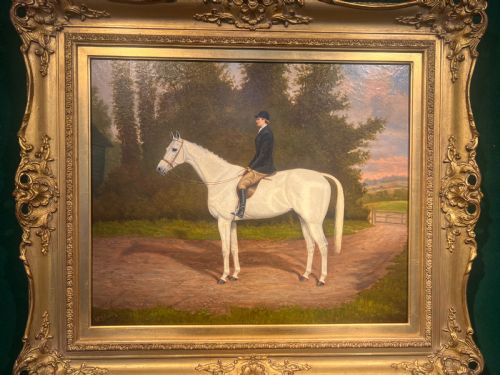
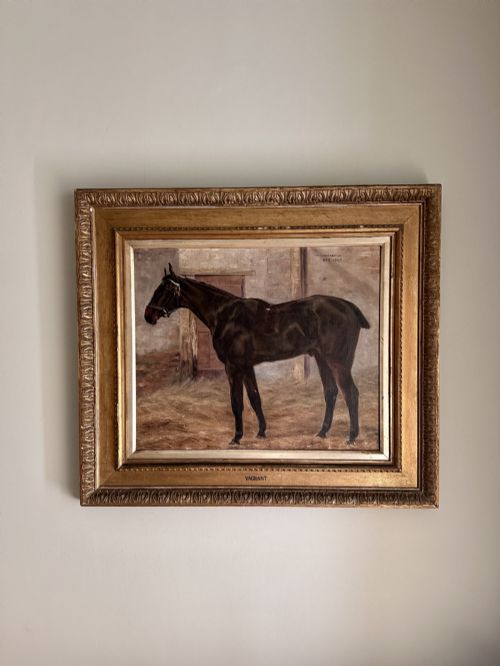
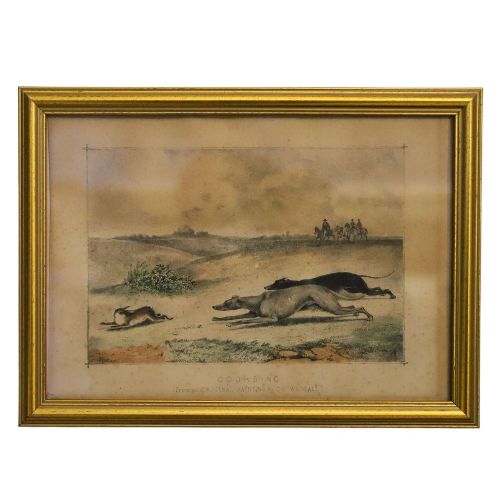
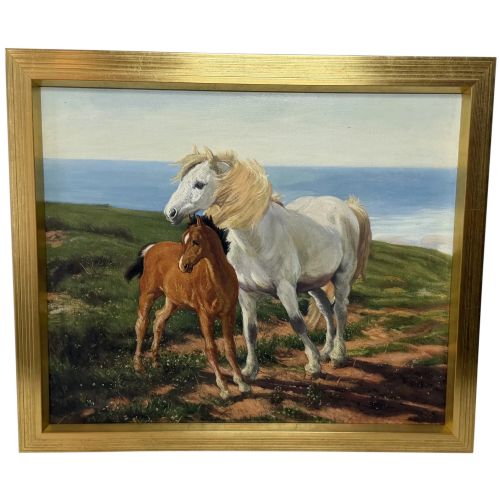

Framed Equestrian Picture
A framed equestrian picture captures the enduring bond between horse and rider, offering walls a sense of motion, pedigree and history.
Framed Equestrian Picture
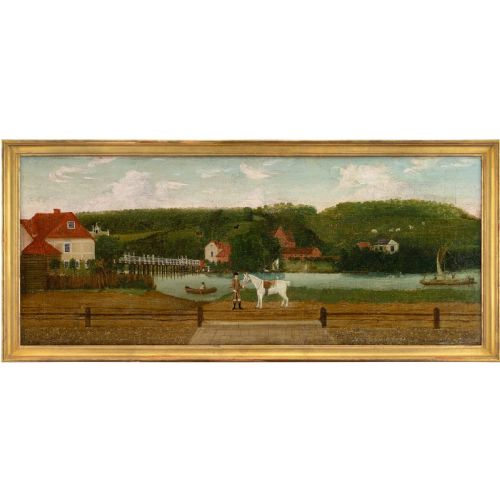
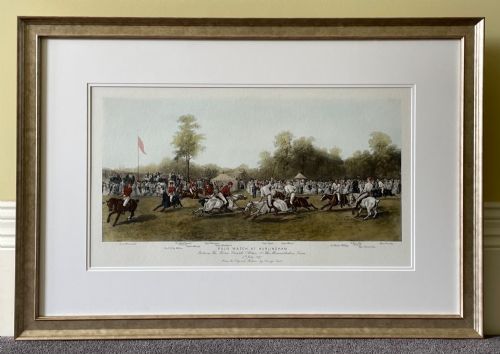
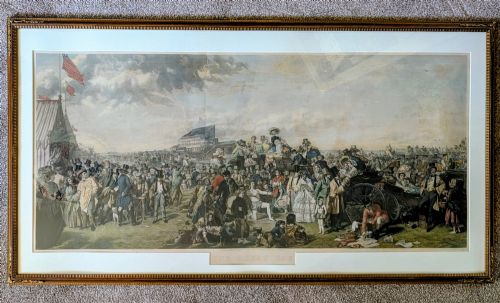
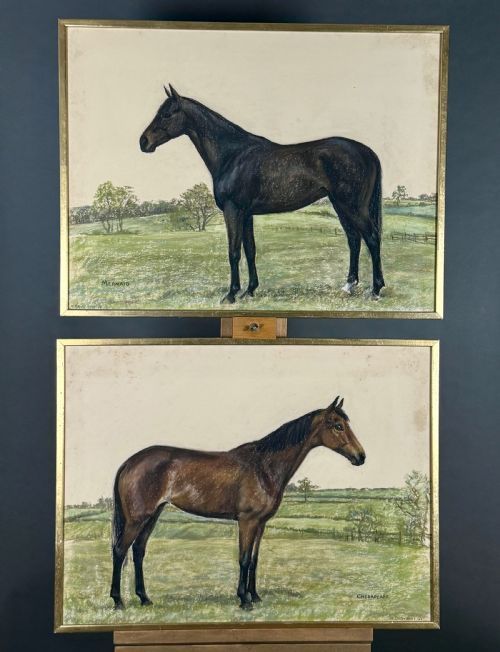
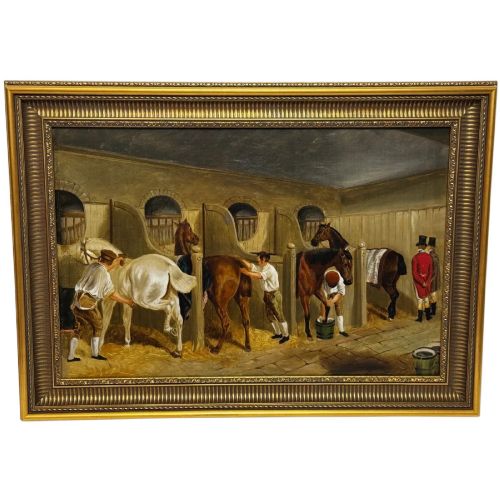
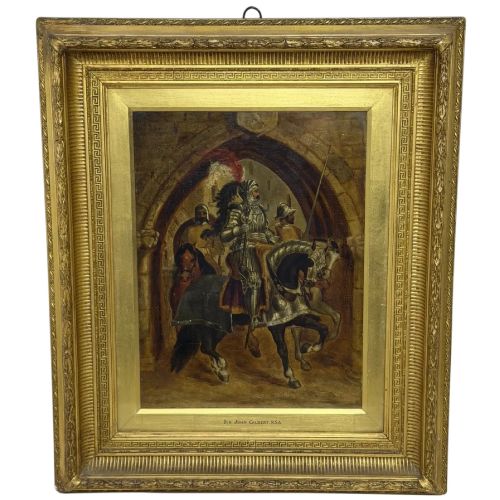
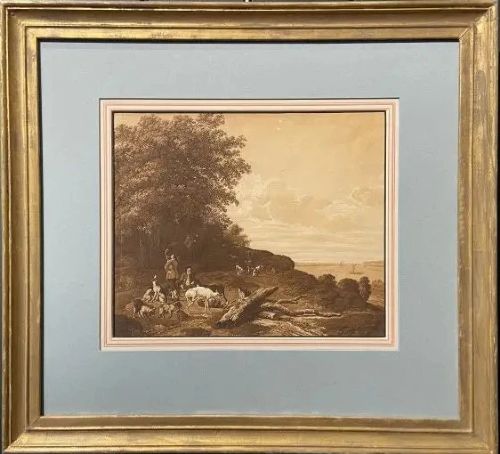
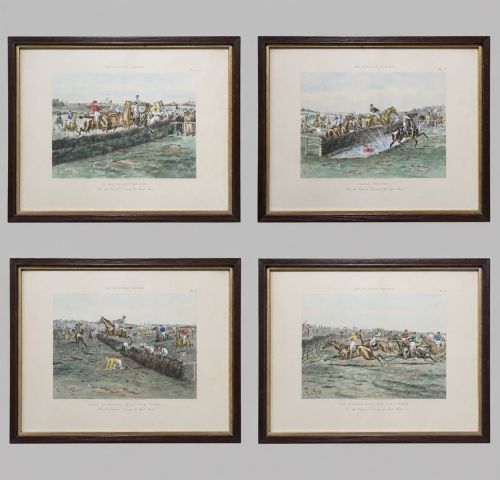
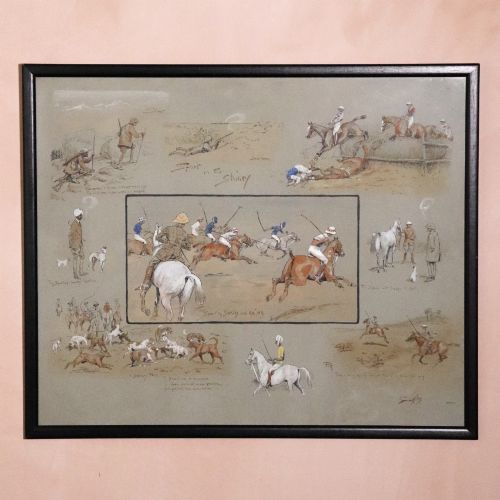
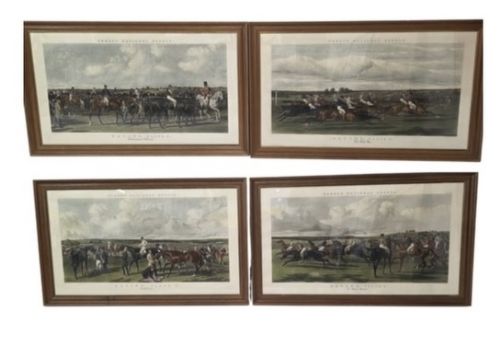
A framed equestrian picture brings together centuries of sporting art, ranging from intimate pastel studies to grand oil paintings and detailed lithographs.
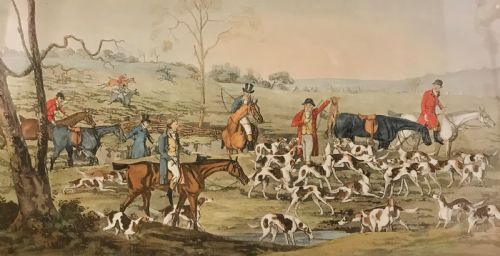
The pieces encountered most frequently on this page span the Victorian era and the nineteenth century, alongside mid-century works depicting racing, hunting and farmyard scenes.
Subjects encompass specific thoroughbred racehorses, polo matches, coaching scenes and pastoral landscapes featuring horses at rest.
Materials and Techniques
Works on paper utilise watercolour, pastel, chalk, gouache and charcoal, often secured behind glass within traditional wooden or giltwood frames.
Painted pieces employ oil on canvas, pine panel or silk, recording the musculature and coats of animals through layered brushwork and pigment.
Framed Equestrian Picture Retail Price Guide 2026
Typical asking prices for framed equestrian picture among the pieces listed under this phrase on Sellingantiques today, from the lower quarter to the upper quarter. They describe what is for sale here now, not the wider market.
Listings feature paper, canvas, wood and glass materials across periods ranging from the eighteenth century to the mid-twentieth century.
Judging Quality
Anatomy and movement separate accomplished equine art from stiff illustration, as masters capture the exact weight and tension of a galloping horse.
The integration of the subject within its landscape or estate setting determines depth, while the originality and condition of the period framing add historical weight.
William Powell Frith·Johannes Lingelbach·George Finch Mason·Fred Fitzpatrick·C. H. Weigall·Edwin Henry Landseer·John Frederick Herring Snr·Herman S Melville·John Ferneley Senior·Alfred Munnings·John Rattenbury Skeaping·Cecil Charles Windsor Aldin·Charles Walter Simpson·John Arthur Lomax·John Frederick Herring Jnr·Basil Nightingale·Abraham Cooper
The Framed Equestrian Picture Glossary
- Lithograph
- A printmaking process using a stone or metal plate on which an image is drawn with an oily substance. It allows for delicate tonal variations in antique sporting prints.
- Aquatint
- A variant of etching that produces areas of tone resembling watercolour washes. It was widely used in nineteenth-century sporting portfolios.
- Giltwood
- Wood that has been coated with a thin layer of gold leaf or gilt powder. Antique frames treated this way enhance the richness of oil paintings.
- Eglomise
- A technique where gold or silver leaf is applied to the reverse of glass and then etched or painted. It provides a reflective, highly polished border for traditional prints.
- Provenance
- The documented history of ownership of an artwork. It establishes authenticity and connects a piece to specific estates or galleries.
Framed Equestrian Picture: Frequently Asked Questions
How do I care for antique works on paper?
Keep framed paper pieces away from direct sunlight to prevent the fading of watercolours, pastels and lithographs. Maintaining stable room humidity protects both the delicate media and the underlying paper support from moisture damage.
Ensure that the backing boards and glass are secure, and consult a professional conservator if the framing requires updating or sealing against dust.
What is the difference between an original painting and a period print?
Original paintings are unique works executed directly onto canvas, panel or paper by the artist's hand using oil, watercolour or pastel. They show individual brushstrokes and texture.
Period prints and engravings are reproduced multiples created through techniques like lithography or aquatint, often published to make popular sporting scenes accessible to broader audiences.
How do I identify the age of a frame?
Antique frames often feature hand-carved wooden mouldings, gesso ornaments and genuine gilt leaf that show signs of age, shrinkage and minor wear. The construction methods on the reverse, such as old corner joins and fixings, also point to period manufacture.
Later reproductions may use modern synthetic gilding or machine-moulded composition materials that lack the depth and patina of nineteenth-century examples.
Where should I hang a large equine oil painting?
Large oil paintings require a wall with sufficient structural support to bear the weight of heavy timber and gilt frames. Placing them away from heat sources like radiators preserves the canvas and prevents the paint layer from cracking.
Consider eye-level placement in principal reception rooms or hallways where adequate indirect lighting can highlight the scale and detail of the landscape.