




Antique Hunting Picture
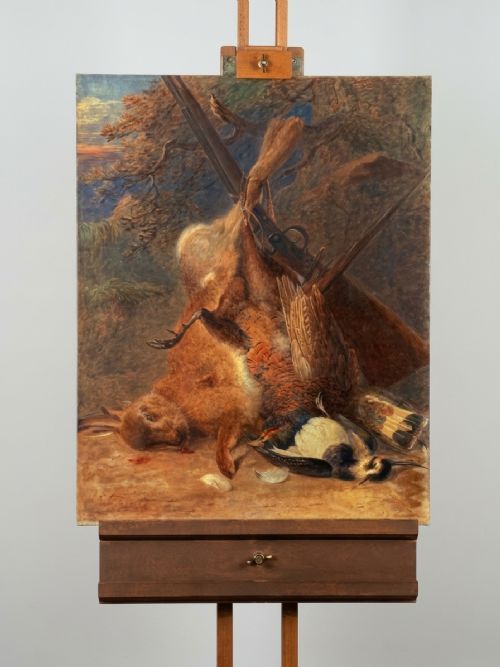
An antique hunting picture captures the dynamic energy of field sports, equestrian life and game through centuries of traditional artistry.
Antique Hunting Picture
An antique hunting picture encompasses diverse artistic interpretations of field sports, equestrian meets, hounds and game animals across multiple eras. These works document the heritage of the hunt through detailed visual storytelling designed to celebrate rural traditions.
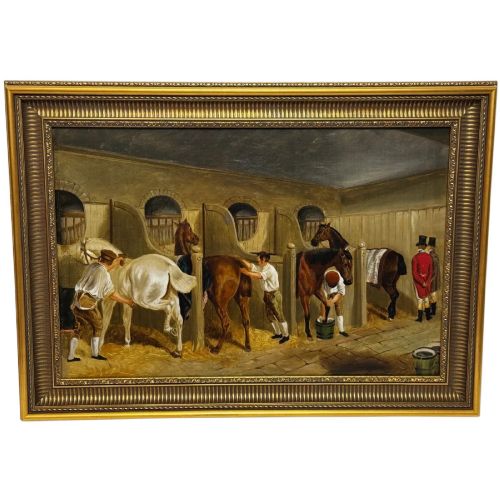
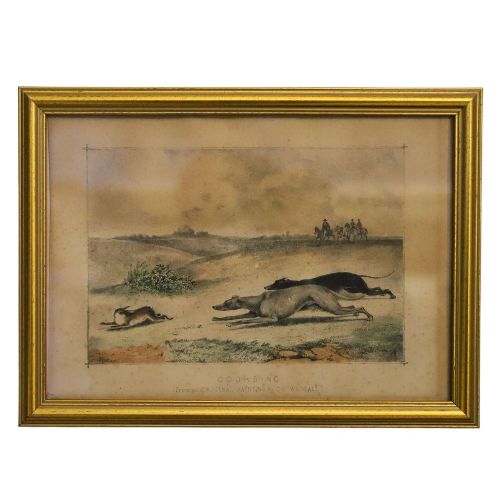
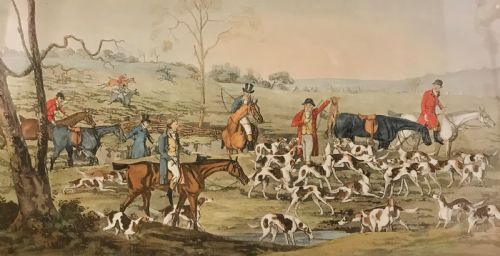
Buyers frequently encounter nineteenth-century canvases, watercolours and hand-coloured lithographs depicting iconic scenes like the Quorn and Berkeley hunts. Victorian sporting art dominates the selection, ranging from intimate portrayals of hounds to grand depictions of riders in full cry.
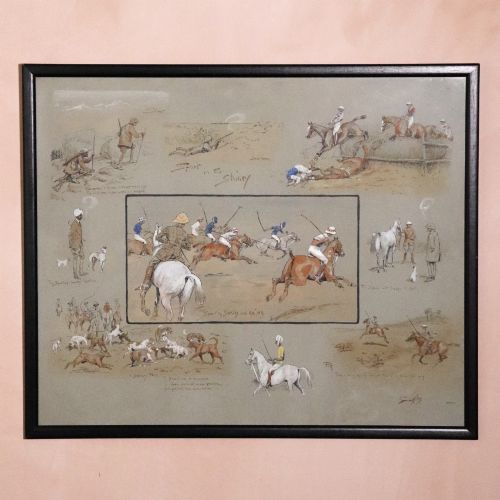
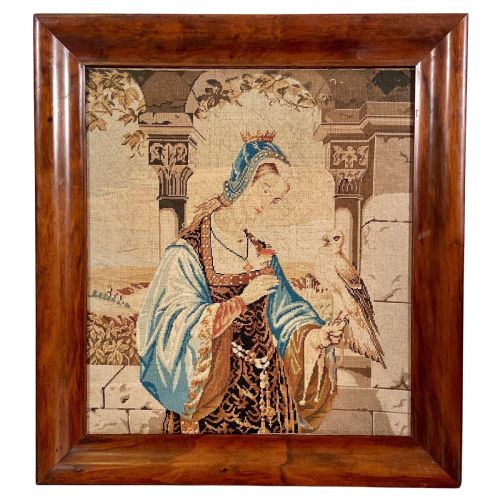
The category also extends to seventeenth-century needlework fragments, reverse silhouette paintings on glass, and twentieth-century original prints by military and sporting artists. Each form preserves a specific chapter of rural social history and sporting pageantry.
How they were made
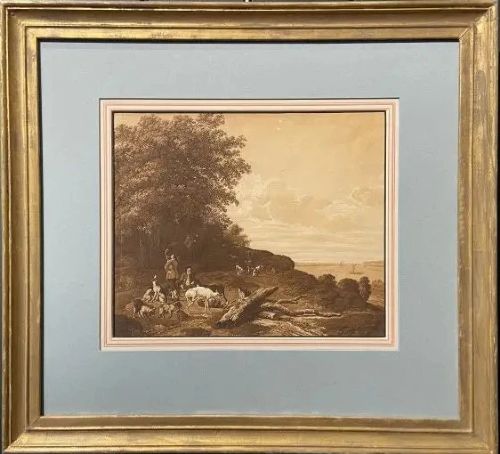
Artists and printmakers utilised oil on canvas, delicate watercolours, bodycolour and traditional paper to render these sporting subjects. Mediums frequently include textured oil paint applied to board or canvas alongside early lithography and detailed hand-coloured engravings.
Framing often complements the artwork through gilt wood and ornate gilded mouldings that enhance the visual depth of the composition. Textile pieces incorporate fine wool embroidery and beadwork to construct complex hunting scenes with tactile surfaces.
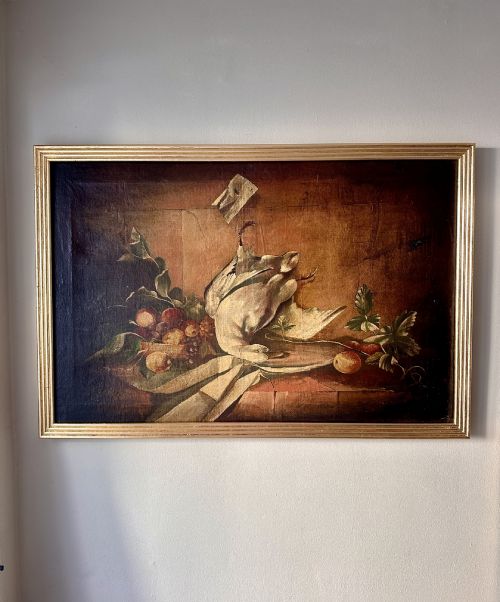
Caged rat traps guarded by alert Jack Russell terriers offer a delightfully fierce glimpse into nineteenth-century domestic pest control.
What varies in quality
Skill in anatomical rendering and composition distinguishes superior works from standard decorative pieces. Master painters capture the precise musculature of horses and the alert posture of hounds with convincing naturalism and fluid brushwork.
The depth of historical documentation and artist attribution significantly influences the stature of a work. Signed compositions by established sporting painters carry greater artistic weight than anonymous continental or provincial school productions.
George Sydney Shepherd·Johannes Lingelbach·Arthur Wardle·Benjamin Blake·Samuel Raven·Colin Graeme Roe·Charles Faulkner·John Sanderson-Wells·Henri Schouten
The Antique Hunting Picture Glossary
- Lithograph
- A print made from a planographic process using a stone or metal plate. This technique allowed for the mass reproduction of popular sporting illustrations in the nineteenth century.
- Bodycolour
- Watercolour mixed with a white pigment to create an opaque finish. This medium provides heavier coverage and richer highlights than standard transparent watercolour.
- Giltwood
- Wood that has been coated with a thin layer of gold leaf or gilt. It provides traditional ornate framing for period oil paintings and watercolours.
- Hand-coloured engraving
- An intaglio print where pigment is added by hand to individual impressions. This method brings vibrant detail to published hunting scenes and field sports.
Antique Hunting Picture: Frequently Asked Questions
What periods do these artworks span?
The selection includes pieces originating from the seventeenth century through to the mid-twentieth century. Nineteenth-century Victorian works form the largest portion of available items.
Earlier seventeenth-century examples typically appear as textile fragments or classical oil paintings. Later twentieth-century items often comprise published prints and original sporting illustrations.
How were these pictures originally displayed?
Period hunting pictures were traditionally hung in country houses, estate libraries and entrance halls to reflect the owner's sporting pursuits. They served as social statements as well as decorative records of local packs and prize hounds.
Framing in heavy gilt wood was standard practice to project status and presence. Today, collectors continue this tradition by placing them in study spaces or principal reception rooms.
Are these works original paintings or prints?
The category encompasses both unique original works and historic published prints. Listings feature direct oil paintings on canvas or board alongside watercolours.
At the same time, period lithographs, engravings and hand-coloured prints provide accessible alternatives to unique canvases. Each listing specifies whether the piece is an original painting or a historic printed edition.
How do I identify different sporting art styles?
Styles range from formal eighteenth-century equestrian portraits to action-heavy Victorian sporting art depicting full chases. British field sports developed distinct visual conventions that emphasise accurate portrayals of horses and hounds.
Artists working in the Victorian and Edwardian eras focused intensely on narrative action and regional hunt identities. Examining the clothing, equipment and landscape details helps determine the specific era of the work.