


Framed Dutch Landscape Art
Framed dutch landscape art brings together centuries of windmills, frozen canals, and coastal shipping in traditional oils and watercolours.
Framed Dutch Landscape Art
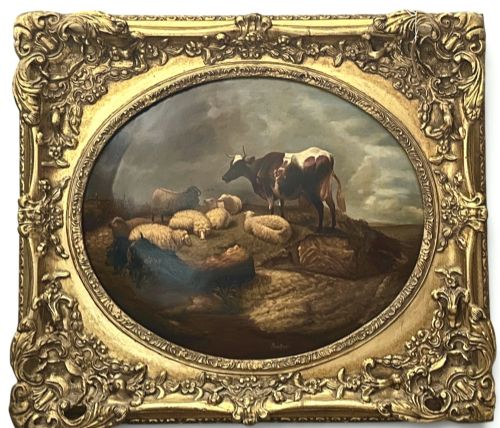
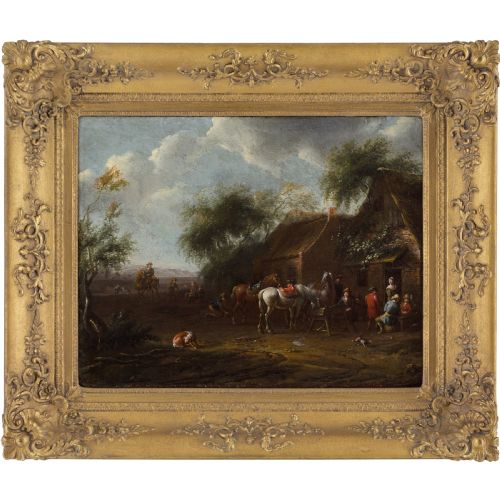
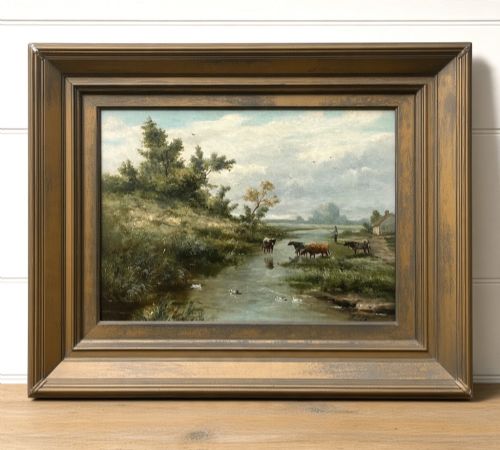
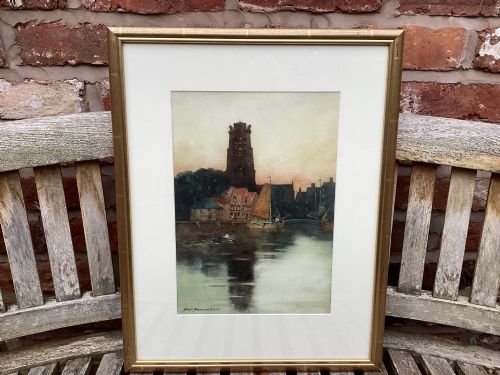
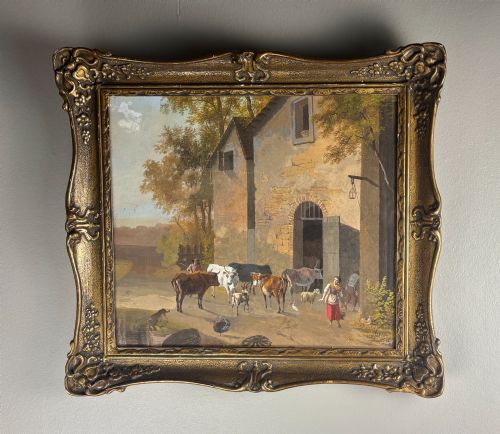
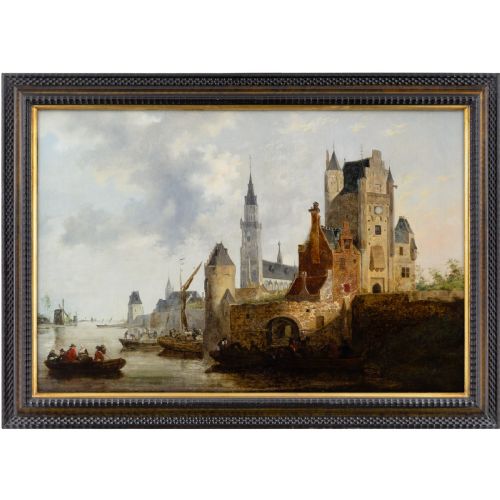
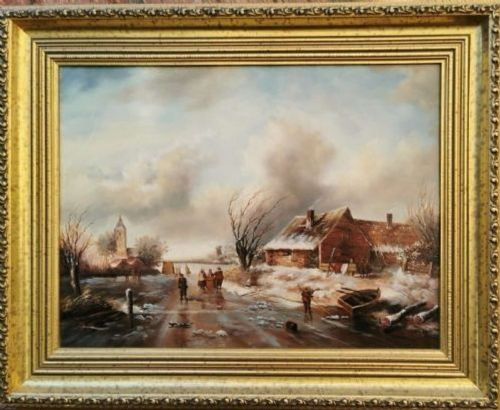
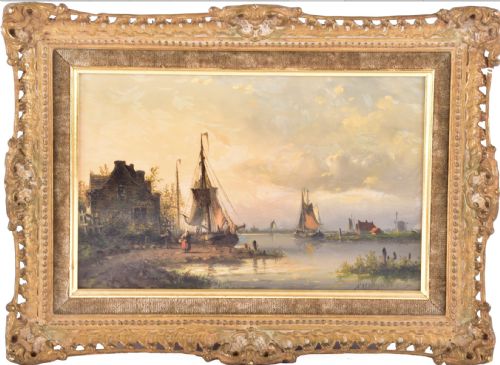
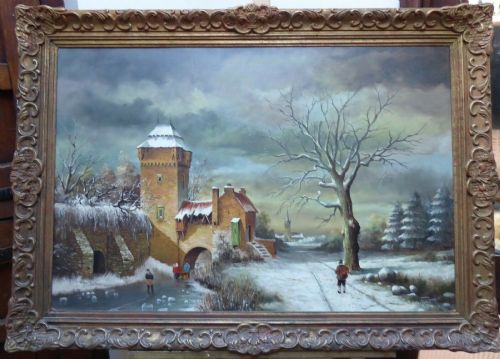
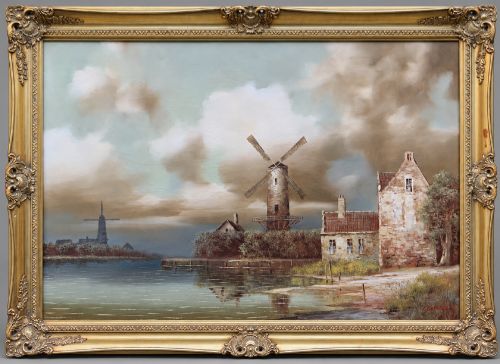
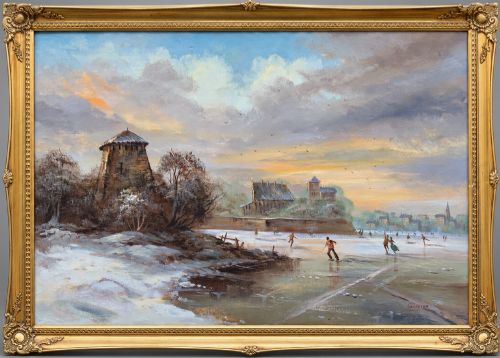
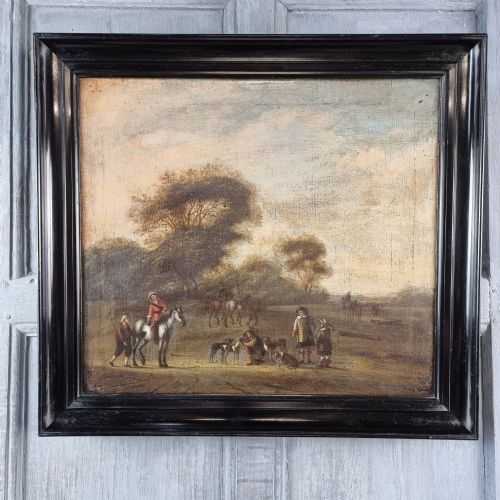
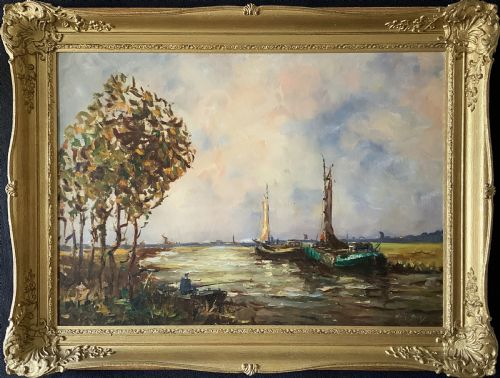
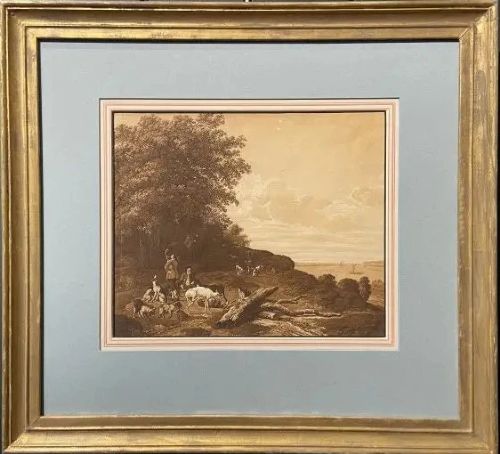
Framed dutch landscape art encompasses centuries of painted scenes, from 17th-century golden age works to 20th-century impressionist views. Buyers find coastal shipping, frozen winter canals, rural tracks, and iconic windmills rendered in oil and watercolour.
The selections on this page span the 17th century through the mid-20th century, capturing shifts from classical academic realism to softer impressionist brushwork. Most pieces arrive in period frames, often finished with gilt or gesso moulding that complements the canvas.
How they were made
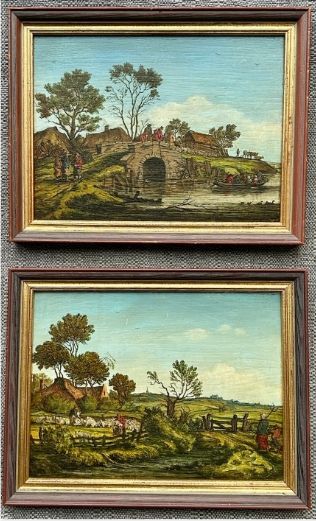
Artists painted primarily with oil paint on stretched canvas, wooden panels, or paper, building up atmospheric skies and tonal depths through layered glazes. Canvas and wood panels provided sturdy foundations for detailed brushwork.
Frames utilised solid wood, frequently enhanced with carved gesso and applied gold leaf or gilt finishes. These traditional framing techniques protected the edges of the panels and canvases while adding architectural presence to the wall art.
Framed Dutch Landscape Art Retail Price Guide 2026
Typical asking prices for framed dutch landscape art among the pieces listed under this phrase on Sellingantiques today, from the lower quarter to the upper quarter. They describe what is for sale here now, not the wider market.
Represented eras stretch from the 17th-century golden age across 19th-century romanticism into mid-20th-century impressionism.
What varies in quality
Quality rests in the handling of light, atmospheric perspective, and the preservation of the original paint surface. Superior works demonstrate confident brushwork in the rendering of water, skies, and figures.
The condition of the wood panel or canvas, along with the integrity of the period gilt frame, influences the overall character. Finer pieces retain their original surface texture and honest signs of age without heavy restoration.
Pieter Cornelis Steenhouwer·Karel Dujardin·Barent Gael·Johannes Lingelbach·Johannes de Haas·Pieter Cornelis Dommersen·Cornelis Van Poelenburgh·Abraham Hulk Snr
The Framed Dutch Landscape Art Glossary
- Dutch School
- A term describing painters who worked in the Netherlands or followed the stylistic traditions of Dutch art. It spans multiple centuries of regional painting methods.
- Giltwood
- Wood carved and coated with gold leaf or metallic paint to create a decorative golden surface. This material appears frequently on period frames.
- Gesso
- A plaster-like mixture applied to wood frames to create a smooth surface for gilding. It allows intricate moulded details along the frame edges.
- Oil Paint
- Pigment mixed with a drying oil, typically linseed, used widely on canvas and wood panels. It permits smooth blending and rich tonal variations.
Framed Dutch Landscape Art: Frequently Asked Questions
What periods do these paintings cover?
The selections span from the 17th century through the 20th century, capturing various artistic movements.
Buyers encounter styles ranging from the Dutch Golden Age to 19th-century realism and later impressionist interpretations.
What surfaces were used for these paintings?
Artists utilised oil paint and watercolour on various supports, including stretched canvas, wooden panels, and paper.
Wood panels were particularly common in earlier centuries for stability and fine detail work.
How should I hang and care for these pieces?
Keep framed artwork away from direct sunlight and fluctuating humidity to protect the canvas, wood, and gilt surfaces.
Ensure secure wall fixings suited to the weight of the solid wood frames.