

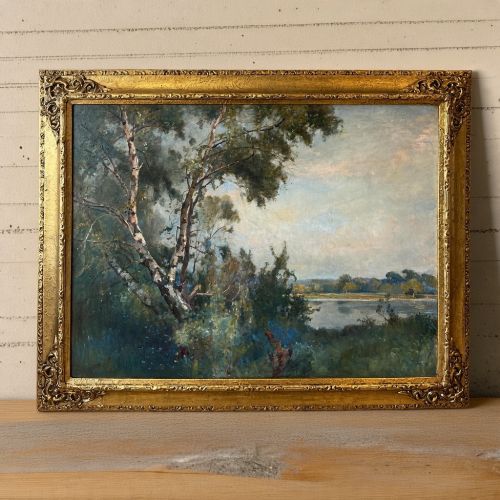
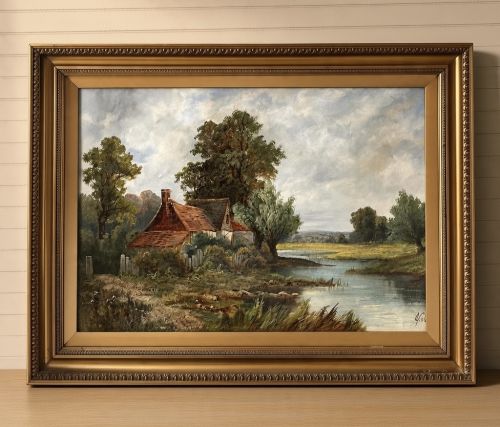
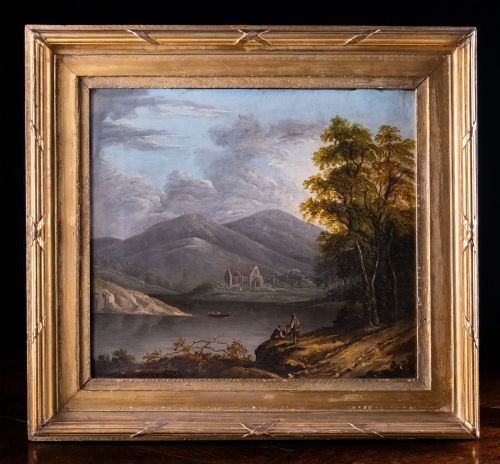
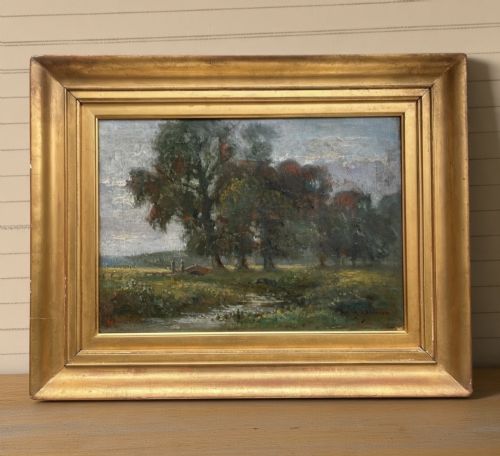
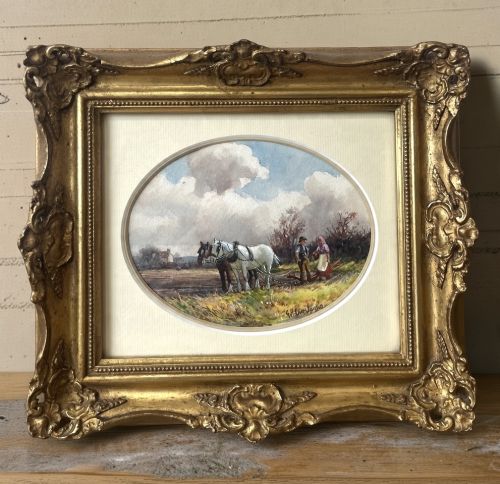
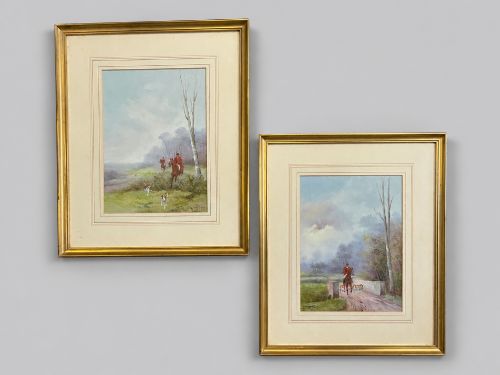
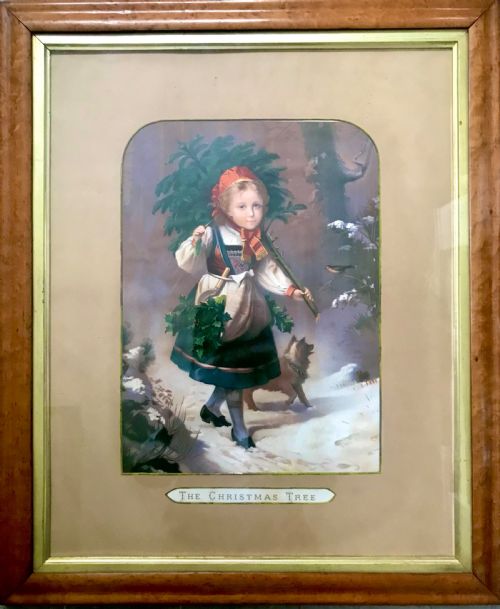
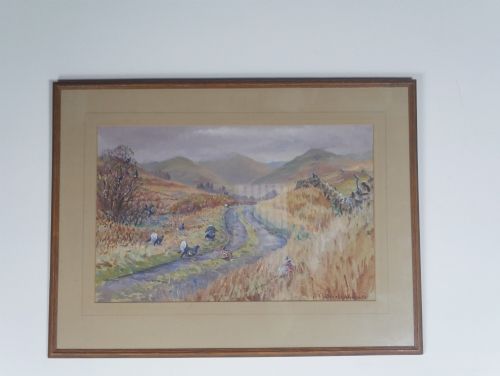
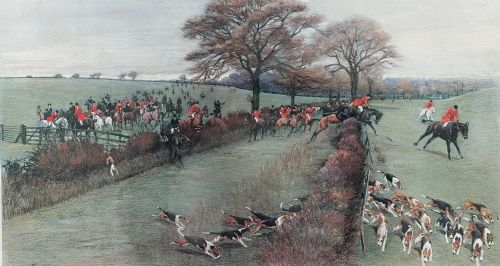
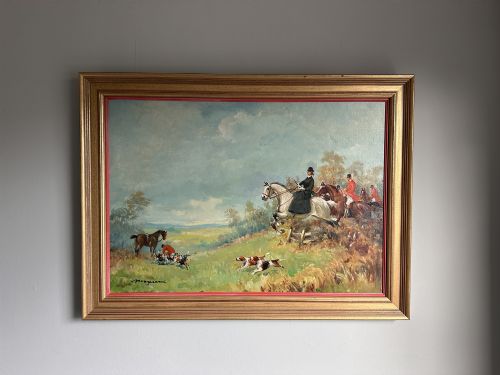
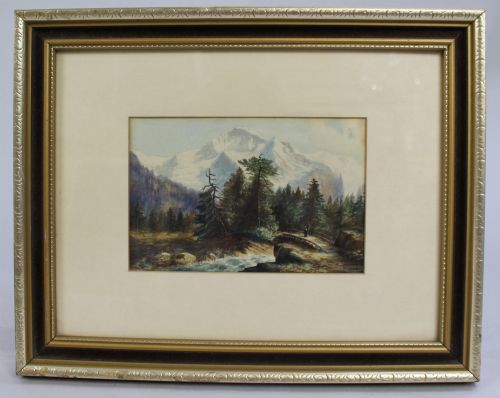
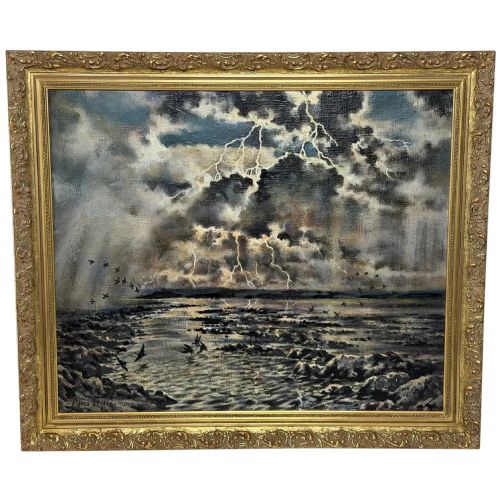
Vintage Landscape Wall Picture
A vintage landscape wall picture brings atmosphere into a room through framed views of coasts, rivers, woodlands, and fields.
Vintage Landscape Wall Picture
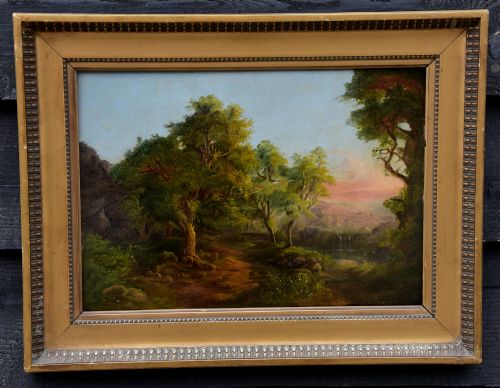
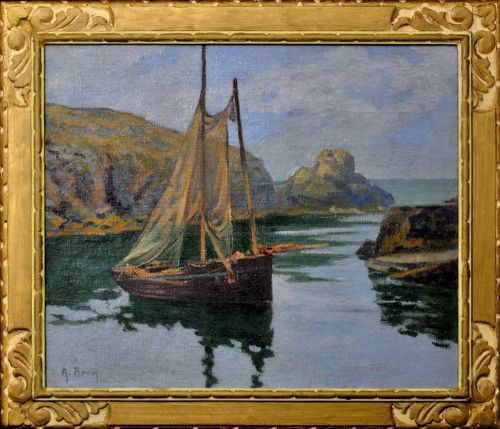
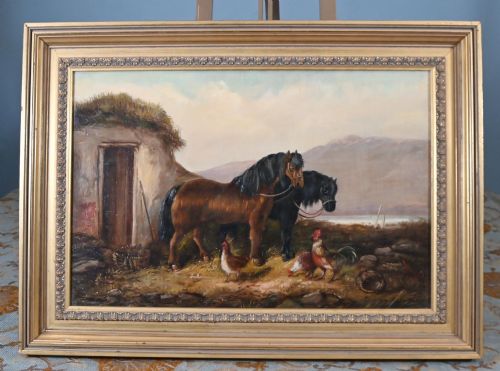
A vintage landscape wall picture encompasses framed artworks capturing natural scenery, rural views, coastal waters, and architectural settings in open air. Pieces matching this search span several centuries, reaching back through Victorian and Edwardian periods to the eighteenth century, alongside mid-twentieth century works.
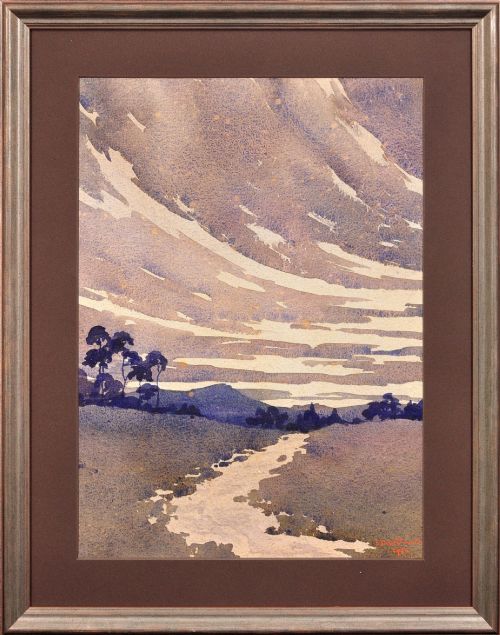
The selection frequently presents oil paintings on canvas or board, alongside watercolours, pastels, and pen and ink drawings. Subjects range from Welsh coastal storms and Italian coastlines to Yorkshire dales, Dutch winter ice skaters, and Thames river scenes.
Materials and technique
Artists deployed oil paint on canvas or board, watercolour on paper, pastel, gouache, and pen and ink to build compositions. Oil on canvas pieces often utilise layered pigments to achieve depth in skies and foliage, while watercolours rely on washes of translucent pigment on paper.
Frames incorporate wood and gilt wood, sometimes housing glass to protect paper works. Lithographs employ printmaking techniques on paper, and marquetry panels utilise inlaid wood to form pictorial scenes.
Vintage Landscape Wall Picture Retail Price Guide 2026
Typical asking prices for vintage landscape wall picture among the pieces listed under this phrase on Sellingantiques today, from the lower quarter to the upper quarter. They describe what is for sale here now, not the wider market.
Materials documented across the pieces include oil paint, watercolour, pastel, gouache, ink, wood, gilt wood, and glass.
Distinctions in quality
Quality rests in the handling of light, atmospheric perspective, and brushwork control, separating works with distinct spatial depth from flatter compositions. The handling of natural elements such as water, foliage, and skies reveals the technical competence of the hand behind the work.
Framing and preservation also contribute to the integrity of the piece, with original gilt wood frames and clean paper or canvas surfaces maintaining the historical context of the artwork.
Moss Williams·Achille Bron·Cecil Charles Windsor Aldin·W.L. Guest·Angus Rands·Pieter Cornelis Steenhouwer·Gaastra·William Manners·Philip H Rideout·Edmund Bristow·Edward Charles Williams·William Shayer·Kenneth Cozens·William H Myers·Donald Grant·Alfred Young Nutt·A. Marie Parsons·Edward Mills·George Houston·Robert Leslie Howey·Charles Houben·David Roberts·Frederick Walker
The Vintage Landscape Wall Picture Glossary
- Oil on Canvas
- Pigments bound in a drying oil applied to stretched woven fabric. This medium allows for rich texture and blended colour transitions.
- Watercolour
- Pigments suspended in a water-soluble binder applied to paper. It yields translucent washes that let the white of the paper illuminate the composition.
- Gilt Wood
- Timber treated with gold leaf or metallic gilt finish. It provides decorative framing suited to traditional paintings.
- Impressionism
- A nineteenth century style characterised by relatively small, thin yet visible brush strokes and open composition. It emphasises accurate depiction of light in its changing qualities.
- Pastel
- A medium consisting of powdered pigment mixed with a binder and formed into a stick. It produces a velvety surface texture similar to loose dry pigment.
Vintage Landscape Wall Picture: Frequently Asked Questions
How do I date an antique landscape painting?
Dating relies on stylistic clues, framing methods, and the materials used for the support, such as canvas type or card. Signatures, dates inscribed on the reverse, and biographical details of the artist also help narrow the period.
Examining the stretcher bars on canvases or the paper watermark can offer further evidence of the era of production.
What is the difference between oil and watercolour landscapes?
Oil paintings utilise pigment bound in oil on canvas or board, offering thick textures and rich colour depth. Watercolours use water-soluble pigments on paper, creating lighter, translucent effects.
Oils generally require a protective frame with or without glass, whereas watercolours need glazing to shield the paper from moisture and dust.
How should I hang a framed vintage landscape?
Select a wall away from direct sunlight and excessive humidity to protect canvas, paper, and gilt wood frames from fading or warping. Ensure the hanging hardware matches the weight of the frame and secures firmly into wall studs.
Position the picture at eye level to replicate gallery placement and maintain comfortable viewing angles.
What does Dutch School mean in painting?
Dutch School refers to artists working in the Netherlands or following the artistic traditions and subjects established by historic Dutch masters. These works often focus on maritime scenes, winter landscapes with ice skaters, and expansive skies.
Such pieces reflect specific regional techniques in handling light and atmospheric perspective across different centuries.