

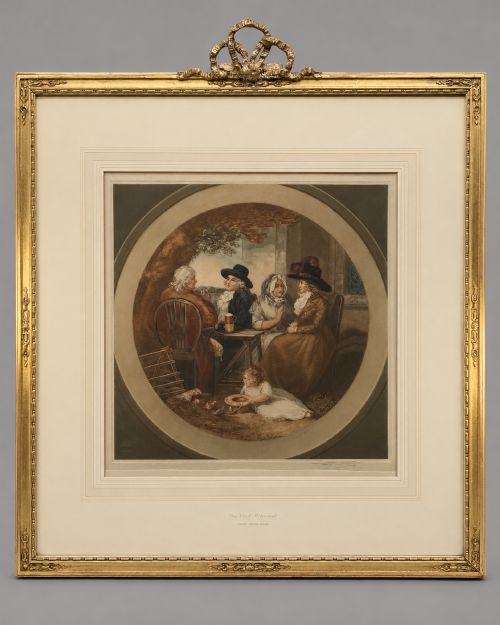
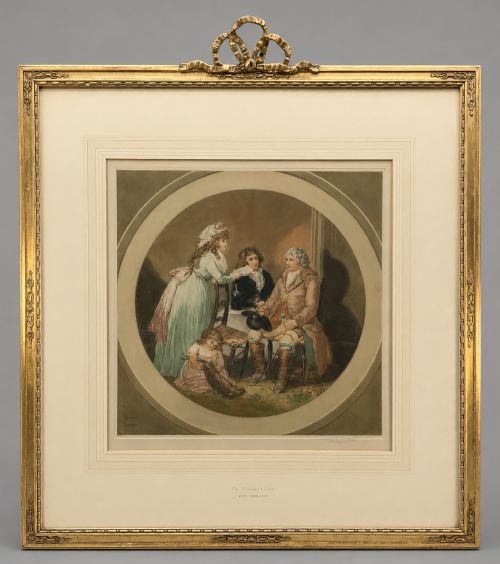
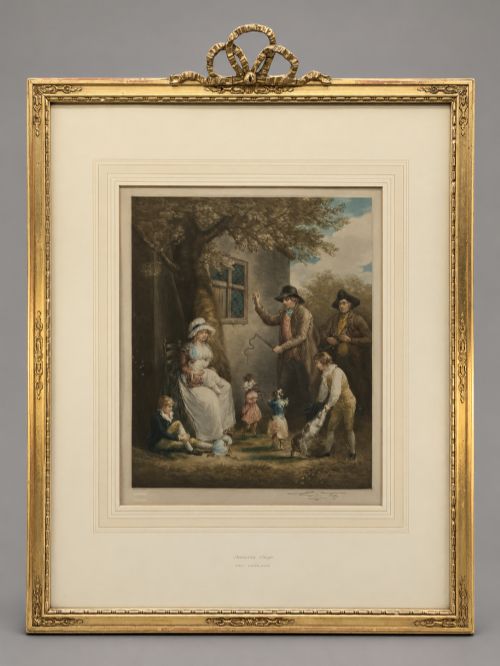
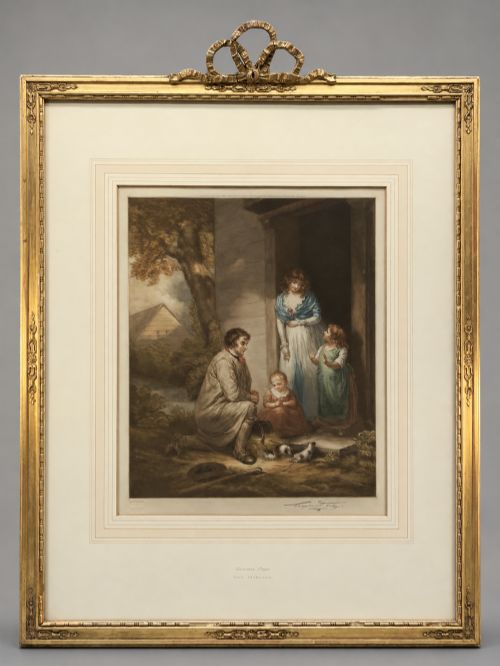

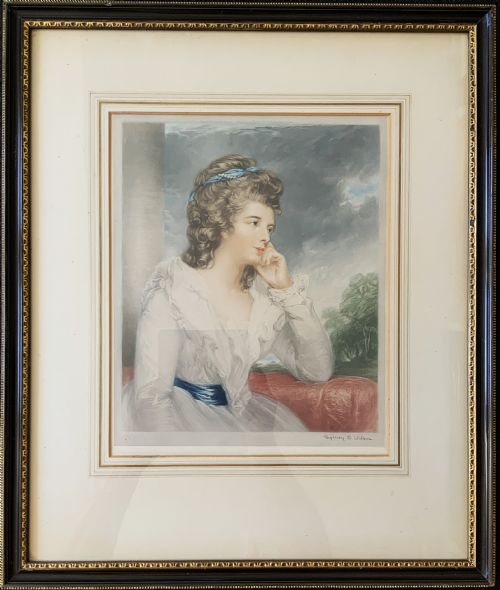


Framed Colour Mezzotint
Framed colour mezzotint prints deliver rich, velvety tones and subtle hand-colouring that bring warmth to any wall.
Framed Colour Mezzotint
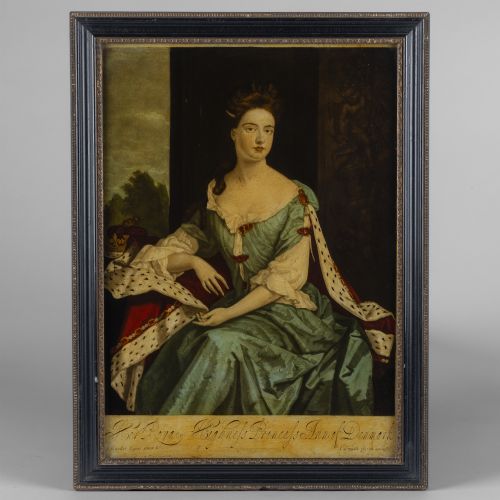
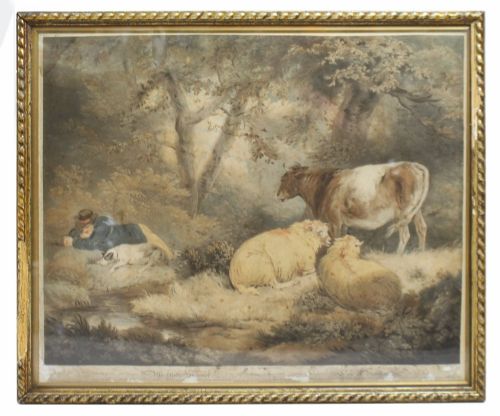
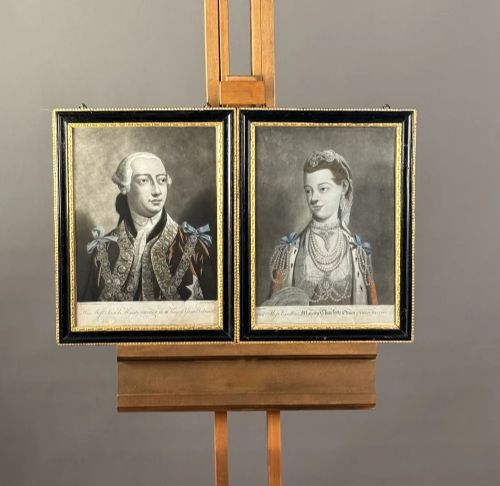
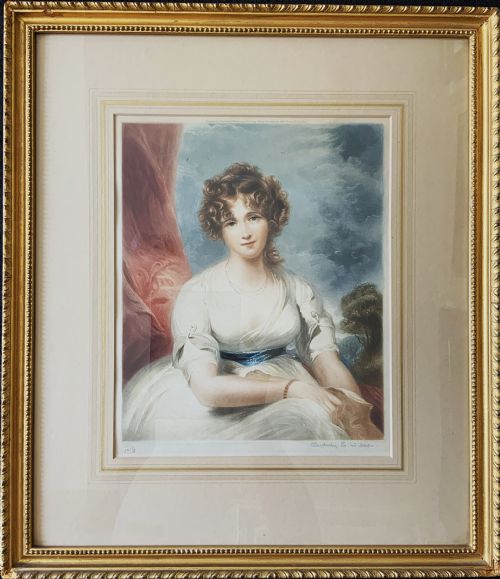
A framed colour mezzotint represents a rich tradition of printmaking where copper plates are roughened to hold ink and produce deep, velvety tones. When searching for a framed colour mezzotint, collectors encounter works originating from periods spanning the eighteenth century through the Edwardian era, alongside Regency and Victorian examples.
The objects take the form of wall art, prints, and reverse glass paintings housed in wood, glass, gold leaf, and giltwood frames. Pieces often depict portraits, rustic scenes, and royal subjects executed by notable printmakers and painters of their respective times.
How they were made
Maker plates were prepared by roughening the copper surface with a rocker to create a burr that holds ink for deep blacks and dark shades, before being scraped and burnished to create lighter areas. Pigment and ink were then applied to the plate, sometimes with hand-colouring added to the paper impressions afterwards.
Finished prints were secured behind glass within wooden frames, often enhanced with gold leaf or giltwood mouldings to complement the rich tones of the imagery.
Framed Colour Mezzotint Retail Price Guide 2026
Typical asking prices for framed colour mezzotint among the pieces listed under this phrase on Sellingantiques today, from the lower quarter to the upper quarter. They describe what is for sale here now, not the wider market.
Guinea pigs and dancing dogs share the frame with royalty, proving that historical printmakers enjoyed domestic pets just as much as grand portraits.
What varies in quality
Quality rests upon the crispness of the impression pulled from the copper plate and the delicacy of the hand-colouring applied across the paper. Early pulls retain the rich, dark burr of the mezzotint ground, whereas later impressions lose depth and subtlety.
The execution of the frame also dictates overall standard, with period giltwood and gold leaf surrounds housing finer examples compared to later or simpler timber mouldings.
Eugene James Tily·William Barnard·Thomas Frye·Sydney Wilson·Robert Sayer·W Ward·I R Smith·F Petitjean
The Framed Colour Mezzotint Glossary
- Mezzotint
- A printmaking process where the copper plate is roughened uniformly to produce rich dark tones, and scraped to create highlights. This technique allows for subtle tonal gradations without relying on traditional line etching.
- Reverse glass painting
- An artwork created by painting or applying a printed image onto the reverse side of a glass panel to be viewed from the front. This method imparts a glossy, luminous finish to the piece.
- Artist proof
- An impression of a print taken before the final edition is produced, typically retained by the artist or engraver. These early proofs often demonstrate exceptional sharpness and detail.
- Giltwood
- Wood that has been carved and coated with a thin layer of gold leaf or gilt powder. It is frequently found framing fine historical portraits and decorative prints.
Framed Colour Mezzotint: Frequently Asked Questions
What is a framed colour mezzotint?
A framed colour mezzotint is an antique print created from a roughened copper plate, inked in colour, and presented behind glass within a period wooden or gilt frame.
These works range from eighteenth-century royal portraits to Edwardian genre scenes and rustic studies.
How do I care for my framed mezzotint?
Protect the paper print and pigments by hanging the piece away from direct sunlight and damp environments. Keep the glass clean using a dry microfibre cloth.
Avoid spraying cleaning fluids directly onto the frame or glass to prevent moisture seeping behind the rebate.
Are these prints original antiques?
The listings comprise authentic period items originating from the eighteenth century, Regency, Victorian, and Edwardian eras. Materials such as old paper, ink, and period frames reflect their genuine historical age.
Each piece carries the distinct technical characteristics of its respective period of production.
How are reverse glass prints different?
Reverse glass prints involve applying the image directly to the back of a glass panel rather than mounting paper within a frame. This technique produces a distinct reflective surface quality.
Such pieces are typically encountered in Georgian and Victorian decorative arts.