


Framed Ceramic Picture
These framed ceramic picture pieces bring together painted porcelain, earthenware, and glass into decorative wall art.
Framed Ceramic Picture
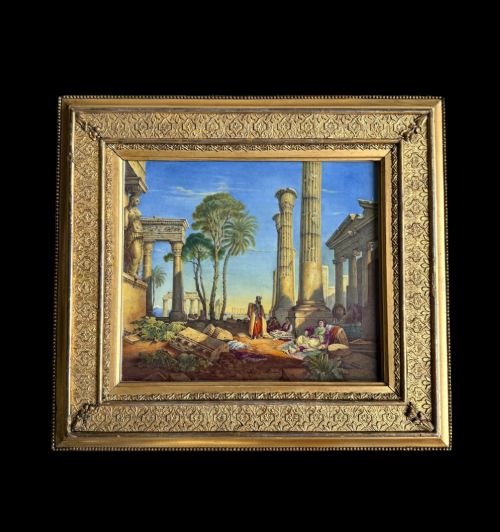
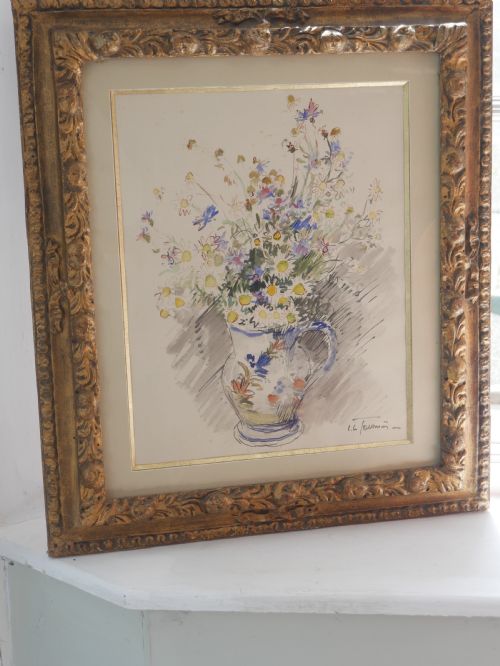
A framed ceramic picture brings together painted porcelain, earthenware, and tiles set securely behind glass within wood or giltwood frames. Collectors seek these items for their detailed hand-painted scenes, ranging from classical portraits to botanical studies and still life arrangements.
The selection includes 19th Century French and Victorian examples alongside mid-century and earlier works. Wall plaques, miniature paintings, and individual tiles mounted as pictures form the core of what appears in this category.
How they were made
Makers utilised porcelain, enamel, and ceramic panels as surfaces for meticulous hand-painting, often firing the pieces multiple times to fix the colours permanently. Artisans then mounted these finished panels into timber, paper-backed, or giltwood frames, frequently protected by glass.
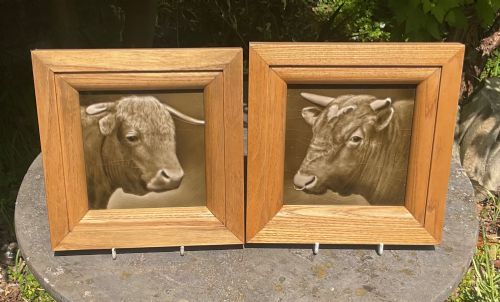
Some works incorporate traditional oil painting directly onto porcelain panels rather than standard canvas. Others utilise glazed earthenware tiles fixed within dedicated wooden surrounds.
Materials across these listings include porcelain, wood, glass, giltwood, enamel, paper, ceramic, and watercolour.
What varies in quality
The finesse of the brushwork dictates the standard of the piece, particularly in miniature portraiture and floral studies where fine detail separates standard output from master work. Signed examples by established decorators and prominent factories command greater attention.
The construction of the frame and the quality of the mounting materials contribute significantly to the overall presentation. Intricate giltwood surrounds and original ormolu mounts elevate the status of the ceramic panel within.
Sherwin and Cotton·Royal Worcester·KPM·Sevres
The Framed Ceramic Picture Glossary
- Porcelain
- A hard, white ceramic material fired at high temperatures, providing a smooth, non-porous surface ideal for fine miniature painting.
- Enamel
- A glassy substance fused to a metal or ceramic base through firing, creating vibrant and durable coloured imagery.
- Giltwood
- Timber carved and coated with a thin layer of gold leaf, commonly used for ornate antique picture frames.
- Faience
- Tin-glazed earthenware decorated with opaque coloured glazes, often featuring hand-painted figurative or floral scenes.
- Ormolu
- Gilded bronze ornamentation applied to frames and mounts, popular in decorative arts during the nineteenth century.
Framed Ceramic Picture: Frequently Asked Questions
What periods do these pieces span?
The selection spans from the early eighteenth century through the Victorian era and into the mid-twentieth century. Pieces reflect prevailing decorative tastes of their specific decades.
Nineteenth-century examples dominate the range, though earlier enamel plaques and later mid-century works also appear.
How should I hang them?
Hang these pieces away from direct sunlight to protect painted porcelain surfaces and paper backings from fading. Ensure wall fixings match the weight of the timber and giltwood frames.
Use secure picture hooks suited to the wall type, as framed ceramic and glass items carry substantial weight.
Are the frames original?
Many items retain their period wood, giltwood, or ormolu frames, which complement the ceramic panels they enclose. Some pieces feature later framing chosen to protect the delicate porcelain within.
Examine the joinery and backing materials to understand the relationship between the plaque and its surround.
How do I identify porcelain plaques?
Porcelain plaques present a smooth, dense white ceramic body beneath the painted glaze. Look for factory marks or artist signatures often found on the reverse or near the edge of the composition.
Examining the piece outside its frame can sometimes reveal maker stamps or impressed numbers.