
Framed Botanical Art
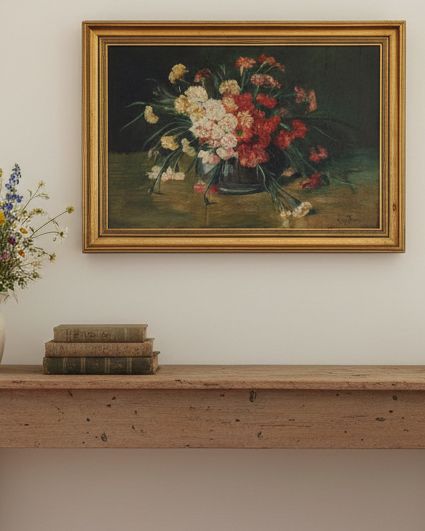
Framed botanical art brings the study of plant life onto the wall, offering detailed paper studies that collectors value for their scientific accuracy and decorative clarity.
What framed botanical art is
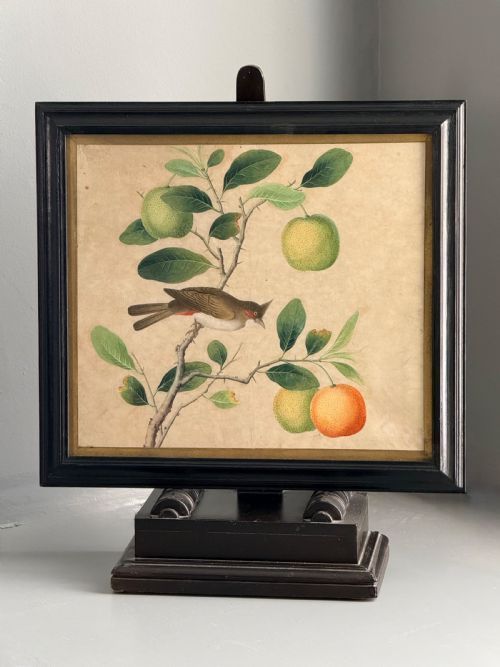
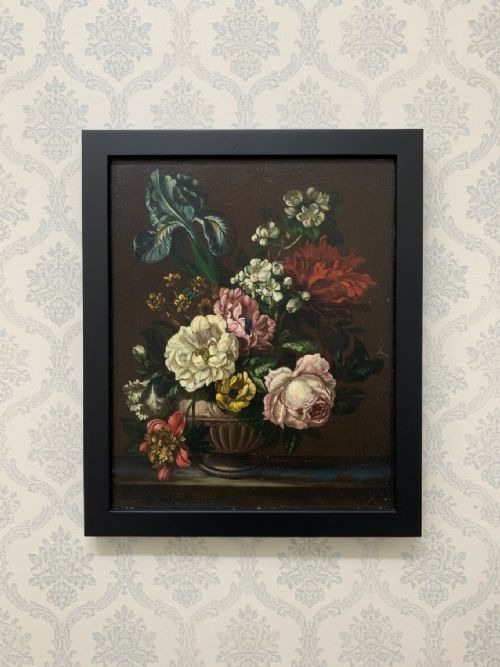
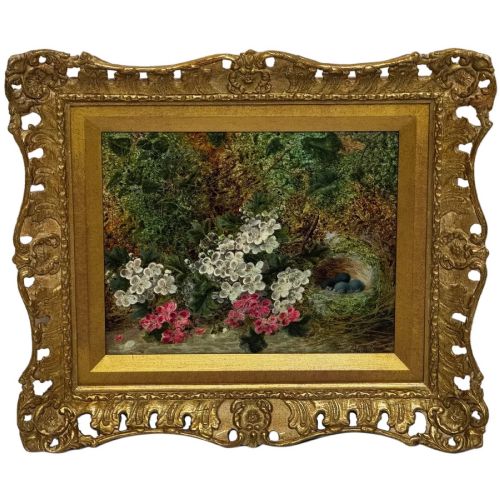
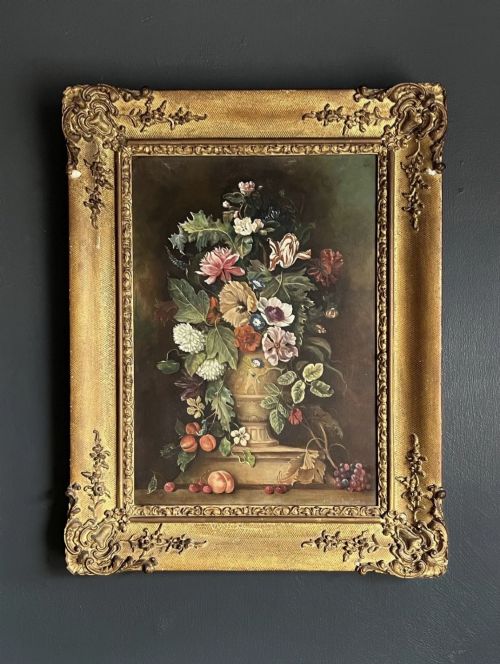
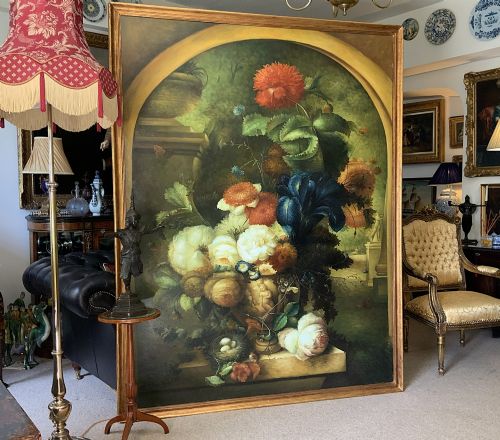
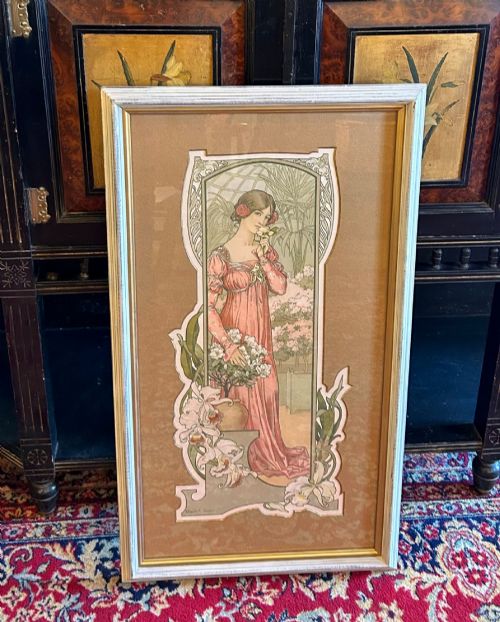
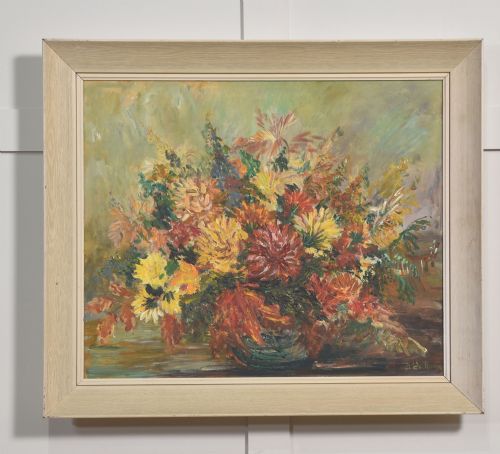
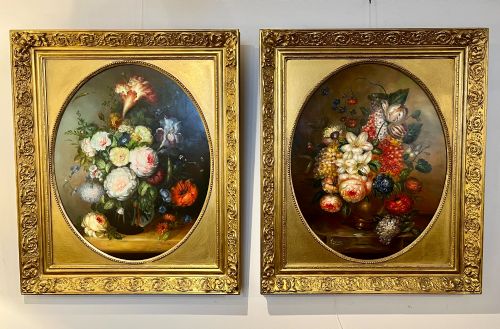
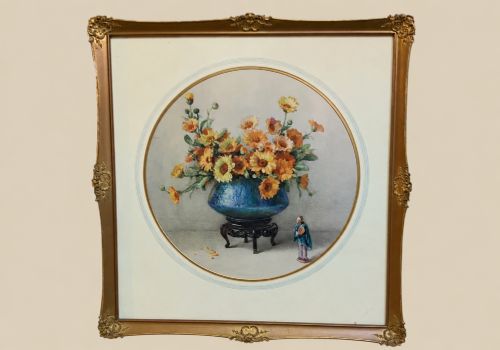
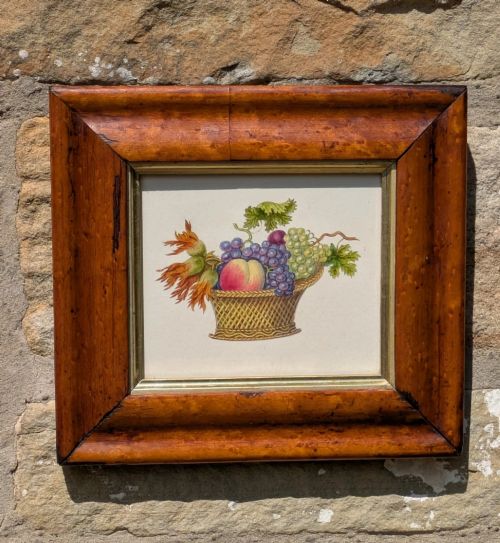
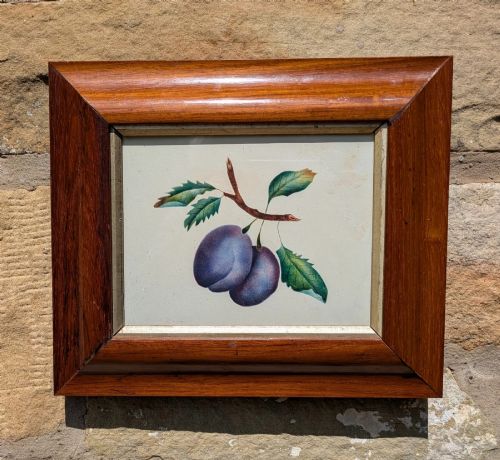
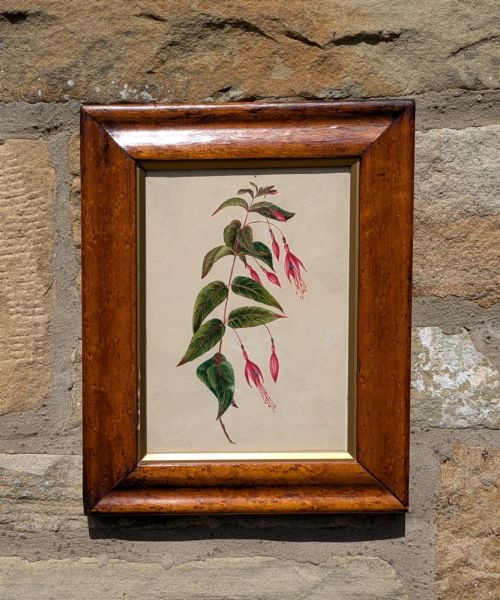
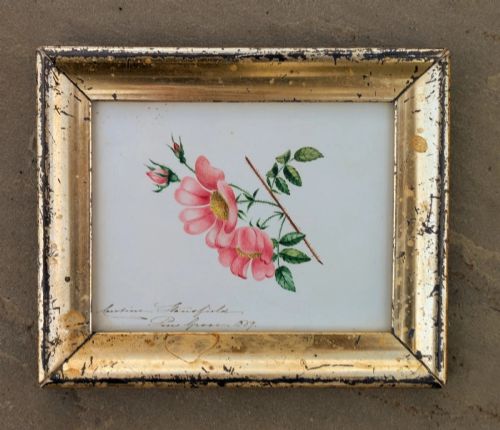
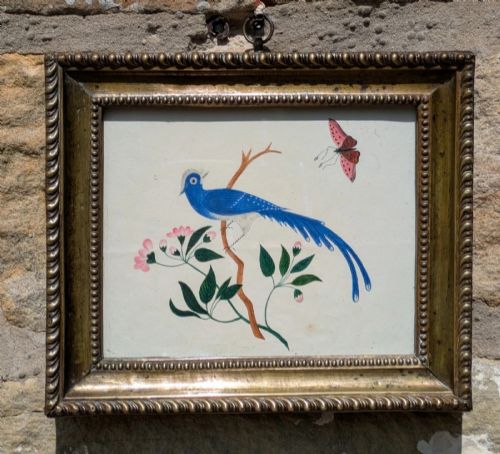
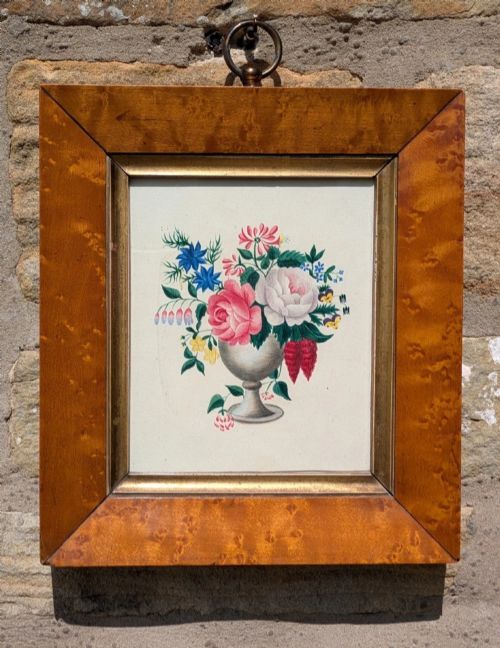
Framed botanical art encompasses paper works depicting plants, flowers, and insects housed behind glass within wooden surrounds. These pieces emerge from periods spanning the eighteenth century through to the Victorian era.
The buyer meets various formats on this page, including individual hand-coloured engravings, original watercolours, and matched sets. The nineteenth century yields multiple examples of engravings alongside eighteenth-century works.
Subjects range from individual garden flowers and azaleas to detailed plates featuring insects alongside plants. Each piece functions as both scientific record and interior decoration.
How they were made
Makers produced these works using paper and card mounts, applying ink and watercolour by hand to accentuate printed lines. Georg Wolfgang Knorr and John Curtis utilised engraving techniques before artisans added colour to the printed sheets.
Framing involved wood surrounds and glass to protect the delicate paper surfaces from moisture and dust. Card mounts provide a structural border between the artwork and the outer frame.
Retail Price Guide 2026
Typical UK retail prices for framed botanical art, calculated from the Sellingantiques database of over a million retail prices indexed since 2003. This retail price guide relies exclusively on Sellingantiques data; no external sources or auction records are used, so the figures do not describe the wider market.
Current listings span the eighteenth century, nineteenth century, and Victorian period, utilising paper, watercolour, ink, and wood.
What varies in quality
Quality rests upon the precision of the initial engraving and the skill of the hand-colouring applied to the paper. Finer examples display meticulous attention to botanical structures and insect details without muddying the surrounding sheet.
The integrity of the paper and card mount influences the standing of a piece, alongside the preservation of the original wooden frame. Works bearing identifiable associations with established naturalist illustrators command greater attention.
Ernest Arthur Rowe·Charlotte Isa James·John Curtis·Georg Wolfgang Knorr
The Framed Botanical Art Glossary
- Engraving
- A printmaking method where an artist cuts a design into a metal plate to hold ink. This technique allows for fine, crisp botanical lines on paper.
- Hand-coloured
- A process where watercolour or pigment is applied by hand to a monochrome print after production. This adds realistic hues to plant and insect illustrations.
- Card mount
- A thick paperboard frame placed inside the glass to separate the artwork from the wood. It provides visual breathing space around the botanical subject.
- Watercolour
- A paint medium using water-soluble pigments applied directly to paper. Original pieces by artists utilise this technique rather than printed bases.
Frequently Asked Questions
What is framed botanical art?
Framed botanical art consists of historical prints, engravings, and watercolours depicting plants and flowers, protected behind glass within wooden frames.
These works combine scientific observation with visual appeal, originating primarily from the eighteenth and nineteenth centuries.
How were these botanical pieces used?
Historically, naturalists and households utilised these illustrated plates for scientific study, education, and interior display.
Today, they serve primarily as wall art in homes, preserving historical depictions of flora and entomology.
How do I care for framed botanical art?
Paper works require protection from direct sunlight to prevent the watercolour pigments and ink from fading over time.
Keeping them away from damp environments ensures the paper, card mount, and wooden frames remain stable.
How can I tell the period of a piece?
Dating relies on the style of the engraving, paper characteristics, and any attribution to specific naturalists or period artists.
Victorian pieces often display distinct typography and mounting styles compared to eighteenth-century works.