

Framed Architectural Artwork
Framed architectural artwork captures streets, buildings and monuments across centuries in paint, print and drawing.
Framed Architectural Artwork
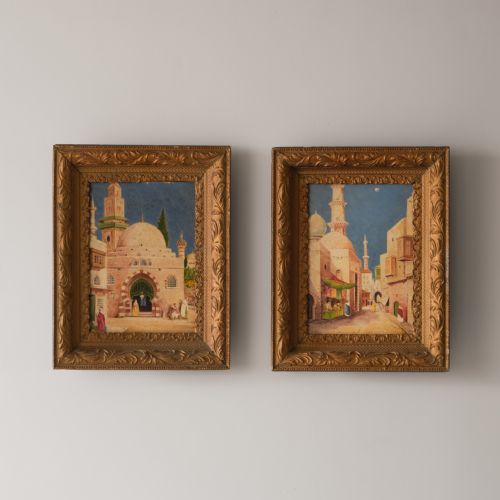
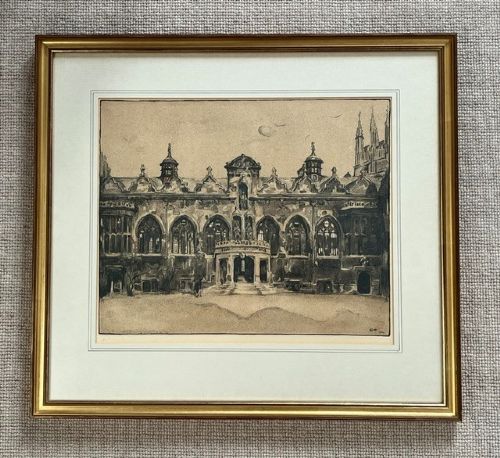
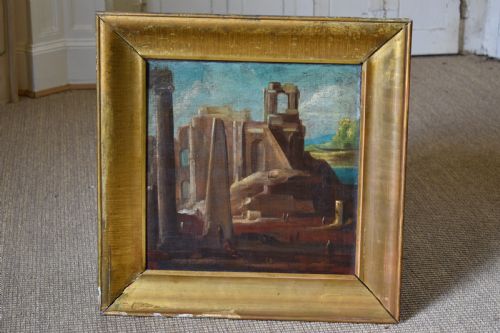
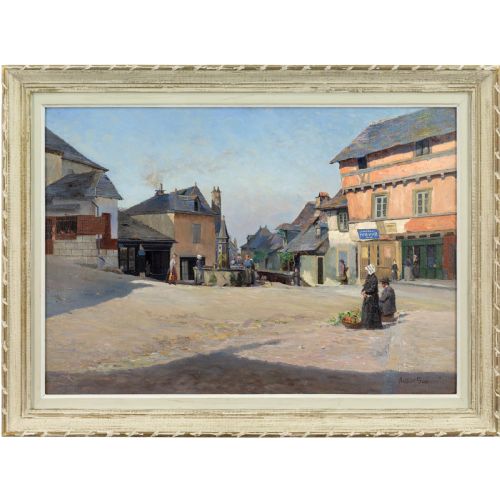
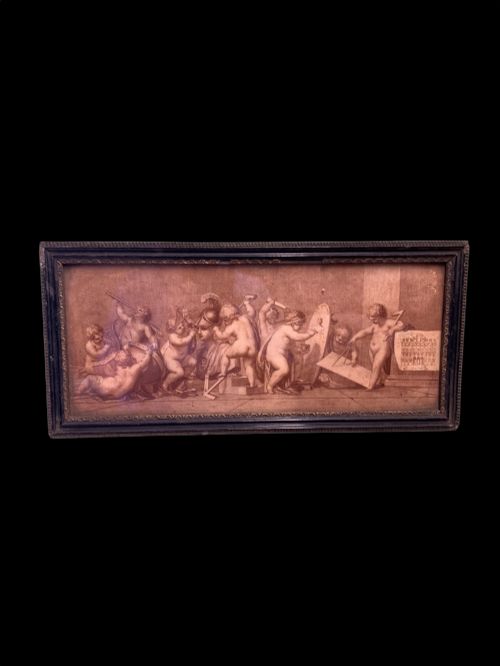
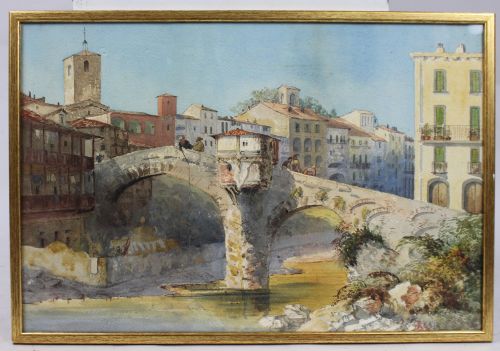
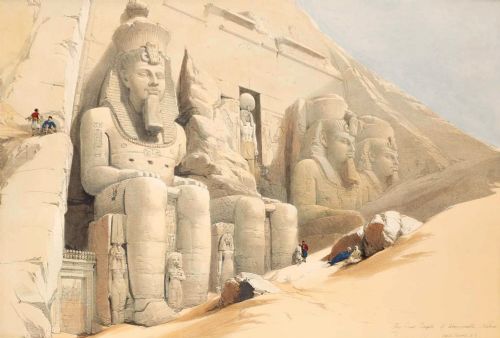
Framed architectural artwork brings together townscapes, grand buildings and street scenes executed in various traditional media. These works span the Victorian period through to the mid-20th century, encompassing styles from Neoclassical prints to Post-Impressionist cityscapes.
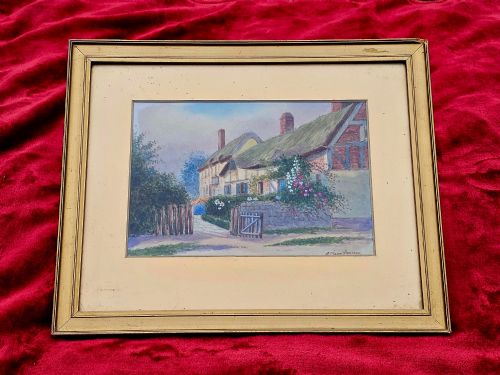
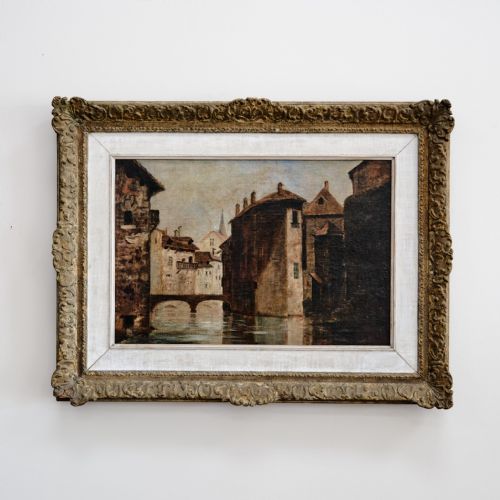
Buyers encounter subjects ranging from Venetian canals and Parisian squares to Gothic churches and ancient ruins. The selection leans heavily towards 19th-century watercolours, early 20th-century oils on canvas and period prints depicting urban views.
Materials and methods
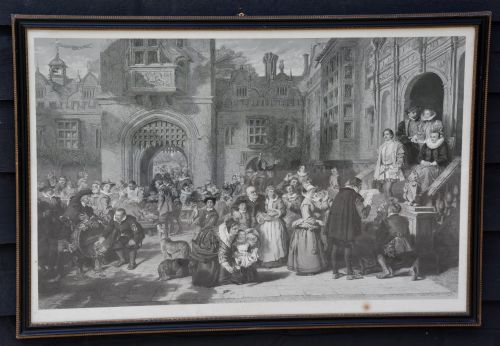
The pieces rely on traditional supports such as canvas, paper, wood and panel, worked in oil paint, watercolour, ink and pencil. Lithographs and engravings provide the printed examples, often enclosed in period surrounds such as original Hogarth frames.
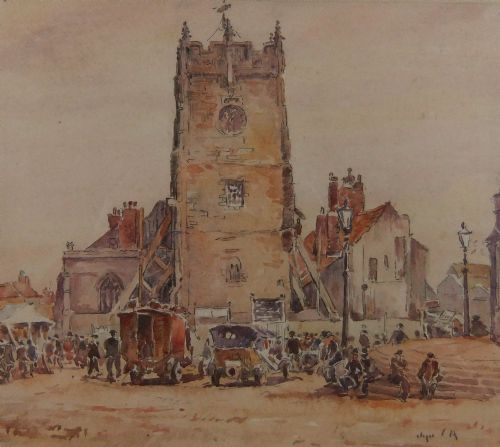
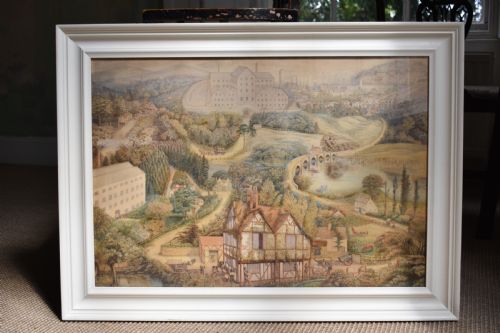
Pigments and washes are applied with varying density, from the fine detail of architectural watercolours to the thick impasto of mid-century abstract cityscapes. Media choices dictate whether a piece presents precise linear perspective or expressive painterly texture.
Framed Architectural Artwork Retail Price Guide 2026
Typical asking prices for framed architectural artwork among the pieces listed under this phrase on Sellingantiques today, from the lower quarter to the upper quarter. They describe what is for sale here now, not the wider market.
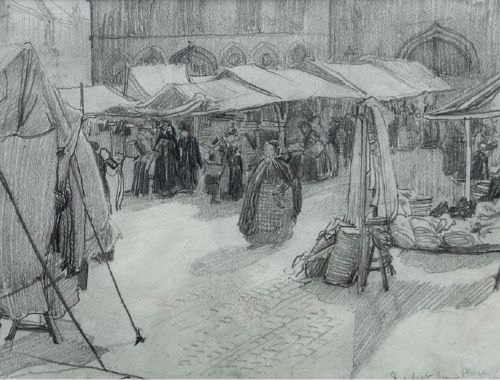
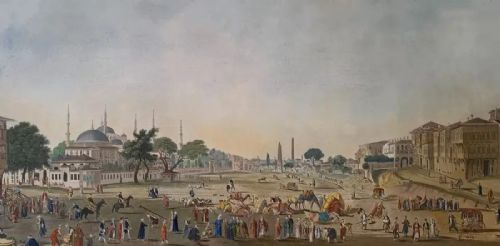
Several artists clearly braved bustling foreign markets with a sketchbook tucked firmly under one arm.
Distinctions in quality
Quality rests in the precision of perspective, the handling of light on stone surfaces and the confidence of the draughtsmanship. Stronger pieces capture the atmosphere and scale of a location rather than relying on mechanical repetition.
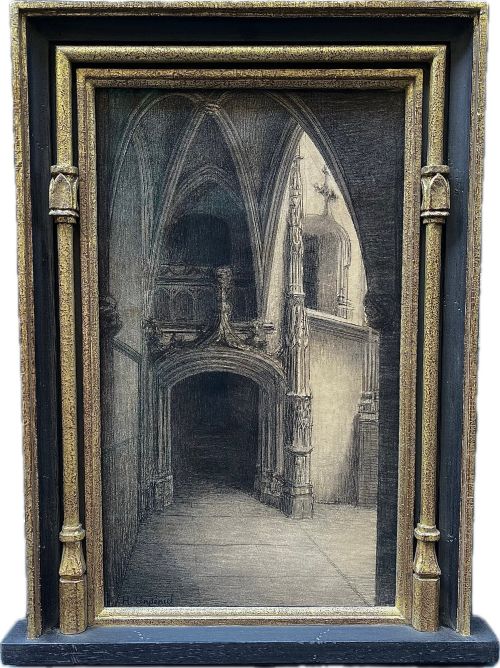
The integrity of the frame often matches the artwork, with period surrounds enhancing the composition. Works by named artists demonstrate a firmer grasp of urban composition compared to anonymous workshop output.
Sir William Nicholson·Anton Ignaz Melling·Victor Gabriel Gilbert·Henry de Waroquier·Alexander Jamieson
The Framed Architectural Artwork Glossary
- Lithography
- A planographic printing method using a stone or metal plate to produce crisp architectural prints. This technique allows for subtle tonal gradations across urban scenes.
- Impasto
- Paint applied thickly to a canvas or board, creating a raised texture that catches the light. Artists use this method to render the tactile surfaces of historic stone buildings.
- Pietra dura
- Inlaid work using cut and fitted polished coloured stones to create pictorial designs. Panels employing this technique often depict architectural monuments with permanent geological colour.
- Watercolour
- Pigments suspended in a water-soluble vehicle, applied to paper for translucent architectural studies. The medium relies on the white of the paper to generate light within street scenes.
Framed Architectural Artwork: Frequently Asked Questions
What periods do these artworks cover?
The selection spans from Georgian and Victorian pieces through to mid-20th-century works. Artists recorded urban scenes across the 19th and 20th centuries using traditional techniques.
Styles shift from Neoclassical prints and academic watercolours to Post-Impressionist and mid-century oil paintings.
How do I identify the medium?
Watercolours and prints appear on paper under glass, while oil paintings utilise canvas, wood or panel supports. Close inspection reveals whether a surface shows flat printed ink, visible brushstrokes or thick impasto.
Signatures, framing and backing boards often provide further clues regarding the date and method of creation.
Where were these scenes typically found?
Subjects range from British towns and country houses to continental destinations like Venice, Paris, Bruges and Prague. Grand Tour itineraries also inspired depictions of classical ruins and Egyptian monuments.
Artists frequently set up their easels in bustling market squares, beside canals or facing notable Gothic churches.
How should I hang these pieces?
Match the scale of the artwork to the wall space, keeping eye level at the centre of the composition. Ensure the piece hangs away from direct sunlight to protect watercolours and paper from fading.
Period frames benefit from stable indoor humidity and secure wall fixings suited to their weight.