
Framed Flower Art
Framed antique flower art brings centuries of botanical study and floral oil painting into domestic rooms.
Framed Flower Art
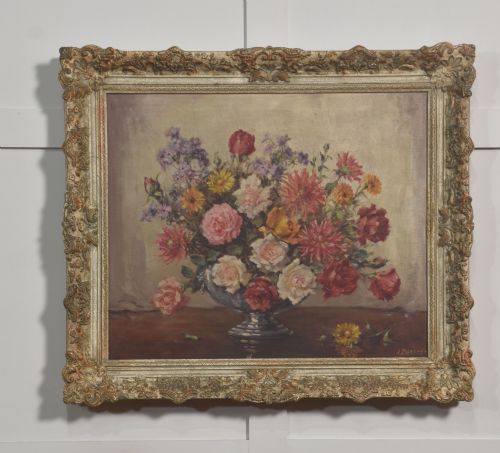
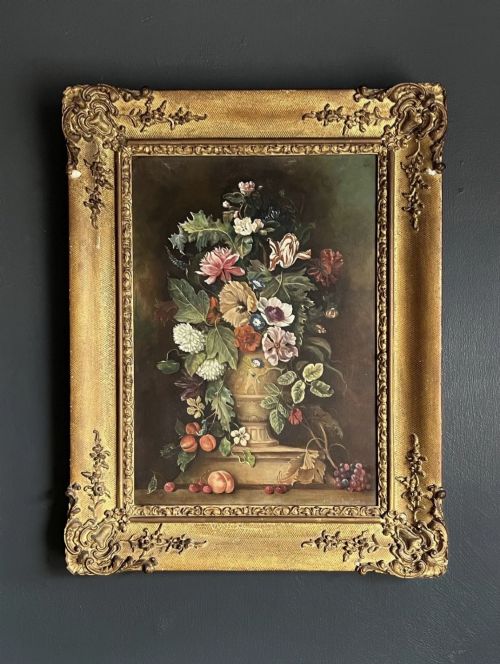
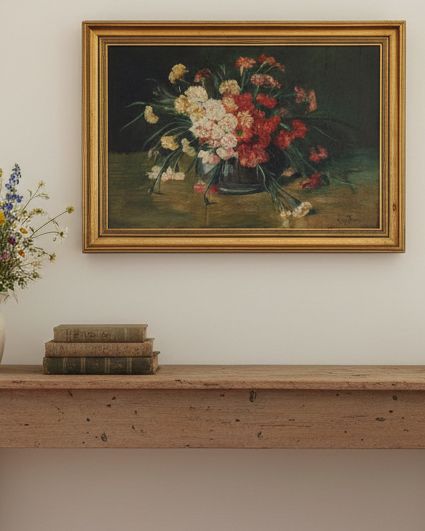
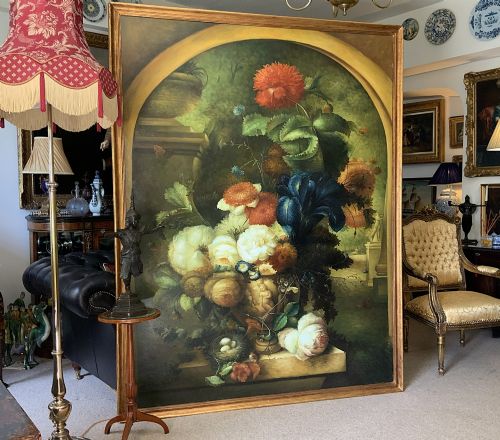
When you search for framed antique flower art, you encounter a diverse selection of botanical watercolours, oil paintings on canvas or panel, and cut paper pictures dating from the nineteenth century onwards.
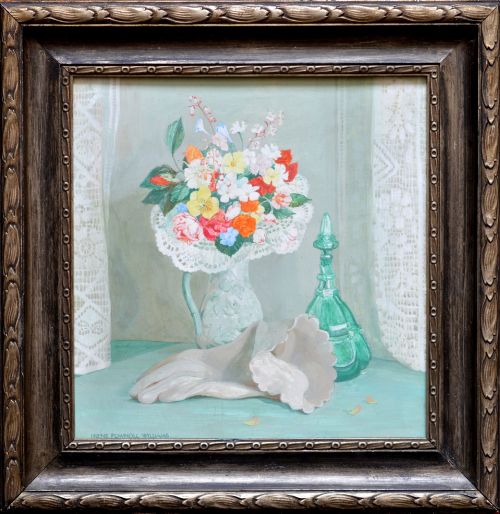
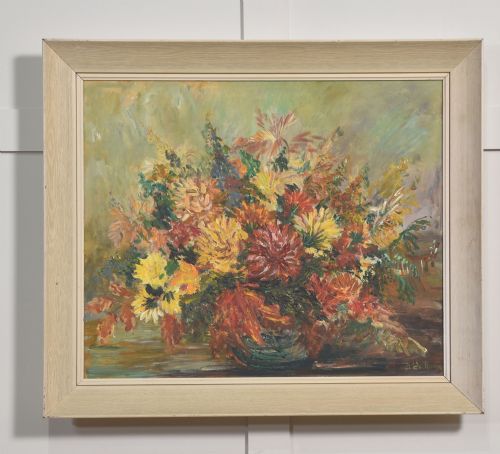
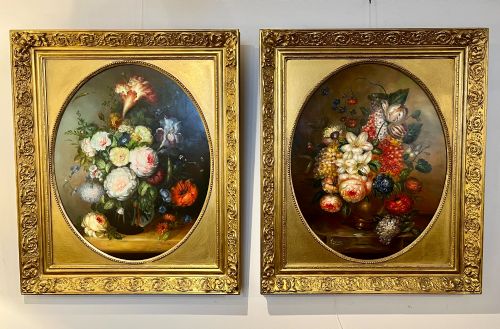
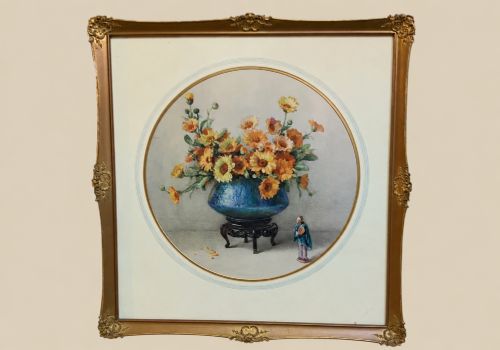
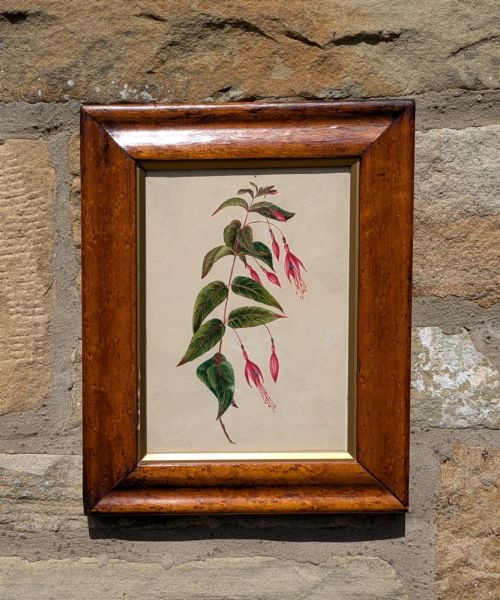
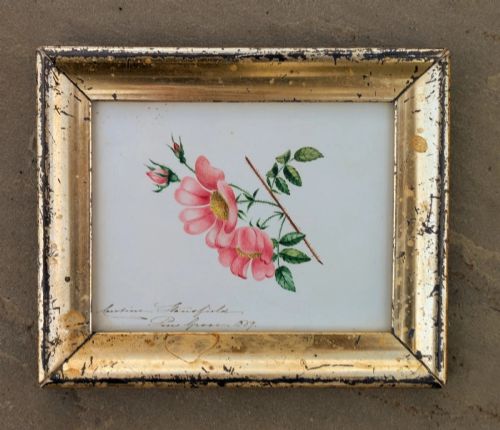
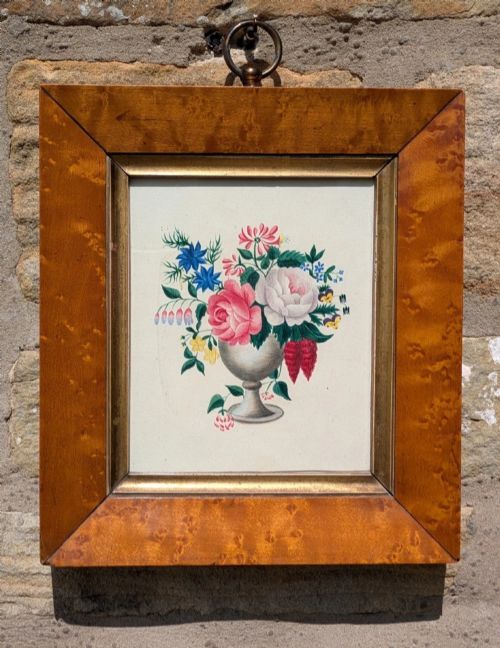
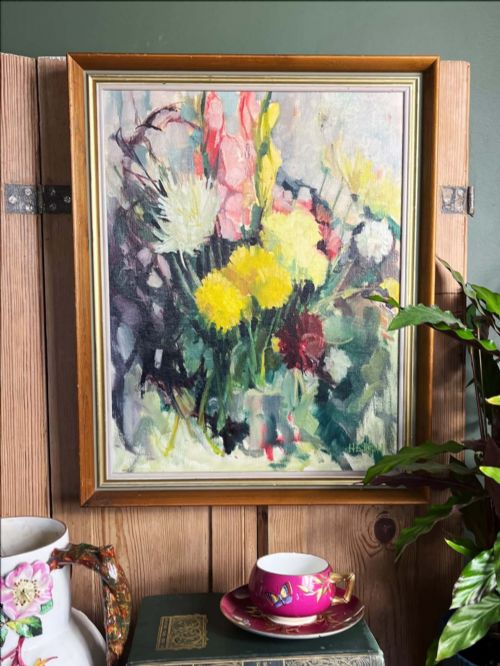
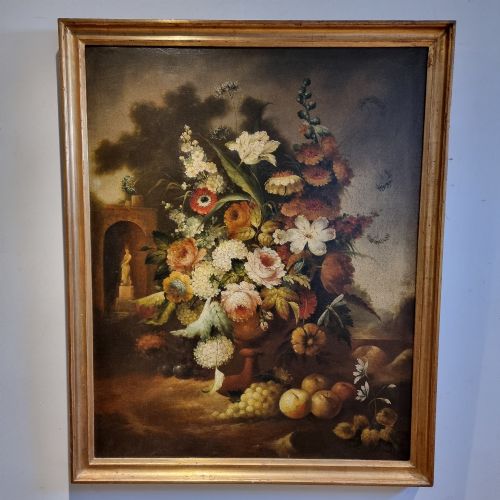
The most frequent examples on this page are mid-nineteenth-century watercolours of individual floral specimens and early-twentieth-century oil paintings depicting abundant vases of summer flowers in period frames.
Makers range from named academic artists working in Britain and on the continent to anonymous botanical draughtsmen producing detailed studies under glass.
Materials and Technique
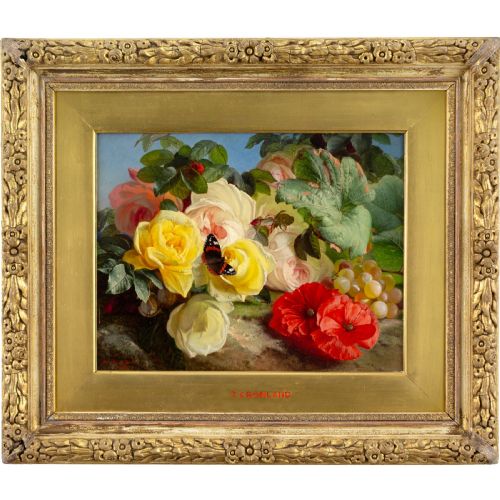
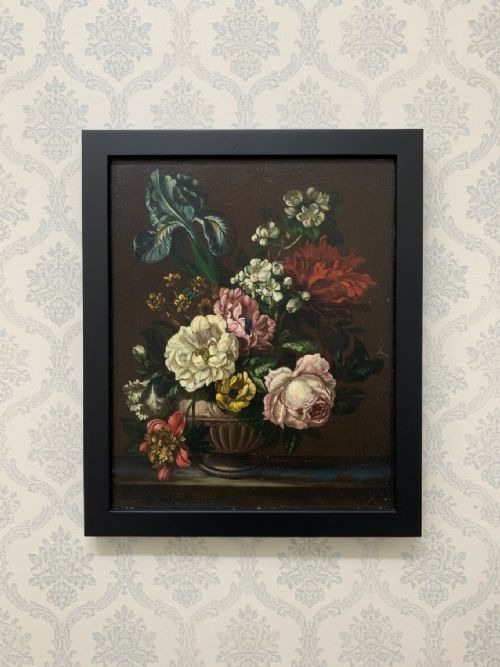
Artists painted these floral subjects primarily with oil paint on canvas or wooden panel, or applied watercolours and gouache to paper.
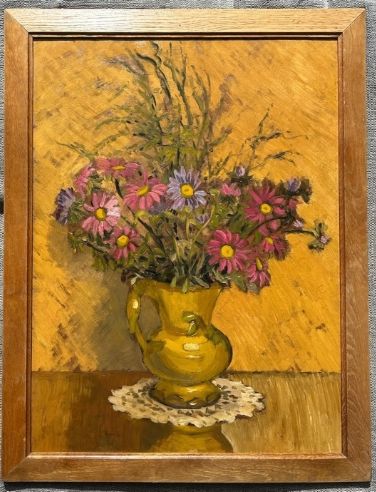
Many works incorporate fine detail through delicate brushwork, whilst others employ impasto techniques to give texture to petals and stems.
The finished paintings and watercolours sit within period surrounds such as timber frames, gilt gesso mouldings, or behind glass alongside cut paper arrangements.
The listings include works utilising oil paint, watercolour, gouache, cut paper, and silk embroidery across wood, canvas, and paper supports.
Distinctions in Quality
The standard of execution lies in the naturalism of the botanical rendering, the handling of light across petals, and the depth achieved within the composition.
Original frames matching the age of the artwork contribute significantly to the integrity and visual weight of the piece.
Theude Grönland·Konstantin Stoitzner·Ernest Arthur Rowe·Edwin Steele·William Watt Milne·Owen Bowen·Alice Anne Renshaw·Gertrude Hayes·Harry Wanless
The Framed Flower Art Glossary
- Gilt Gesso
- A plaster-based material applied to wooden frames and covered with gold leaf. It provides an ornate surface that reflects light around the artwork.
- Impasto
- Paint applied thickly to a canvas or panel so that it stands proud of the surface. This technique creates physical texture in depictions of flower heads.
- Botanical Watercolour
- A detailed painting executed in water-soluble pigments on paper. These works focus on the accurate scientific portrayal of plant species.
- Panel
- A flat wooden board used as a rigid support for oil paintings before stretched canvas became common. Panels often date earlier works.
Framed Flower Art: Frequently Asked Questions
What periods do these floral artworks come from?
The listings span from the early nineteenth century through to the mid-twentieth century, encompassing Victorian, Edwardian, and Regency periods alongside Dutch Golden Age styles.
Individual pieces often bear dates or stylistic markers that place them within specific decades of production.
Are these pieces usually glazed?
Watercolours and works on paper require glass protection to prevent moisture and dust damage to the delicate pigments.
Oil paintings on canvas or panel are typically displayed unglazed to allow the texture of the paint to remain visible.
How should I hang these framed pieces?
Due to the presence of antique wooden frames and gilt finishes, these artworks need secure picture hooks suited to their weight.
Keep them away from direct sunlight and damp walls to preserve the integrity of both the paper or canvas and the original framing.
What subjects feature besides vases of flowers?
Alongside traditional tabletop vases, the selections include garden landscapes, individual botanical specimens, and figurative scenes featuring flowers.
Some examples also utilise cut paper or silk embroidery to depict botanical forms.