

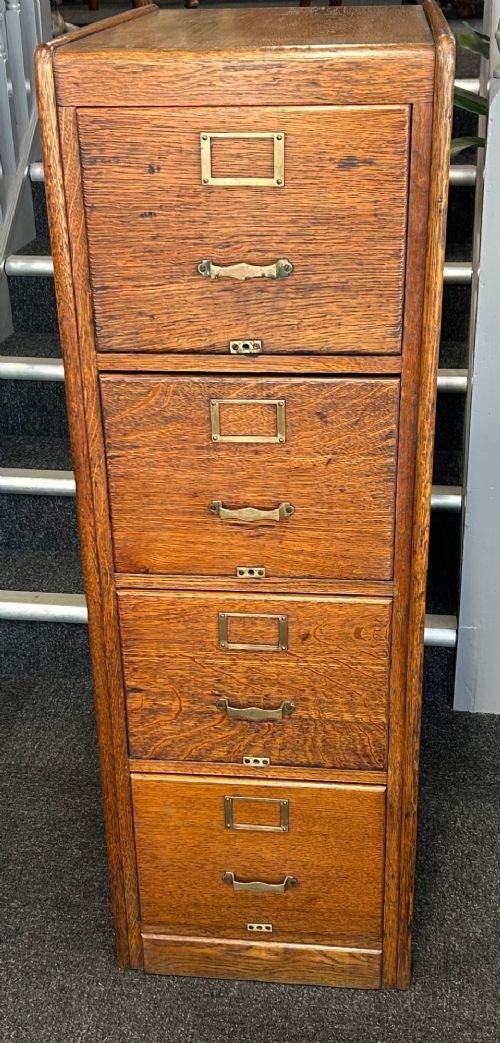
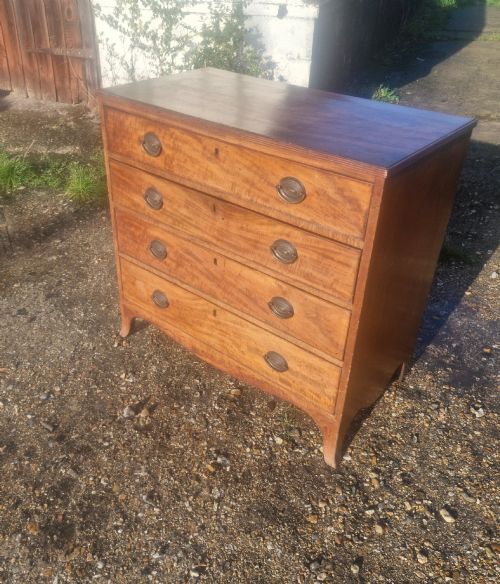
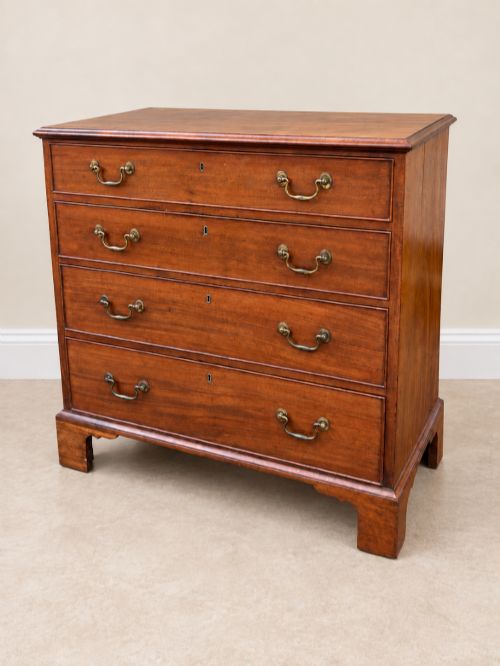
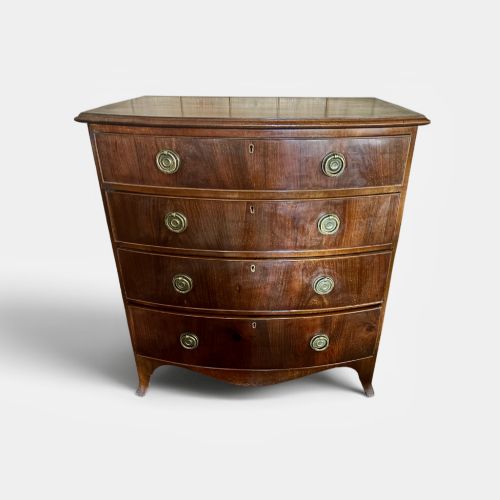
Four Drawer Wooden Chest
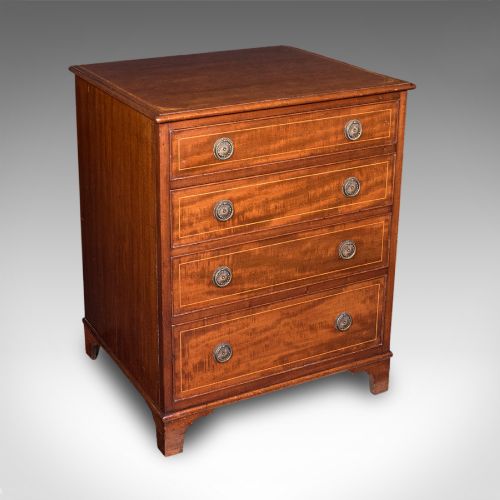
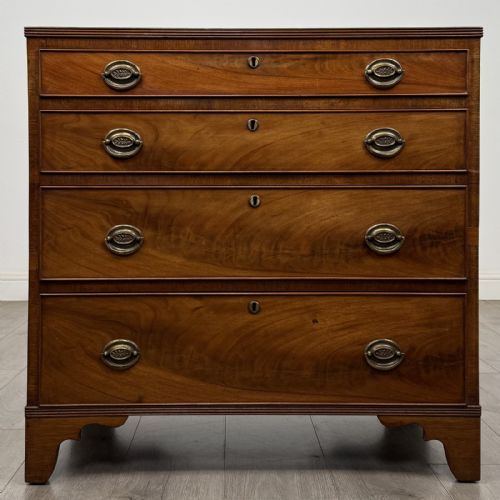
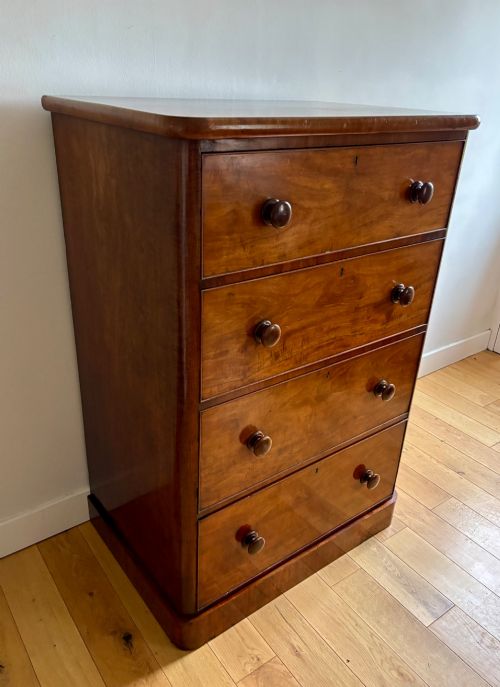
A four drawer wooden chest provides substantial storage while anchoring a room with period timber and proportion.
Four Drawer Wooden Chest
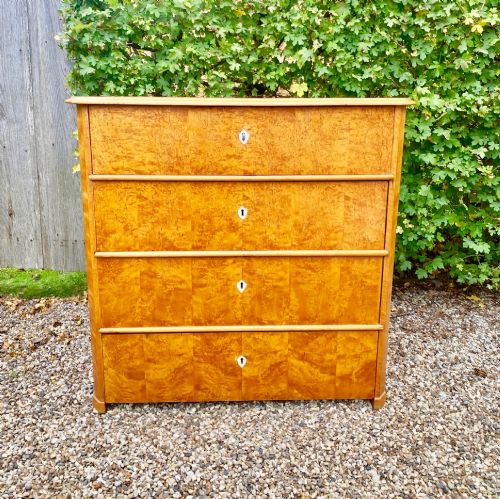
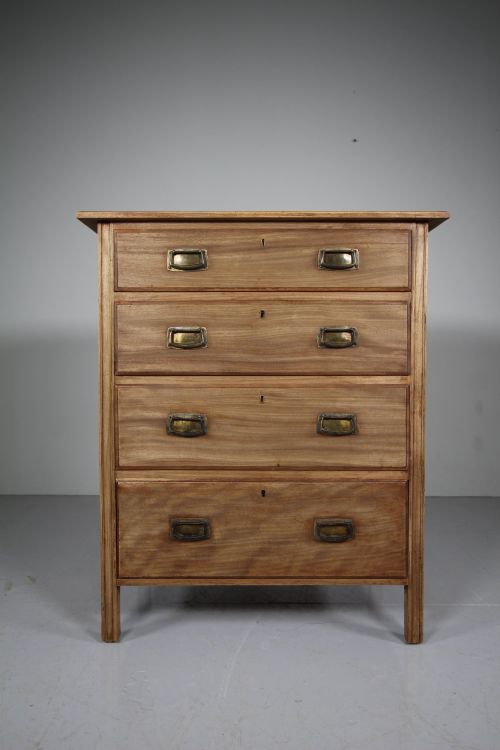
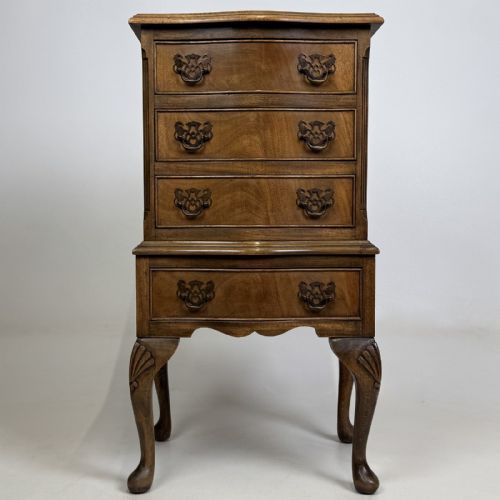
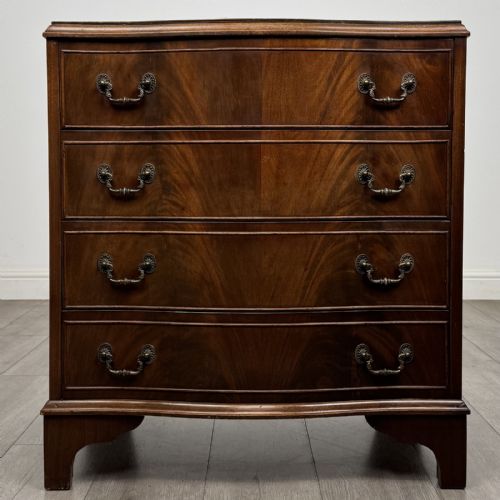
A four drawer wooden chest is a staple domestic storage piece, appearing in forms ranging from full-sized bedroom furniture to compact bedside chests and miniature cabinets. When searching this phrase, buyers encounter examples spanning the eighteenth century through to the art deco period, constructed in regional British, continental, and colonial workshops.
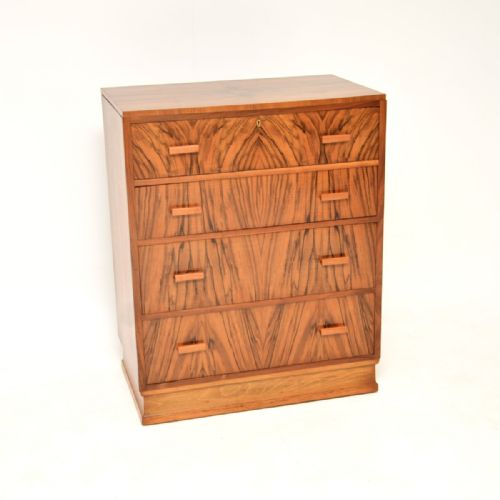
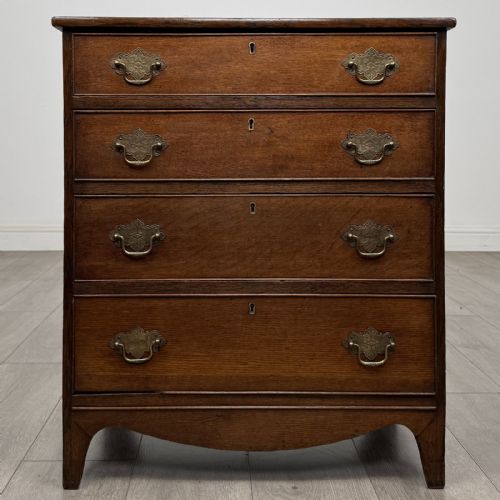
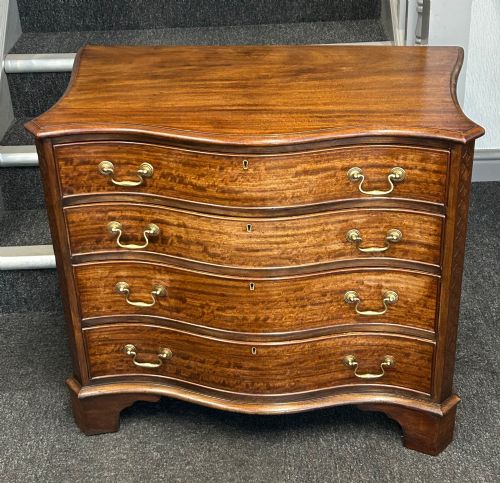
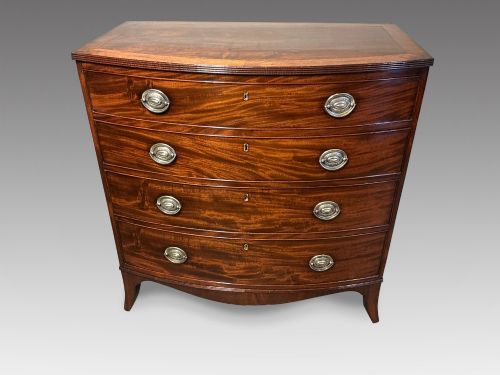
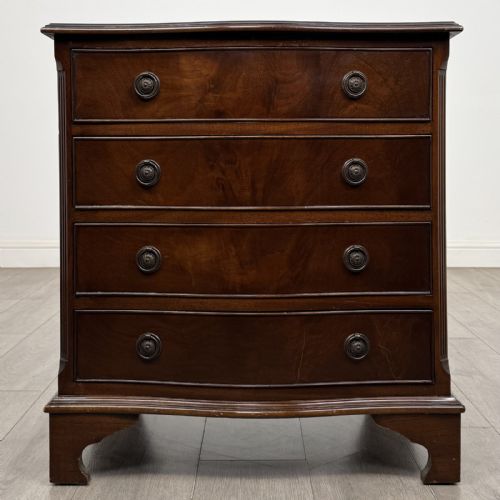
The most common versions on this page are mahogany and walnut pieces from the Georgian, Regency, and Victorian eras, often featuring straight or bow-front profiles. Alongside traditional bedroom chests, the selection includes oak filing cabinets, painted commodes, and ash bedside cabinets that share the same functional four-drawer elevation.
How they were made
Cabinet makers utilised dense hardwoods such as mahogany, walnut, and oak, frequently selecting figured veneers like burr walnut and satinwood for drawer fronts to create visual depth. Pine and secondary timbers were traditionally employed for drawer linings, carcase backs, and internal framing.
Construction relied on traditional joinery techniques, including dovetail joints for drawer construction and panel-in-frame methods for the main carcase. Surfaces were finished with wax, polish, or paint, complemented by brass or original wooden handles and occasional decorative marquetry.
Four Drawer Wooden Chest Retail Price Guide 2026
Typical asking prices for four drawer wooden chest among the pieces listed under this phrase on Sellingantiques today, from the lower quarter to the upper quarter. They describe what is for sale here now, not the wider market.
Listings feature four drawer wooden chests spanning the Georgian, Regency, Victorian, and Edwardian periods, constructed in mahogany, walnut, oak, and pine.
What varies in quality
Quality rests heavily on the selection of timber veneers and the crispness of the cabinet work, particularly around drawer edges and moulding details. Pieces featuring finely figured mahogany or burr walnut paired with neat proportions sit at the higher end of the scale.
The integrity of the construction, the survival of original hardware such as wooden handles or brass pulls, and the subtlety of secondary details like brushing slides or raised galleries distinguish superior examples from standard utility pieces.
Heals·Waring and Gillow
The Four Drawer Wooden Chest Glossary
- Bow front
- A convex curved front profile popular on Georgian and Regency chests that softens the rectangular mass of the furniture.
- Serpentine
- A gently undulating front with a convex centre flanked by concave curves, requiring advanced woodworking skill.
- Brushing slide
- A pull-out shelf integrated above the top drawer, historically used for folding clothes or writing.
- Dovetail
- An interlocking joint utilised at the corners of drawers to ensure structural strength and longevity.
- Marquetry
- Decorative patterns created by fitting different woods and veneers into carved recesses on the surface.
Four Drawer Wooden Chest: Frequently Asked Questions
How do I date a wooden chest?
Dating relies on examining the timber species, construction methods, and secondary woods used inside the drawers. Hand-cut dovetails and native oak linings generally point towards earlier Georgian periods, while machine-cut elements and alternative handles suggest later Victorian or Edwardian manufacture.
Style also offers clear indicators, as proportions shifted from the restrained lines of the eighteenth century to the bolder forms of the Victorian era and the streamlined curves of art deco design.
Where should I place a bedside chest?
Bedside chests function effectively flanking a bed, providing closed storage at a convenient height for lamps and books. Their compact proportions make them versatile enough to serve as small side tables in hallways or living rooms.
Matching pairs offer symmetry in a bedroom, while individual antique chests add character when paired with modern or mixed furnishings.
What is the difference between a chest and a commode?
While both terms describe drawer storage, commode typically refers to continental or French painted pieces with decorative styling. Standard chests generally describe British forms focused primarily on practical timber construction and drawer capacity.
Both share the standard four-drawer elevation but differ in decorative approach and regional vernacular.
How do I care for antique wood?
Protect antique wood by keeping it away from direct heat sources and strong sunlight, which can dry out timber and crack veneers. Regular dusting with a soft, dry cloth maintains the finish without moisture damage.
Occasional application of traditional wax helps nourish the timber and preserve the natural lustre of the surface over time.