


Fluted Leg Chairs
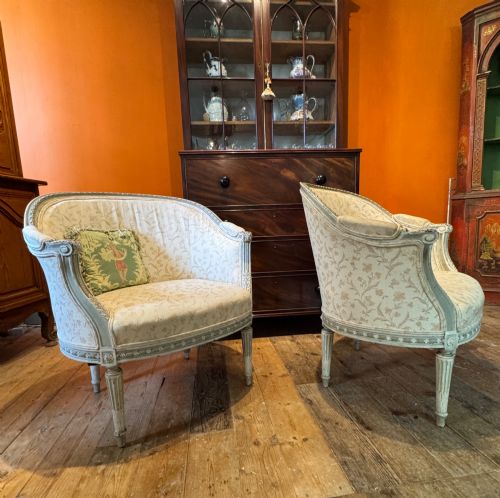
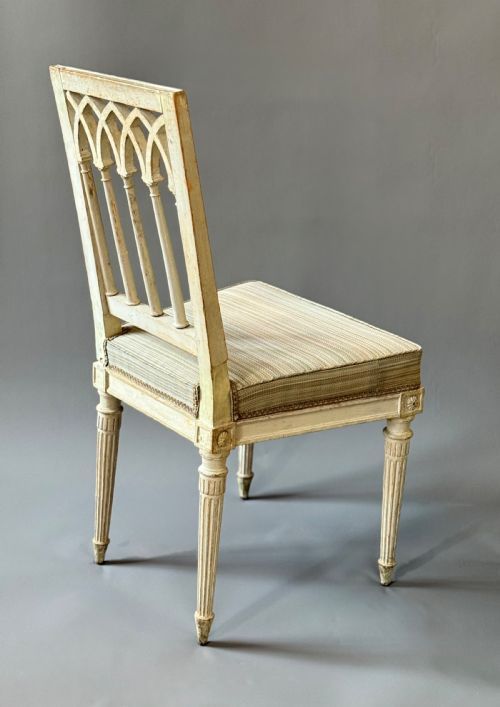
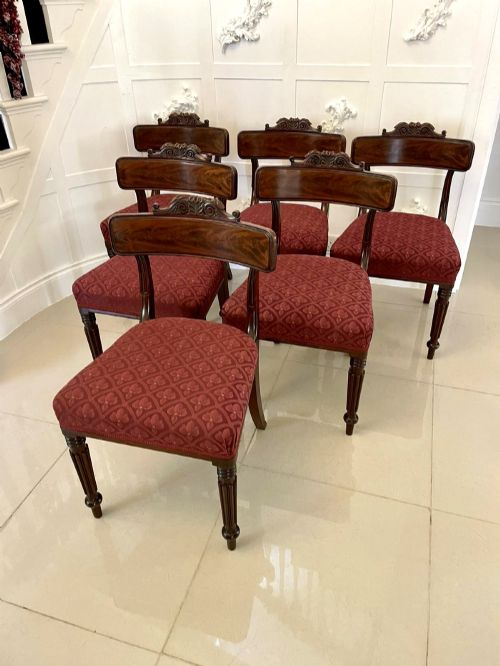
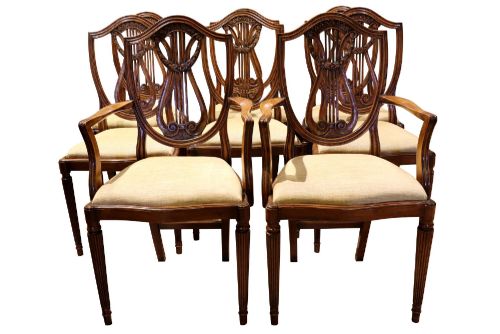
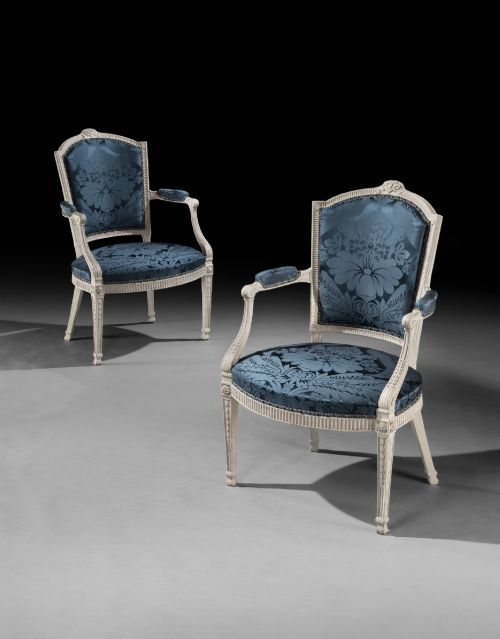
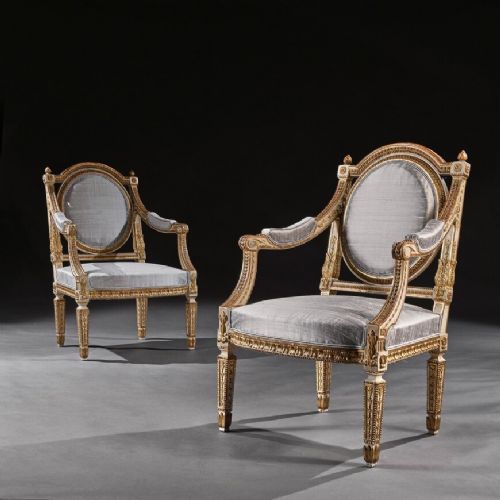
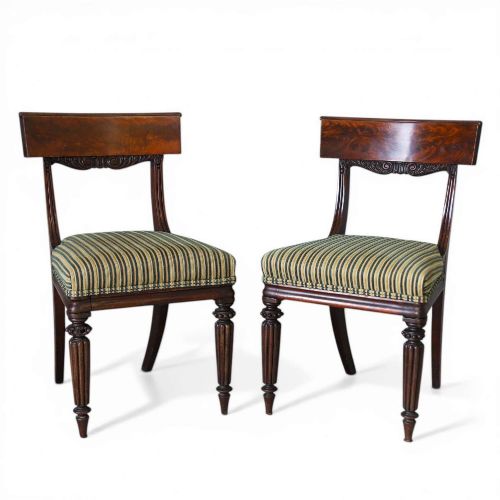
Fluted leg chairs bring classical proportion to dining rooms and salons, offering elegant vertical lines carved into mahogany, beech or giltwood.
Fluted Leg Chairs
When you search for fluted leg chairs, you find seating spanning the eighteenth, nineteenth and early twentieth centuries, drawing on Louis XVI, Regency and Neoclassical styles.
The selection includes dining chairs, armchairs, side chairs and settees, with nineteenth-century examples and Louis XVI style revivals appearing most frequently.
Woods like mahogany and beech dominate alongside painted wood and giltwood finishes, reflecting classical European design traditions.
Materials and construction
Cabinetmakers shaped solid timbers like mahogany, satinwood and rosewood into frames, often applying giltwood or paint finishes over beech.
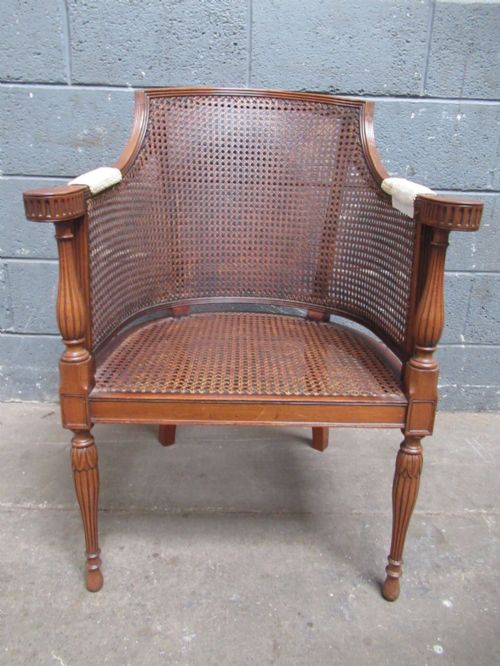
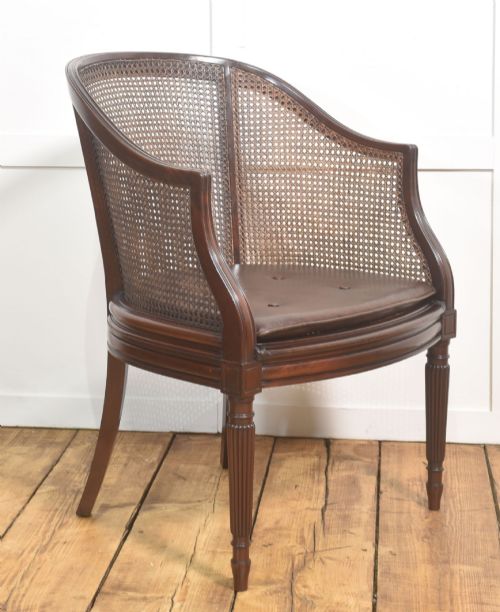
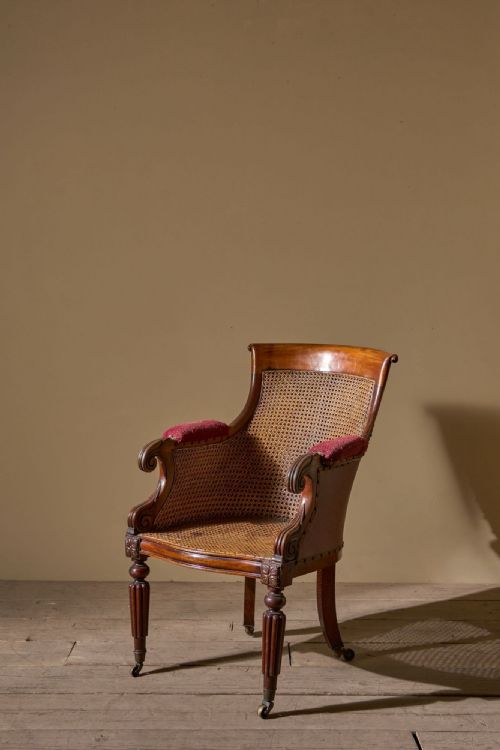
Upholstery relies on traditional textiles, fabric, silk damask and leather, paired with cane panels on tub and library chairs.
Decorative details such as brass fittings and carved fluting require precise hand woodworking techniques across both British and continental workshops.
Listings feature mahogany, beech, satinwood and rosewood frames paired with fabric, leather, cane and silk damask upholstery.
Craftsmanship and condition
The sharpness and depth of the hand-carved fluting distinguish finer frames from softer, later machine-cut interpretations.
Original surface treatments, whether old paint, gilding or polished mahogany, hold greater merit than heavy modern restoration.
The integrity of the structural joinery in the legs and seat rails determines the enduring strength of the piece.
Gillows·Henri Jacob
The Fluted Leg Chairs Glossary
- Fluting
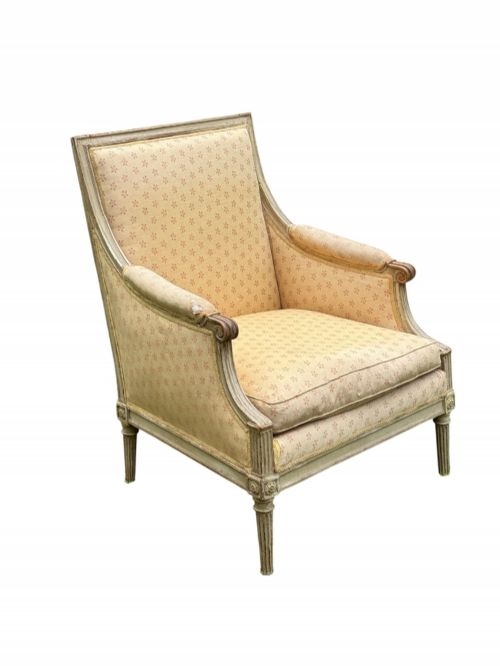
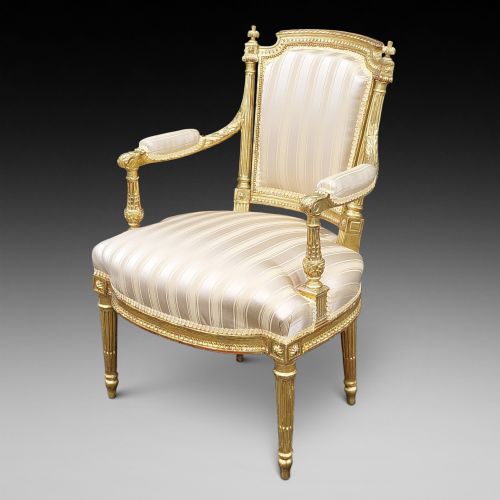
- Vertical parallel grooves carved into the shaft of a leg or column. This classical detail draws the eye downward and creates a sense of ordered rhythm.
- Giltwood
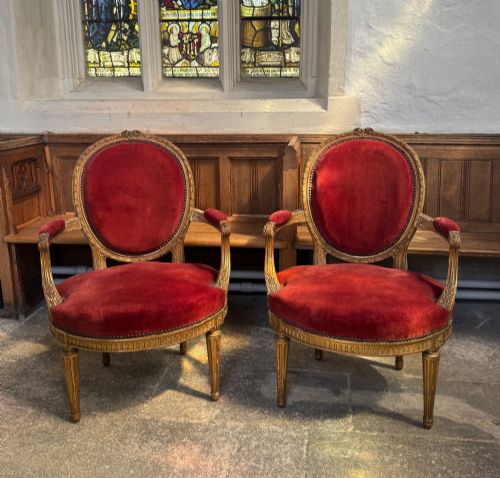
- Timber coated with a thin layer of gold leaf or gilt powder. It provides a bright, reflective surface characteristic of formal French and Neoclassical seating.
- Bergère
- An enclosed upholstered armchair with solid wooden sides and a padded seat. The style originated in France and often incorporates cane work.
- Caning
- Woven rattan material used for seat panels and backrests. It offers flexible support while maintaining a light, airy visual appearance.
Fluted Leg Chairs: Frequently Asked Questions
What periods do fluted leg chairs come from?
The pieces span the eighteenth century through to the early twentieth century, encompassing Georgian, Regency and Victorian eras alongside later revival movements.
French Louis XVI designs and subsequent twentieth-century interpretations also form a large part of the selection.
How do I identify Louis XVI style chairs?
Louis XVI style seating relies on straight lines, geometric forms and classical motifs contrasting with the curved asymmetry of the preceding Louis XV period.
Straight fluted legs, rectangular or oval backs and carved rosette details are primary indicators of this design vocabulary.
Are these chairs suitable for daily dining?
Many dining chairs and side chairs from the nineteenth and early twentieth centuries remain robust enough for regular use.
Sturdiness depends on the original timber construction and the current condition of the frame joints rather than the age alone.
What is the difference between an armchair and a fauteuil?
An armchair is a general term covering various upholstered or wooden seating forms with side supports for the arms.
A fauteuil specifically denotes an open-sided French armchair with exposed wooden framing around the upholstered back and seat.