

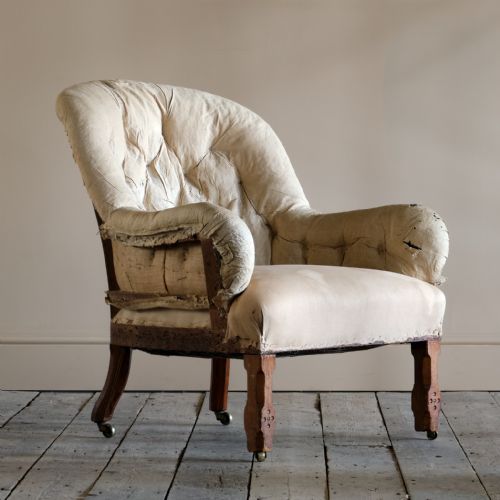


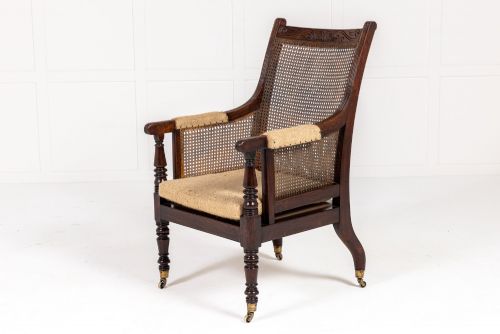


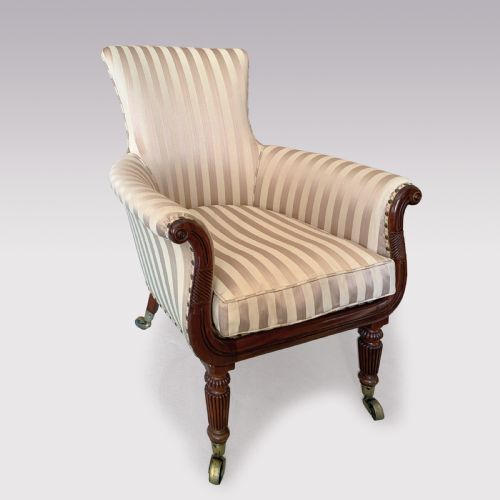

Gillows Library Chairs
Gillows library chairs bring robust Lancaster cabinet-making into workspaces, offering sturdy support through long hours of reading and writing.
Gillows Library Chairs
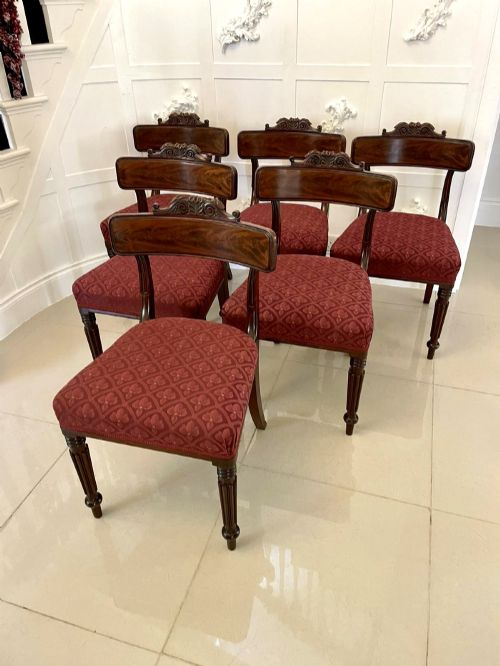
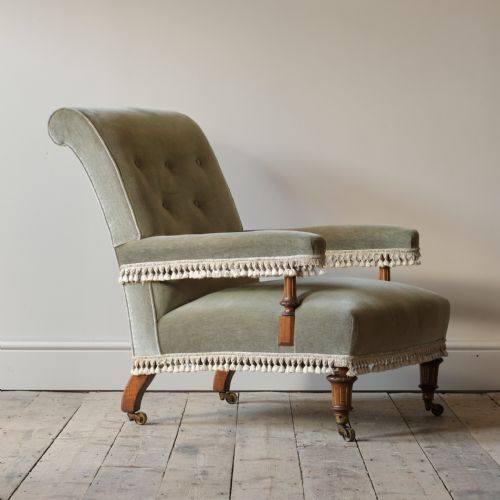
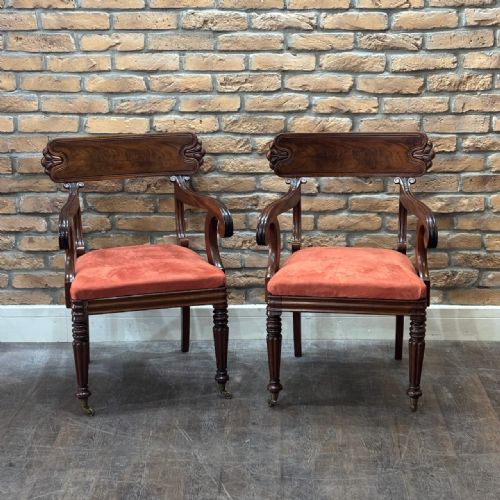
When you search for gillows library chairs, you find heavy timber seating produced by the notable Lancaster firm, spanning the Regency and Victorian eras. The most frequent examples on this page are mahogany armchairs featuring open arms or enclosed bergère sides.
Makers in this tradition built sturdy armchairs and desk chairs designed for study, using mahogany, rosewood, and oak. Pieces span the early nineteenth century through to late Victorian revivals, sometimes incorporating cane or leather.
The inventory includes matched sets of dining chairs alongside single reading seats, reflecting the broad workshop output. Pieces range from straightforward mahogany frames to ebonised or carved designs attributed to specific designers.
Materials and construction
Carpenters constructed these frames primarily in solid mahogany and rosewood, applying turned and carved details by hand. Wood selection focused on dense timber capable of taking weight and repeated use in domestic studies.
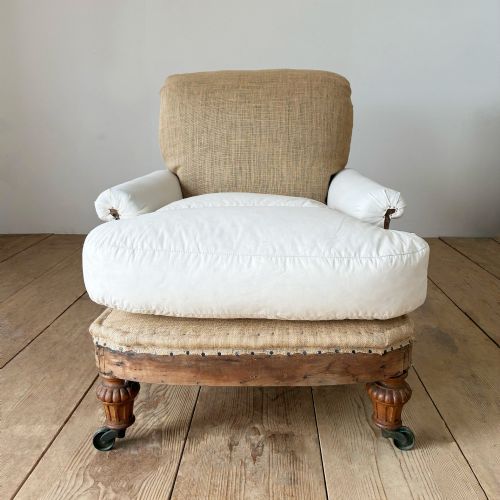
Upholstery methods paired traditional stuffing with leather, velvet, or cane inserts held by brass tacks. Structural support relied on sturdy rails and sturdy X-frame or tub configurations built to withstand daily sitting.
Gentlemen reading late into the night could rely on deep ocean navy blue leathers to hide ink spots.
The markers of finer execution
Superior examples separate themselves through crisply carved woodwork, dense timber grain, and documented workshop stamps or signatures. Lesser pieces rely on simpler turnings and lighter secondary woods.
The integrity of the structural joints and the retention of original leather or cane work dictate the standing of individual chairs. Higher-grade commissions demonstrate precise joinery that remains firm after generations of use.
Gillows·Bruce James Talbert
The Gillows Library Chairs Glossary
- Bergère
- An enclosed armchair with cane panels set into the wooden frame. This form provides a lighter visual weight while maintaining solid back support.
- X-frame
- A chair structure supported by intersecting diagonal wooden members beneath the seat. This form borrows from ancient curule designs to offer extra rigidity.
- Tub chair
- A curved seating form where the back flows continuously into low arms. This shape encloses the sitter for warmth and reading comfort.
- Gainsborough chair
- A wide armchair with an open upholstered back and padded arms on short legs. This proportion suits placement beside desks and tables.
Gillows Library Chairs: Frequently Asked Questions
How do I spot a true Gillows chair?
Look for crisp timber carving, sturdy structural joinery, and workshop stamps where present. Many pieces carry attribution based on distinct construction traits rather than visible signatures.
Compare the proportions and wood choices against documented examples from the Lancaster firm to verify the origin.
Are these chairs comfortable for daily use?
These seats were built for long hours of study, featuring supportive high backs and padded arms. Leather and fabric upholstery options provide a firm yet comfortable surface.
Modern users often place them beside desks or in studies where upright posture is required.
How do I care for leather upholstery?
Keep leather surfaces away from direct sunlight and heat sources to prevent the material from drying out. Apply suitable leather balms periodically to maintain flexibility and colour depth.
Dust the frames regularly with a dry cloth and check the tension of any cane panels.