




Florentine Gilt Wall Mirror
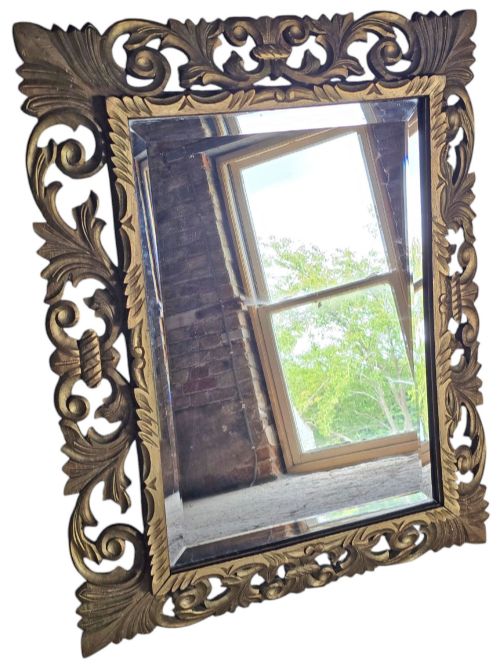
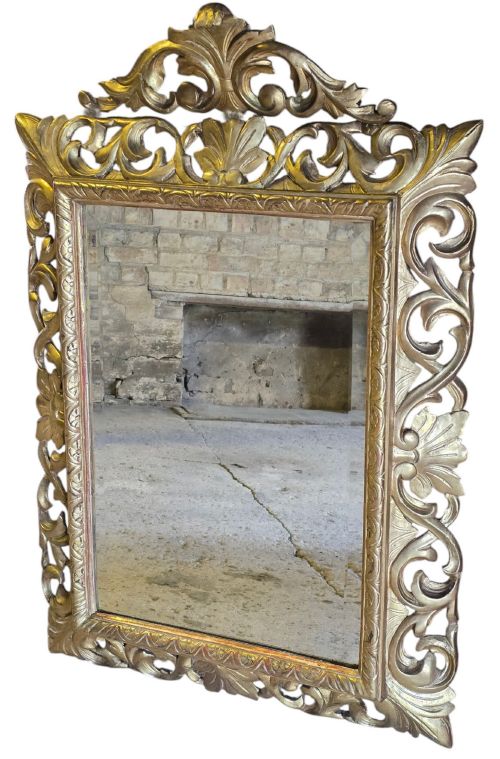
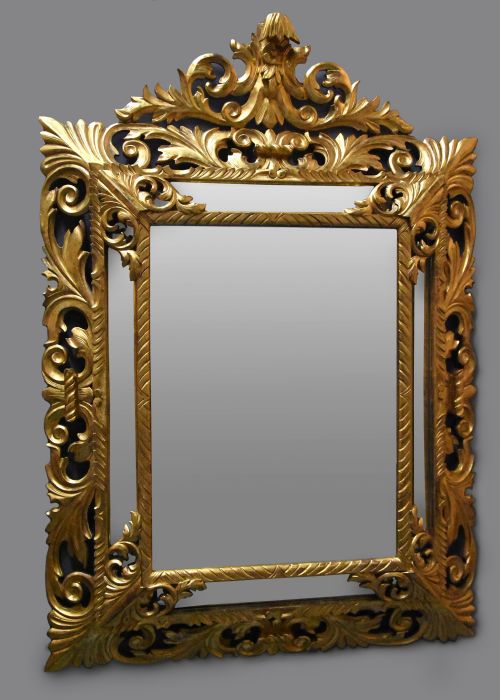
When you search for a florentine gilt wall mirror, you enter a world of carved Italian craftsmanship defined by ornate frames and gleaming leaf.
Florentine Gilt Wall Mirror
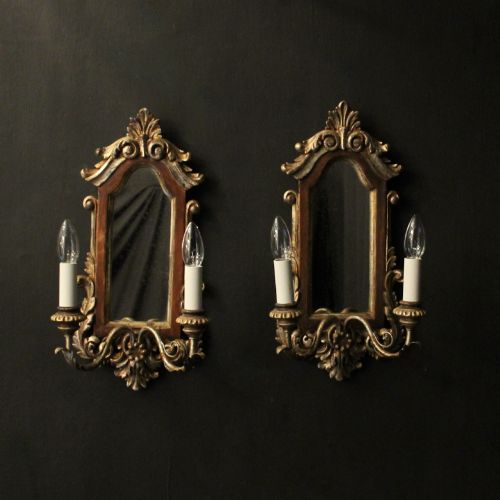
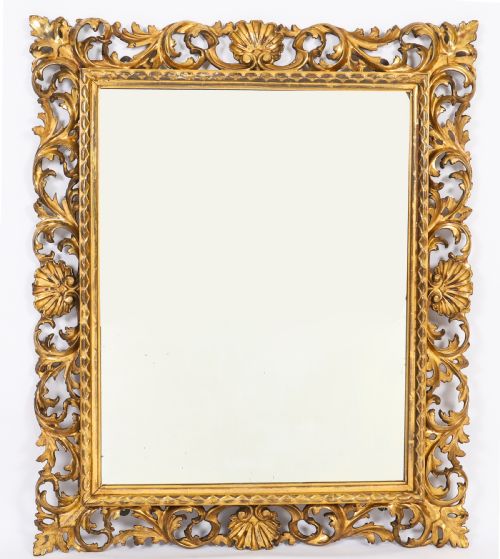
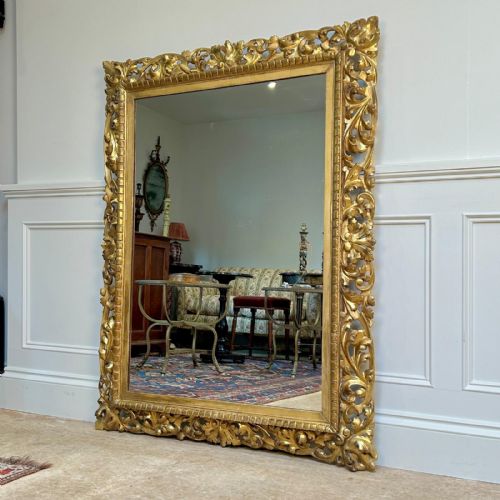
A florentine gilt wall mirror brings centuries of Italian design into domestic spaces, drawing on regional traditions of ornate carving and gilding. These pieces range from substantial overmantles and console mirrors to smaller pier glasses, oval portrait frames, and twin arm girandoles.
The selections available here lean heavily into the nineteenth century, alongside late eighteenth-century examples and twentieth-century revivals. Forms span rectangular formats, cushion frames, and sweeping rococo profiles carved with motifs like fruiting vines.
Originating predominantly from Italian workshops, these works reflect historical revivals spanning the baroque, renaissance, and rococo styles. Buyers encounter everything from modest domestic mirrors to grand statement pieces designed to dominate a room.
How They Were Made
Makers constructed the foundational framework using timber such as wood, applying plaster or gesso layers to build up intricate relief details. Artisans then hand-carved these surfaces into complex scrolls, leaves, and architectural mouldings.
Gold leaf and gilt finishes were applied over the prepared substrates to create a luminous reflective surface. Final assemblies incorporated mirror glass and occasionally hand-painted elements to complete the decorative scheme.
Some frames bear secret nineteenth-century pencil marks on their timber backs, left by carvers who clearly enjoyed a quiet moment.
What Varies in Quality
Depth and precision in the hand-carving separate standard production from exceptional work, particularly in the rendering of delicate foliage and asymmetrical scrolls. Crisp relief work demonstrates superior skill among period artisans.
The application and preservation of the gold leaf layer dictate the visual richness of the surface. Intact gilding with subtle tonal ageing indicates careful historical maintenance compared to heavy modern overpainting.
The Florentine Gilt Wall Mirror Glossary
- Giltwood
- Wood that has been coated with gold leaf or a similar metallic gilt finish. This technique creates a radiant surface that catches interior light.
- Gesso
- A plaster-like mixture applied to wooden frames as a smooth base for carving and gilding. It allows craftsmen to model sharp decorative details before applying gold leaf.
- Girandole
- A branched wall bracket or sconce holding candles, often attached to a mirror frame. These dual-purpose fixtures added illumination to dimly lit historical rooms.
- Overmantle
- A large mirror designed to hang specifically above a fireplace mantelpiece. They anchor the room's main hearth focal point.
- Pier Glass
- A tall mirror traditionally hung on the narrow pier of wall between two windows. They maximised natural daylight in formal nineteenth-century interiors.
Florentine Gilt Wall Mirror: Frequently Asked Questions
How should I clean the antique gilt surface?
Dust the carved frame gently using a soft, dry brush to prevent accumulating dirt in the recesses. Avoid chemical sprays or water, which lift delicate gesso and gold leaf.
Use standard glass cleaner applied to a cloth rather than the mirror surface directly to protect the surrounding antique frame from moisture damage.
What is the difference between baroque and rococo styles?
Baroque designs emphasise symmetry, theatrical scale, and robust architectural gravity. They project formal grandeur suited to state rooms.
Rococo frames introduce asymmetric scrolls, playful naturalism, and lighter, curving lines. This style favours organic movement over rigid symmetry.
Are these mirrors original to the eighteenth century?
Many surviving pieces date from the nineteenth-century revival periods, when workshops eagerly reproduced earlier Italian aesthetics. Examining the backing boards, joinery, and glass helps clarify the exact age.
Labels, stamps, and the physical wear of the gesso underneath the gold leaf provide further clues to dating. Eighteenth-century originals exhibit distinct hand-tool marks and aged material degradation.