

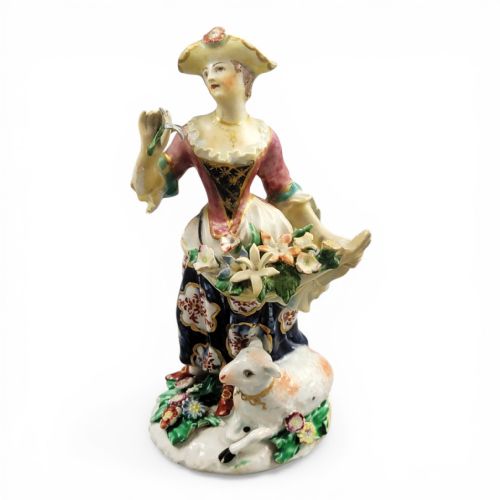




Floral Porcelain Figures
These floral porcelain figures bring the delicate charm of 18th and 19th-century ceramic artistry directly into a room.
Floral Porcelain Figures
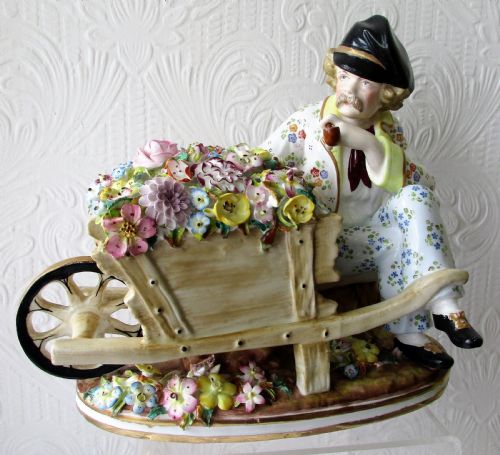
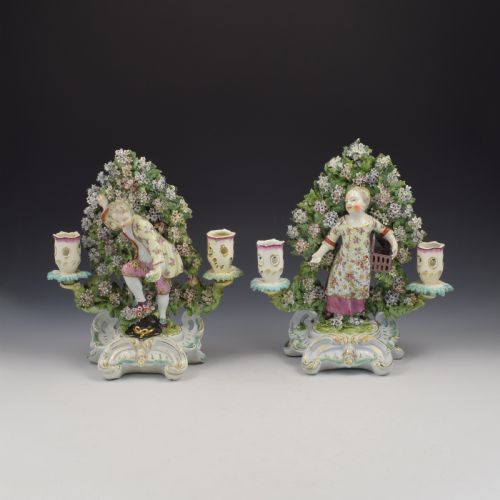
When searching for floral porcelain figures, buyers encounter a delightful array of ceramic forms, ranging from single character figurines and allegorical subjects to elaborate candlesticks and candelabra adorned with applied blossoms. The items available span several periods, with 19th-century continental works and 18th-century English and European pieces appearing frequently.
The selection encompasses figures holding flowers, seated amidst bocage backgrounds of leaves and petals, or arranged on floral bases. English factories like Derby, Bow, and Minton sit alongside continental houses such as Meissen, Sitzendorf, and Samson, Paris.
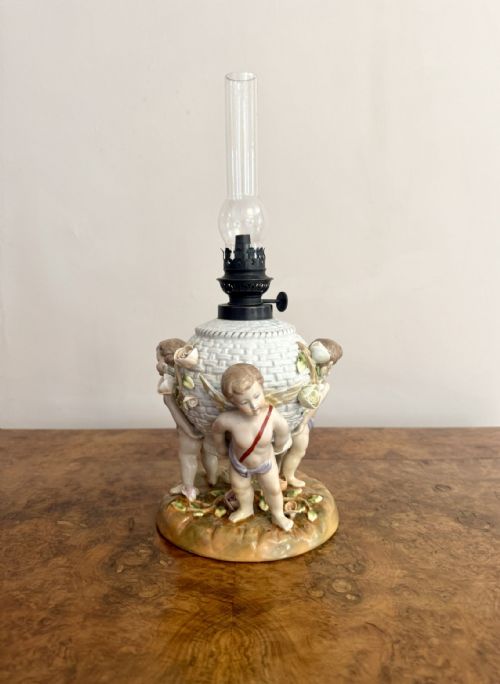
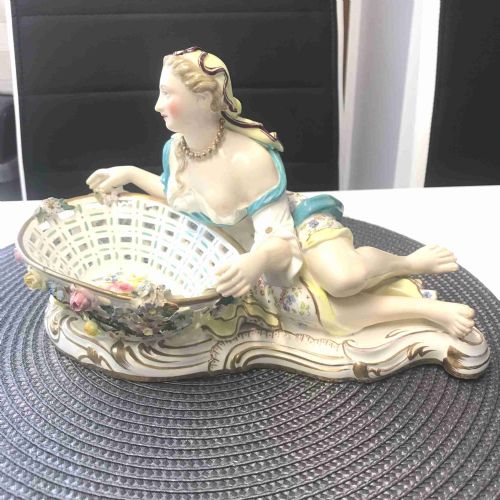
Forms extend beyond standalone ornaments to include sweetmeat dishes, chambersticks, and oil lamps enriched with painted enamels and gilding. These domestic objects reflect the changing tastes of the Georgian, Victorian, and Edwardian eras.
Materials and Construction
Makers utilised hard-paste and soft-paste porcelain, shaping the clay by hand before applying detailed polychrome enamels. Delicate flower petals and leaves were often modelled separately and applied individually to the surfaces.
Gilding and gold leaf highlight the moulded details, whilst some continental pieces incorporate brass or ormolu mounts to support candelabra arms and glass domes.
Several Victorian figures share shelf space with original glass domes designed to protect their fragile porcelain petals from dust.
Assessing Quality and Craftsmanship
The distinction between ordinary and exceptional pieces lies in the crispness of the modelling and the finesse of the hand-painted enamels. Finer figures display intricate detail in the facial expressions and clothing rather than relying solely on mass-produced flourishes.
The preservation of the fragile porcelain foliage and bocage work largely determines the appeal of these ceramics. Pieces retaining their original, unblemished floral elements command greater appreciation from collectors.
John Bevington·Royal Worcester·Royal Berlin·Helena Wolfsohn
The Floral Porcelain Figures Glossary
- Bocage
- An ornamental background of applied porcelain leaves and flowers that surrounds figures in 18th and 19th-century pieces. This decorative foliage creates a rich, garden-like setting.
- Hard-paste porcelain
- A dense, durable ceramic paste fired at high temperatures, composed of kaolin and petuntse. It forms the body of many continental figures.
- Sweetmeat dish
- An elaborate small dish designed for serving confectionery or dried fruits at formal dining tables. These pieces often feature figural supports and painted floral decorations.
- Ormolu
- Gilded bronze mounts applied to porcelain figures and candelabra to add structural support and decorative brilliance. The technique was widely utilised in continental workshops.
- Enamel
- Vitreous coloured paints fused to the porcelain surface during a secondary firing. They provide the rich palette seen on garments and floral motifs.
Floral Porcelain Figures: Frequently Asked Questions
How do I clean antique porcelain figures?
Dust these delicate items gently with a soft, dry brush to protect the fragile applied flowers. Avoid submerging them in water, especially if they feature old repairs or vulnerable gilding.
Water can seep into unglazed areas or weaken historical adhesives. Professional conservation methods should be consulted for thorough cleaning.
Were these figures meant for display?
Most of these ceramic pieces served as decorative ornaments on mantelpieces, side tables, or within cabinet displays. Wealthy households used them to project refinement and taste.
Some objects, such as candelabra and oil lamps, combined decorative appeal with practical illumination. Their intricate floral details turned everyday lighting into a visual spectacle.
What is the difference between Derby and Sitzendorf figures?
Derby porcelain figures typically originate from 18th-century England, featuring soft-paste bodies and characteristic patch marks from the kiln firing. They often display restrained neoclassical or pastoral subjects.
Sitzendorf figures generally date from the 19th-century German revival periods, utilising hard-paste porcelain with exuberant Rococo styling and heavy application of coloured enamels and gilt.
How can I tell an 18th-century piece from a 19th-century copy?
Examination of the paste, glaze texture, and underglaze marks provides the primary clues for dating porcelain. Eighteenth-century pieces often show subtle imperfections and softer glaze characteristics.
Nineteenth-century factories, including revival and continental imitation workshops, produced heavier bodies with brighter, more uniform enamel colours. Expert comparison against factory records helps clarify origins.