
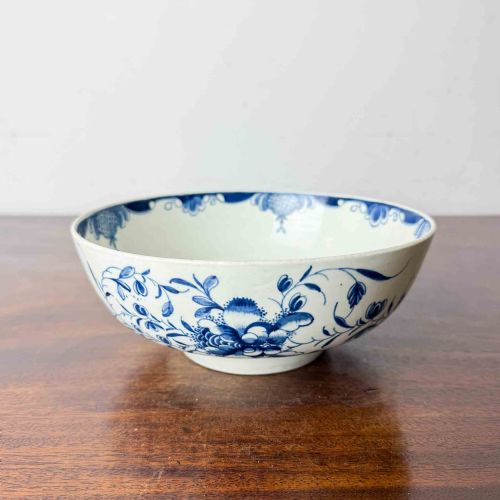
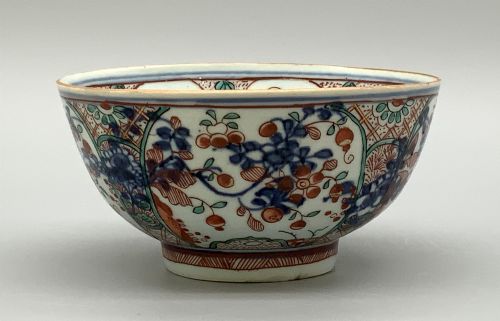
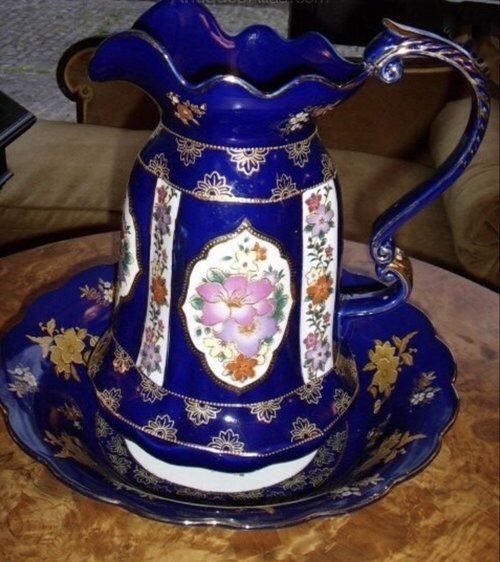
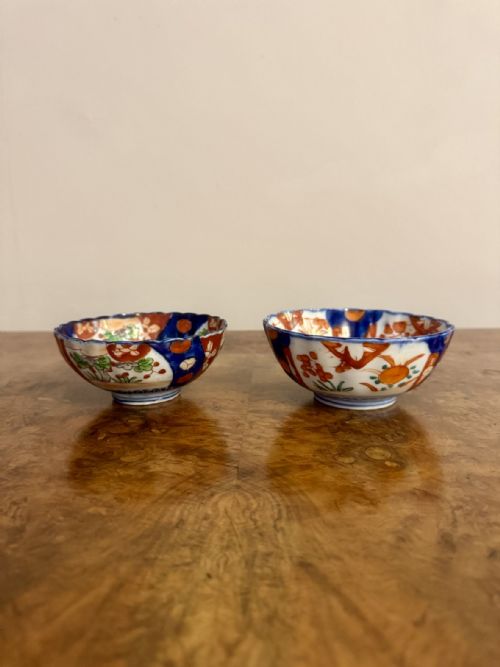


Floral Pattern Porcelain Bowl
These floral pattern porcelain bowl selections bring vibrant botanical decoration to the table, offering a tangible link to centuries of skilled ceramic design.
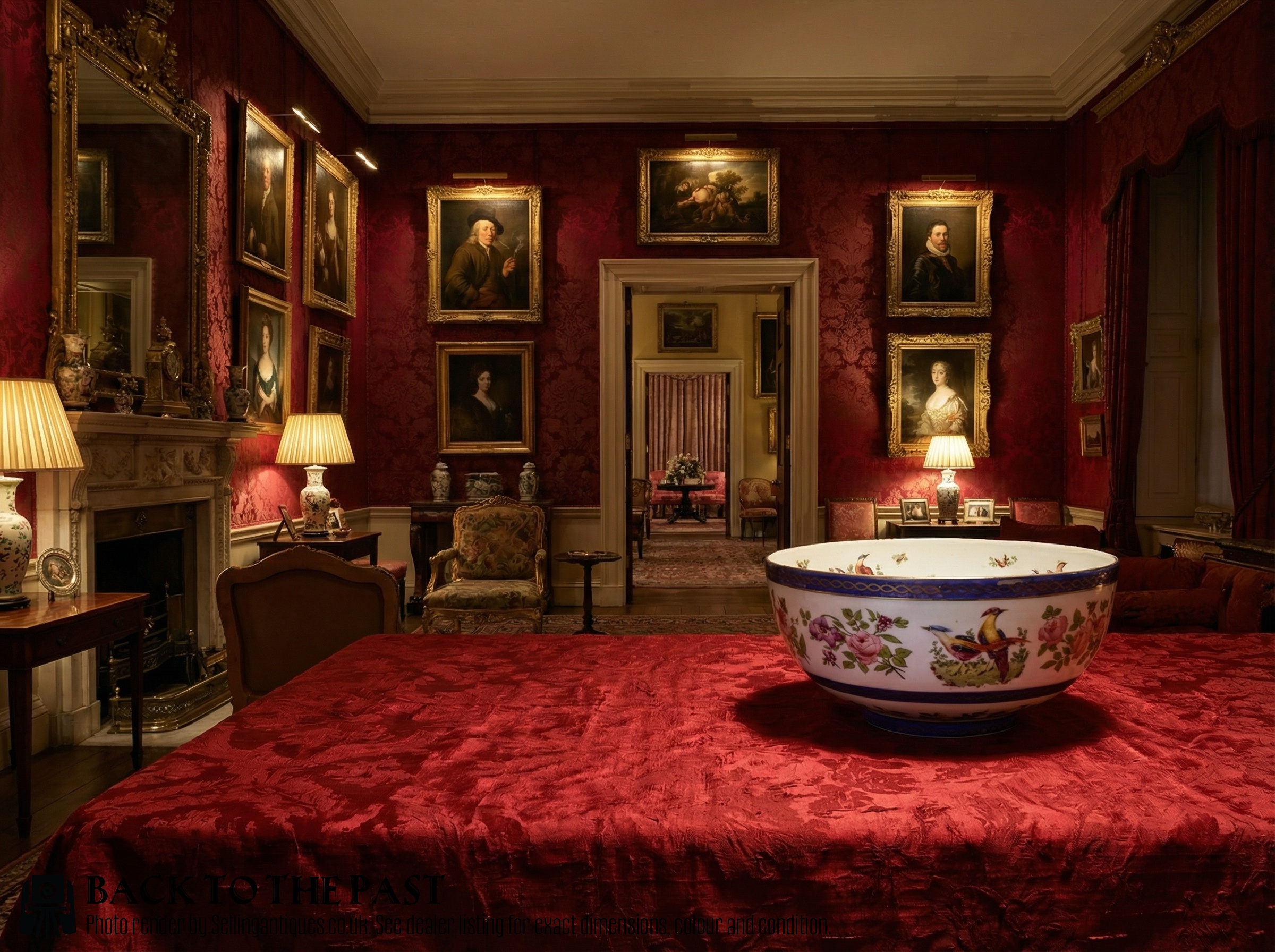
Floral Pattern Porcelain Bowl
A floral pattern porcelain bowl encompasses diverse decorative ceramic forms ranging from compact Japanese Imari vessels and Chinese Kangxi period dishes to substantial English serving pieces. Buyers searching for a floral pattern porcelain bowl will encounter items spanning the 18th century through the Edwardian era, reflecting both domestic utility and display.
How they were made
Makers shaped these pieces from fine porcelain, ironstone, and earthenware before applying cobalt glaze, enamel pigments, and occasionally gold leaf for metallic detailing. Firing techniques fixed these colours beneath or above the glaze, securing pigments to the ceramic surface.
Decoration relied on hand-painted botanical designs or blue and white transfer printing, executed directly onto the ceramic body. Kiln firing transformed the raw clay and glaze mixtures into durable domestic wares.
Some bowls wear pheasants amongst their flowers, giving startled birds a permanent home in the glaze.
What varies in quality
Quality differentiates by the precision of the hand-painted enamels, the clarity of the cobalt glaze, and the crispness of the moulded ceramic form. Finer pieces demonstrate careful brushwork in floral motifs and balanced proportions.
The reputation of the manufactory, such as Worcester, Coalport, or Spode, influences the standing of individual items. Greater refinement in the porcelain body and sophisticated gilding elevate the piece above standard utilitarian wares.
Spode·Coalport·Ridgway·Flight, Barr and Barr·Richard Ginori·Samson·Coalbrookdale
The Floral Pattern Porcelain Bowl Glossary
- Porcelain
- A hard, fine-grained ceramic material fired at high temperatures, known for its white body and translucent quality.
- Sucrier
- A small lidded vessel designed specifically for holding sugar, frequently found in Regency and Victorian tea services.
- Imari
- A style of Japanese export ceramics characterised by a palette of underglaze blue, iron red, and gold leaf.
- Ironstone
- A durable type of heavy earthenware patented in the 19th century as a robust alternative to porcelain.
Floral Pattern Porcelain Bowl: Frequently Asked Questions
How are these bowls cleaned?
Clean these ceramic pieces gently using warm water and mild soap, avoiding harsh scrubbing or abrasive scourers that might damage the enamel or gold leaf.
Dry them thoroughly with a soft cloth to protect the glaze and prevent moisture accumulation on older ironstone or earthenware bodies.
Can I use them daily?
Many of these items were built for daily domestic utility, such as serving food or holding sugar during meals.
Consider the age and delicate nature of antique enamel or porcelain before subjecting older wares to frequent modern usage.
What period are they from?
The pieces span multiple historical eras, including the 18th century, Regency, Victorian, and Edwardian periods.
Stylistic markers and maker marks help assign items to specific decades like 1820 or 1900.
Are the floral designs hand painted?
Decoration methods vary between meticulous hand-painted enamel work and cobalt blue transfer printing.
Closer inspection reveals brush strokes on fine porcelain pieces, whereas printed items show uniform dot patterns under magnification.