


Floral Oriental Bowls
These floral oriental bowls bring centuries of intricate glaze work and hand-painted botanicals directly to the table.
Floral Oriental Bowls
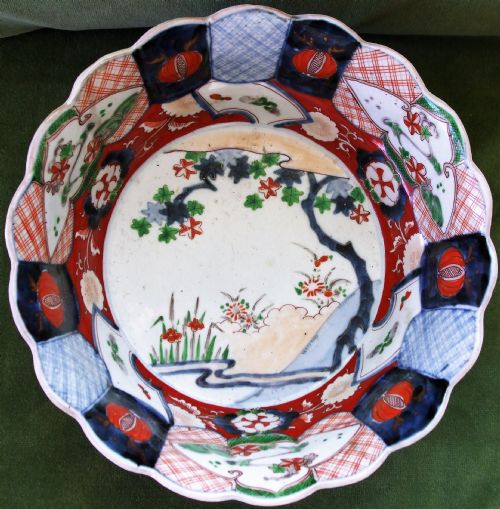
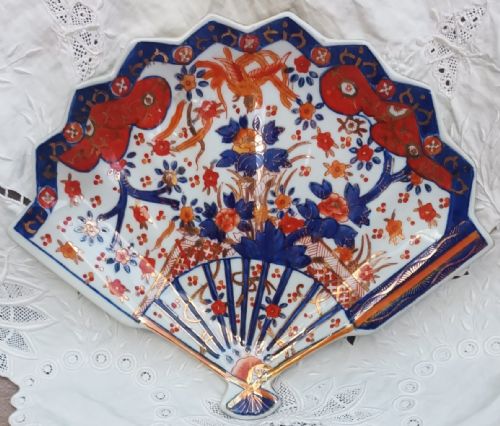
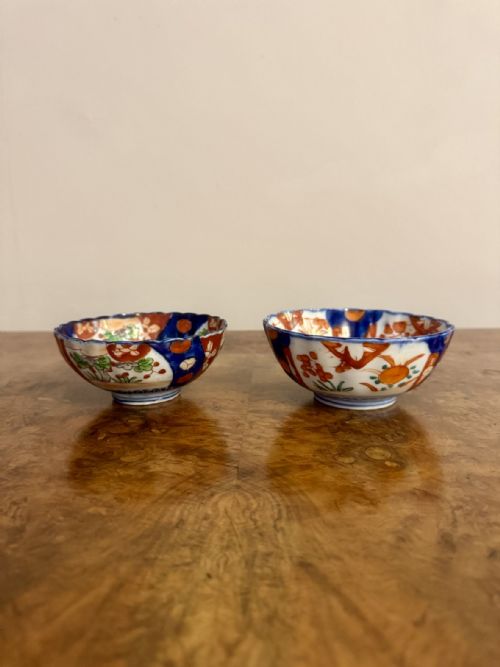
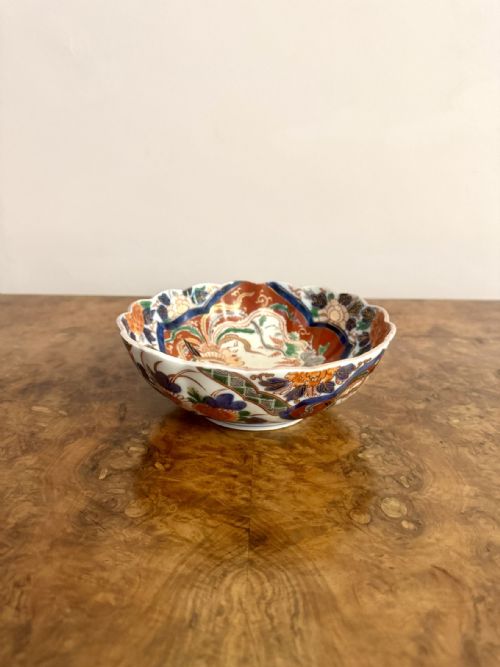
When searching for floral oriental bowls, collectors encounter a diverse range of decorative vessels originating from Chinese and Japanese kilns and workshops. The selection spans centuries of craftsmanship, from early Kangxi period porcelain to Meiji period Satsuma and Imari wares.
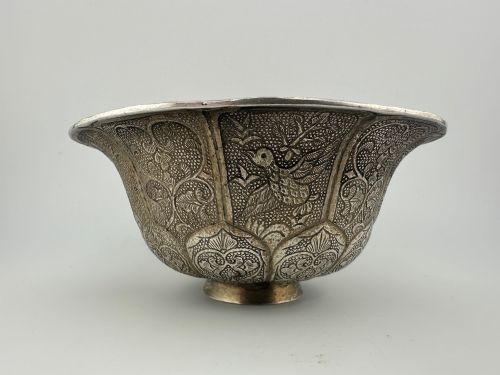
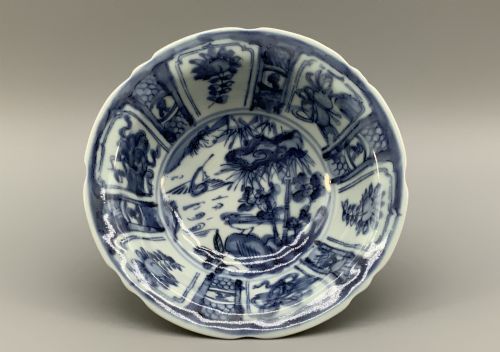
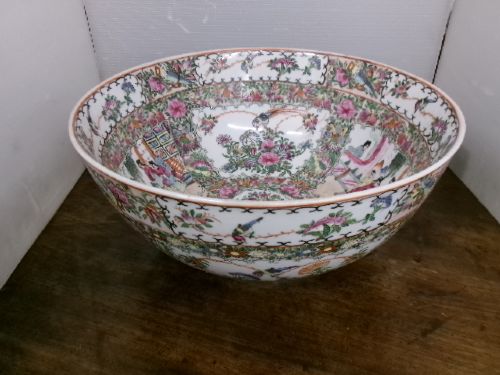
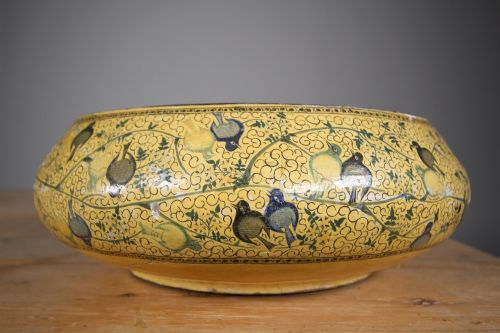
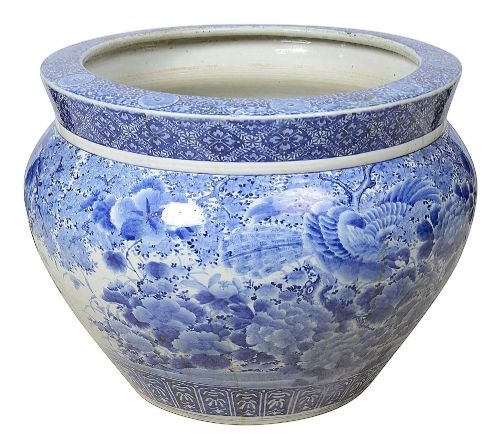
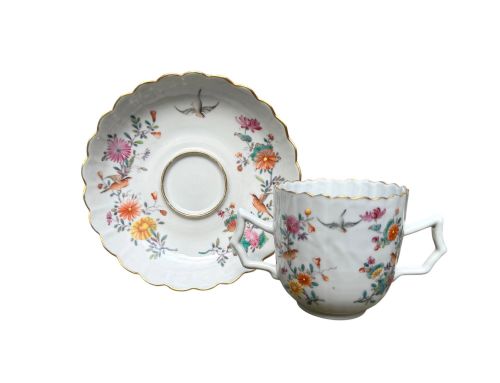
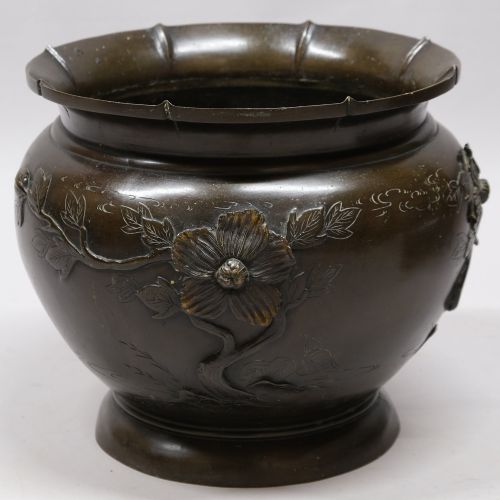
Most pieces on offer take the form of decorative bowls, scalloped display dishes, and larger jardinieres or planters. Makers across these traditions utilised traditional motifs of birds, foliage, and blossoming flowers to decorate porcelain, earthenware, and bronze.
The assortment reflects major historical periods, including Qing dynasty exports and 19th-century Japanese decorative arts. Buyers find both delicate teacups and substantial centrepieces suited for display.
How they were made
Artisans formed these vessels using porcelain, earthenware, and metals such as bronze, copper, and white metal. Porcelain pieces received hand-painted cobalt blue underglazes or polychrome enamels, while others incorporated delicate gold leaf accents.
Cloisonné pieces required soldering fine metal wires to form cells, which craftsmen then filled with coloured enamel paste before firing and polishing. Bronze and brass planters and bowls were cast and finished with patination or intricate surface detailing.
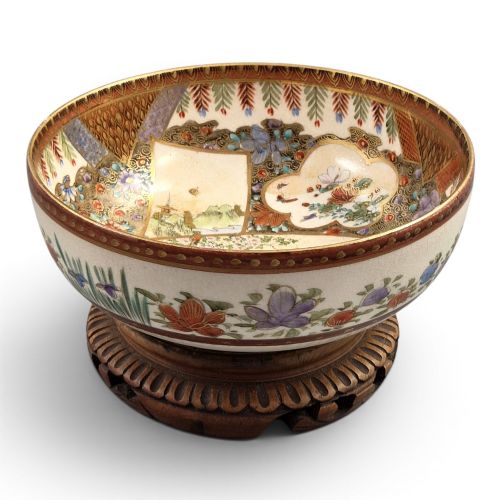
Kutani and Satsuma wares utilised specialised ceramic techniques, building up dense layers of gilt enamel and fine pigments to depict intricate botanical scenes and birds.
Several bowls feature small, observant birds perched among dense thickets of peonies, quietly watching over your coffee table.
What varies in quality
Quality in these bowls rests on the precision of the hand-painting and the depth of the enamel work. Superior examples exhibit crisp brushwork, balanced compositions of floral and avian motifs, and well-preserved gilt details without excessive rubbing.
The refinement of the ceramic body or metal casting dictates the tier of the piece. Thinner, more resonant porcelain with clear glazes and defined foot rims sits higher in the range than heavier, less articulate utility wares.
Signed pieces by recognised makers command attention for their superior execution and distinct artistic hand. The overall state of preservation, particularly concerning the stability of surface enamels and glazes, determines the lasting value of each vessel.
Kozan·Ryuzan
The Floral Oriental Bowls Glossary
- Imari
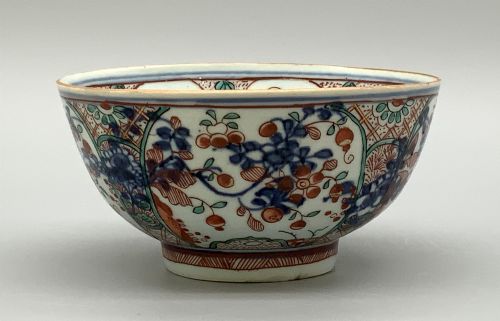
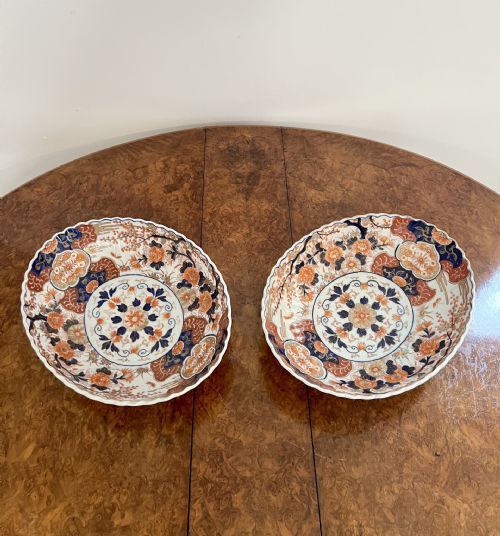
- A style of Japanese porcelain decorated in underglaze blue and overglaze red, green, and gold. It was traditionally produced in the town of Arita and exported widely to Europe.
- Satsuma
- A type of Japanese earthenware featuring a crackled ivory glaze decorated with polychrome enamels and gilding. Pieces often depict dense floral patterns or figural scenes.
- Cloisonné
- An enamelwork technique where metal wires are applied to a metal body to create compartments for enamel pastes. The surface is subsequently fired and polished smooth.
- Celadon
- A term for ceramics denoting a pale green glaze resembling jade. It was developed in China and prized for its subtle tone and crackled texture.
- Jardiniere
- A large ornamental pot or bowl designed to hold plants or flowers. They appear in ceramic, bronze, and cloisonné across various periods.
- Kangxi
- A significant period of Chinese porcelain production under the Qing dynasty noted for technical brilliance and vibrant blue and white glazes.
Floral Oriental Bowls: Frequently Asked Questions
How do I care for antique floral oriental bowls?
Wash ceramic and porcelain pieces gently by hand using lukewarm water and mild soap, avoiding harsh scrubbing brushes or ultrasonic cleaners.
Keep metal and cloisonné vessels away from excessive moisture and direct sunlight to protect surface patinas and delicate enamel work.
Were these bowls used for food or display?
Many larger vessels and delicate enamel pieces served strictly as decorative centrepieces, desk pots, or planters rather than tableware.
Smaller bowls and cups saw functional use for tea and dining, though surviving antique examples are typically reserved for display.
How do I distinguish Imari from Satsuma ware?
Imari pieces are made of hard porcelain and feature a palette dominated by cobalt blue, iron red, and gold on a white ground.
Satsuma pieces consist of cream-coloured earthenware with a fine network of crackles in the glaze, decorated with dense enamel and gilt floral patterns.
What is Chinese export porcelain?
This refers to ceramic wares manufactured in China specifically for the European and American markets from the 16th through the 19th centuries.
The designs often combined traditional Chinese forms and motifs with shapes requested by Western buyers.