


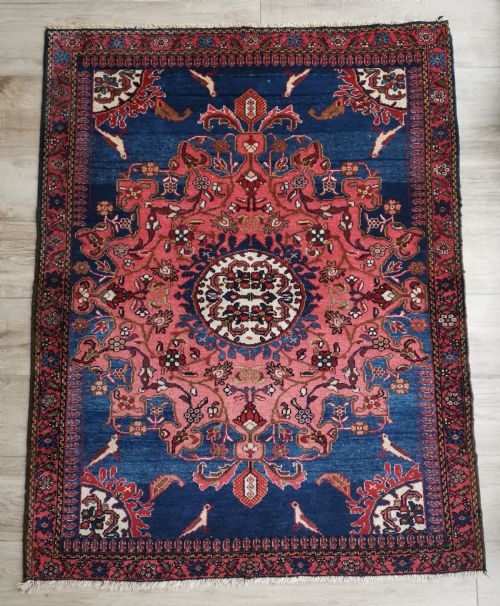
Floral Motif Wool Rug
A floral motif wool rug brings centuries of botanical artistry straight to the floor, offering warmth, intricate pattern, and enduring textile heritage.
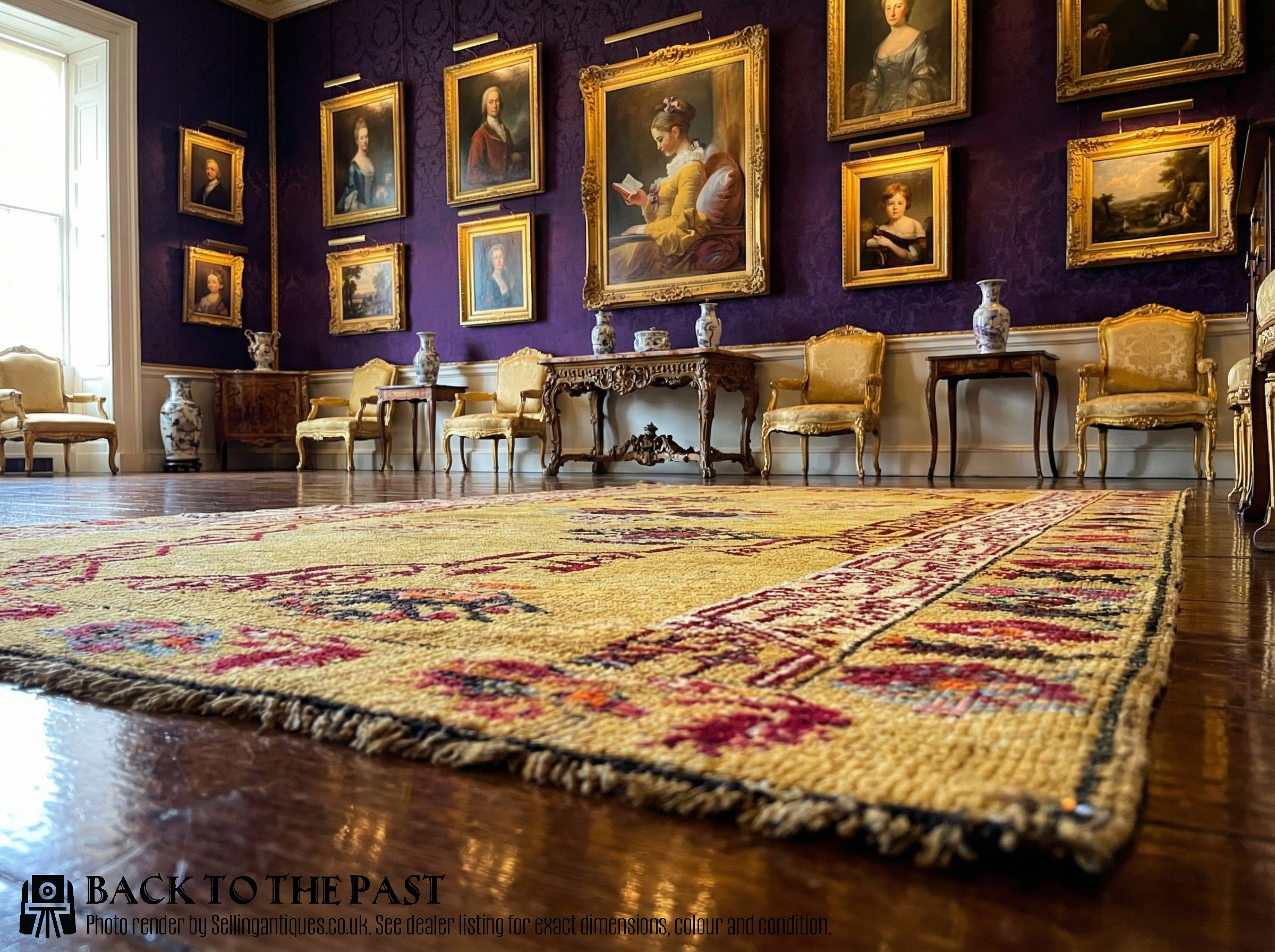
Floral Motif Wool Rug
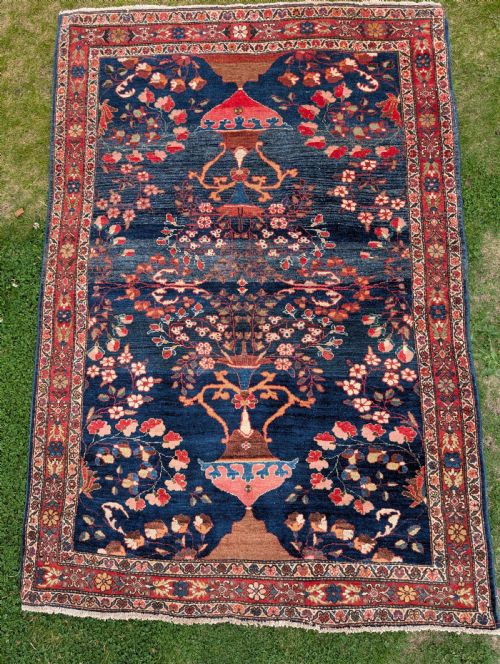
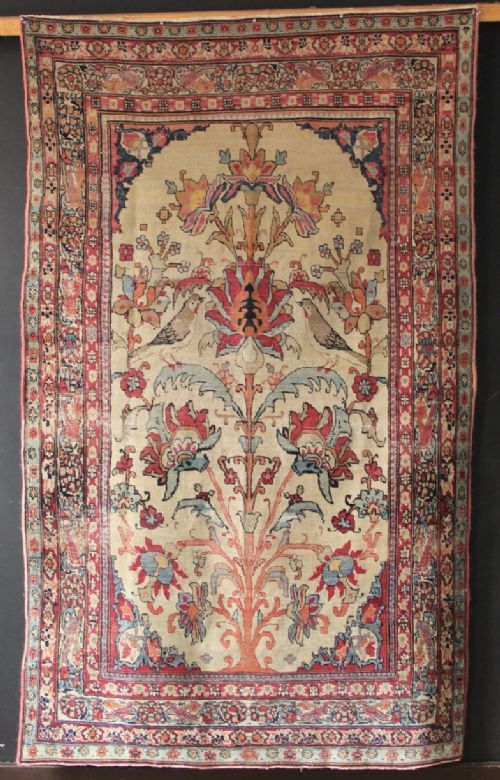
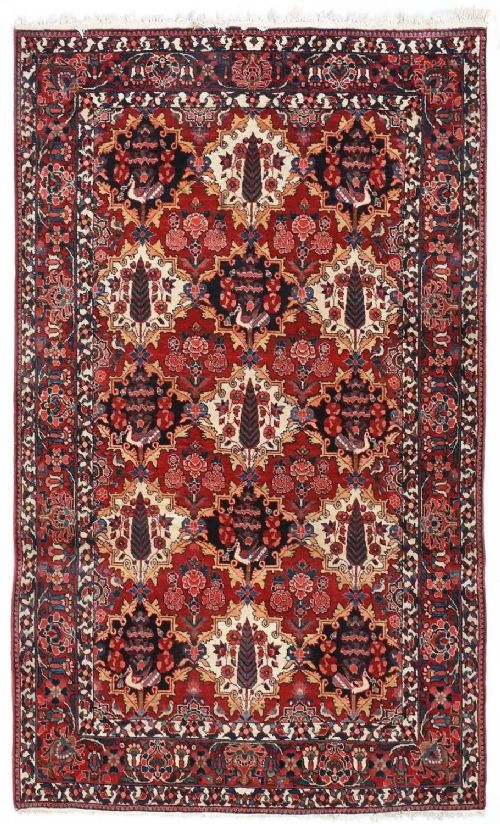
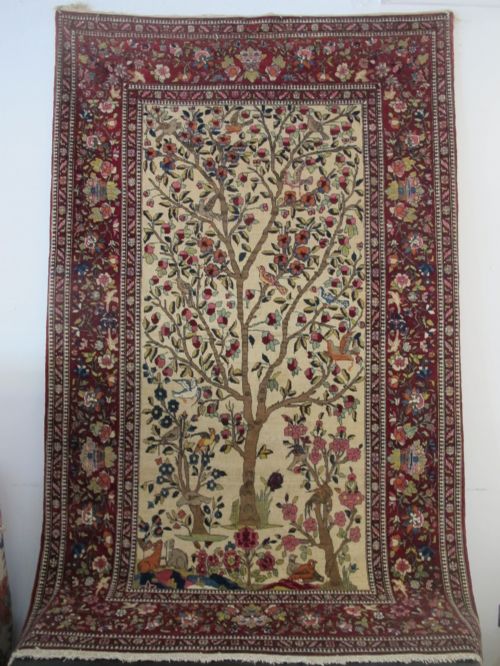
When you search for a floral motif wool rug, you encounter hand-knotted and flatwoven carpets hailing primarily from Persia and Europe, dating from the late nineteenth century into the early decades of the twentieth century. These textile works range from compact area rugs and runners to large carpets designed to anchor expansive rooms.
The most common versions met on this page include Persian regional weaves such as Kashan, Kirman, Isfahan, and Bakhtiari, alongside European flatweaves like Bessarabian kilims and Portuguese needlepoints. Each piece displays distinct floral medallions, trailing vines, or repeating boteh patterns rooted in traditional design vocabularies.
Materials and construction methods
These textiles rely predominantly on wool foundations and surface piles, occasionally incorporating cotton for warp and weft stability or canvas and silk for specific needlework and flatweave structures. Natural animal and plant fibres provide the tensile strength needed to endure heavy foot traffic while maintaining supple drape.
Weavers utilised intricate hand-knotting techniques or flatweaving methods like kilim construction, building dense colour fields and complex botanical motifs thread by thread. The resulting density of the weave directly influences how sharply the floral outlines and vine work resolve against the ground colour.
The inventory encompasses Persian, Bessarabian, Iberian, and Chinese stylistic traditions.
Factors of craftsmanship and distinction
The upper tier of these textiles reveals itself through precision in knot density and the crisp definition of botanical forms, whereas lesser examples show blurred transitions and irregular symmetry. Superior pieces maintain structural integrity across large expanses without warping or buckling along the borders.
An advanced specimen displays depth in the dye palette and harmonious colour saturation across wool and cotton yarns. The complexity of the floral layout and the fidelity of regional stylistic markers separate standard utility floor coverings from master-weaver workshop productions.
Mohtasham Kashan·Kirman Lavar
The Floral Motif Wool Rug Glossary
- Boteh
- A stylised almond-shaped or paisley motif representing a floral spray, cypress tree, or flame. It appears frequently in Persian regional rugs.
- Kilim
- A flatwoven textile produced by tightly interweaving warp and weft strands without creating a pile. Bessarabian examples often employ this technique.
- Medallion
- A large central ornamental design motif placed in the middle of the carpet field. Many nineteenth-century carpets build their floral geometry around this focal point.
- Warp
- The vertical threads stretched lengthwise on a loom that form the foundational skeleton of the rug. Weft threads are passed horizontally across these structural elements.
Floral Motif Wool Rug: Frequently Asked Questions
How do I clean a wool rug?
Professional specialist cleaning is the safest method for antique wool textiles, as household detergents can strip natural lanolin and cause dye bleeding.
Regular gentle suction without a rotating brush helps remove embedded dust from the wool pile without damaging the foundational weave.
Where should I place these rugs?
These pieces suit low-traffic drawing rooms, studies, and bedrooms where direct sunlight and excessive moisture remain minimal.
Using a quality underlay prevents slipping and cushions the wool fibres against hard flooring surfaces.
How do I date a carpet?
Stylistic indicators, regional weaving signatures, and the type of wool or cotton materials provide clues to the period of origin.
Comparing knot structure and border motifs against documented regional examples helps narrow down the decade of production.
What is a kilim rug?
A kilim is a flatwoven carpet lacking a raised pile, created by tightly interlocking different coloured weft threads over a warp grid.
These rugs offer a lighter, thinner profile than knotted carpets while still featuring elaborate geometric and floral motifs.