

Floral Hand Painted Vessel
A floral hand painted vessel brings botanical colour and painterly detail into a room through ceramics and glass made across the nineteenth and twentieth centuries.
Floral Hand Painted Vessel
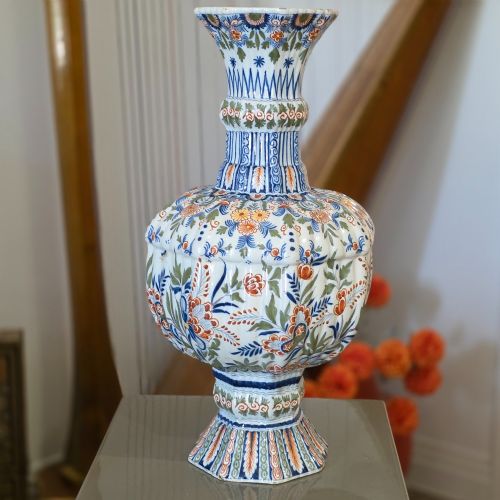
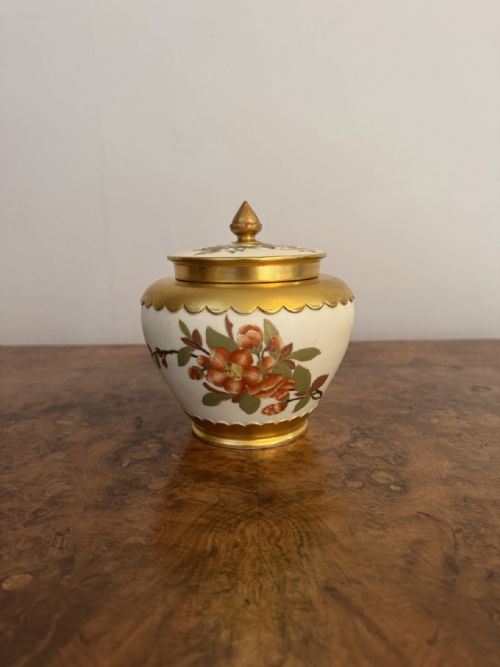
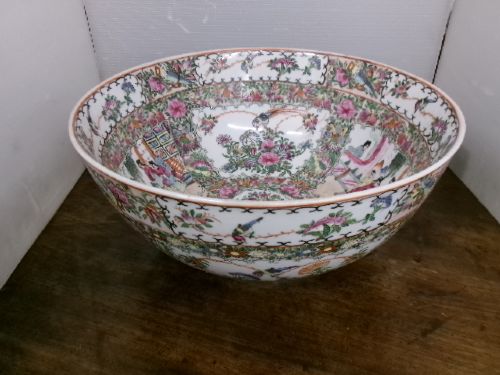
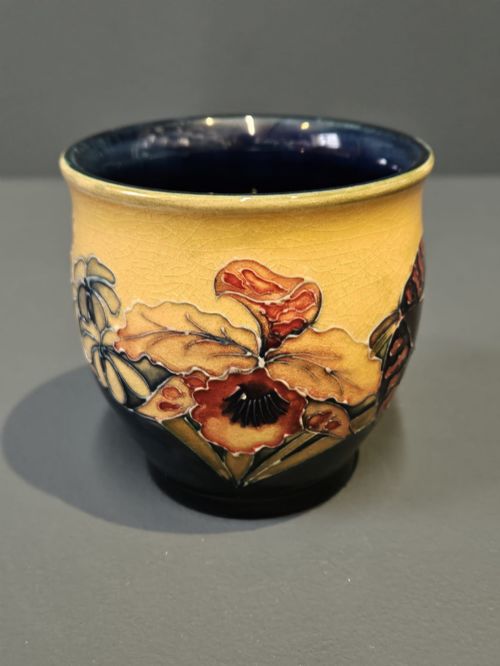
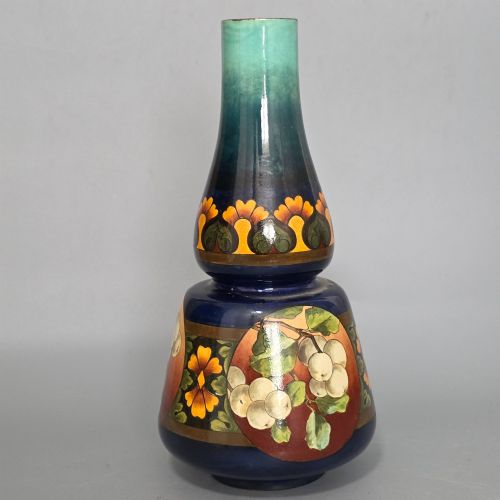
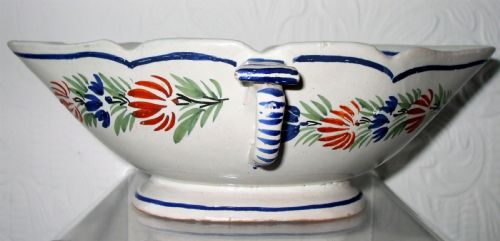
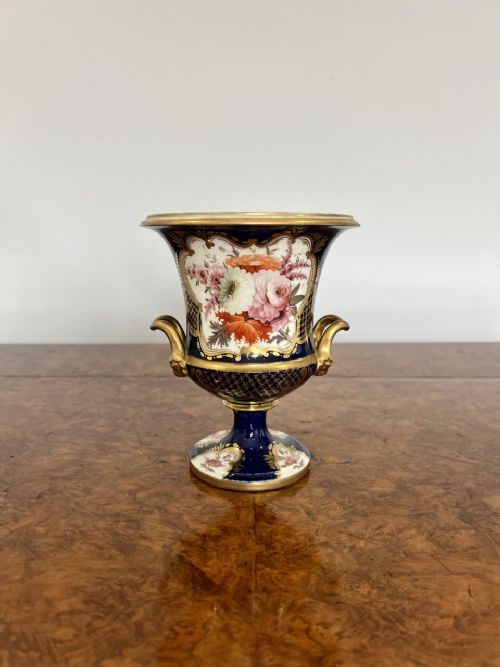
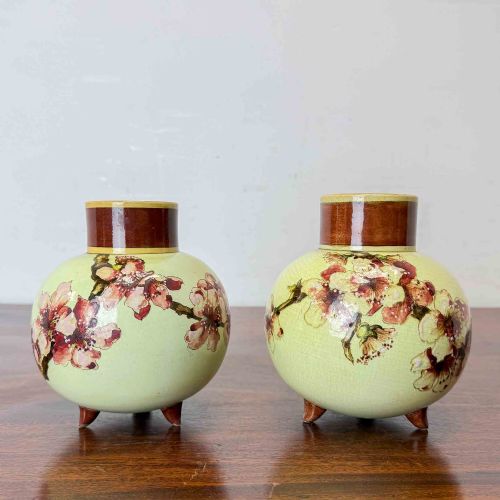
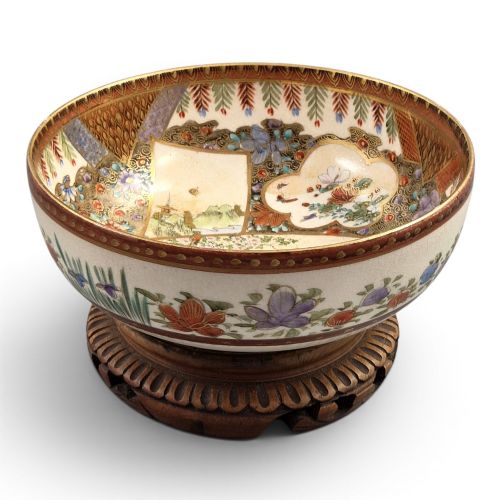
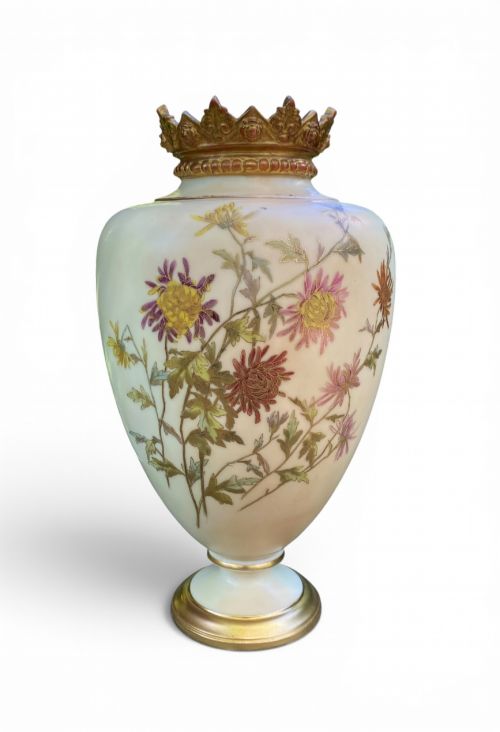
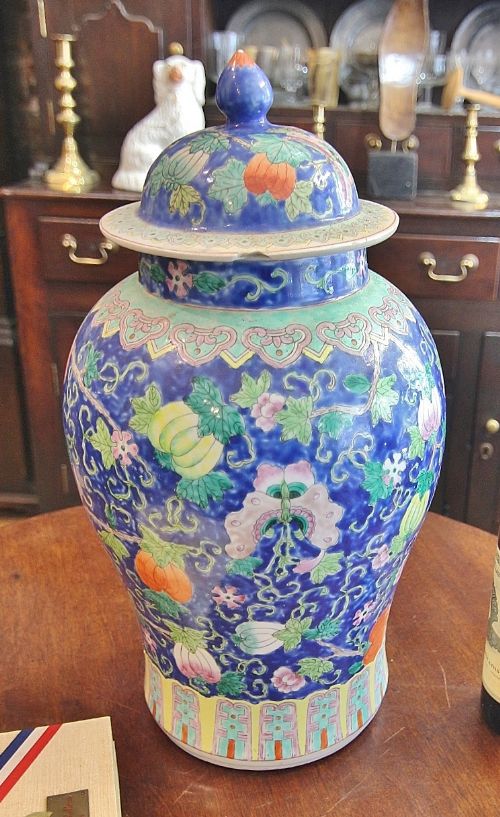
A floral hand painted vessel covers a wide variety of domestic decorative objects, ranging from large centre bowls and ginger jars to slender vases, campagna urns, and sauceboats. The selection spans distinct manufacturing eras, drawing heavily on nineteenth-century Victorian production alongside Regency, Edwardian, and early twentieth-century examples.
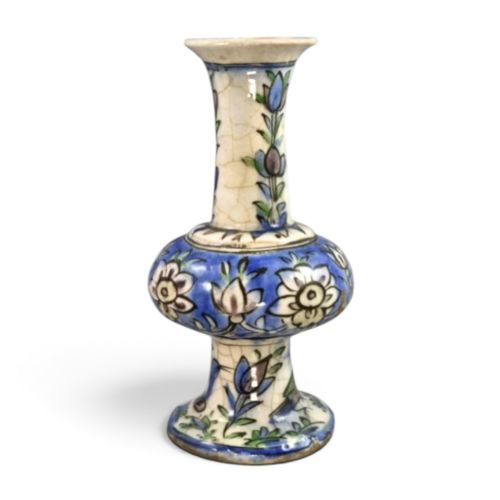
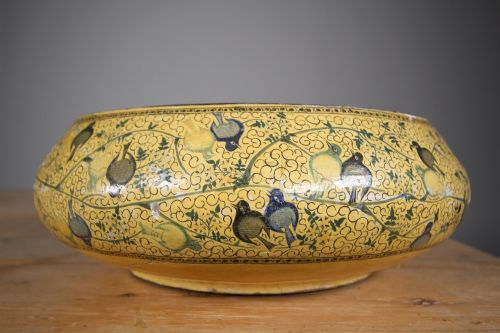
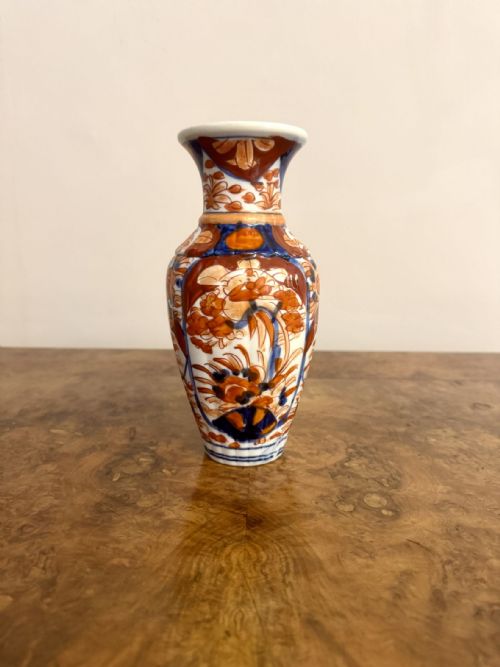
Makers from major European porcelain centres such as Worcester, Coalport, and Royal Worcester sit alongside Japanese Imari wares, Chinese export porcelain, and Persian glazed ceramics. Buyers encounter everything from small cabinet pieces and miniature incense burners to substantial floor-standing jars decorated with foliage, birds, and botanical motifs.
Materials and technique
Potters and glassmakers shaped these pieces using traditional methods in porcelain, earthenware, faience, and glass, applying surface ornamentation through hand painting, polychrome glazes, and enamels. Artisans frequently integrated gilt, gold leaf, and raised enamel detail to highlight floral patterns and botanical subjects.
Techniques varied by region and workshop, from the slip-decorated Faience produced by Doulton Lambeth to the intricate overglaze enamels of Japanese Satsuma and Chinese Famille Rose wares. Skilled hands applied pigments directly to the fired body or over white glazes before a secondary kiln firing fixed the colours permanently.
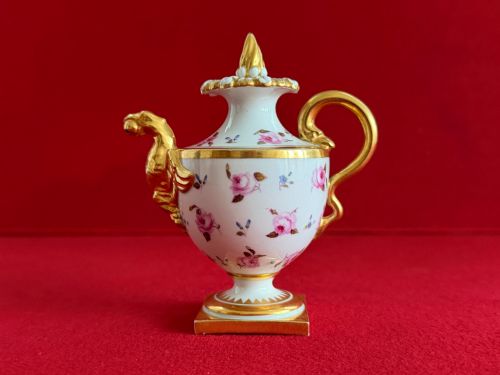
A rose water sprinkler designed to mist pleasant scents across Regency sitting rooms.
Judging quality
Quality rests upon the crispness of the hand-painted brushwork and the precision with which botanical details are rendered across the ceramic or glass surface. Pieces decorated by named artists or produced in established workshops display superior depth of tone, balanced compositions, and careful integration of gilding.
The weight of the body, the evenness of the glaze application, and the subtlety of polychrome enamel work distinguish standard production from exceptional examples. A well-executed vessel maintains clarity in its painted foliage and secure integration of gold leaf without heavy-handed touch-ups.
Flight Barr And Barr·Royal Worcester·Doulton Lambeth·H And R Daniel·Wileman Intarsio·Herend
The Floral Hand Painted Vessel Glossary
- Faience
- Tin-glazed earthenware decorated with opaque coloured glazes. This technique allows for rich painted surface designs on a porous ceramic body.
- Imari
- A style of Japanese porcelain featuring deep underglaze blue combined with iron red, gilt, and supplementary colours. The palette creates a dense, patterned aesthetic.
- Polychrome
- Decoration executed in multiple colours. Artisans utilise various mineral pigments to achieve varied pictorial scenes across the vessel.
- Campagna
- A classical bell-shaped urn form derived from ancient Roman pottery. This silhouette gained popularity during the Regency and Victorian periods.
- Intarsio
- A distinctive type of earthenware developed during the late nineteenth century. It relies on complex underglaze printing and hand painting to mimic inlaid ceramic decoration.
Floral Hand Painted Vessel: Frequently Asked Questions
How do I clean an antique floral vessel?
Dust gently with a dry, soft brush to protect delicate overglaze enamels and gold leaf applications.
Avoid immersing antique ceramic or glass pieces in water, particularly if they feature hand-painted pigments or gilt highlights that can degrade over time.
What is the difference between earthenware and porcelain?
Earthenware is fired at lower temperatures, resulting in an opaque, slightly porous body that requires a protective glaze.
Porcelain utilises refined kaolin clay fired at high heat, producing a vitrified, non-porous material that often rings when struck and appears translucent in thin sections.
Are these vessels water-tight for fresh flowers?
Many historical vessels, such as ginger jars, potpourri pots, and decorative bowls, were designed entirely for display rather than holding water.
Vases intended for floral arrangements can often hold water, but older glazed interiors should be checked for hairline cracks before filling.
How can I identify the period of a hand-painted piece?
Examine the base for factory backstamps, impressed registration marks, or handwritten artist signatures that link the object to specific manufacturing decades.
Stylistic indicators such as the heavy gilding of the Regency era or the organic motifs of Art Nouveau provide additional clues to the date of creation.