
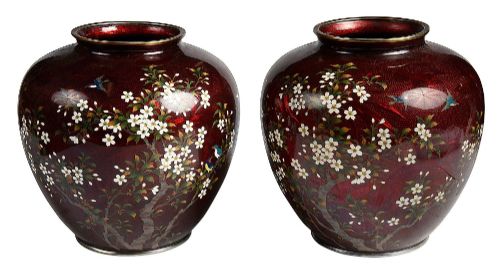
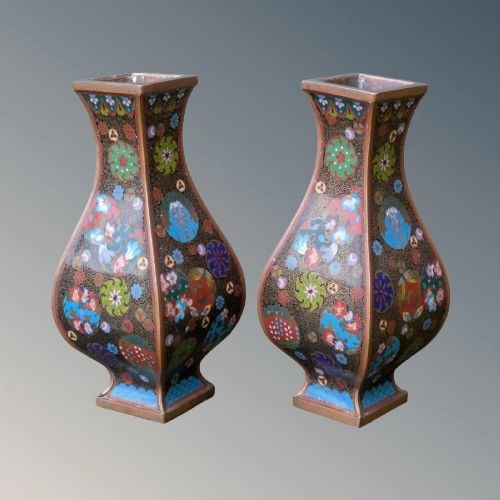
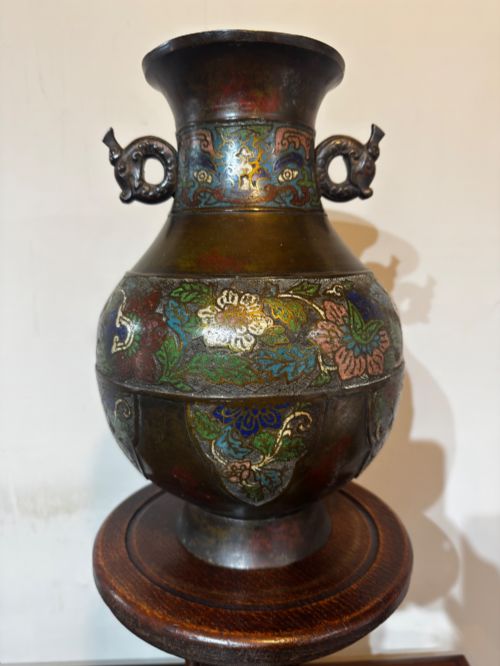


Floral Cloisonne Metal Vase
These floral cloisonne metal vase pieces bring vibrant enamel patterns and intricate wirework into your home, offering a rich touch of historical craftsmanship.
Floral Cloisonne Metal Vase
A floral cloisonne metal vase is a decorative vessel adorned with soldered metal wires forming cells that are filled with coloured enamel pastes. When you search for a floral cloisonne metal vase, you will find examples originating primarily from Japanese Meiji and Showa periods as well as Chinese Qing styles.
The forms span standard vases, ginger jars with lids, and vessels adapted into table lamps. Most pieces display traditional botanical motifs featuring flowers and birds rendered across copper, brass, bronze, and silver bodies.
How they were made
Makers formed the foundational body using metals such as copper, brass, bronze, or silver before meticulously soldering thin metal strips onto the surface to create distinct compartments. These soldered partitions formed the outlines for floral designs and intricate patterns.
Artisans filled the resulting cells with vitreous enamel pastes before firing the vessels in a kiln and polishing the entire surface until smooth. Advanced techniques such as ginbari incorporated textured foil beneath translucent coloured enamels to achieve depth.
Listings feature items spanning the nineteenth century through to the mid-twentieth century, incorporating materials like bronze, brass, silver, and copper.
What varies in quality
The fineness of the wirework largely distinguishes superior examples from simpler production, with tighter and more complex silver wire grids requiring greater skill. The precision of the enamel filling and the absence of surface pitting also mark higher standards of execution.
Makers' marks from notable workshops provide a distinct indicator of pedigree, while the complexity of techniques such as basse-taille and ginbari enamel work elevate certain pieces above standard production.
Ando Jubei·Tamura Yukio
The Floral Cloisonne Metal Vase Glossary
- Cloisonne enamel
- A technique where thin metal wires are soldered to a metal base to create cells filled with enamel paste. This method creates defined patterns of flowers and foliage.
- Ginbari
- A Japanese enamelling technique featuring a textured foil background beneath translucent enamel. It adds a shimmering depth to floral designs.
- Champleve
- An enamelling method where troughs or cells are carved directly into the thick metal base rather than soldering wires on top. These sunken areas are then filled with enamel.
- Meiji Period
- An era in Japanese history spanning the late nineteenth and early twentieth centuries known for exceptional metalwork and enamel production. Pieces from this time often bear intricate silver wire detailing.
Floral Cloisonne Metal Vase: Frequently Asked Questions
How do I date a floral cloisonne metal vase?
Dating relies on examining the metal base, the brightness of the enamel colours, and the style of the wirework. Earlier pieces often utilise heavier bronze or brass foundations with dense floral patterns.
Later items from the twentieth century frequently employ brighter chemical enamel hues and finer silver wires. Reference marks and stylistic cues from periods like Meiji help narrow down the decade of creation.
Can I use these vases for fresh flowers?
Many antique examples feature interior metal corrosion or soldered seams that make them unsuited for holding water. Using them dry protects the historic enamel and metal from moisture damage.
If you wish to display botanicals, placing a small glass or plastic liner inside prevents water from contacting the historic interior surface.
How should I clean my cloisonne vase?
Dusting gently with a soft, dry microfibre cloth removes everyday particle buildup safely. Avoid liquid cleaners, chemical polishes, or abrasive cloths which can scratch the polished enamel or damage exposed metal wires.
Professional care is recommended if deeper cleaning becomes necessary to preserve the delicate soldered partitions.
What is the difference between Chinese and Japanese cloisonne?
Chinese pieces typically feature heavier bronze or brass bodies with robust, opaque enamel colours and thick wire outlines. Motifs often draw from traditional Qing dynastic aesthetics.
Japanese examples, particularly from the Meiji period, frequently utilise thinner copper or silver bases with delicate silver wirework and translucent enamels that reveal textured foil beneath.