



Gilded Enamel Flower Vase
These gilded enamel flower vases combine layered metallic gilding with rich glass, porcelain, and stoneware surfaces to anchor a room.
Gilded Enamel Flower Vase
A gilded enamel flower vase brings together applied metallic leaf or gilt work with painted or fused enamel decoration on ceramic, glass, or metal bodies. When searching for a gilded enamel flower vase, buyers encounter varied global traditions from the nineteenth and early twentieth centuries.
Pieces span decades from the late nineteenth century through to the early twentieth century, incorporating Edwardian sensibilities and French nineteenth-century decorative arts. Each object displays the intersection of metalwork and vitreous enamelling techniques applied to decorative vessels.
How they were made
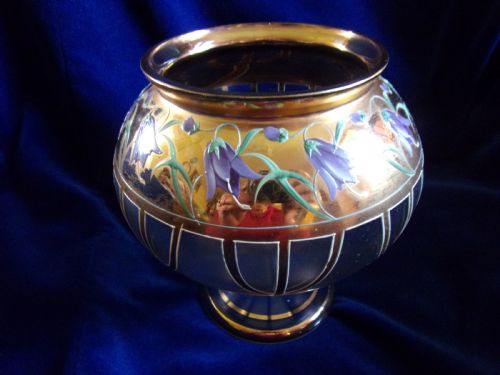
Makers utilised porcelain, earthenware, stoneware, and crystal as foundations, applying liquid enamels and gold leaf or gold gilt by hand. Glass vessels received enamel motifs such as lotus or palmette flowers alongside careful gold line work.
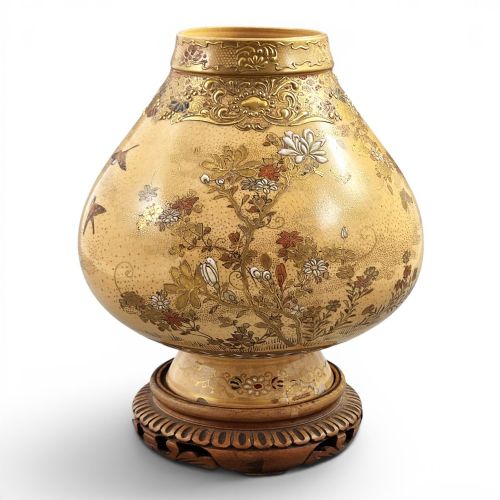
Asian traditions incorporate cloisonné metal wire cells filled with enamel paste, or intricate hand-painted Satsuma earthenware pottery densely covered in flowerheads and gilding. French and English glassworks combined blown crystal bodies with fired enamel floral decorations and surface gilding.
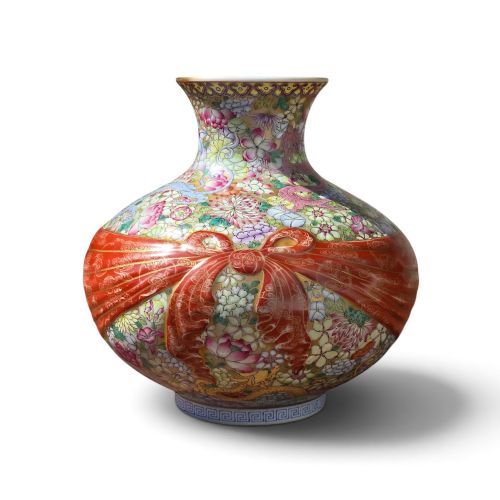
Some nineteenth-century makers packed a thousand painted flowerheads onto a single ceramic surface without leaving an inch of blank space.
What varies in quality
The definition of the hand-painted enamel work and the precision of the gold leaf application determine the visual weight of the piece. Crisp lines in the cloisonné wires or finely detailed brushwork on porcelain elevate an example above standard production.
Substantial material weight, such as heavy St Louis crystal or thick Canton porcelain, contributes to a balanced form. The integration between the metallic gilding and the underlying enamel surface dictates the durability and depth of the decoration.
Kinkōzan Workshop·St Louis glassworks·Royal Doulton
The Gilded Enamel Flower Vase Glossary
- Cloisonné
- Enamelling technique where thin metal wires are soldered to a metal base to form compartments filled with paste before firing. This method creates distinct cells of colour outlined in metal.
- Satsuma
- Japanese earthenware pottery featuring a crackle-glaze ivory ground decorated with elaborate polychrome enamels and rich gilding. These pieces often depict dense floral patterns or historical figures.
- Millefleurs
- A decorative pattern translating to a thousand flowers, completely covering the surface of the ceramic or glass vessel. It requires immense skill to balance such dense floral motifs without visual clutter.
- Ormolu
- Finely ground high-carat gold applied to a bronze or brass object using a mercury amalgamation process, or simply gilded bronze mountings. It provides robust decorative framing for nineteenth-century decorative pieces.
Gilded Enamel Flower Vase: Frequently Asked Questions
How do I clean a gilded enamel flower vase?
Dust the surface gently with a soft, dry cloth to protect the delicate gold leaf and enamel decoration. Avoid using chemical cleaners, abrasive cloths, or immersing the piece in water, especially if it contains exposed metal or delicate surface gilding.
For glass or ceramic interiors, use a damp cotton swab carefully without splashing moisture onto the exterior gilt work. Proper maintenance preserves the integrity of the nineteenth and twentieth-century finishes.
How do I tell Art Nouveau pieces apart?
Art Nouveau examples rely on organic, asymmetrical motifs inspired by natural forms, featuring stylised flowers like lotus, poppies, and palmettes. The glass surfaces often incorporate Rouge de Chine tones paired with fluid gold enamel lines.
Earlier nineteenth-century pieces tend toward more formal symmetry, while Meiji and Qing works follow traditional Asian decorative conventions. Examining the curve of the vessel and the rhythm of the floral painting reveals the stylistic period.
What is the difference between Satsuma and cloisonné?
Satsuma refers to Japanese earthenware pottery with an ivory crackle glaze decorated with painted enamels and gold. Cloisonné involves metal vessels with wire partitions soldered to the surface to hold enamel pastes.
Both incorporate rich gilding and floral themes, but their underlying material and tactile qualities differ entirely. Satsuma presents a ceramic warmth, whereas cloisonné offers a smooth, metallic, glass-like finish.