
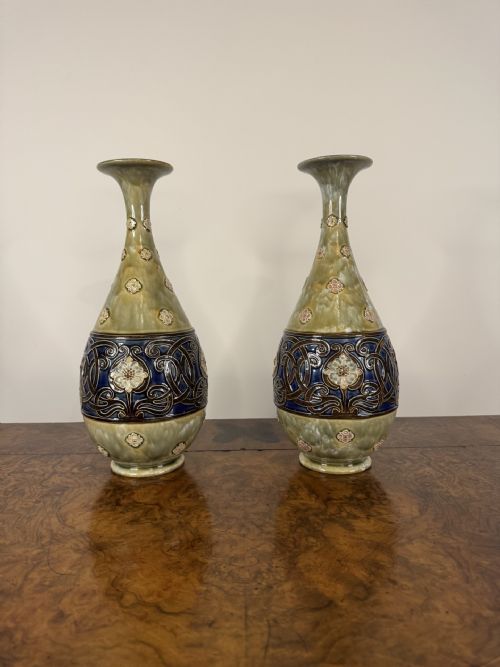
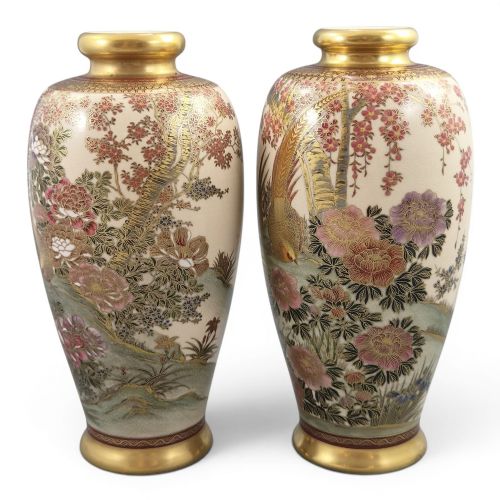


Floral Art Pottery Vase
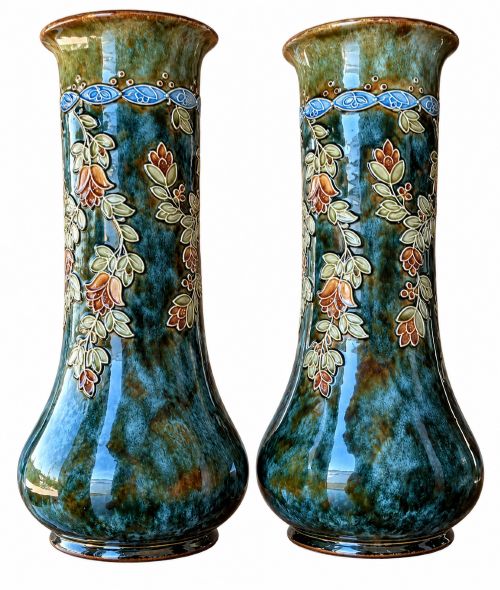
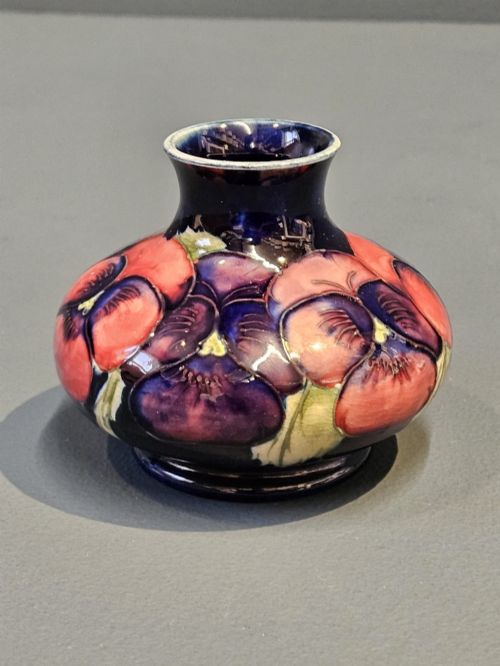
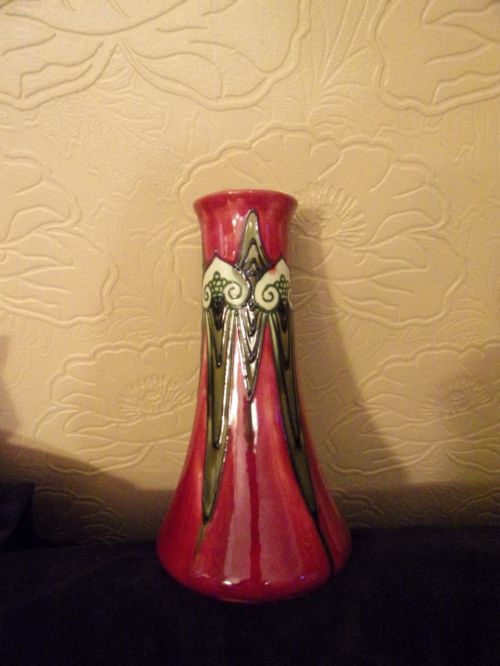
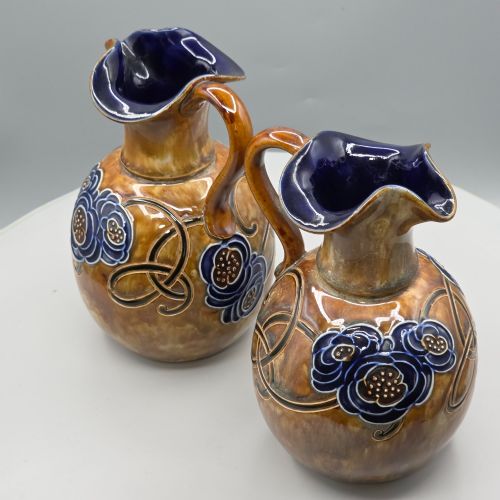
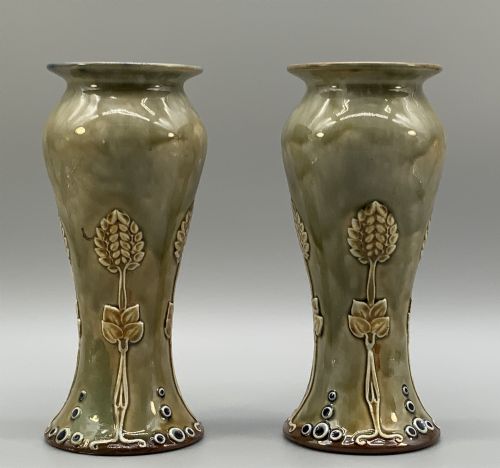
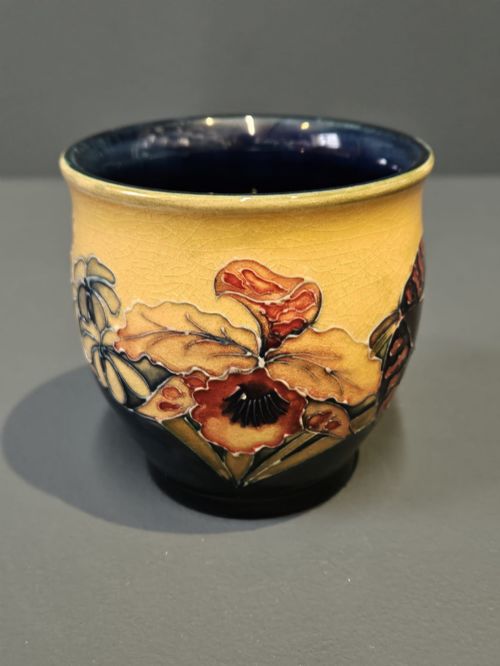
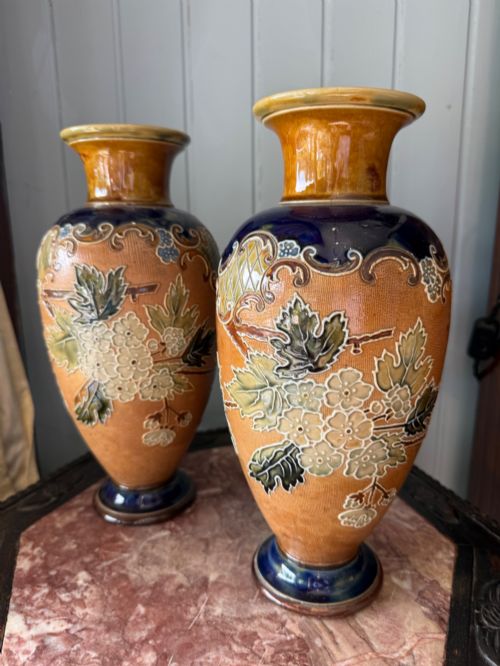
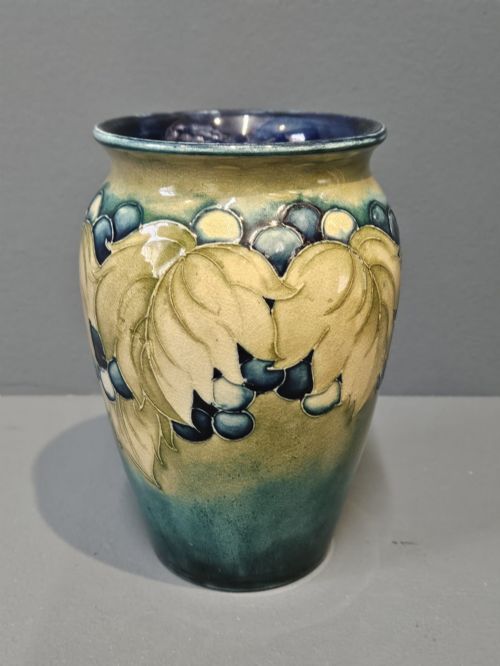
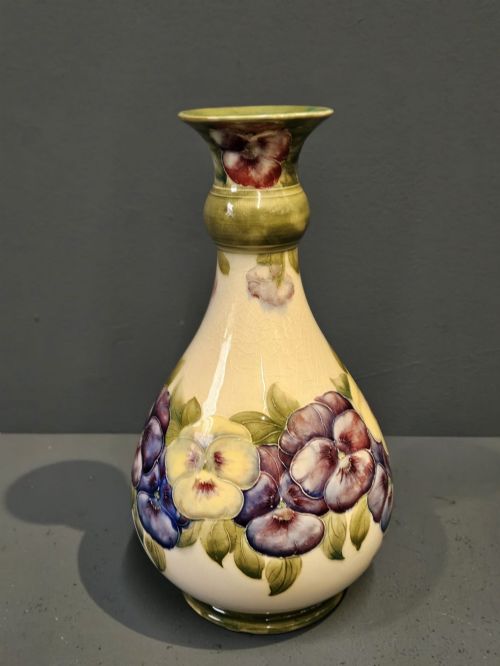
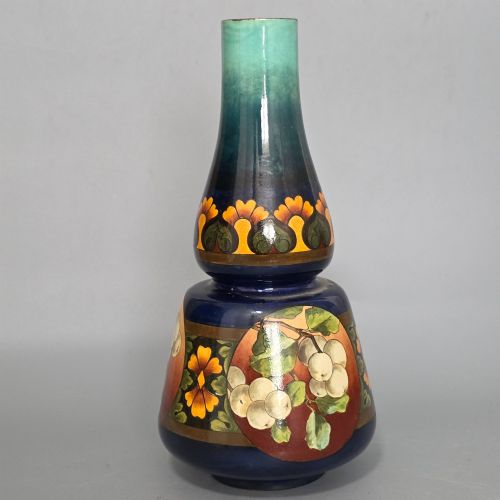
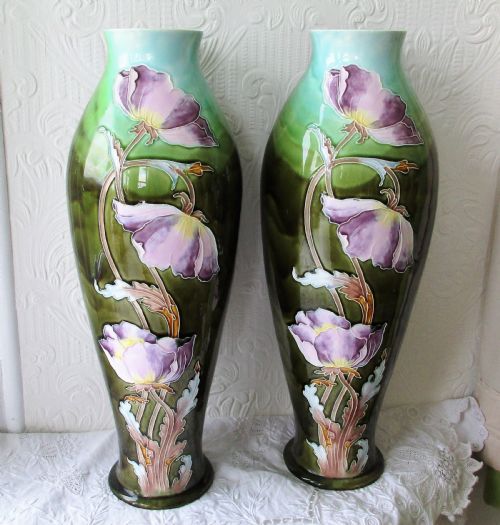
These floral art pottery vase examples bring together expressive botanical motifs and rich ceramic forms produced across the late nineteenth and early twentieth centuries.
Floral Art Pottery Vase
A floral art pottery vase is a decorative ceramic vessel featuring botanical or floral design work, shaped through various studio and factory traditions. When exploring this selection, buyers frequently encounter pieces from the Victorian, Edwardian, and Art Nouveau periods.
The objects take diverse forms, ranging from tall baluster vases and slender jugs to ewers and small cabinet pieces. Many originate from prominent British potteries such as Doulton and Moorcroft, alongside continental and Japanese makers.
The style spans several decades of design evolution, incorporating Arts and Crafts ideals alongside Secessionist and Art Deco patterns. These vessels function primarily as decorative centrepieces or expressive ornaments.
How They Were Made
Potters utilised earthenware, stoneware, and faience as base bodies, shaping them on the wheel or in moulds before applying glazes and enamels. Techniques such as tube-lining created raised outlines that contained vibrant glaze colours within the floral motifs.
Surface decoration frequently involved slip painting, gold leaf accents, and specialised processes like Slaters Patent texturing. Firing methods varied from high-temperature stoneware kilns to earthenware ovens, determining the final sheen and durability of the ceramic.
Sir Edmund Harry Elton ran his sunflower studio pottery with a steadfast botanical obsession, even painting floral motifs on his studio tea services.
What Varies in Quality
Quality rests upon the precision of the hand-applied decoration, the complexity of the tube-lined or painted floral design, and the clarity of the glaze. Exemplary works demonstrate confident brushwork and balanced compositions executed by named artists or skilled factory decorators.
The crispness of the moulded form and the depth of the colour palette distinguish standard production items from superior studio pieces. Condition, historical provenance, and legible factory marks further define the standing of individual vessels.
Royal Doulton·Moorcroft·Minton·Ernst Wahliss·Burmantofts Faience·TG Green·Wileman
The Floral Art Pottery Vase Glossary
- Faience
- Tin-glazed earthenware or pottery decorated on an opaque white glaze. This technique allowed makers to achieve smooth, painterly surfaces for botanical scenes.
- Stoneware
- A heavy, vitrified pottery body fired at high temperatures until impermeable to liquids. It provides a durable canvas for textured glazes and incised floral ornament.
- Tube-lining
- A decorative method where liquid clay is squeezed through a nozzle onto a ceramic body to form raised outlines. These boundaries hold pools of coloured glaze during firing.
- Secessionist
- A stylistic movement rejecting traditional historicism in favour of stylised, organic motifs. It appears frequently on pottery from the early twentieth century.
- Baluster
- A architectural vase form featuring a rounded lower body that tapers upward to a narrower neck. This classic silhouette supports flowing floral patterns.
Floral Art Pottery Vase: Frequently Asked Questions
What defines a floral art pottery vase?
These vessels combine traditional ceramic manufacturing with applied botanical decoration, reflecting the aesthetic movements of the late nineteenth and early twentieth centuries. They encompass diverse regional styles ranging from British stoneware to continental faience.
Craftsmen utilised techniques like tube-lining and slip painting to render flowers and foliage with tactile depth. Each piece serves as a physical record of period design trends and studio experimentation.
How do I identify the period of a vase?
Dating relies primarily on factory marks, artist signatures, and stylistic indicators such as Art Nouveau curves or geometric Art Deco lines. Examining the base often reveals impressed stamps or handwritten monograms.
Material composition also offers clues, as heavy salt-glazed stoneware points toward earlier factory output, while lighter earthenware often aligns with later studio production.
Where were these ceramics produced?
Production centred in established European pottery districts, particularly in Britain, Germany, Austria, and France. Major factories and smaller studios each contributed distinct regional characteristics to the genre.
Imported wares from Japan also influenced Western tastes, introducing alternative interpretations of natural subjects that local makers adopted during the late Victorian era.
How should I display these vases at home?
These vessels suit prominent placement on mantelpieces, sideboards, or display tables where adequate lighting highlights their glazes and surface textures. Pairing them with neutral backgrounds allows the floral motifs to stand out.
Due to their historical nature, many collectors prefer displaying them empty or using them dry to protect the interior surfaces from moisture.