



Floor Standing Statue
These floor standing statue examples bring sculptural presence to a room, combining height with classical or decorative form.
Floor Standing Statue
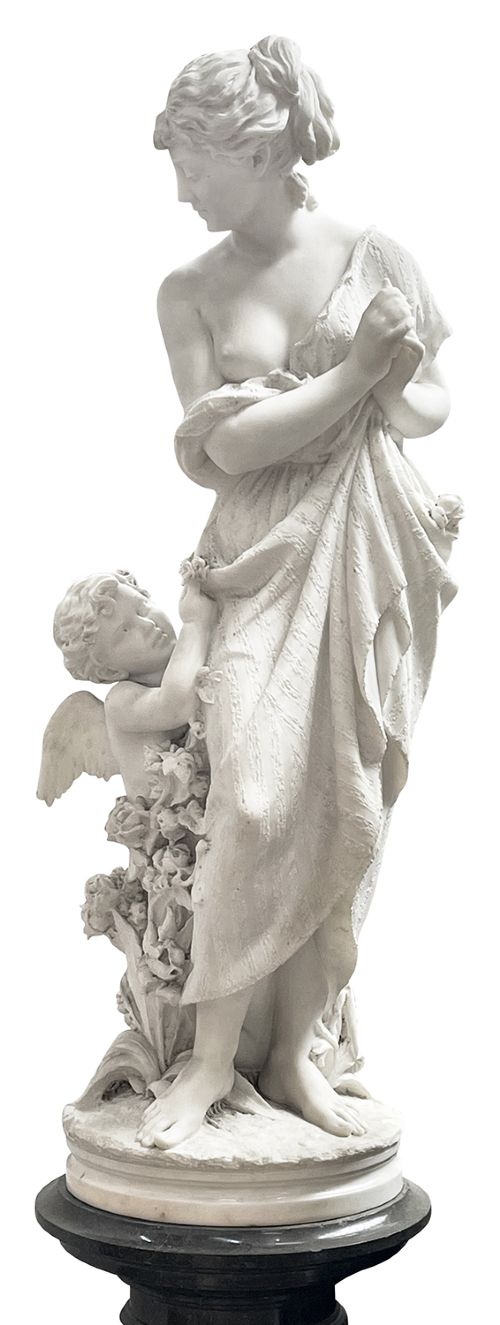
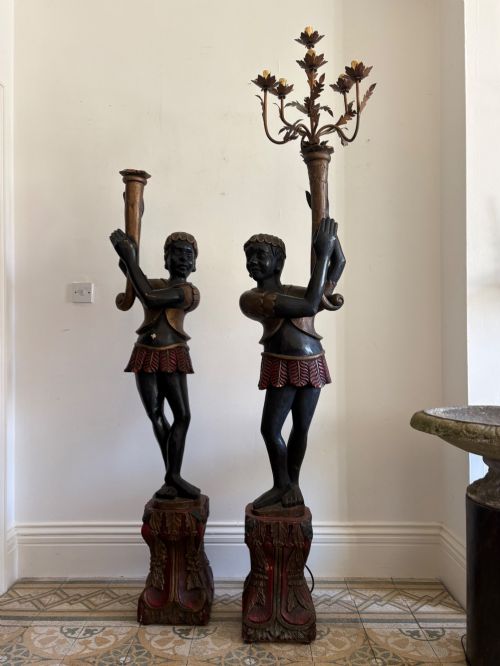
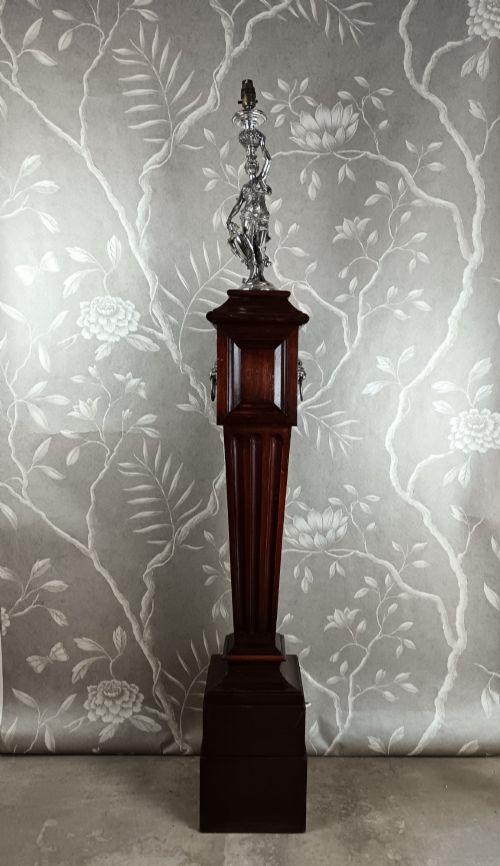
A floor standing statue incorporates full-scale figures, busts, torcheres, and figural lamps that command attention in any interior space. When you browse for a floor standing statue, you encounter substantial works rendered in materials such as marble, bronze, and carved wood.
Makers and artists are occasionally identified in the listings, including works by Humphrey Hopper, Coutan, and Romanelli, alongside factory marks from WMF. Forms range from life-size pairs of figures to single substantial busts on pedestals.
Materials and construction
Statues and busts utilised substantial blocks of Carrara marble, alabaster, and plaster, shaped by hand or cast to achieve monumental scale. Metalwork components combined brass and silver-plating to support functional lighting elements within the figural composition.
Floor Standing Statue Retail Price Guide 2026
Typical asking prices for floor standing statue among the pieces listed under this phrase on Sellingantiques today, from the lower quarter to the upper quarter. They describe what is for sale here now, not the wider market.
Listings feature materials spanning carved wood, brass, gesso, plaster, gold leaf, bronze, glass, and marble.
Factors of quality
The refinement of the carving or casting defines the upper tier of these pieces, where facial expressions, hands, and drapery display precise anatomical and textural control. Lesser examples rely on repetitive surface decoration that obscures a lack of underlying sculptural definition.
Proportion and material integrity separate exceptional works from standard decorative items, particularly in monumental marble busts and large bronze figures. The harmony between the base pedestal and the main figure also dictates the overall architectural success of the piece.
Romanelli·WMF·Humphrey Hopper·Coutan
The Floor Standing Statue Glossary
- Torchere
- A tall ornamental stand or floor lamp designed to hold a light source at an elevated position. These pieces often feature figural shafts carved from wood or cast in bronze.
- Carrara marble
- A type of white or blue-grey marble quarried in the city of Carrara in Italy, prized for classical sculpture and large-scale architectural busts. It provides a dense, smooth surface that takes fine detail.
- Parcel-gilt
- A decorative technique where selected areas of an object are partially gilded with gold leaf, leaving other surfaces painted or exposed. This finish highlights specific architectural or sculptural elements.
- Caryatid
- A sculpted female figure serving as an architectural support taking the place of a column or a pillar. They appear in pairs supporting structural elements or pedestals.
- Blackamoor
- A historical decorative art style depicting figures from North Africa or sub-Saharan Africa, frequently rendered as carved wood torcheres or waiters from the Venetian tradition.
Floor Standing Statue: Frequently Asked Questions
Where should I place a floor standing statue?
These large pieces require substantial clearance and structural support, making entryways, grand hallways, and spacious living rooms ideal locations for display.
Positioning them away from direct heat sources and heavy foot traffic preserves the delicate carved wood, marble surfaces, and gilt finishes.
How do I care for marble and bronze statues?
Regular dusting with a soft, dry cloth prevents particulate accumulation on both polished marble and patinated bronze surfaces without risking abrasion.
Avoid using chemical cleaners or excessive water, as moisture can damage historic gesso, paint, and silver-plated elements on figural lamps.
How do I identify nineteenth-century styles?
Nineteenth-century pieces often reflect revival movements such as Neoclassical, Venetian Baroque, and Victorian aesthetics, drawing inspiration from earlier classical periods.
Examining the underlying material, tool marks, and casting seams helps distinguish genuine nineteenth-century production from later twentieth-century interpretations.
Were these statues used as lamps originally?
Many figural supports and torcheres were manufactured or later adapted to incorporate lighting, combining functional illumination with decorative sculpture.
Wiring methods and lamp holder styles often indicate whether the electrical components are contemporary additions or early twentieth-century integrations.