

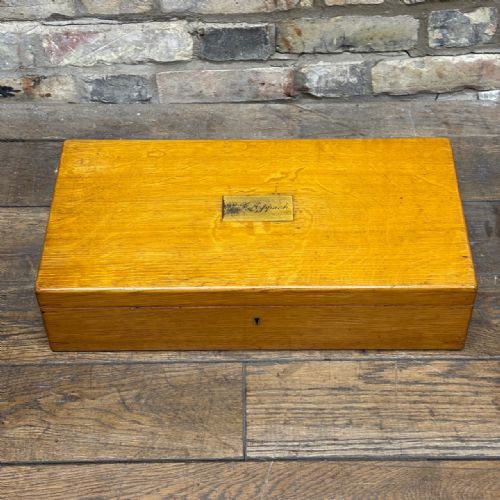
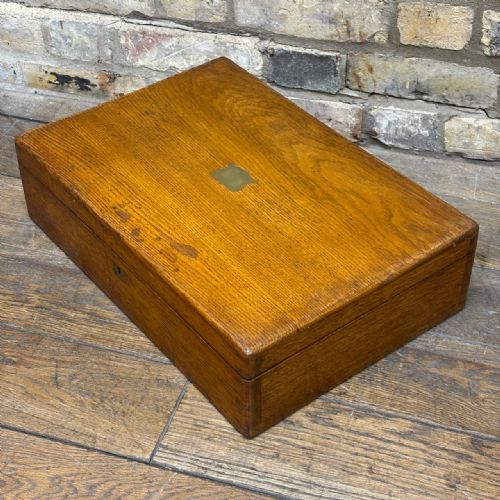
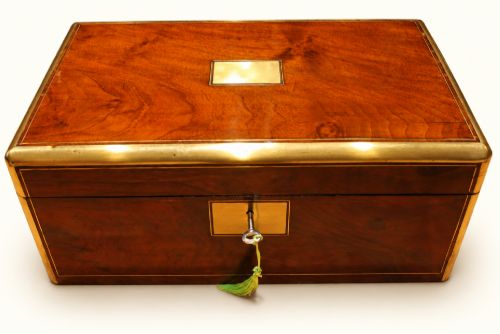
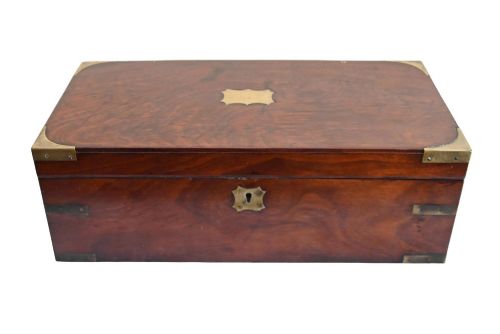
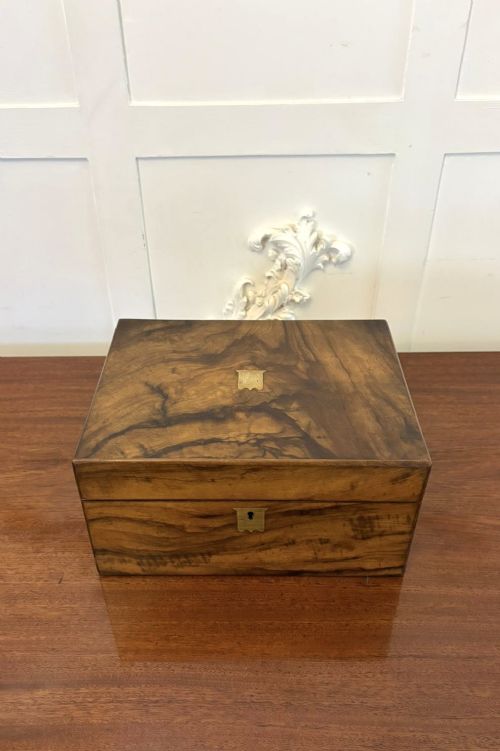


Fitted Wooden Slope Box
A fitted wooden slope box provides a portable writing surface and organised storage, merging fine cabinetmaking with utilitarian design.
Fitted Wooden Slope Box
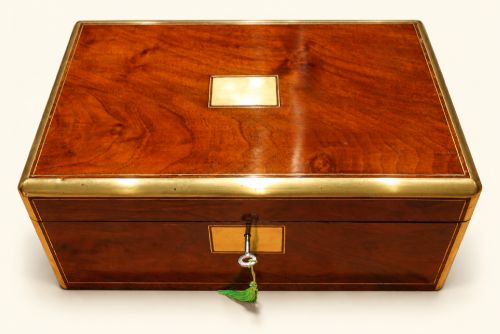
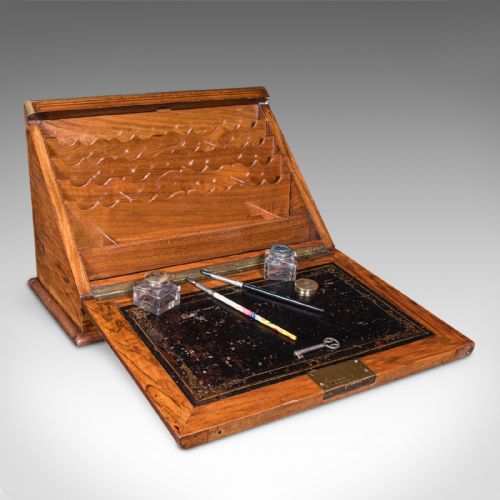
A fitted wooden slope box serves as a portable desk, opening to reveal a slanted writing surface alongside compartments for ink, pens, and paper. These pieces range from compact lap desks to substantial campaign stations designed for travel or domestic study.
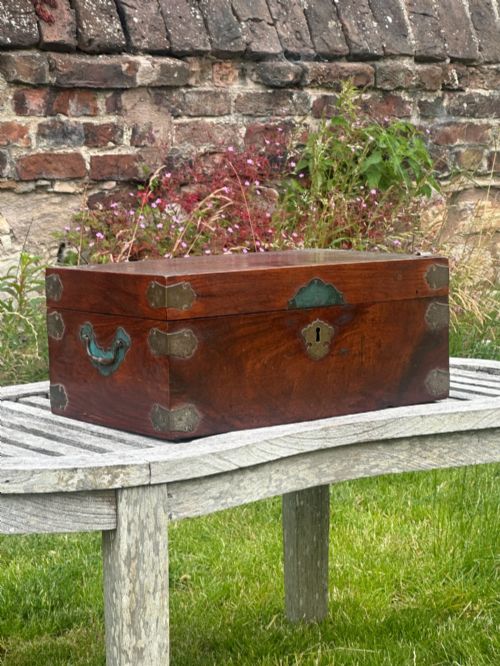
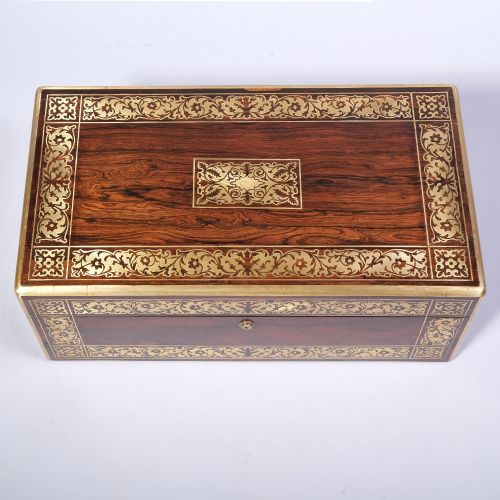
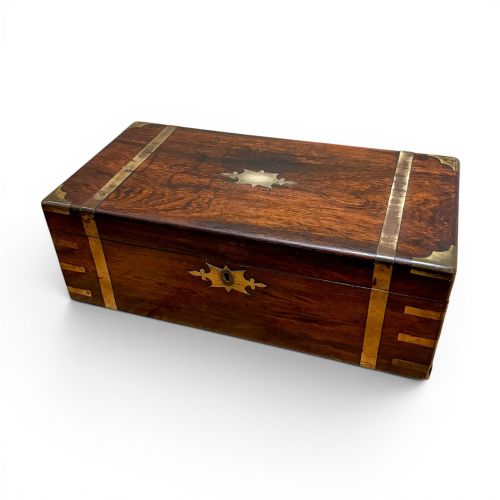
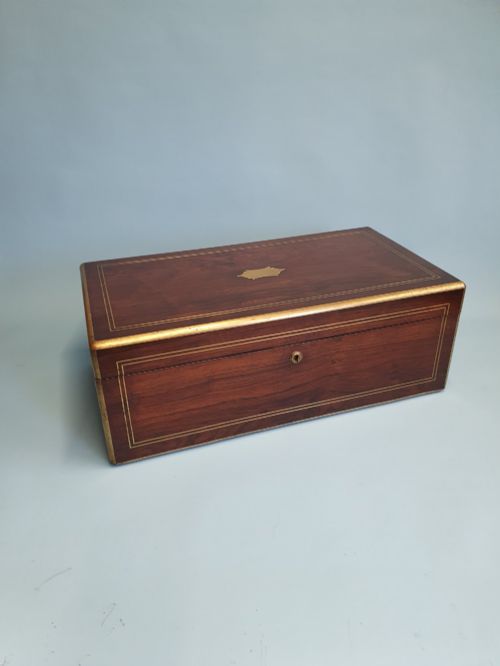
The versions most commonly met on this page date from the Georgian and Victorian periods, constructed in dense hardwoods and frequently fitted with brass edging or carrying handles. Many incorporate specialised interior fittings such as secret drawers, sovereign sections, and removable pen trays.
What Varies in Quality
The distinction between tiers rests upon the choice of timber and the ambition of the interior layout. Finer examples display meticulously matched burr walnut veneers, substantial brass corner mounts, and secondary woods selected for stability and grain continuity.
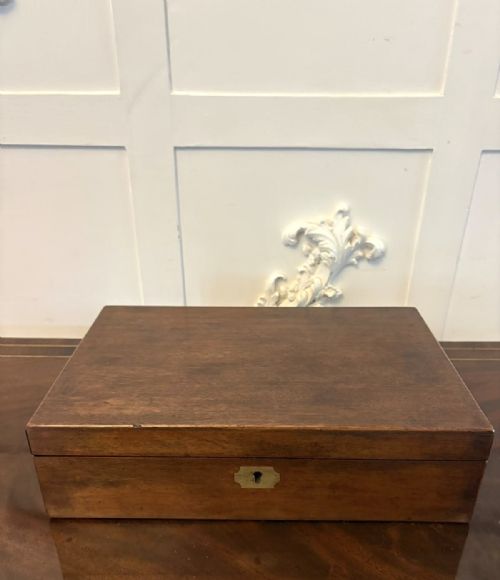
Excellence also shows in the complexity of the internal fittings, such as secret compartments operated by hidden pins, integrated candle sconces, and fully functional locks with original working keys. Simpler pieces rely on plain mahogany or oak with basic partitions and minimal exterior metalwork.
Fitted Wooden Slope Box Retail Price Guide 2026
Typical asking prices for fitted wooden slope box among the pieces listed under this phrase on Sellingantiques today, from the lower quarter to the upper quarter. They describe what is for sale here now, not the wider market.
Listings feature periods spanning from the Georgian era through the late Victorian period, utilising materials such as brass, walnut, mahogany, and rosewood.
The Fitted Wooden Slope Box Glossary
- Writing slope
- A portable box with a hinged lid that opens to form an angled desk for correspondence. It typically houses internal partitions for stationery and writing instruments.
- Campaign style
- Furniture constructed with portability and durability in mind, frequently featuring inset brass handles, reinforced corners, and robust hardwoods suited to travel.
- Secret drawers
- Concealed compartments built behind false panels or beneath removable trays within a box. These spaces are accessed via hidden spring releases or sliding dividers.
- Bramah lock
- A high-security cylindrical lock patented in the late eighteenth century, commonly fitted to superior boxes and desks. It operates using a cylindrical key with longitudinal cuts.
- Stationery cabinet
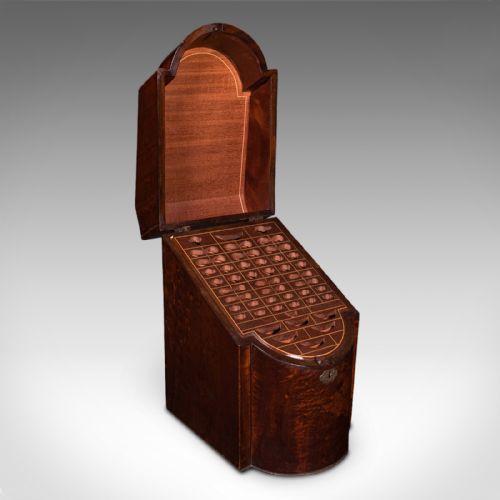
- A desktop box designed to hold envelopes, writing paper, and ledgers in vertical slots or drop-front compartments. These items emerged largely during the later nineteenth century.
Fitted Wooden Slope Box: Frequently Asked Questions
What is a fitted wooden slope box?
A fitted wooden slope box is a portable desk featuring a hinged lid that opens at an angle to create a writing surface. Inside, dedicated compartments hold inkwells, pens, and paper.
These pieces date predominantly from the Georgian and Victorian eras, designed for use in homes, offices, or during travel.
How were slope boxes used historically?
Owners used these boxes to write letters, manage accounts, and store important documents while away from a permanent desk. The portable nature allowed travellers and military officers to maintain a private writing station.
Interior compartments kept loose stationery, wax seals, and ink secure during transport.
How do I identify a campaign slope box?
Campaign slope boxes feature robust construction using hardwoods like mahogany, camphor wood, or padouk, paired with flush brass corners and recessed carrying handles. These design elements protected the box from damage during military or colonial transit.
Many examples also include specialised fittings such as candle sconces or secret sovereign compartments.
What woods were used for these boxes?
Cabinetmakers employed dense and durable timbers capable of withstanding frequent handling and travel. Common choices include mahogany, walnut, burr walnut, rosewood, and oak, often accented with brass or ivory inlay.
Secondary woods like pine or cedar were frequently used for internal drawer linings and partitions.