

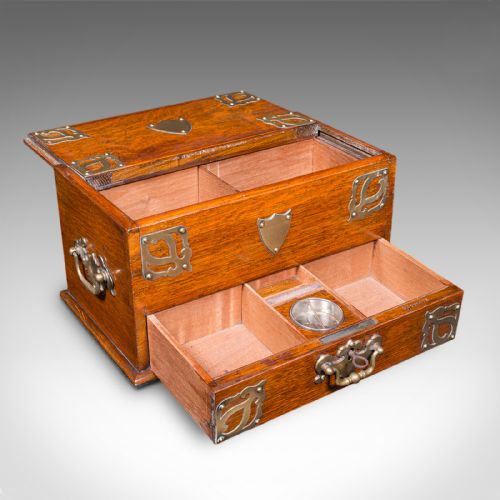


Fitted Oak Chest
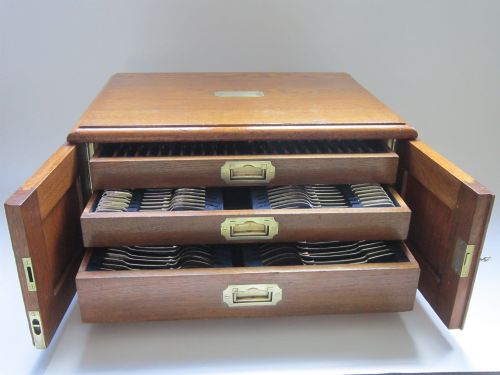
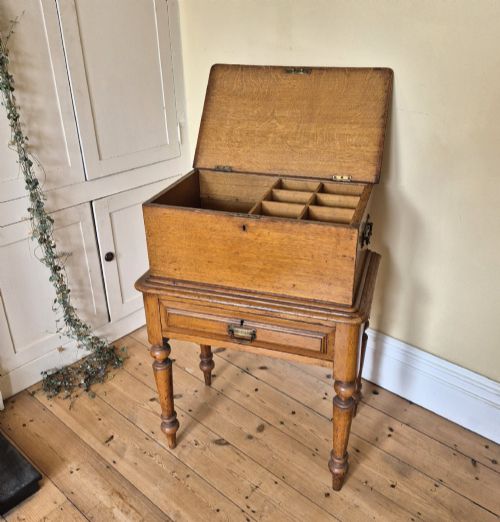
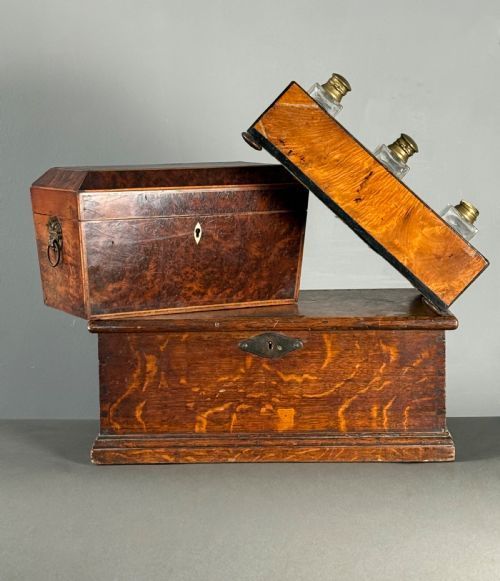
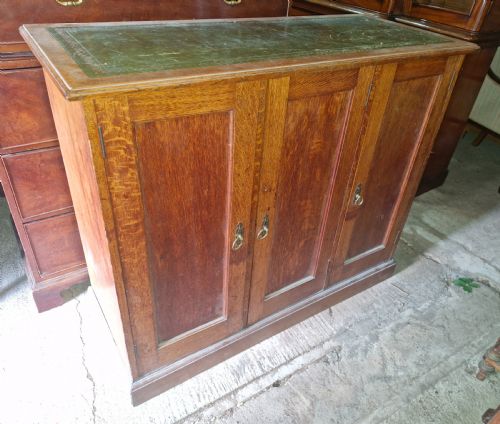
These pieces known as a fitted oak chest combine robust timber construction with cleverly organised internal compartments designed for silver, games, tools or travel.
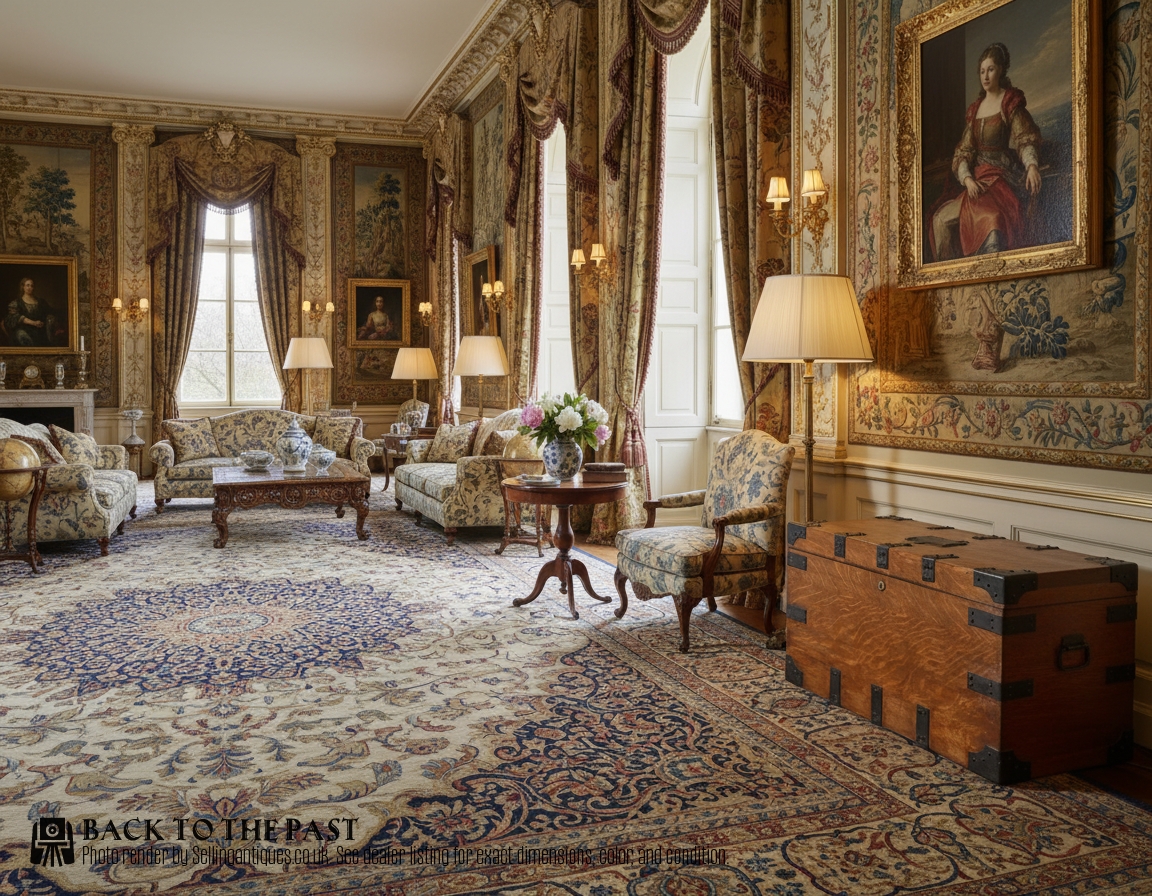
Fitted Oak Chest
A fitted oak chest serves as a sturdy receptacle equipped with internal trays, partitions, or compartments designed to hold specific items securely. When searching for a fitted oak chest, buyers encounter robust examples ranging from Victorian iron-bound silver trunks to Edwardian cutlery canteens and early twentieth-century travelling pieces.
The form spans several centuries, with robust eighteenth-century country house pieces, nineteenth-century campaign silver chests, and later twentieth-century canteens sharing the fundamental use of solid timber framing. Many items incorporate metal banding, drop handles, and specialised internal fittings to protect valuable possessions during transit or domestic storage.
How they were made
Makers constructed these chests primarily from solid oak, frequently reinforcing corners and edges with heavy iron or brass bands to withstand rigorous travel and daily use. Internal components utilise secondary softwoods and velvet or leather linings to cushion delicate silver flatware, decanters, or gaming sets within bespoke compartments.
Joinery methods rely on durable techniques such as dovetailing for drawers and robust framing for exterior walls. Hardware including brass carrying handles, strap hinges, and inset locks are fastened securely to ensure the contents remain protected.
Several chests still whisper of past indulgence with secret compartments built specifically to guard Victorian cigars and card decks.
What varies in quality
Quality reveals itself in the integrity of the internal fittings and the caliber of the exterior hardware. Superior examples retain original velvet or leather linings, working locks with keys, and bespoke partitions custom-built for specific silver services or gaming compendiums.
The thickness of the oak timber and the precision of the metal mounts dictate the overall durability and prestige of the piece. Master retail silversmiths and cabinet makers produced the finest examples, incorporating thoughtful touches like secret drawers and robust cast iron corner plates.
Elkington·Walker & Hall·Mappin & Webb
The Fitted Oak Chest Glossary
- Silver chest
- A heavy timber trunk lined with baize or velvet, featuring internal trays and compartments specifically engineered to transport and store silver flatware and holloware securely.
- Canteen
- A fitted box or cabinet containing a complete, organised set of cutlery, with individual slots or straps for knives, forks, and spoons.
- Campaign chest
- Portable furniture made in sections with recessed brass handles and corner brackets, designed for easy dismantling and transport by military officers or travellers.
- Iron-bound
- Descriptive of a wooden chest strengthened externally with iron straps, bands, and corner braces to provide structural rigidity and security during transit.
- Tantalus
- A locked drinks cabinet that holds decanters securely in a wooden frame while keeping the contents visible, requiring a key to release the stoppers.
Fitted Oak Chest: Frequently Asked Questions
What were fitted oak chests originally used for?
These chests served primarily to transport and store valuable household goods such as silver flatware, gaming sets, and personal attire during travel. Wealthy households utilised them in country houses or on extended journeys to keep delicate items organised and secure.
The specialised internal compartments prevented damage to silverware and instruments by keeping each piece separated in custom slots. Over time, many transitioned into static domestic furniture used for general storage or display.
How do I identify a Victorian silver chest?
Victorian silver chests typically feature heavy oak construction reinforced with iron or brass banding on the corners and edges. They often include robust drop handles on the sides and manufacturer plaques from prominent silversmith retailers.
Inside, you will usually find partitioned wooden trays lined with baize, felt, or velvet designed to hold specific patterns of cutlery or tea services. The locks are frequently substantial brass mortise mechanisms stamped by the maker.
Are the internal fittings usually original?
Many surviving chests retain their original fitted trays, velvet or leather linings, and dividing partitions, though some have been adapted for modern storage needs. Original fittings show matching timber patination and wear patterns consistent with the age of the exterior.
Buyers should examine the interior construction to ensure that dividers and lining materials match the period and craftsmanship of the outer case.
How should I care for an antique oak chest?
Maintain the timber by keeping the chest away from direct heat sources and dramatic humidity fluctuations that can cause the oak to split. Regular dusting with a dry, soft cloth preserves the natural finish without building up heavy wax residues.
Condition leather or velvet internal linings gently using appropriate specialist products, and ensure brass or iron hardware remains dry to prevent oxidation.