
Fitted Interior Desk
A fitted interior desk is a writing piece with internal compartments that organises letters and papers.
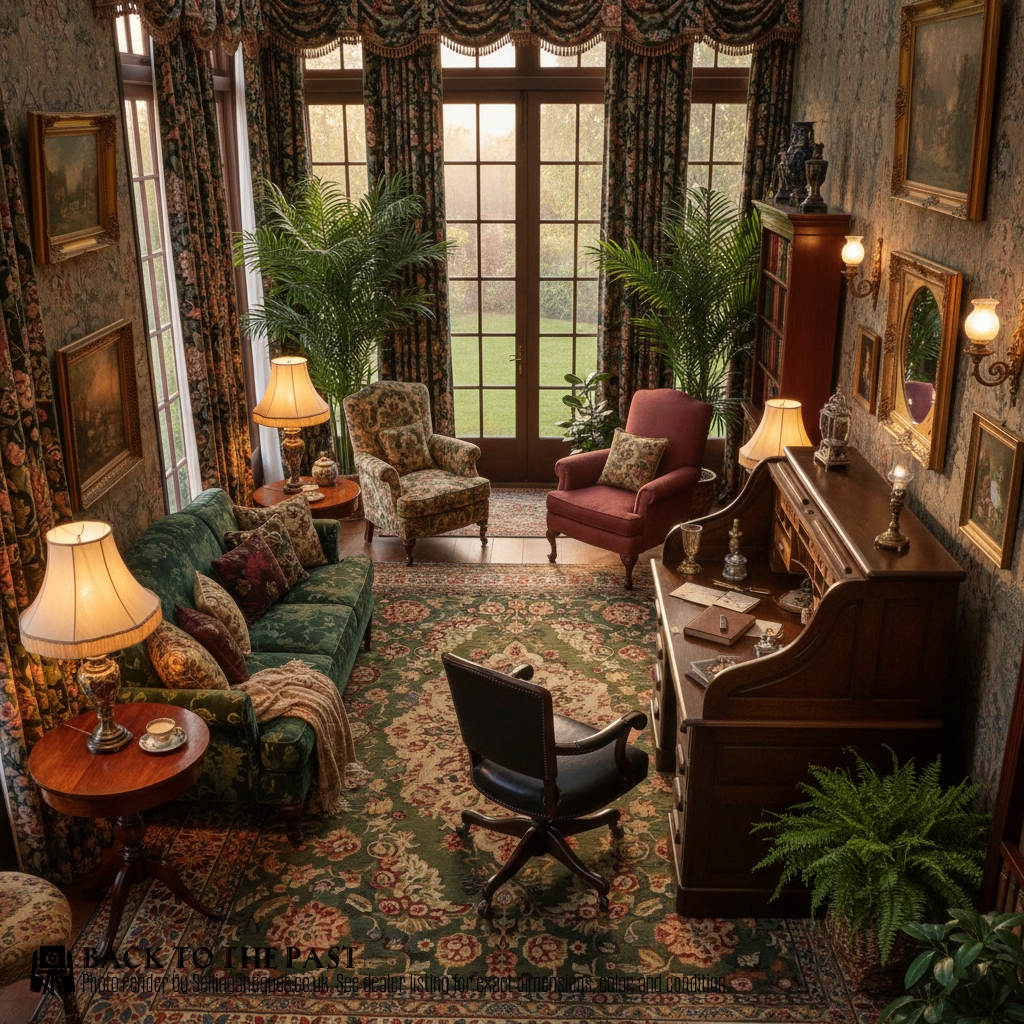
What they are
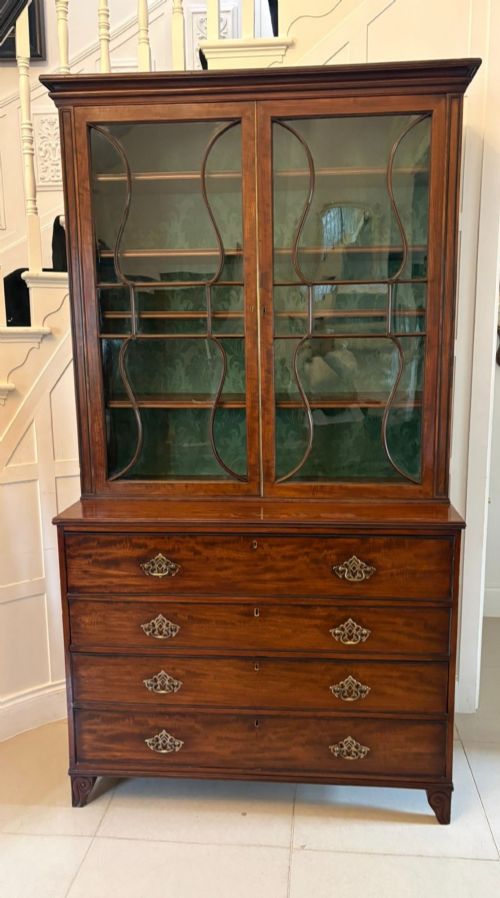
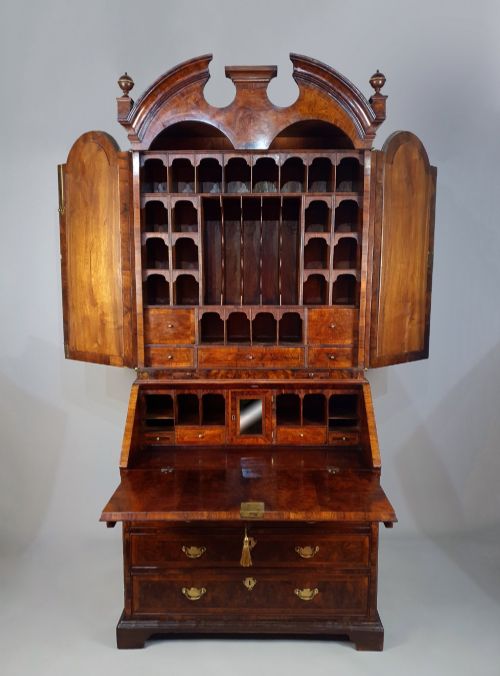
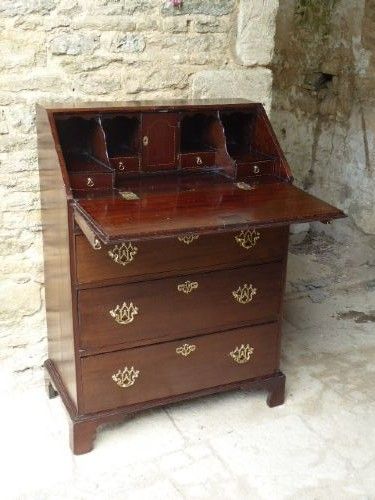
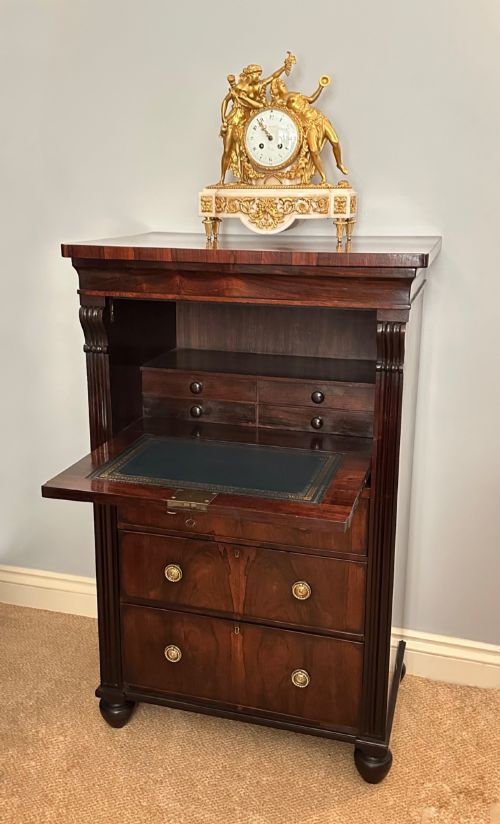
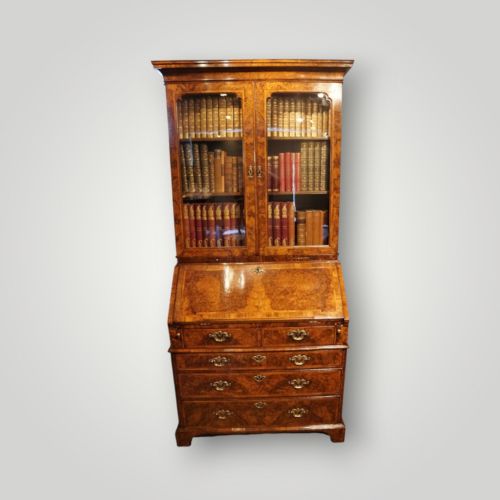
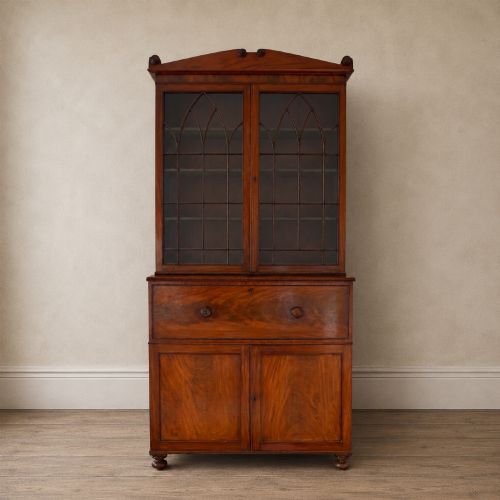
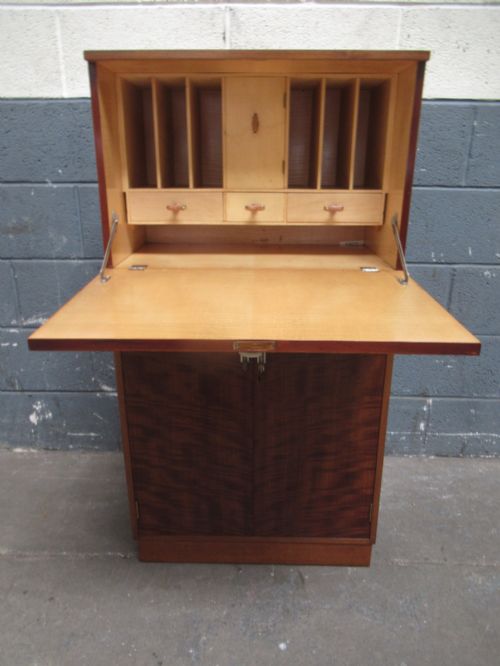
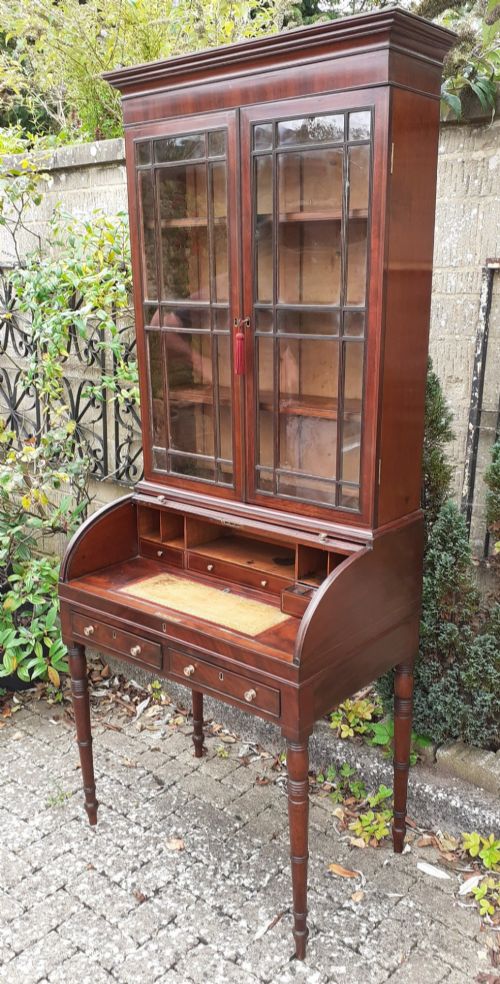
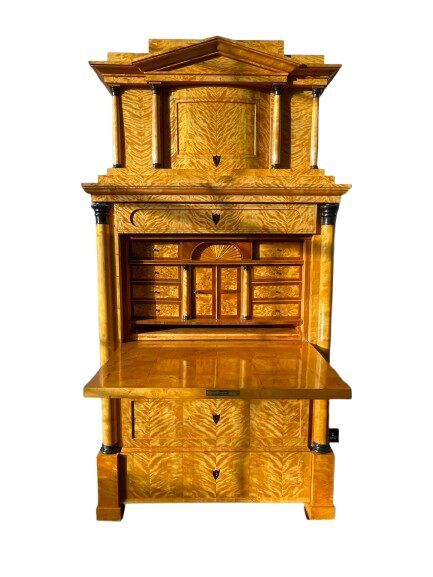
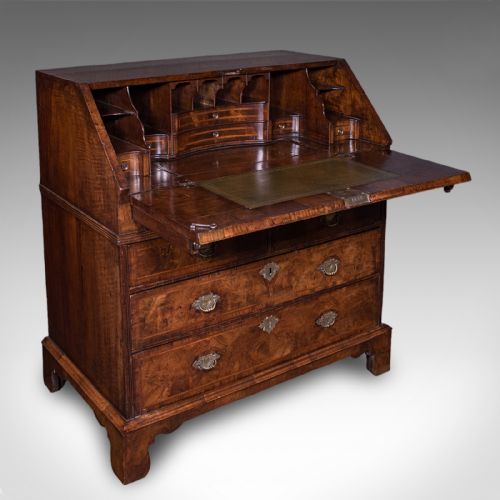
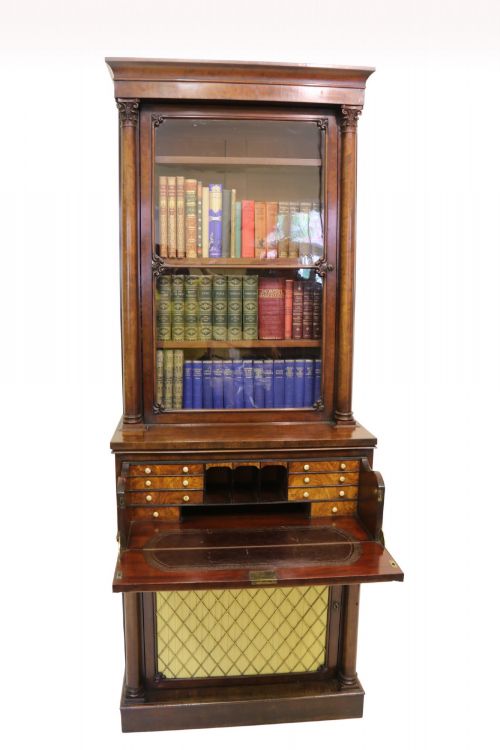
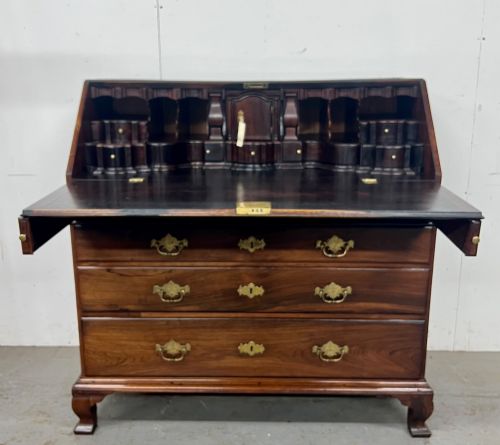
A fitted interior desk presents a writing surface combined with internal pigeonholes, small drawers and compartments designed for correspondence. These pieces span several centuries, appearing in forms from Queen Anne bureau bookcases and Georgian mahogany bureaux to Victorian davenports and Edwardian writing desks.
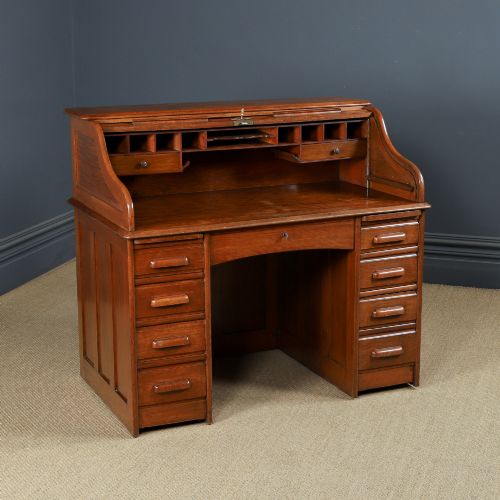
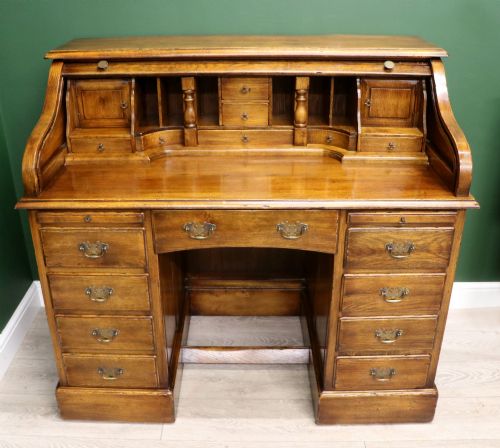
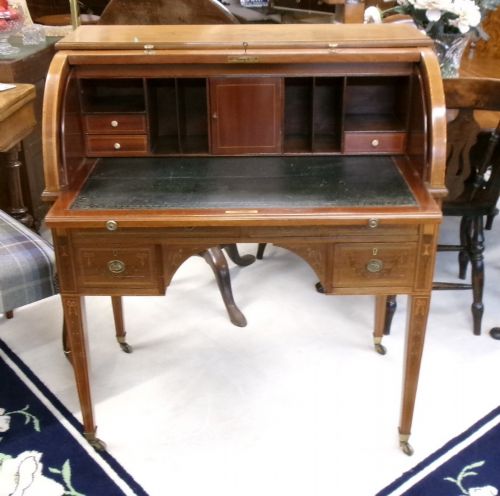
The version most commonly met on this page combines a writing flap or cylinder top with a compartmentalised interior. Examples range from compact walnut kneehole desks to substantial oak roll top desks and Anglo Chinese models.
Origins stretch from the early eighteenth century through the Victorian era and up to nineteen ten, encompassing styles such as Queen Anne, Georgian and Edwardian.
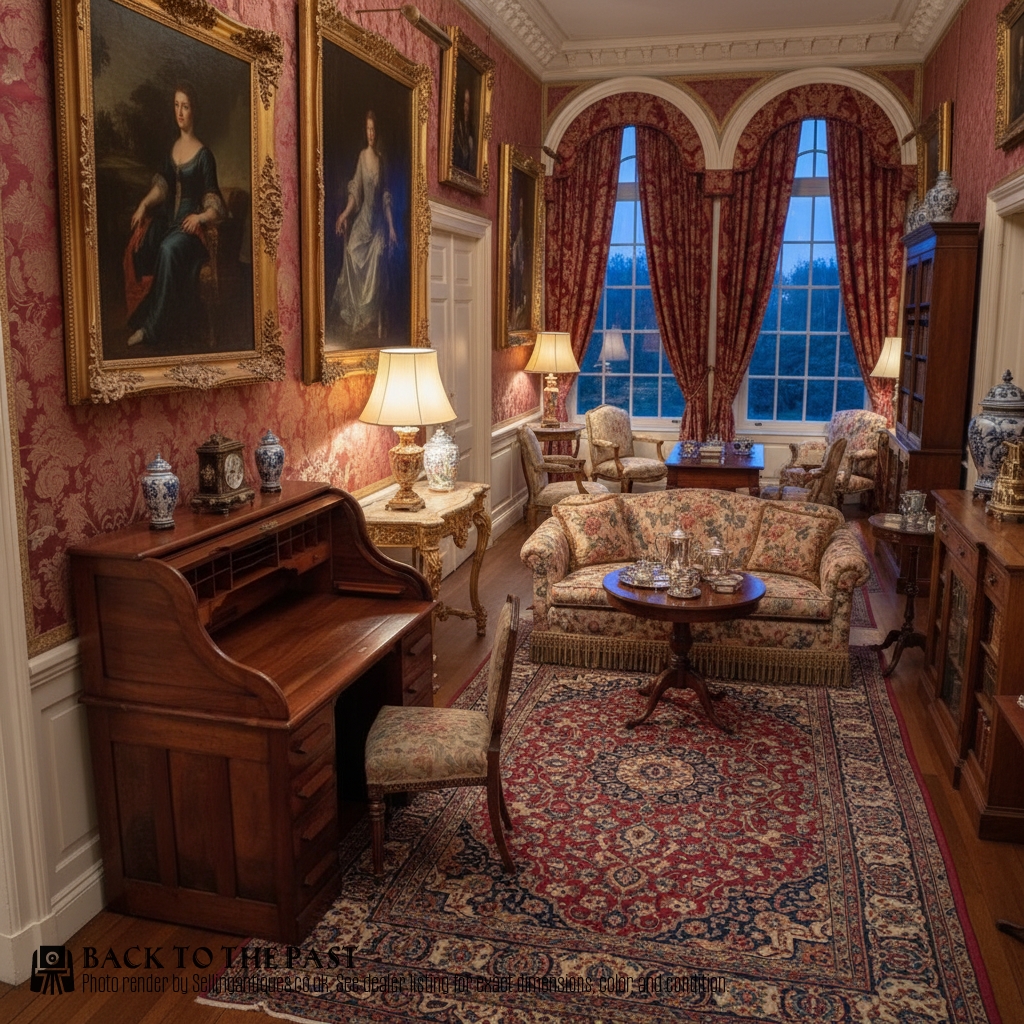
How they were made
Constructed from solid timbers and veneers, these desks utilise oak, mahogany, walnut, burr walnut, rosewood, golden oak and satinwood inlay. Brass hardware appears on handles and drawer pulls.
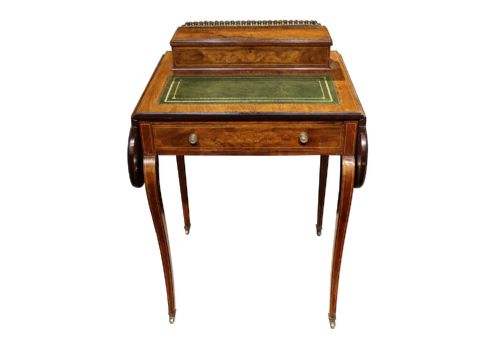
Surfaces feature leather inserts alongside carved decoration and barley twist supports. Interior compartments are built with miniature drawers and stationery slots behind fall down fronts, cylinder tops, tambour panels and mirrored doors.
Retail Price Guide 2026
Typical UK retail prices for fitted interior desk, calculated from the Sellingantiques database of over a million retail prices indexed since 2003. This retail price guide relies exclusively on Sellingantiques data; no external sources or auction records are used, so the figures do not describe the wider market.
Styles represented across the inventory include Queen Anne, Georgian, Victorian and Edwardian.
What varies in quality
Quality rests upon the choice of timber and veneer figure, where burr walnut and figured mahogany elevate a piece above plain oak. The complexity of the internal arrangement and the precision of the pigeonhole joinery distinguish finer examples.
Original hardware, such as brass handles and fitted mirrors, maintains integrity. The integration of mechanical elements like cylinder tops and tambour mechanisms determines the smoothness of operation.
Boston Chair Company
The Fitted Interior Desk Glossary
- Bureaux
- A writing desk featuring a sloping fall front that opens to reveal a fitted interior of small drawers and pigeonholes.
- Davenport
- A compact Victorian desk style with a sloping writing surface and drawers opening to the side.
- Tambour
- A sliding door made of narrow strips of wood glued to canvas, often found enclosing desk interiors.
- Pigeonhole
- A small compartment within a fitted interior used for sorting letters and documents.
- Kneehole desk
- A freestanding desk with a central recess for the user's legs, flanked by pedestals of drawers.
Frequently Asked Questions
What is a fitted interior desk?
A fitted interior desk is a writing desk featuring internal compartments, small drawers and pigeonholes hidden behind a sloping flap, cylinder top or tambour door.
These compartments were designed to organise stationery, letters and valuable documents securely.
How do I identify an eighteenth century bureau?
Eighteenth century bureaux typically display pegged drawer construction, bracket feet and fine timber veneers such as walnut or mahogany.
The internal drawers often feature hand cut dovetails and solid secondary woods.
Where were davenport desks used?
Davenport desks were popular in Victorian homes as space saving writing tables for parlours and drawing rooms.
Their compact footprint allowed them to sit comfortably in smaller reception rooms.
What woods were used for these desks?
Makers utilised a range of timbers including oak, walnut, burr walnut, mahogany, rosewood and satinwood inlay.
Softer woods like oak served for structural framing, while figured veneers decorated primary exterior surfaces.