


Fireside Storage Box
A fireside storage box keeps fuel close to the hearth while hiding the messy reality of coal and logs.
Fireside Storage Box
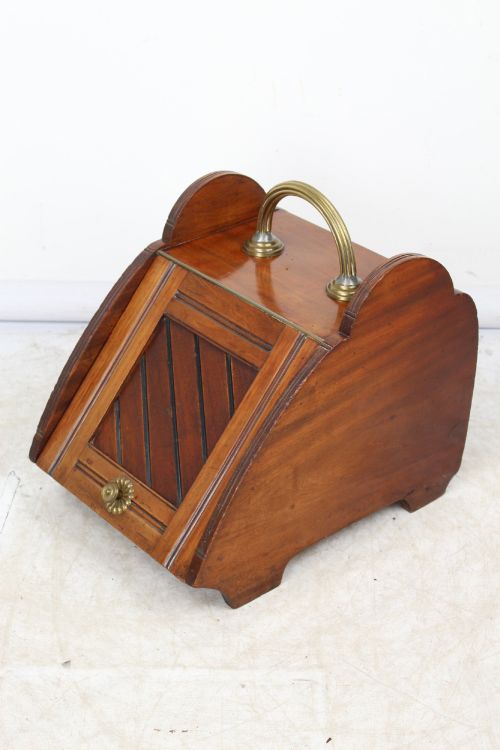
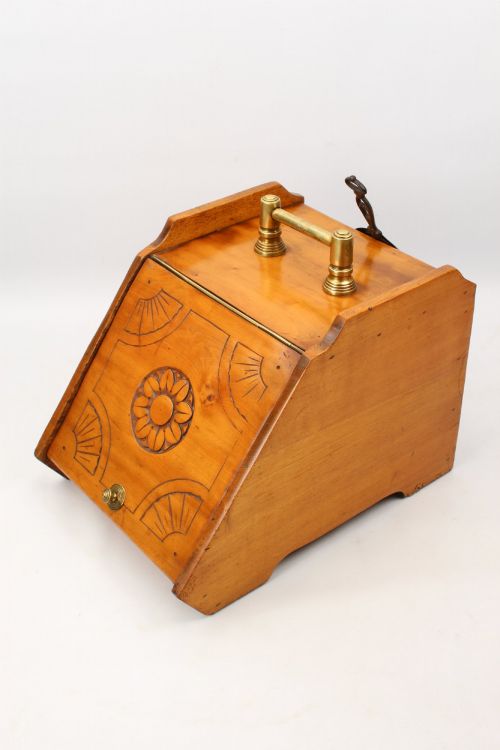
A fireside storage box serves as a practical hearthside container for coal, logs, or kindling. When you search for a fireside storage box, you encounter pieces designed to hold fuel neatly beside an open hearth. The versions you meet most frequently on this page belong to the Victorian and Edwardian eras, spanning timber cabinets to metal buckets.
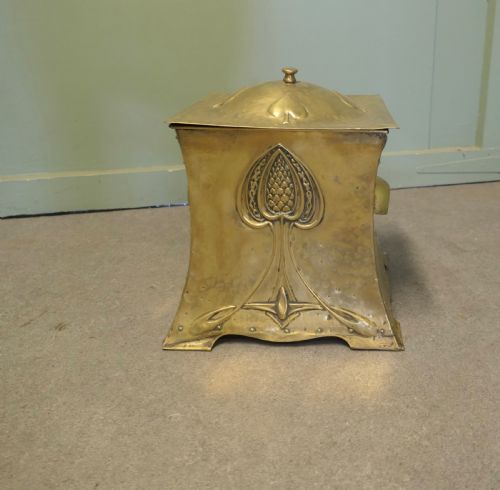
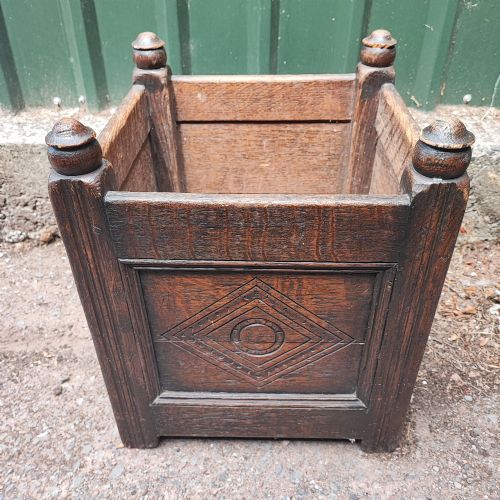
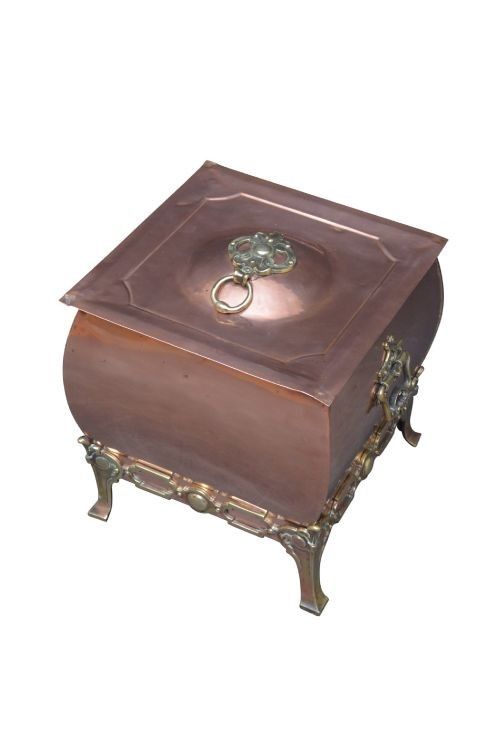
The selection ranges from upright purdoniums with drop-front doors to hinged wooden boxes and open metal scuttles. Traditional English oak, mahogany, and walnut forms sit alongside continental pine, scandinavian baskets, and copper vessels. Many retain internal metal liners or designated slots for shovels.
Materials and Technique
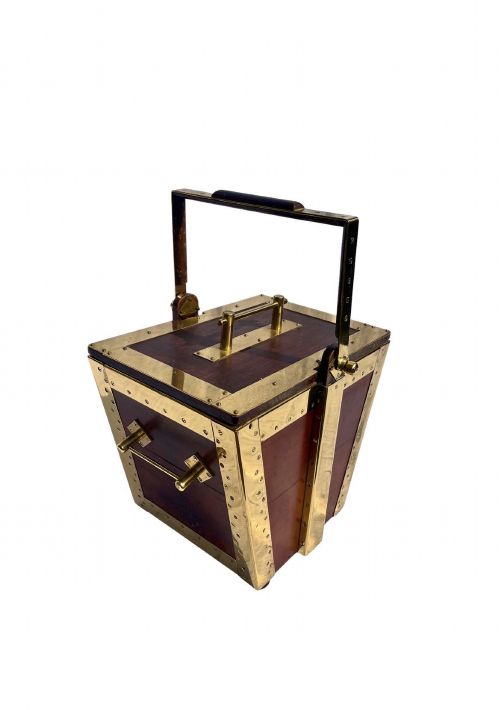
Cabinetmakers constructed wooden boxes from oak, mahogany, walnut, and pine, often adding brass handles, hinges, and strapwork. Edwardian and Victorian workshops frequently utilised inlaid wood veneers or carved detailing on cabinet doors and lids.
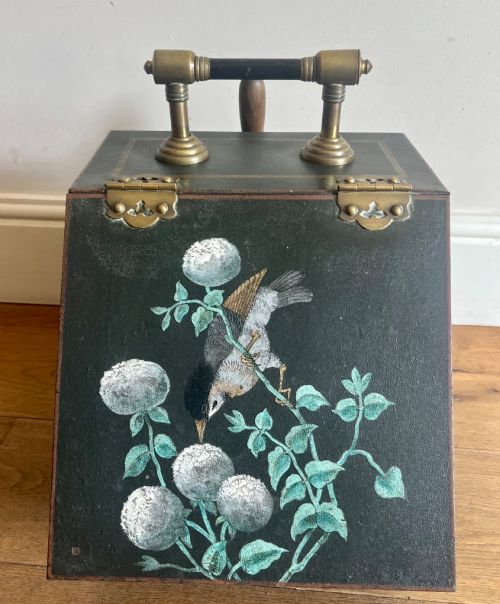
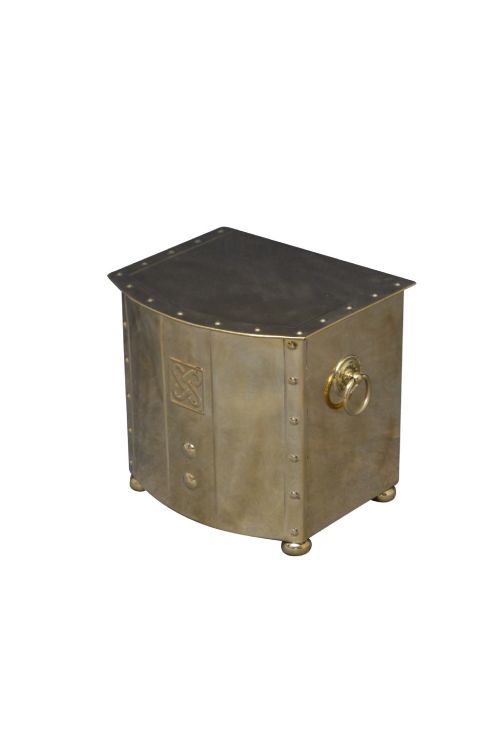
Metal versions rely on hammered, embossed, or polished copper and brass sheets assembled over iron frames. Blacksmiths shaped heavier iron and steel components, while tole ware pieces feature painted tinplate construction.
Fireside Storage Box Retail Price Guide 2026
Typical asking prices for fireside storage box among the pieces listed under this phrase on Sellingantiques today, from the lower quarter to the upper quarter. They describe what is for sale here now, not the wider market.
Listings feature oak, mahogany, walnut, pine, brass, copper, and iron across Victorian, Edwardian, and Georgian periods.
Standards of Craftsmanship
Quality rests in the heaviness of the gauge of brass or copper and the integrity of the cabinet joinery. Superior examples maintain sturdy structural frames that withstand heavy daily loads of dense timber and coal.
Finer boxes display thoughtful decorative integration, such as hand-beaten metal panels, precise wood inlay, and original internal metal liners that protect the outer shell from damp fuel.
The Fireside Storage Box Glossary
- Purdonium
- A specialised coal cabinet featuring a sloping drop-front door and an internal shovel compartment. These Victorian and Edwardian storage boxes kept coal contained near the grate.
- Cellarette
- A formal cellar box adapted for fireside fuel storage. These Georgian and Victorian containers often possess robust locking mechanisms and panelled wooden bodies.
- Tole Ware
- Painted or enamelled tinplate used for decorative household objects. These items bring colourful or dark japanned finishes to fireside metal storage.
- Spade decoration
- An embossed or engraved motif depicting a garden spade on metal fuel boxes. This decorative detail echoes the function of transferring coal to the grate.
- Aesthetic Period
- A late nineteenth-century design movement prioritising visual beauty over strict historical revival. Pieces from this style emphasise artistic brass panels and linear timber forms.
Fireside Storage Box: Frequently Asked Questions
What is a purdonium?
A purdonium is a dedicated coal cabinet with an angled drop-front door that spills fuel forward when opened. They commonly include an internal metal liner and a matching shovel stored in a side rack.
Cabinetmakers built these pieces during the Victorian and Edwardian periods to replace open buckets with more refined domestic furniture.
How do I use one today?
These boxes function well beside wood-burning stoves or open fireplaces for holding logs, kindling, or peat briquettes. The internal liners protect modern flooring and surrounding carpets from debris.
They also serve as general storage chests in living rooms for blankets, magazines, or board games.
How do I date a wooden box?
Dating relies on timber choices, construction techniques, and hardware styles. Georgian and early Victorian pieces tend to use solid mahogany or oak with hand-cut dovetails.
Later Victorian and Edwardian examples frequently incorporate machine-made screws, brass-mounted locks, and elaborate lid inlays.
Why do some have metal liners?
Original metal liners protected the wooden framework from moisture, coal dust, and soot accumulation. Removable liners allowed owners to empty and clean coal residue outside the main living spaces.
Finding a box with its original liner indicates a well-preserved piece.