
Fireplace Log Holder
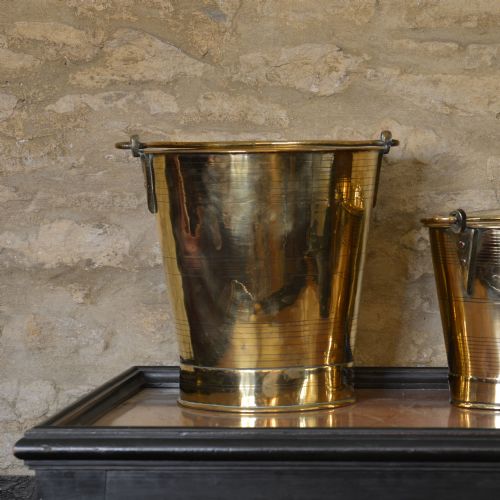
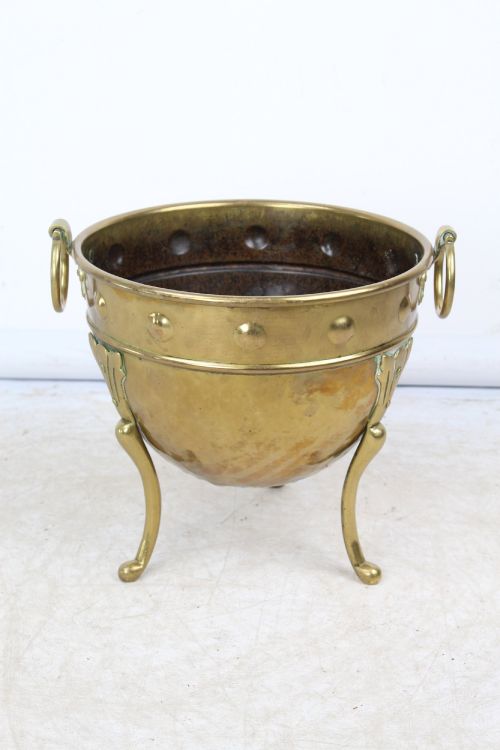
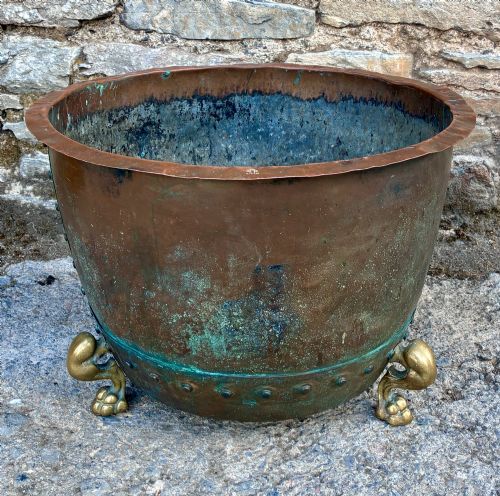
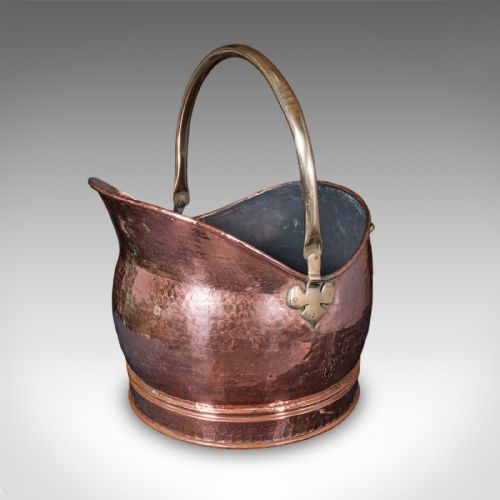
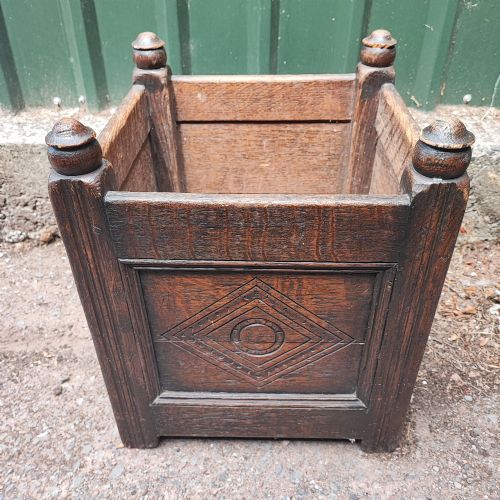
These fireplace log holder pieces bring character and practical fuel storage to a hearth, spanning brass bins, copper buckets and iron fire dogs.

Fireplace Log Holder
When you search for a fireplace log holder, you encounter a variety of hearth vessels and fire irons designed to contain fuel or support burning wood. The selection on this page relies heavily on Victorian and 19th Century forms, alongside Edwardian, Georgian and Regency examples.
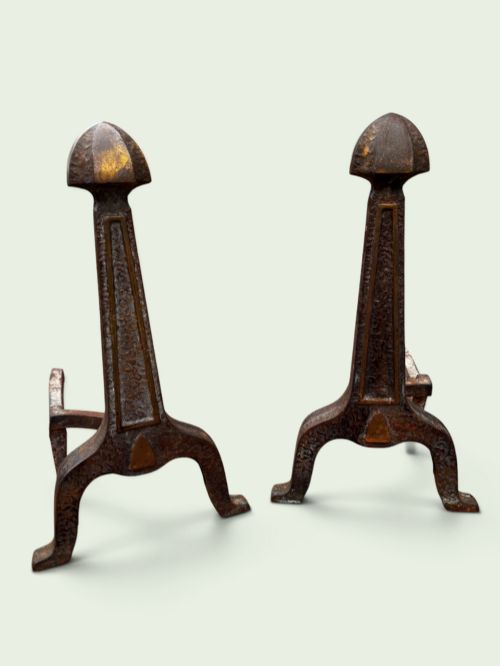
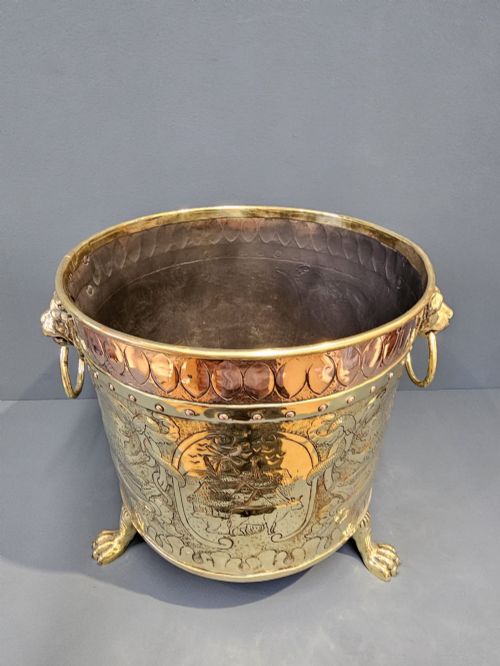
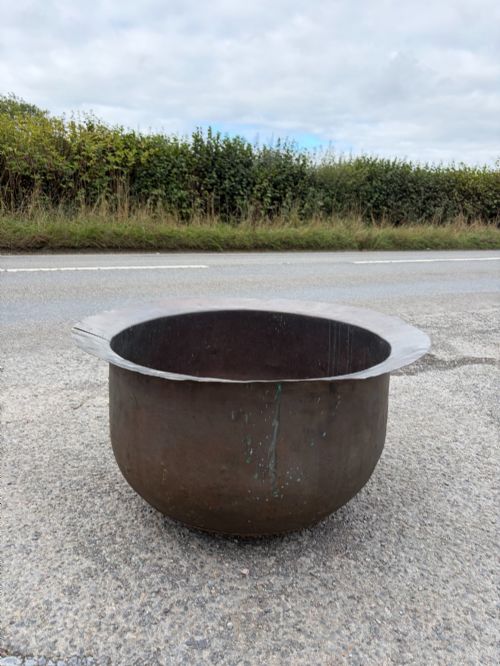
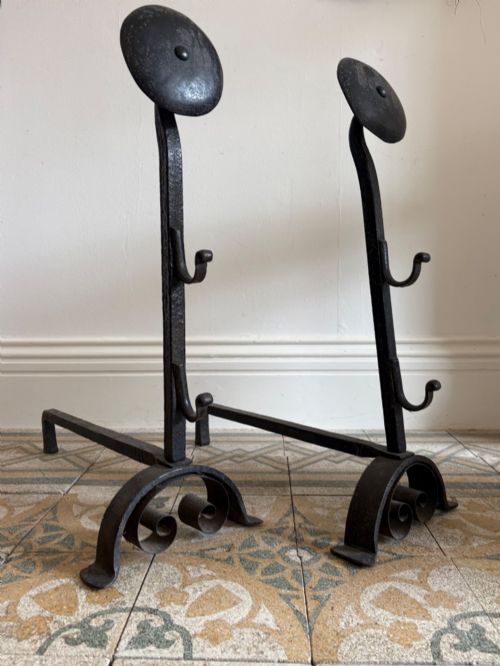
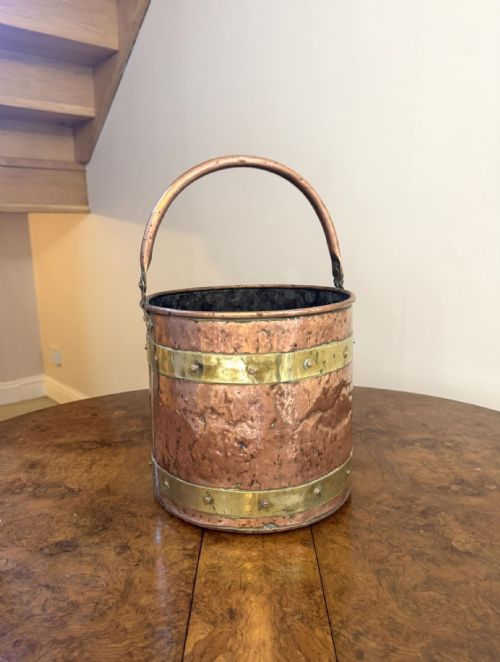
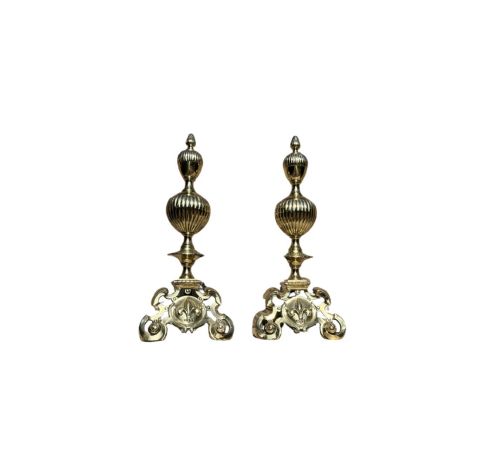
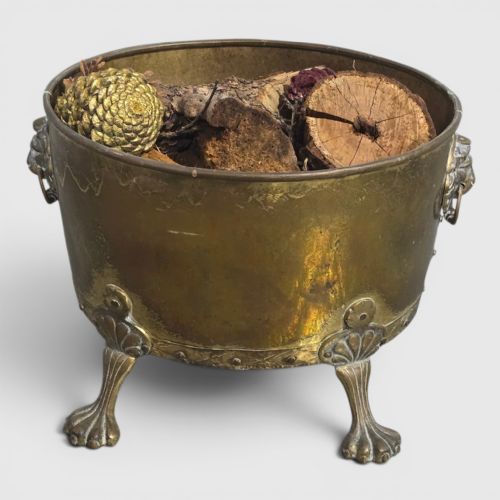
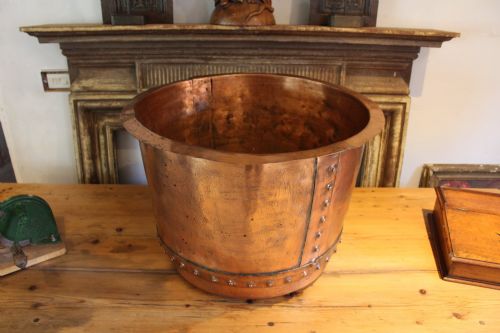
The most common vessels you meet are copper and brass coal buckets, log bins and riveted pots, often adapted from earlier utility items. Alongside these sit pairs of wrought iron and cast iron andirons, fire dogs and fire baskets used to elevate wood off the hearth floor.
Makers and craftsmen utilised robust metals and sturdy timbers, resulting in objects that served demanding daily functions in period homes. Today, these pieces bridge the gap between functional hearth storage and decorative antique display.
How they were made
Makers constructed these hearth vessels primarily from beaten copper and sheet brass, frequently reinforced with iron bands, riveted seams and cast brass handles. Coopered oak buckets rely on tight wooden stave construction bound with metal hoops, while fire dogs showcase hand-forged and wrought iron techniques.
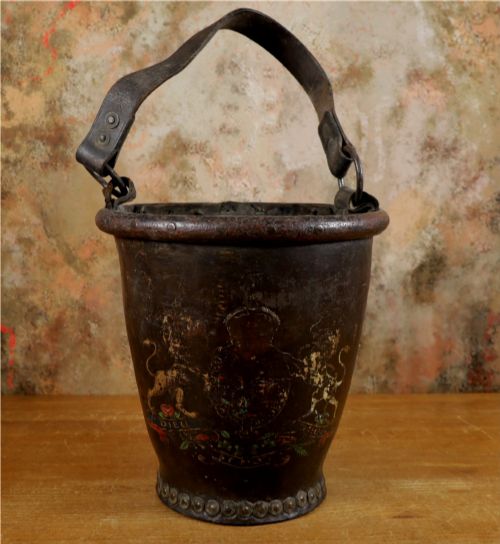
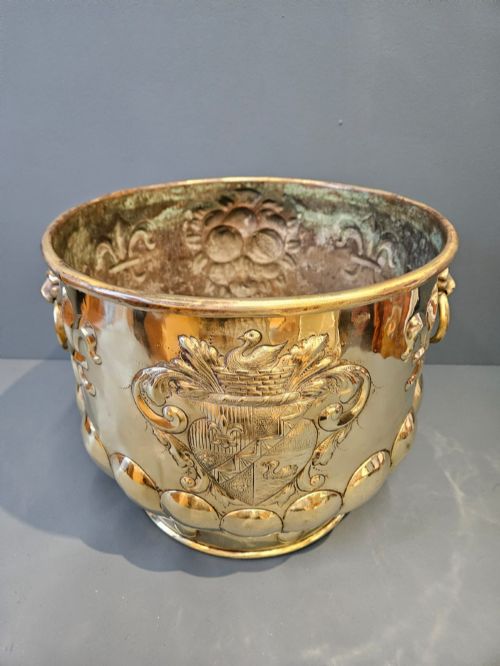
Surface finish details include hand-hammered texturing, embossed motifs and applied crests, contrasting the warm glow of polished copper against dark ironwork. Riveted construction methods ensured that coal and log buckets could withstand the heavy daily wear of nineteenth-century domestic service.
Fireplace Log Holder Retail Price Guide 2026
Typical asking prices for fireplace log holder among the pieces listed under this phrase on Sellingantiques today, from the lower quarter to the upper quarter. They describe what is for sale here now, not the wider market.
Materials recorded on this page include copper, brass, wrought iron, cast iron, oak and leather.
What varies in quality
The distinction between ordinary utility items and superior examples lies in the weight of the metal, the crispness of hand-hammered decoration and the integrity of original rivets and handles. Heavier gauges of copper and thick brass bands indicate a higher grade of manufacture intended for prominent reception rooms rather than back-of-house service.
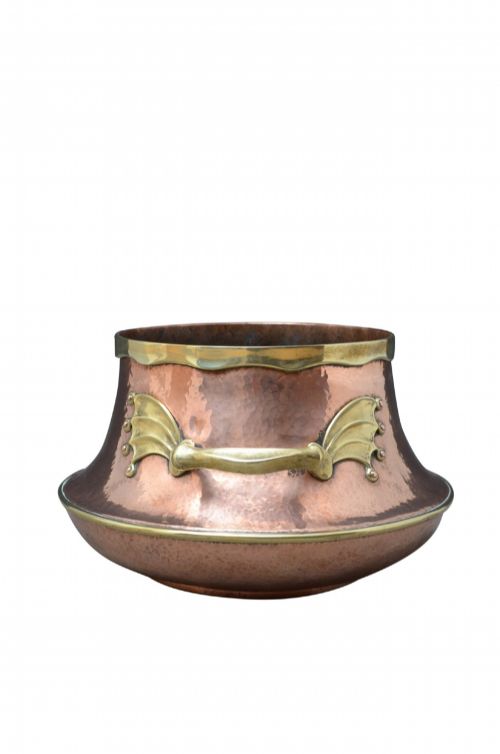
Design sophistication also separates the range, with Arts and Crafts, Art Nouveau and Regency pieces offering considered stylistic details such as dragon motifs, heraldic crests or medieval ironwork styles. Original liners, uncompromised structural joins and honest patination elevate an ordinary bucket into a notable collector piece.
Henry Loveridge·Petrus Ramus
The Fireplace Log Holder Glossary
- Andiron
- A horizontal iron bar supported on legs, with a vertical pillar at the front, used to raise logs off a hearth for better air circulation. Pairs of these metal supports sit on either side of the fireplace.
- Coal Scuttle
- A metal bucket or box designed for carrying and storing coal beside a fireplace. Many feature a hinged lid and a pivoting handle for easy tipping.
- Jardiniere
- An ornamental pot or stand used to hold plants or flowers, often repurposed from heavy copper or brass vessels. These large containers share similar manufacturing traits with log bins.
- Coopered
- Made by a cooper using narrow wooden staves bound together with metal hoops. This traditional technique formed durable round containers like oak buckets.
- Fire Basket
- An open metal grate designed to hold coal or wood within a fireplace opening. They often incorporate decorative ironwork and matching andirons.
Fireplace Log Holder: Frequently Asked Questions
How were copper buckets used?
Copper buckets served primarily to transport and store coal or logs beside the domestic fireplace. Their sturdy riveted construction handled the heavy weight of solid fuel.
Over time, many of these metal vessels found new life as plant pots or decorative hearth bins due to their warm metallic appearance.
How do I date a brass bucket?
Dating relies on manufacturing techniques such as hand-riveting, dovetail joints and the thickness of the brass sheet used. Machine-rolled seams and stamped maker marks typically point towards later Victorian and Edwardian production.
Earlier nineteenth-century examples often display heavier hand-hammered patination and simpler, robust iron handles.
Can I use antique log bins daily?
Most copper and brass bins remain structurally robust enough to hold firewood beside a modern hearth. Checking for a solid base and secure handle attachments ensures practical everyday utility.
Liners are sometimes added inside older wooden or metal buckets to protect the original interior from moisture and debris.