


Fireplace Companion Tools
Fireplace companion tools gather poker, shovel and tongs into coordinated sets that keep hearths tidy across Georgian, Victorian and Edwardian periods.
Fireplace Companion Tools
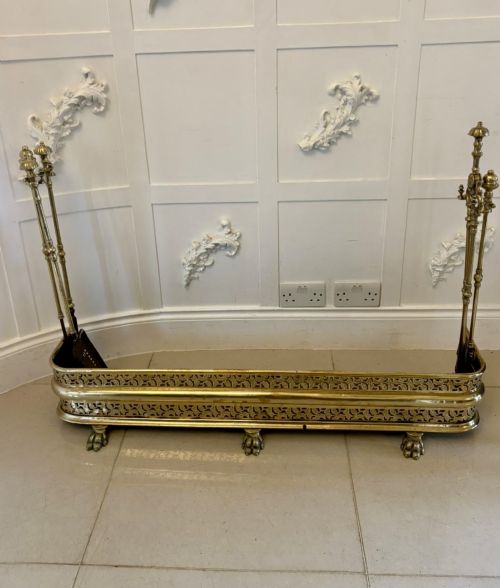
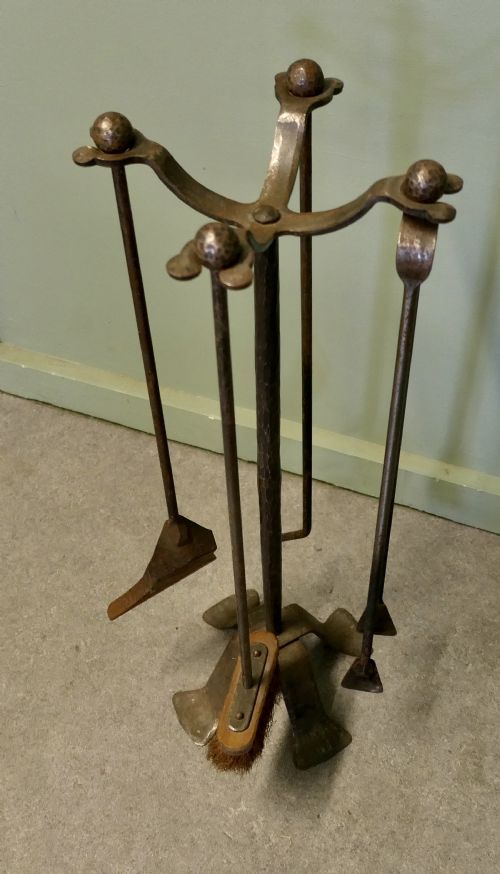
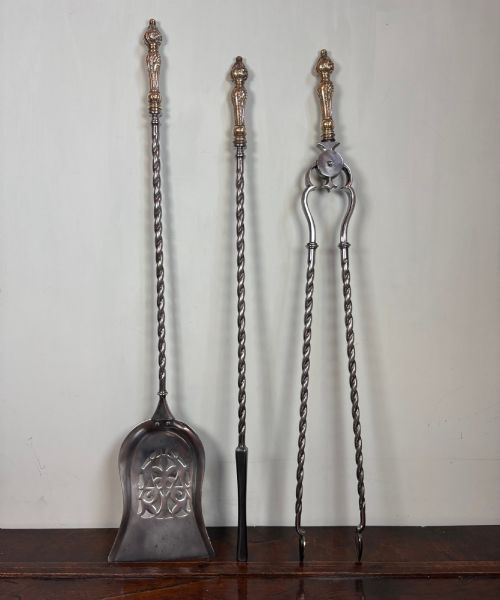
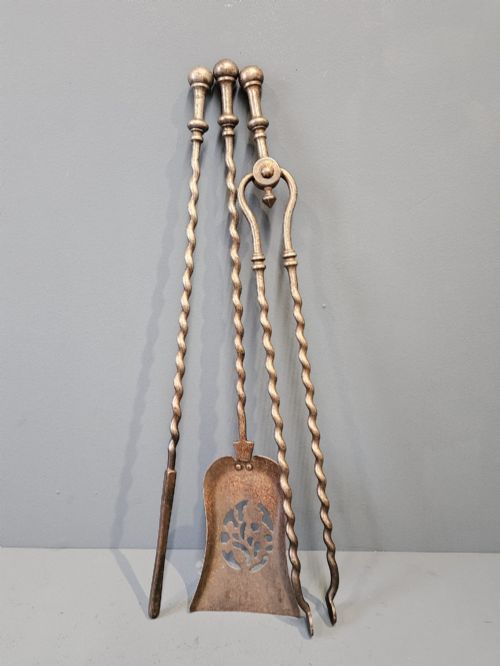
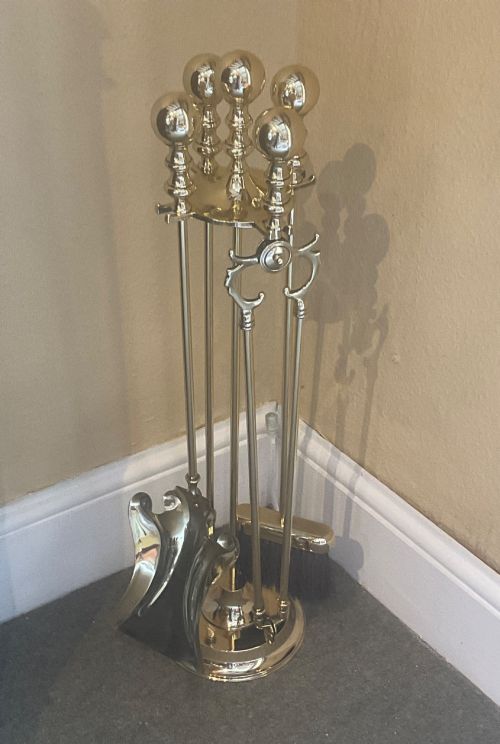
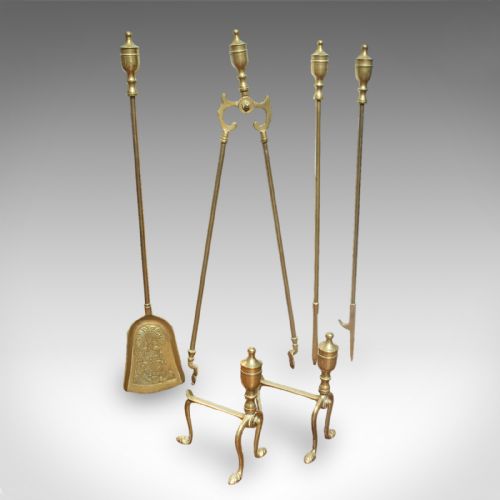
Fireplace companion tools bring together the essential implements needed to manage a solid fuel fire, arranged either in hanging stands or resting upon dedicated companion sets. These sets range from utilitarian country house inglenook equipment to formal drawing room ensembles complete with fire dogs.
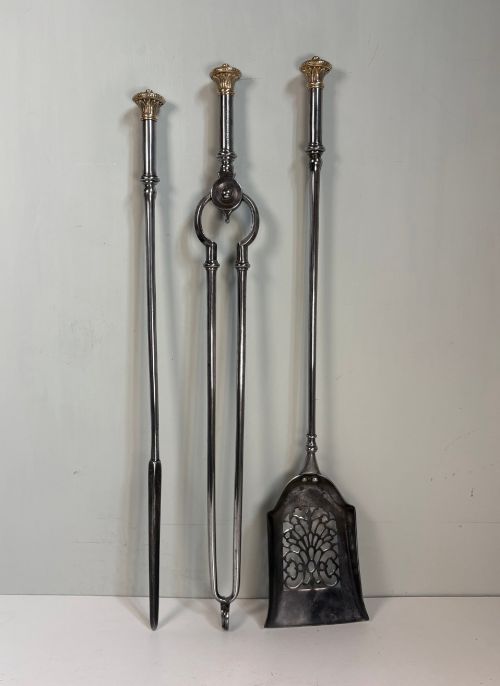
The versions most frequently met on this page date from the nineteenth century and the early twentieth century, spanning Victorian, Edwardian and Regency periods. They appear as matched trios of fire irons or integrated stands incorporating shovels, pokers and tongs.
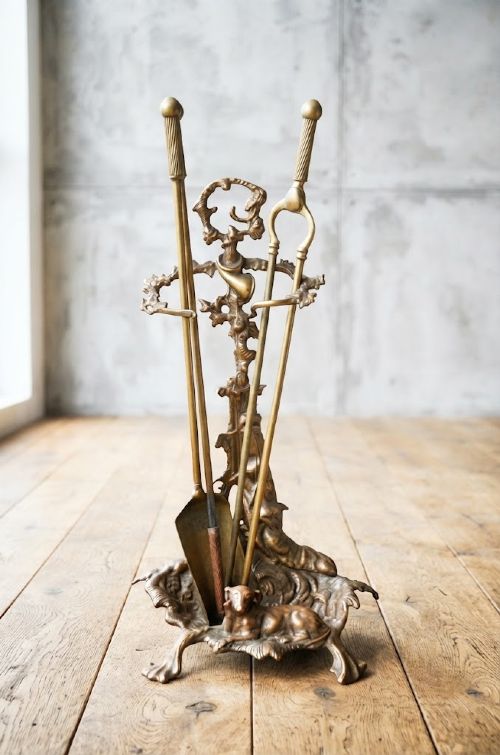
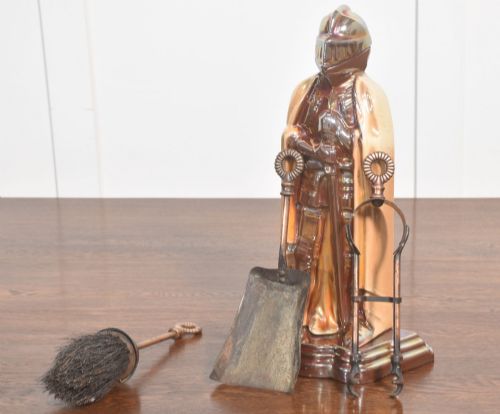
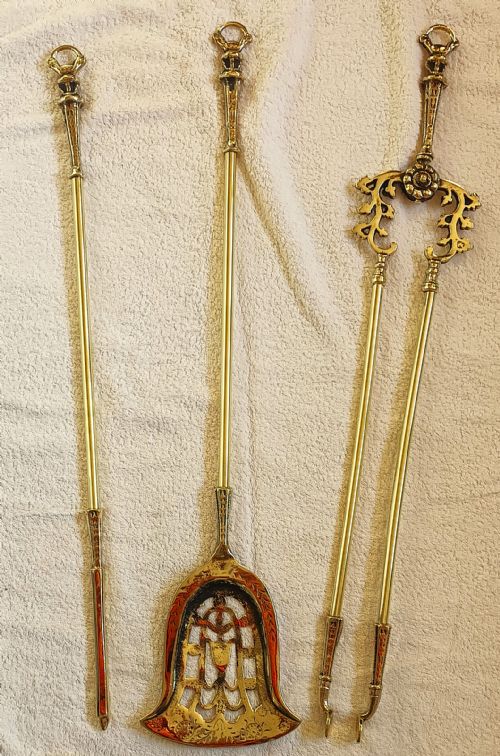
Beyond standard hearth tools, variations include specialist maintenance items like maid's fireside sets, umbrella stands adapted for companion use, and figurative designs such as knights or golfers. Material combinations bridge functional steel and iron with decorative cast or polished brass.
How they were made
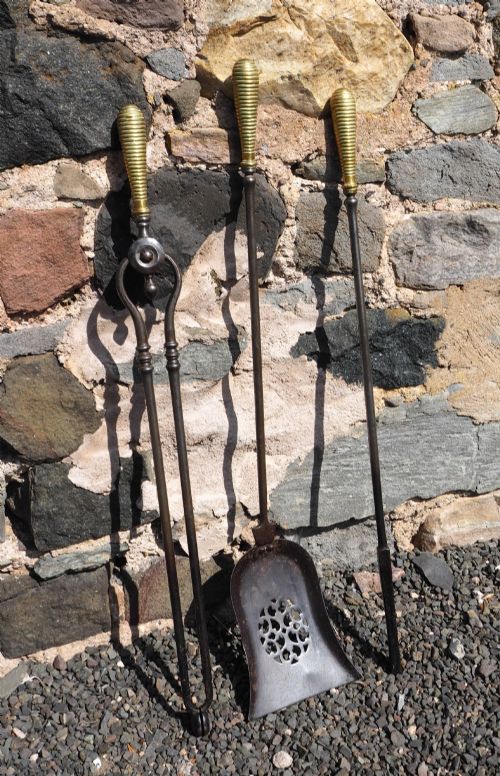
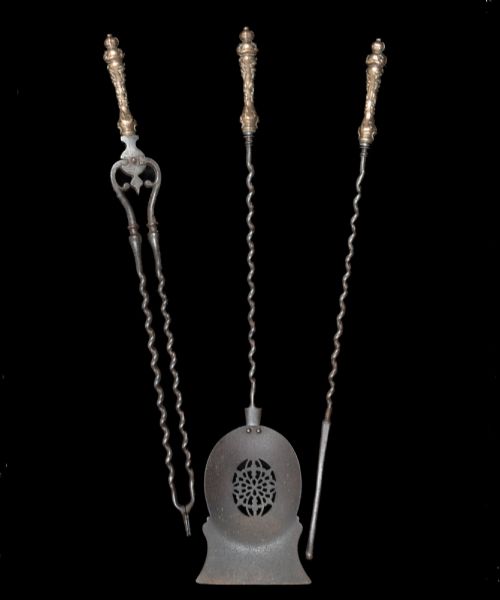
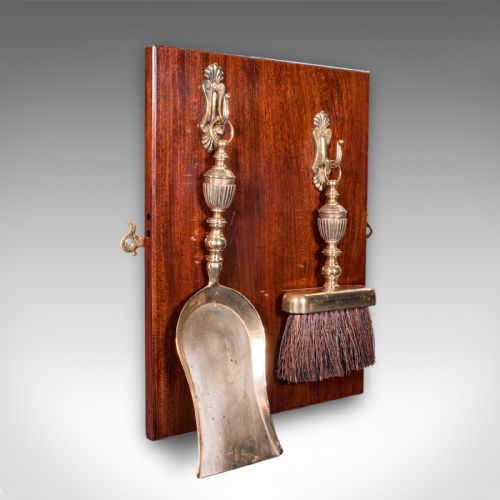
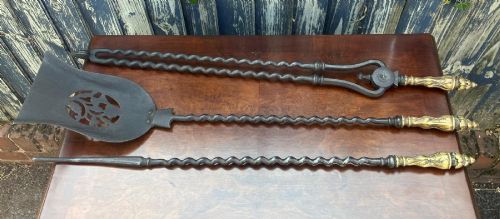
Makers utilised durable metals suited to daily exposure to heat and ash, primarily relying on forged steel, wrought iron and cast iron for the functional shafts and blades. Brass appeared both as solid cast elements and sheet metal plating, often shaped with decorative rope twist handles or Rococo scrollwork.
Techniques combined blacksmithing and foundry casting, where iron and steel were beaten and shaped by hand before being polished or painted, while brass components were cast and turned on lathes. Handles and finials were frequently cast separately and joined mechanically to the main tool stems.
Listings feature fireplace companion tools spanning from the Georgian period through to the 1930s, constructed in brass, steel, iron and painted metal.
What varies in quality
Quality rests in the integrity of the metalwork and the weight of the individual pieces, distinguishing robust country house equipment from lighter decorative productions. Superior examples display crisp casting details on handles and stands, without the pitting or heavy distortion often found in utilitarian pieces.
The refinement of the assembly marks the upper tier, where matched sets retain their original companion stands, fire dogs or tool rests rather than being assembled from disparate items over time. Intricate decorative elements like rope twist grips or hand-chased brass mounts indicate higher craftsmanship.
The Fireplace Companion Tools Glossary
- Companion set
- A matched collection of fireplace tools, usually comprising a poker, shovel and tongs, often arranged on a dedicated stand. These groupings ensure stylistic consistency beside the hearth.
- Fire dogs
- Supporting metal irons placed on either side of a hearth to hold logs above the base. They frequently accompany larger brass or iron tool sets.
- Inglenook
- A large recessed fireplace space designed to accommodate seating within the hearth area. Tools intended for these spaces are typically heavy and robust.
- Rope twist
- A decorative spiral pattern carved or cast into metal tool handles. This detail adds texture and grip to brass shafts.
Fireplace Companion Tools: Frequently Asked Questions
What tools come in a set?
Standard fireplace companion tools typically include a poker for adjusting logs, a shovel for clearing ash, and tongs for moving embers safely. Many collections also incorporate a hearth brush alongside these three core implements.
Depending on the period and the specific set, these tools either hang from a central vertical stand or rest horizontally upon dedicated iron and brass tool rests.
How do I date these tools?
Dating relies heavily on material combinations, manufacturing techniques, and stylistic markers such as Regency brass work, Victorian Gothic Revival motifs, or Edwardian cast designs. Georgian sets often feature plain polished steel, while late nineteenth-century examples frequently introduce decorative brass handles.
Stands and accompanying fire dogs also provide chronological clues, shifting from austere eighteenth-century ironwork to ornate cast brass frames by the early twentieth century.
Can I use antique tools?
Most antique fireplace companion tools were built from durable steel, iron and brass, making them entirely capable of practical use beside an active hearth. Steel and iron shafts withstand regular heat exposure, though delicate brass decorative elements require careful handling.
Maintenance involves keeping metal surfaces clean and dry to prevent corrosion, particularly for older steel fire irons exposed to damp ash and smoke.
What is a companion stand?
A companion stand is a dedicated upright holder designed to keep fireplace tools organised and accessible near the hearth. These stands prevent individual irons from leaning precariously against the wall or mantelpiece.
They range from simple weighted hooks on heavy bases to elaborate architectural frames, umbrella-style holders, and figurative designs depicting figures like knights or golfers.