



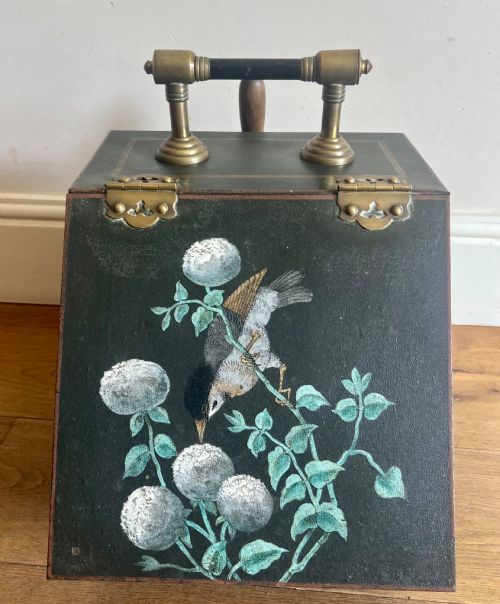
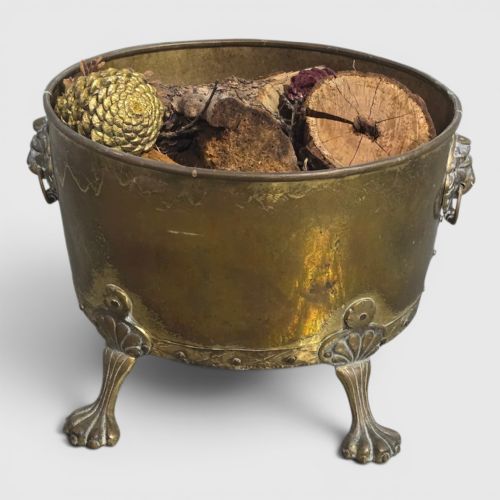
Fireplace Coal Bin
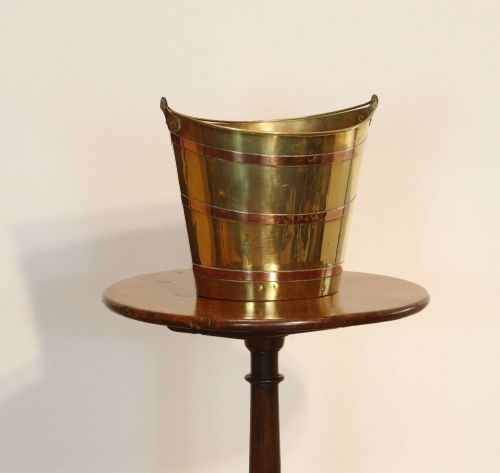
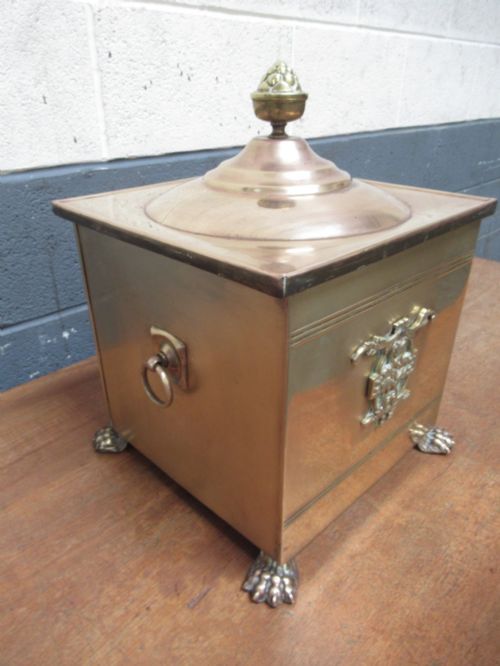
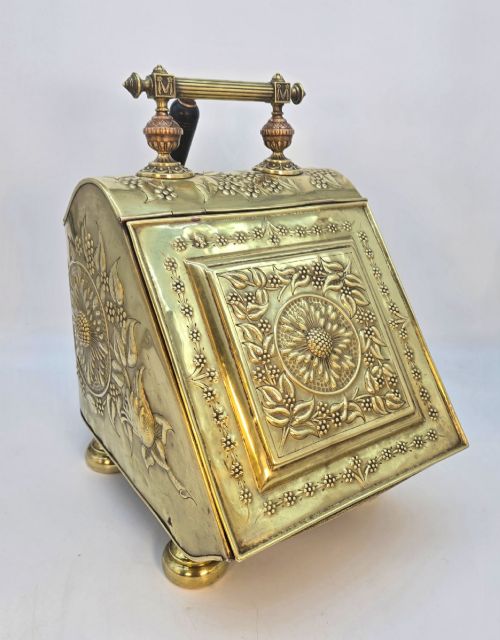
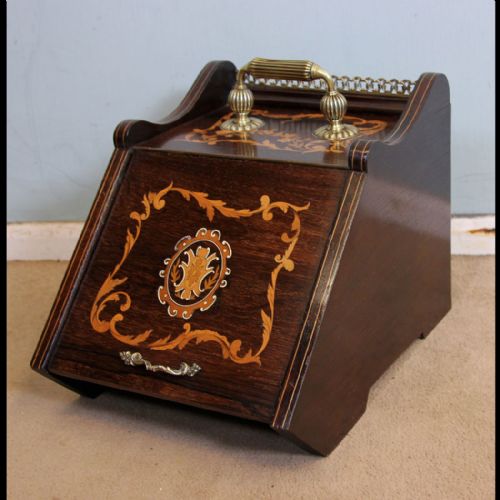
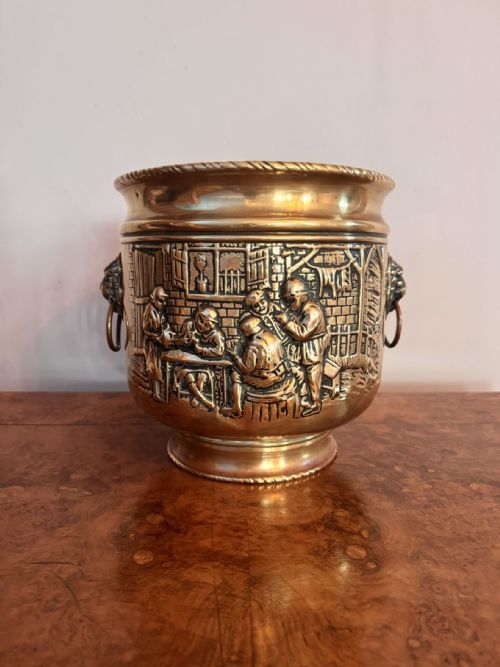
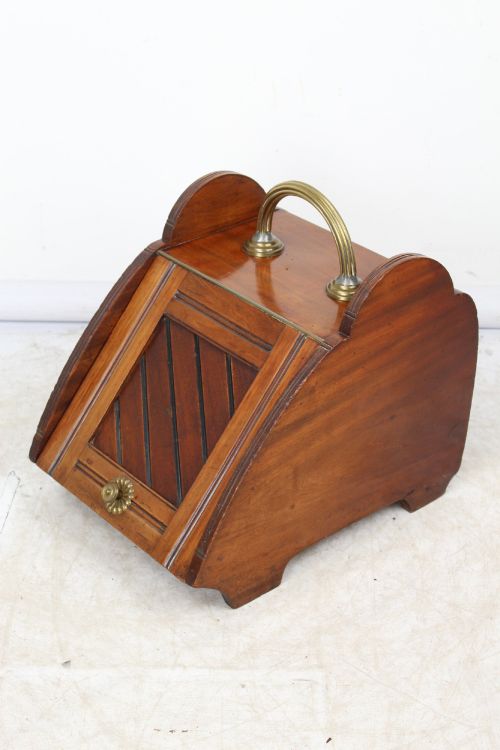
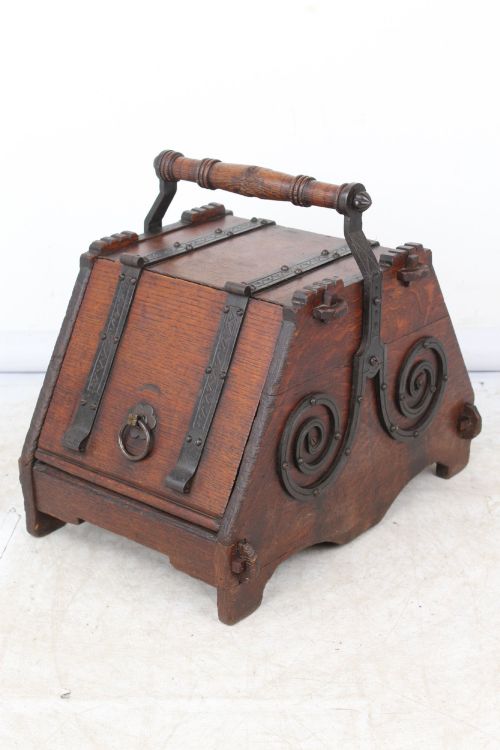
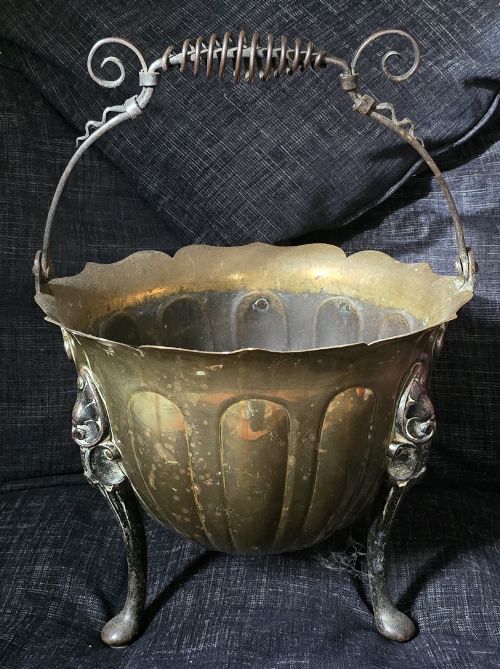
These fireplace coal bin examples combine practical fireside fuel storage with strong period character in brass, copper, and oak.
Fireplace Coal Bin
A fireplace coal bin serves as a dedicated vessel for holding coal, logs, or kindling near the hearth. When exploring this selection, buyers encounter various forms including traditional scuttles, lidded boxes, and open buckets.
Most examples date from the Victorian and Edwardian eras, spanning the late nineteenth into the early twentieth century. These pieces range from simple utilitarian country containers to decorative metal vessels designed to complement formal hearths.
Materials and construction
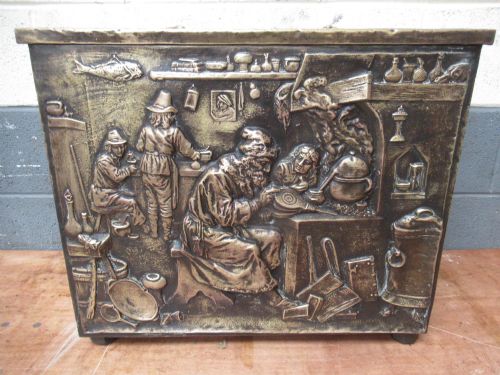
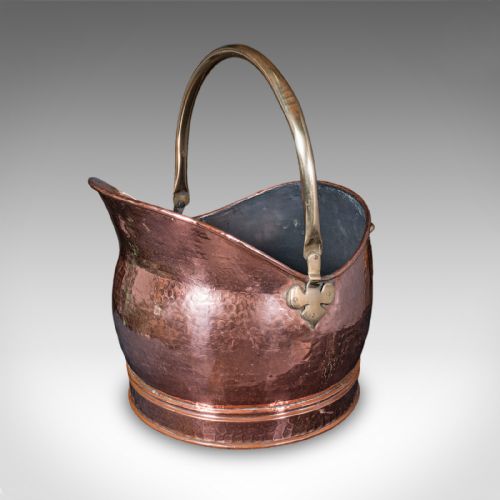
Metal versions rely on sheet brass and copper, frequently shaped with hammered finishes, embossed decoration, or secure rivet construction. Many feature swing handles, brass lion paw feet, or contrasting bands.
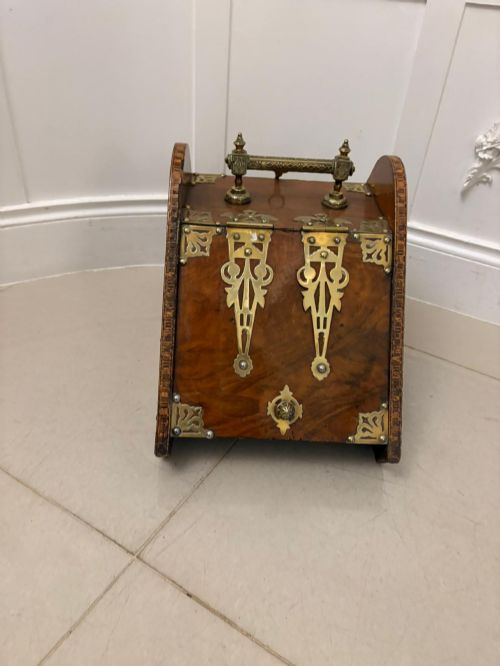
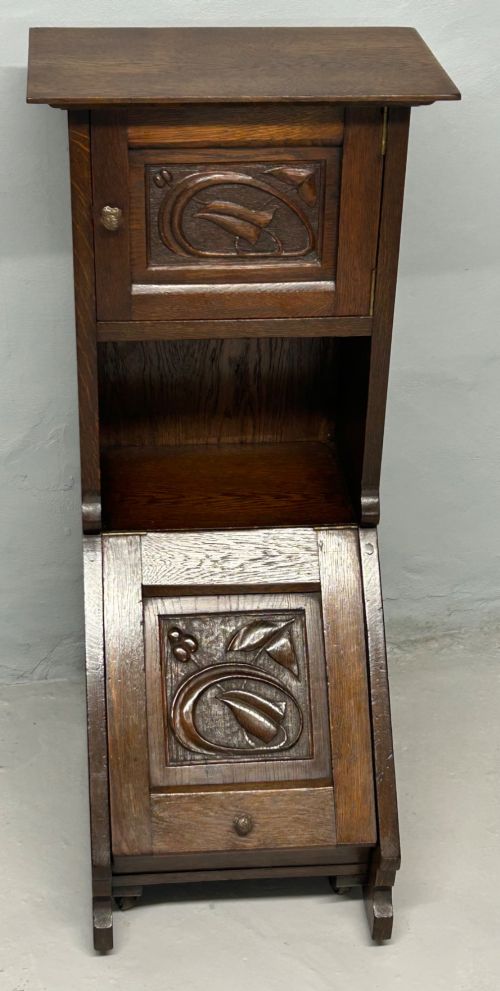
Wooden variants utilise timber such as oak, mahogany, and walnut, sometimes incorporating coopered staves or carved panels. Drop-front purdonium designs often include interior metal liners and matching metal shovels.
Fireplace Coal Bin Retail Price Guide 2026
Typical asking prices for fireplace coal bin among the pieces listed under this phrase on Sellingantiques today, from the lower quarter to the upper quarter. They describe what is for sale here now, not the wider market.
The selection spans diverse styles including Victorian, Arts and Crafts, Edwardian, Gothic Revival, and rustic country designs.
Assessing quality and craftsmanship
Quality rests in the weight of the metal and the integrity of the joins, where heavier gauge brass and thick rivets signal durability. Finer pieces display crisp hand-finished embossing and securely fitted structural elements rather than thin stamped plates.
In wooden boxes, quality shows in the selection of figured timber, tight joinery, and the preservation of original hardware like hinges and drop handles. The presence of a clean, original interior metal liner also elevates a piece.
Henry Loveridge·Christopher Dresser·Petrus Ramus
The Fireplace Coal Bin Glossary
- Purdonium
- A specialised coal box featuring a sloping drop-front door that reveals an inner metal scuttle or shovel. This design keeps dust contained while allowing easy access to the fuel.
- Scuttle
- A bucket or container fitted with a movable handle, traditionally used for carrying coal to the grate. Helmet scuttles feature a distinctive flared lip shaped for pouring.
- Coopered
- Built from vertical wooden staves bound together with metal hoops, a technique borrowed from barrel making. This method appears on traditional peat buckets and cylindrical log bins.
- Tole ware
- Lacquered or enamelled metalware, typically iron or steel, decorated with painted or printed designs. It offers a colourful alternative to plain brass and copper hearth accessories.
- Jardiniere
- An ornamental pot or vessel designed to hold plants or flowers. Many metal fireplace bins share this exact form and serve a dual purpose as indoor planters.
Fireplace Coal Bin: Frequently Asked Questions
How do I clean antique brass and copper?
Cleaning metal fireplace containers requires a gentle approach to preserve the natural patina accumulated over decades of use. Mild soapy water removes surface soot and dust safely without stripping the warm historic finish.
Harsh metal polishes should be avoided unless a bright, reflective shine is specifically desired. Leaving a light patina maintains the authentic character of nineteenth-century hearth metal.
Can I use these bins for logs?
Many bins originally intended for coal accommodate modern fireplace logs perfectly, particularly the wider cylindrical copper buckets and open oak baskets. Wider proportions and sturdy metal construction easily withstand heavier wood pieces.
Buyers should check the interior dimensions to ensure logs fit comfortably inside. Lined bins protect the outer wooden or metal structure from damp wood bark.
How do I date an antique coal bin?
Dating relies on observing material choices, manufacturing techniques, and stylistic clues like Arts and Crafts or Gothic Revival motifs. Heavy riveted copper construction and aesthetic movement embossing typically point to the late nineteenth century.
Edwardian pieces often introduce lighter oak framing and specialised purdonium mechanisms. Maker stamps or registration marks on the base provide definitive chronological markers.