




Fine Wool Area Rug
A fine wool area rug brings historic Persian and Caucasian weaving traditions into a room, offering durability and intricate medallion or floral designs.
Fine Wool Area Rug
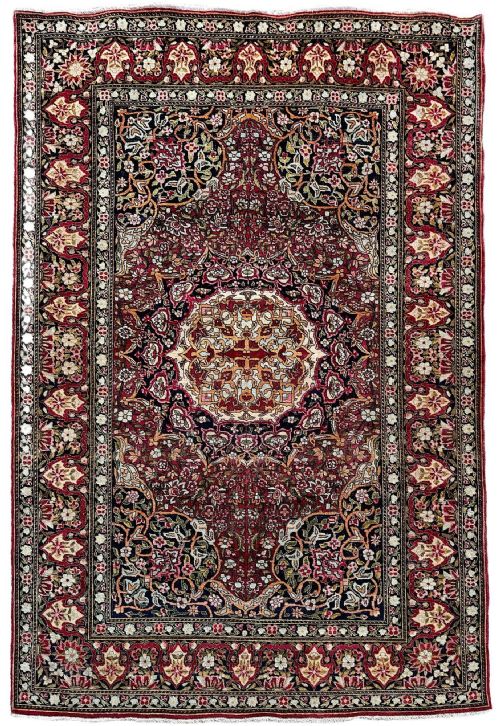
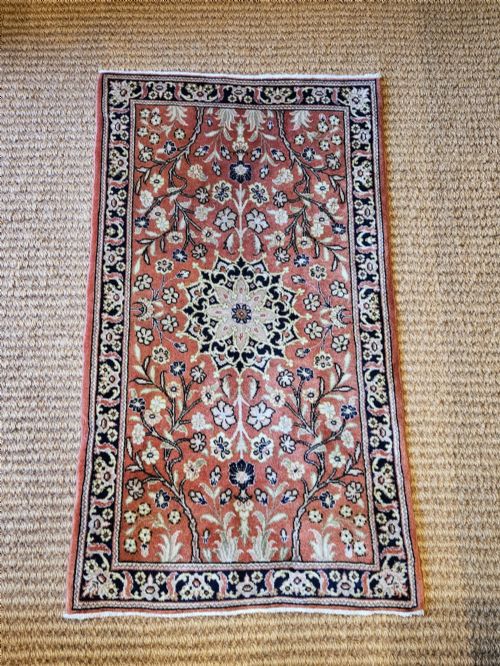
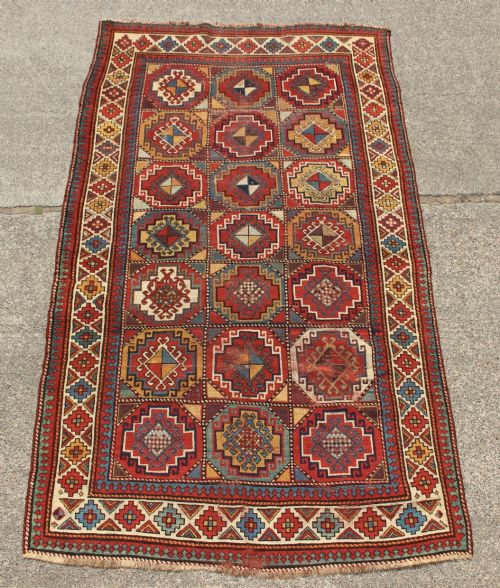
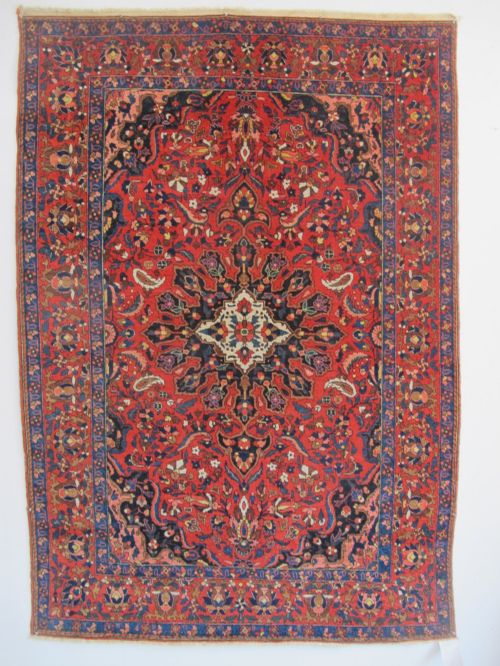
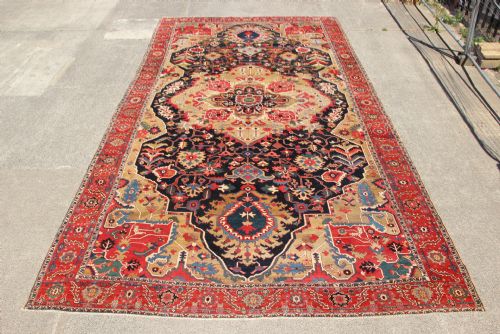
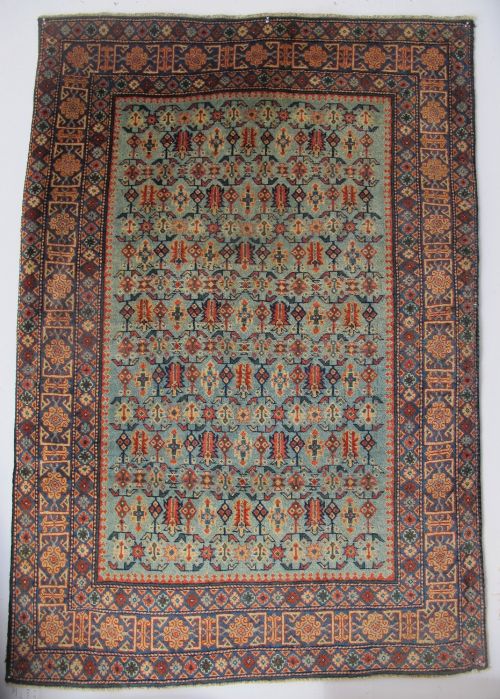
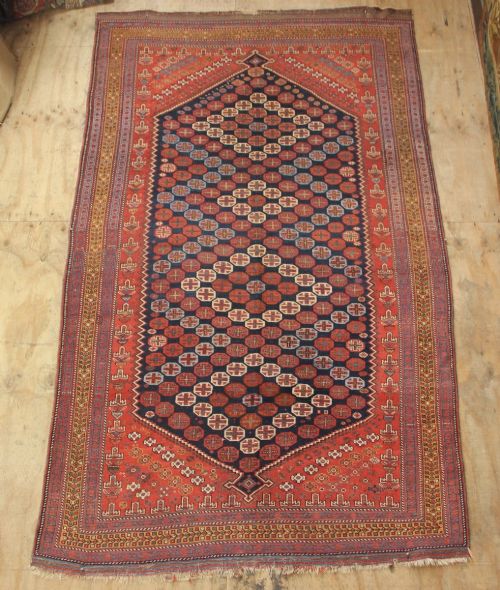
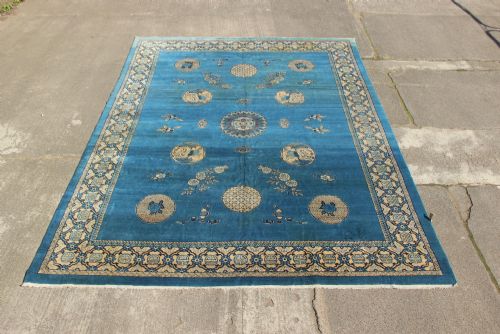
A fine wool area rug represents centuries of weaving knowledge originating primarily from Persia and the Caucasus, spanning the late nineteenth and early twentieth centuries. These pieces function as both durable floor coverings and works of textile art, executed in formats that range from hearth sizes to large carpets.
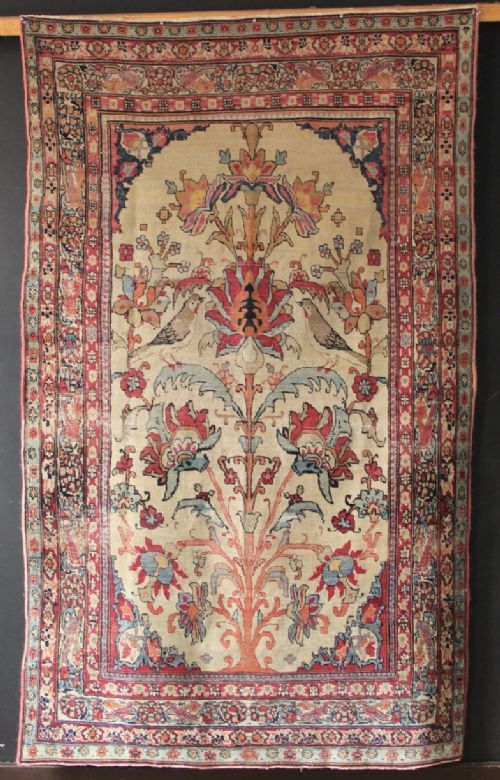
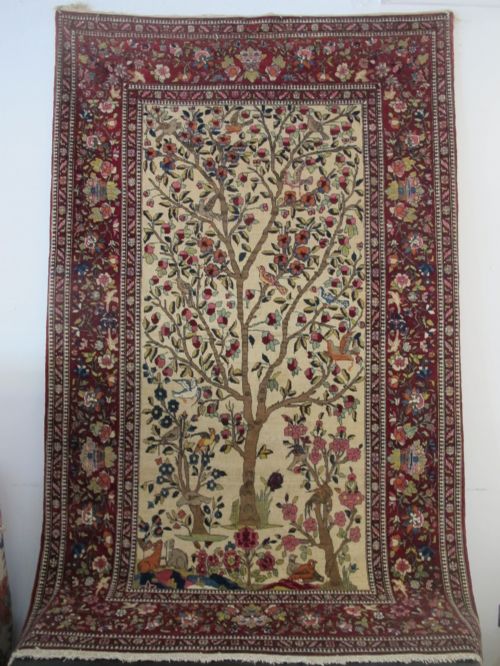
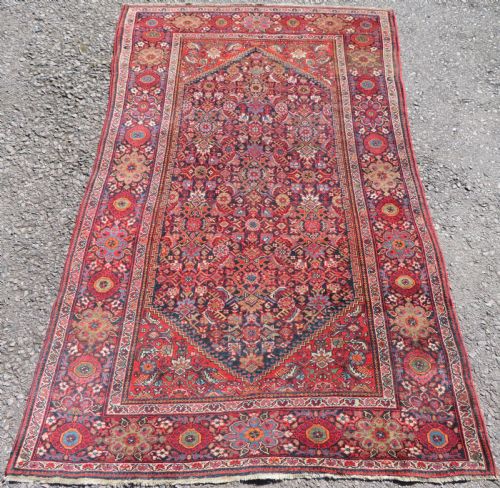
The selections available on this page reflect traditional regional styles such as Isfahan, Tabriz, Heriz, and Kazak. Buyers encounter formats employing wool, hand-spun wool, and lambswool, frequently augmented by cotton foundations and occasional silk highlights.
Materials and construction methods
The primary material underpinning these textiles is wool, prized for its natural resilience and capacity to hold rich dye colours over decades of use. Many examples incorporate hand-spun wool or lambswool, which yield varying tactile qualities across different regional workshops.
Weavers relied on sturdy foundation yarns made of cotton to support the dense pile knots characteristic of Persian and Caucasian rugs. Artisans also integrated silk highlights into specific patterns to create contrast against the matte finish of standard wool.
Listings feature traditional styles spanning Persian, Caucasian, Turkmen, and Qajar periods, executed primarily in wool and cotton.
Distinctions in quality and execution
Quality in these woven items rests upon the density of the knotting and the precision of the geometric or curvilinear design. Tighter knots allow workshops to render complex floral vases and intricate medallion layouts with greater clarity.
The grade of the wool itself influences the handle and longevity of the textile, with finer selections utilising soft lambswool or hand-spun fibres. Natural dye variations and regional workshop attribution, such as signed pieces or specific town aesthetics, further distinguish standard productions from superior examples.
Mohtasham Kashan·Ahmadi Isfahan·Ziegler Sultanabad
The Fine Wool Area Rug Glossary
- Medallion
- A central ornamental motif, often oval or polygonal, placed in the middle of the field. This design element dominates the composition of many Persian carpets.
- Prayer rug
- A textile featuring a specific mihrab or arch design intended for devotional use. These formats are frequently identified by their architectural niche motifs.
- Kilim
- A flat-woven carpet produced without a pile. These pieces rely on interlocking weft techniques to create crisp geometric patterns.
- Pile
- The vertical or slanted soft surface of a rug formed by the cut ends of knots. This layer absorbs foot traffic and protects the foundation threads underneath.
- Foundation
- The structural framework of warp and weft threads that holds the knots in place. Cotton is the most common material used for this supportive grid.
Fine Wool Area Rug: Frequently Asked Questions
How do I clean an antique wool rug?
Regular gentle vacuuming without a beater bar removes surface dust before it settles into the pile. Professional specialist cleaning remains essential for addressing deeper soil without damaging natural dyes.
Water exposure should be managed carefully to prevent the cotton foundation from shrinking or weakening. Immediate blotting of spills prevents staining without rubbing the delicate wool fibres.
What is the difference between a rug and a carpet?
Terminology often depends on physical scale, with smaller formats designated as rugs and larger room-sized textiles termed carpets. Both share identical construction methods using knotted pile over a woven foundation.
Historical listings often use both terms interchangeably depending on the overall dimensions. A buyer selects between them strictly based on the floor space available in a given room.
Where were these rugs historically woven?
Production centred in major weaving hubs across Persia and the Caucasus, including towns like Tabriz, Isfahan, Shiraz, and Bidjar. Each region developed distinct palettes, motifs, and knotting densities that identify their geographic origin.
Nomadic tribes and settled workshops alike contributed to this output, resulting in diverse tribal rugs and formal city carpets. These traditions evolved across generations within specific cultural communities.
How do I choose the right size?
Measurement depends on the furniture arrangement and the amount of exposed flooring desired around the perimeter of the room. Hearth sizes suit smaller spaces or entryways, while large room-sized carpets anchor seating groups.
Checking precise dimensions listed for each piece ensures the textile fits the intended architecture. Placing a rug beneath furniture legs helps unify the layout of a living space or bedroom.