
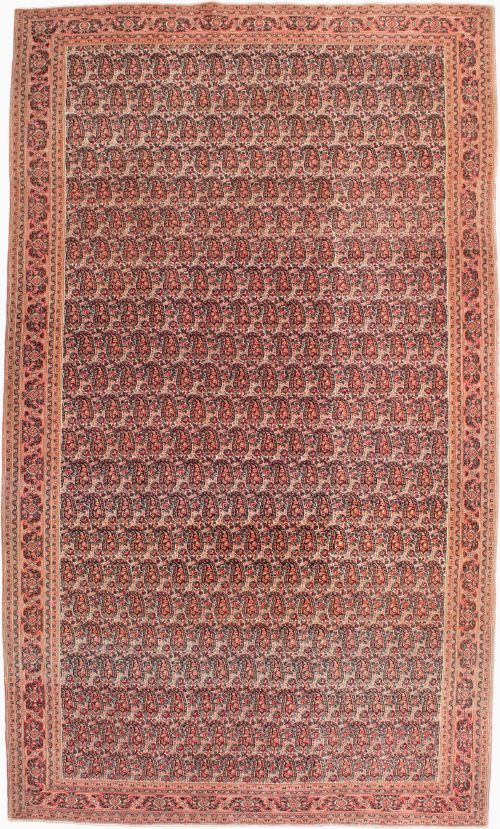
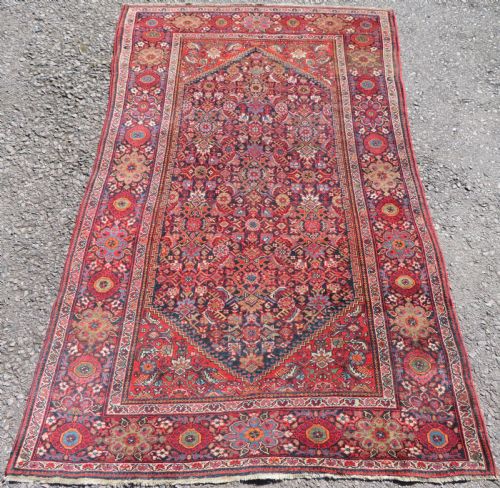


Fine Weave Persian Carpet
A fine weave persian carpet brings dense knotting, intricate medallion layouts and rich regional artistry directly into a room.
Fine Weave Persian Carpet
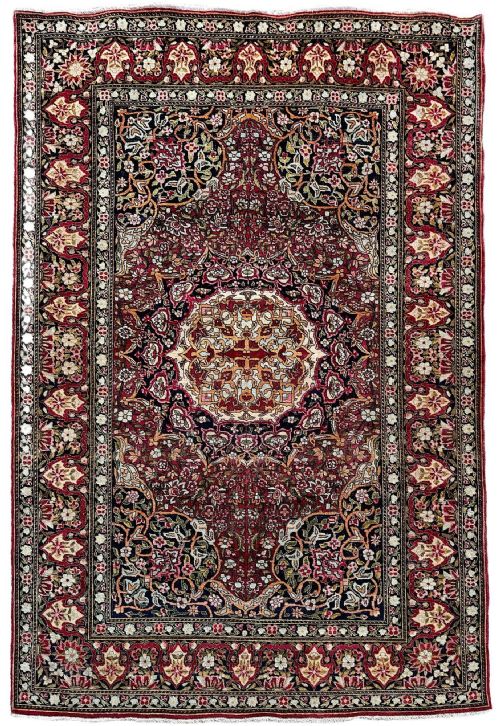
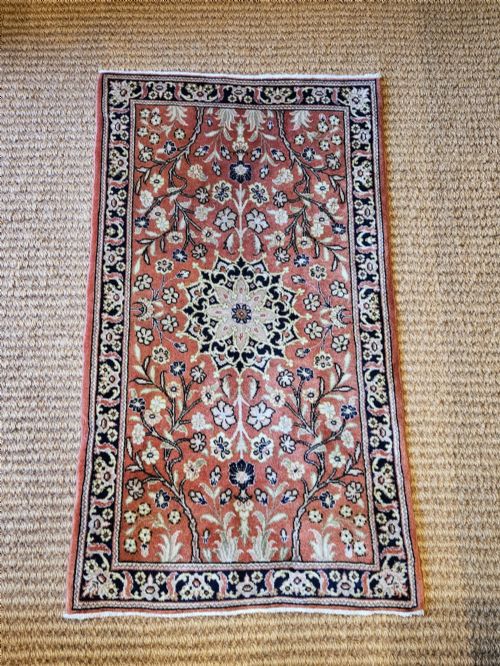
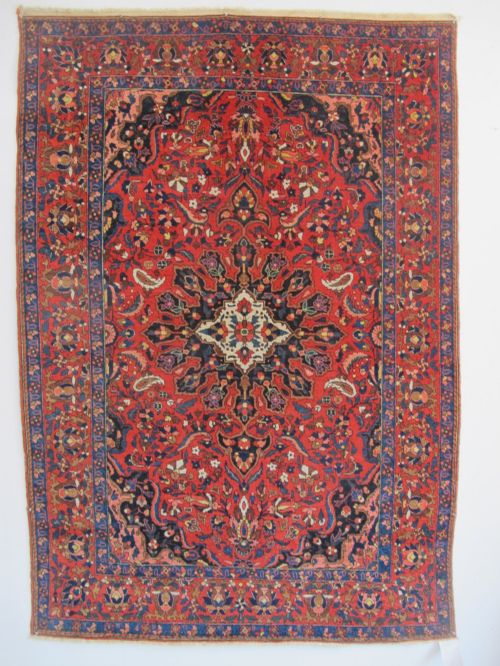
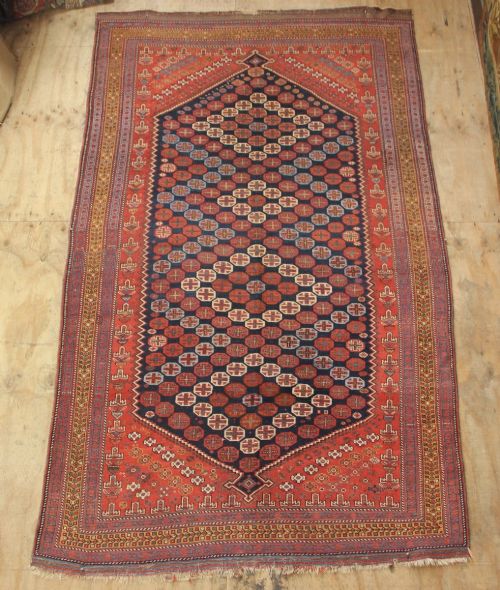
When searching for a fine weave persian carpet, buyers encounter hand-knotted room-size carpets, large corridor carpets and hearth-sized rugs originating from workshops and tribal centres across Persia.
The pieces represented span from the nineteenth century into the mid-twentieth century, featuring traditional Persian styles alongside specific regional workshops like Isfahan, Tabriz, Kashan, and Qum.
Most examples found on this page consist of wool, lambswool or silk piles knotted onto cotton or silk foundations, reflecting decades of traditional craftsmanship.
Assessing the Weave
Quality rests primarily on knot density and precision of execution, where tighter knots allow for sharper floral curves and more complex pictorial or geometric motifs.
The selection of materials also dictates standard, as finer silk foundations or high-grade lambswool piles create a softer handle and greater durability than heavier commercial wools.
The listings span multiple decades from the nineteenth century into the mid-twentieth century, featuring wool, lambswool, cotton and silk.
Mohtasham Kashan·Hajji Jalili
The Fine Weave Persian Carpet Glossary
- Warp
- The stationary vertical threads stretched across the loom that form the structural skeleton of the carpet.
- Weft
- The horizontal threads passed through the warps after each row of knots to lock the pile firmly in place.
- Foundation
- The underlying grid of warp and weft threads that supports the visible pile of the carpet.
- Boteh
- A traditional almond or paisley motif representing a floral spray or cypress tree, frequently seen in Persian rugs.
- Kelleh
- A large, elongated corridor carpet traditionally utilised in the expansive halls of Persian houses.
Fine Weave Persian Carpet: Frequently Asked Questions
How do I care for an antique rug?
Vacuum gently without a beater bar and keep the piece out of direct sunlight to protect natural dyes from fading over time.
Professional cleaning by a specialist in antique textiles prevents fibre breakdown and maintains the integrity of the wool or silk foundation.
Where were these carpets traditionally placed?
Larger formats such as room-size and corridor carpets anchored formal reception spaces and long hallways in substantial homes.
Smaller hearth-sized or area rugs defined specific seating areas or added warmth to private chambers.
How do I distinguish regional styles?
Isfahan and Tabriz pieces often display intricate floral medallions and curvilinear compositions, whereas tribal rugs rely on geometric forms and bold repeat patterns.
Examining the density of the knotting and the specific palette helps connect a piece to its historical weaving centre.
What does a silk foundation indicate?
A silk foundation allows artisans to pack significantly more knots into every square centimetre, resulting in finer detail and crisp pattern outlines.
This construction method marks the highest tier of traditional Persian and Turkish carpet production.