




Traditional Iranian Rug
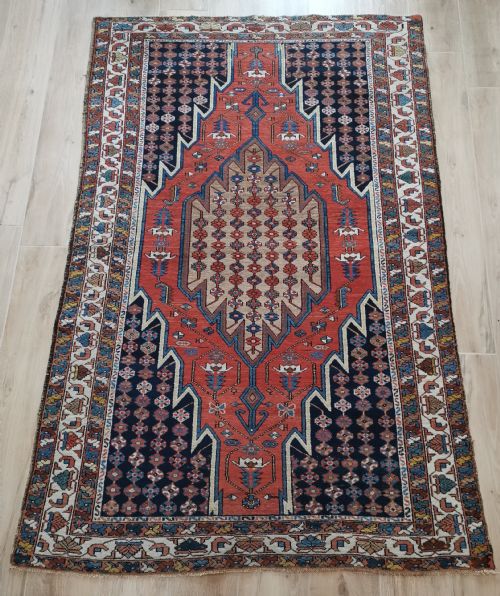
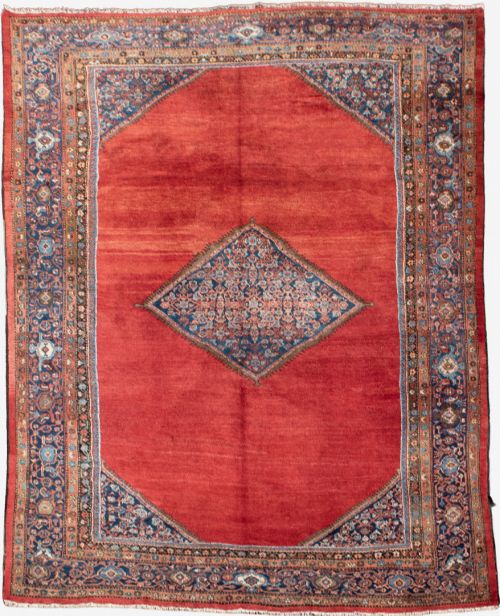
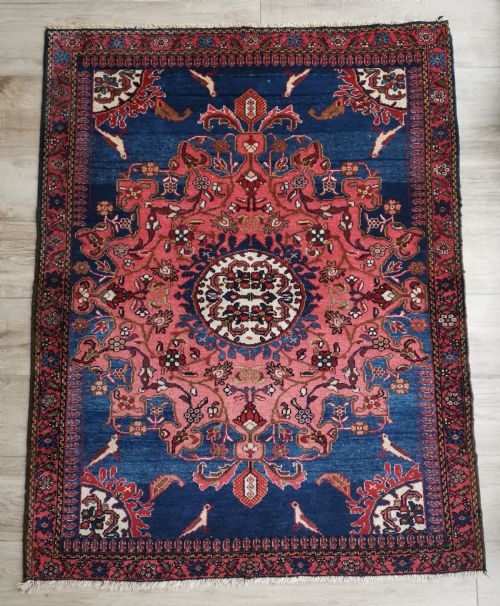
A traditional iranian rug brings centuries of woven artistry into a room, offering rich geometric and floral patterns worked in durable natural fibres.
Traditional Iranian Rug
A traditional iranian rug encompasses hand-knotted floor coverings originating from various historic weaving centres and tribal traditions across Persia. Buyers searching for a traditional iranian rug encounter formats ranging from intimate scatter sizes and long runner rugs to substantial room-sized carpets.
The selection includes specific regional styles such as Heriz, Ferahan, Bakhtiari, Kashan, Qum, and Veramin. Pieces date from the nineteenth century through the early decades of the twentieth century, reflecting established village and city workshops.
Tribal pieces such as Afshar and Qashqai work sit alongside finely detailed classical workshop carpets. Most examples found here date from the nineteenth century up to the 1940s.
How they were made
These carpets and rugs rely primarily on wool, cotton, and silk foundations and piles. Weavers knotted natural wool and silk onto sturdy cotton or wool warp and weft threads.
Traditional dyeing methods utilised natural materials to achieve lasting colours across floral designs, central medallions, and geometric motifs. Hand-knotting techniques varied by region, producing differing pile densities and structural weights.
Heavy runners recorded in the archive suggest nineteenth-century hallways endured remarkably determined footsteps.
What varies in quality
Knot density and precision of the underlying design separate standard village pieces from fine workshop carpets. Finer materials like silk and tightly spun wool alter the handle and definition of the pattern.
The complexity of the regional design, from simple tribal repeats to elaborate medallion schemes, indicates the level of craftsmanship involved. Preservation of the original pile and edges also determines the standing of an individual rug.
Hajji Jalili
The Traditional Iranian Rug Glossary
- Kelleh
- A long, rectangular format of Persian carpet traditionally used in the narrow sections of a Persian room layout.
- Medallion
- A central decorative ornamental motif set in the middle of the rug field, common in classical Persian workshop weaving.
- Prayer rug
- A small rug featuring a mihrab or arch design indicating the direction of prayer, often created in centres like Kashan.
- Runner
- A long, narrow carpet format designed specifically for hallways, corridors, or alongside larger furniture.
- Warp
- The vertical parallel threads stretched across the loom upon which the individual knots are tied.
Traditional Iranian Rug: Frequently Asked Questions
How do I identify a Heriz carpet?
Heriz carpets typically present bold geometric central medallions accompanied by large-scale angular corner spandrels. They utilise robust wool well-suited for heavy foot traffic.
Their substantial weight and distinctive rustic palette set them apart from finer city-woven rugs from regions like Qum or Kashan.
What is a Qum carpet?
Qum carpets originate from the holy city of Qum and frequently employ fine wool or pure silk materials. They showcase intricate floral patterns and precise knotting.
These pieces tend to be decorative rather than utilitarian floor coverings due to their refined texture.
How should I clean an antique rug?
Professional dusting and specialist washing are necessary to preserve natural wool and silk fibres. Household cleaners and excessive water will damage the foundation.
Gentle vacuuming without a rotating power brush helps remove everyday dirt safely.
Can I place a runner in a hallway?
Runners fit narrow spaces such as corridors, hallways, and entryways where standard rectangular rugs are too wide. Their elongated dimensions balance narrow architectural layouts.
A quality underlay prevents slipping and cushions the foundation against floorboards.
What distinguishes tribal rugs from city carpets?
Tribal rugs by groups like the Qashqai or Afshar display spontaneous geometric designs and memory-woven motifs rather than rigid cartographic plans. Their colours often derive from local plants and mineral sources.
City carpets from urban workshops like Isfahan or Kashan rely on master cartoons to execute symmetrical floral curves with exact precision.