



Figured Mahogany Side Table
When you select a figured mahogany side table, you choose a piece defined by rich timber grain and classic proportions spanning the Georgian, Regency and Victorian eras.
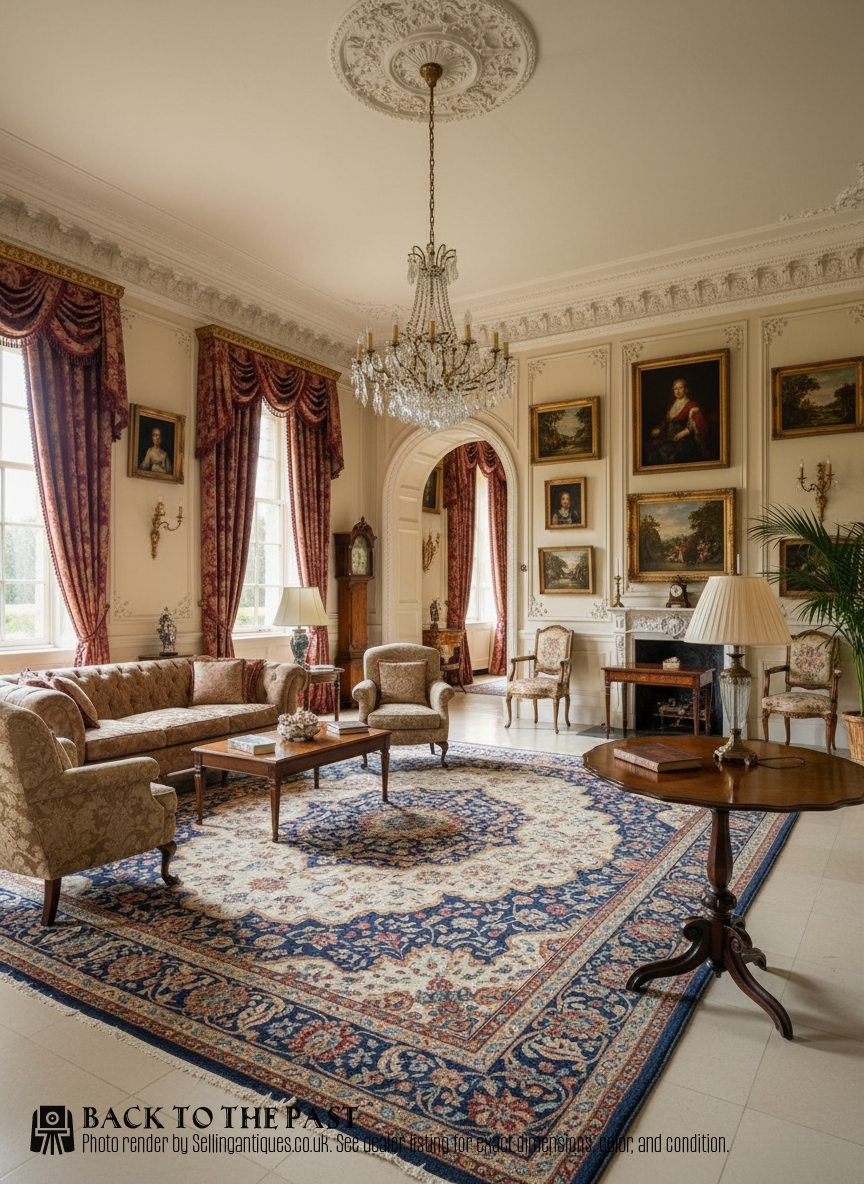
Figured Mahogany Side Table
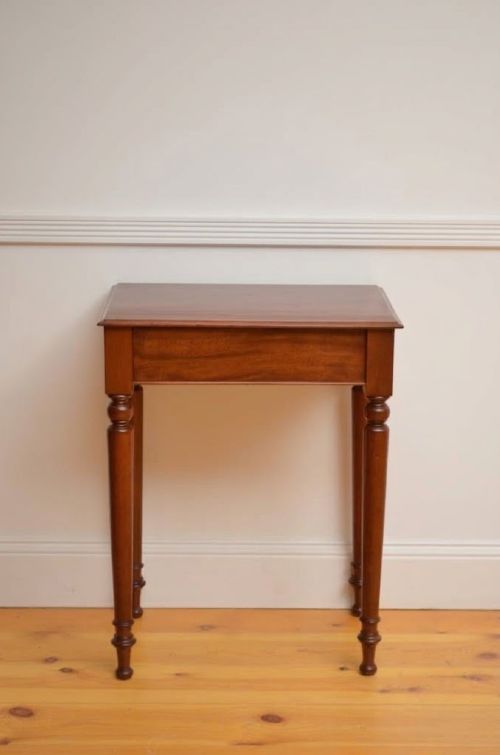
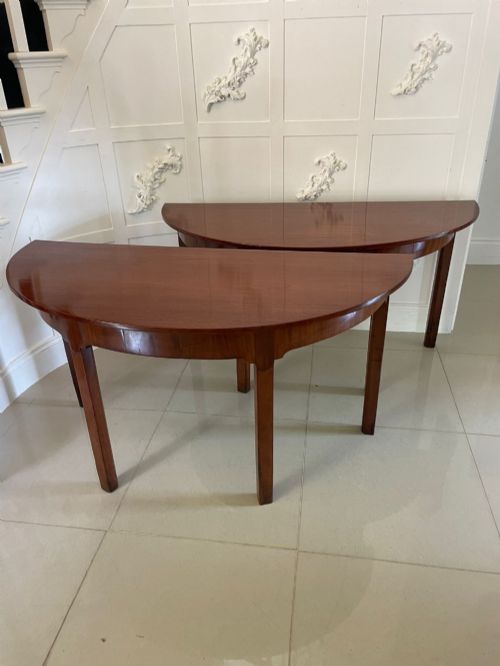
A figured mahogany side table encompasses a diverse group of domestic furnishings designed for display and utility against a wall or within a room. The selection spans distinct historical periods, notably George III, Regency and Victorian eras, alongside Edwardian revivals.
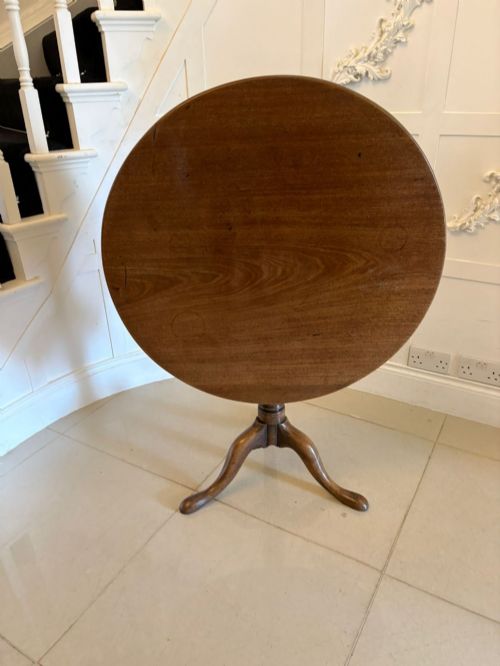
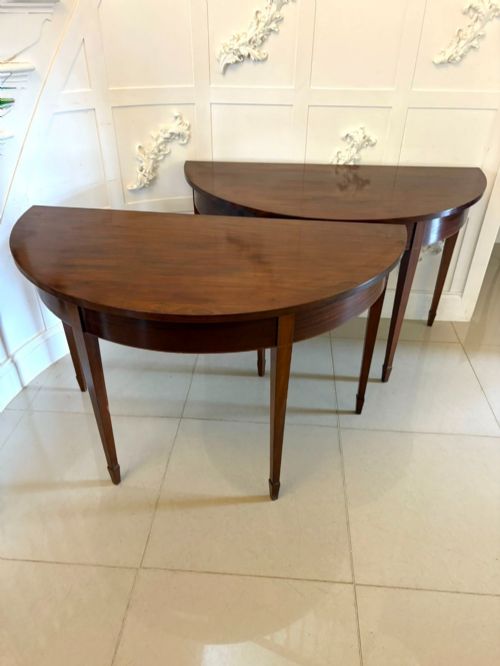
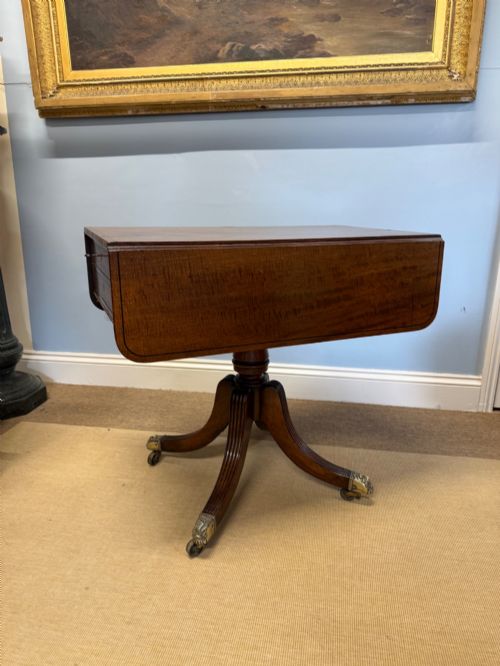
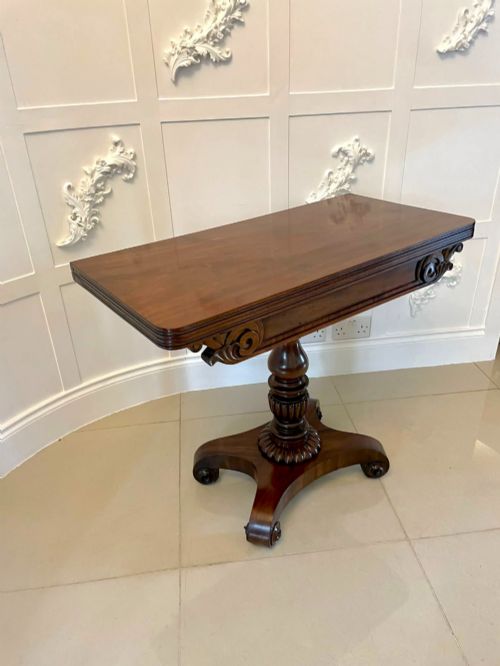
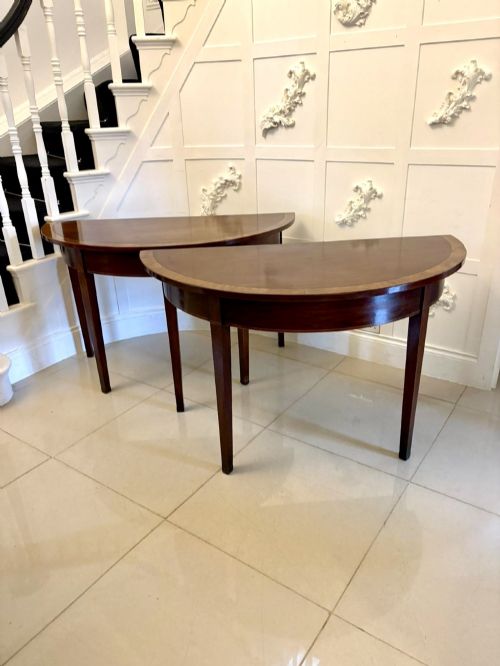
Buyers encounter numerous forms under this description, including demi-lune console tables, Pembroke tables, tea tables and sofa tables. The grouping also includes occasional lamp tables, lowboys and specialised writing or sewing tables.
Origins stretch from eighteenth-century workshops through nineteenth-century production to early twentieth-century examples. Pieces frequently display specific stylistic influences such as Sheraton designs or Grand Regency proportions.
Materials and construction
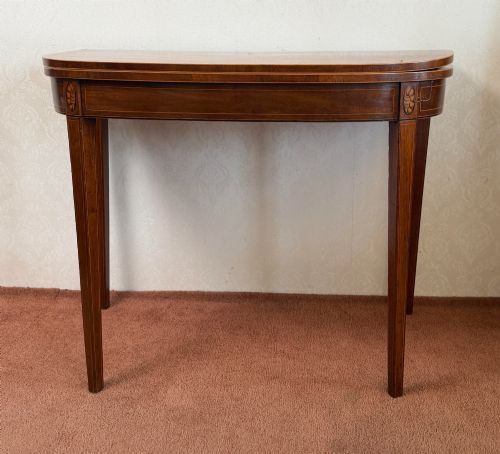
Makers utilised solid mahogany and mahogany veneer over secondary timbers to achieve striking grain patterns across flat surfaces. Selected sections of timber display rich figuring, sometimes enhanced by contrasting satinwood inlay or boxwood stringing.
Workmanship incorporated structural detailing such as brass mounts, gilded brass hardware, or ormolu embellishments. Certain pieces integrate marble tops or incorporate hinged leaves for folding tea and card tables.
Distinguishing quality
Excellence in these tables rests upon the natural figuring and selection of the mahogany timber. Superior examples display symmetrical flame or fiddleback patterns across the primary surfaces without artificial enhancement.
Construction standards appear in the crispness of carved details, the precision of inlay work, and the integration of secondary materials like brass mounts or marble inserts. Well-executed proportion and stability in freestanding or Pembroke forms indicate higher standards of original manufacture.
The Figured Mahogany Side Table Glossary
- Figured mahogany
- Timber exhibiting decorative grain patterns such as flame, curl, or feathering, prized for decorative furniture surfaces.
- Demi-lune
- A half-moon shape characteristic of console and side tables designed to sit flush against a wall.
- Pembroke table
- A small occasional table featuring hinged drop leaves on two opposing sides and frequently a single drawer.
- Sofa table
- A rectangular freestanding table traditionally placed before a sofa, typically fitted with drop leaves and twin pedestals or trestle supports.
- Ormolu
- Gilded bronze or brass applied as decorative mounts and furnishings on finer furniture pieces.
Figured Mahogany Side Table: Frequently Asked Questions
What is a figured mahogany side table used for?
These tables served various functions in historical domestic interiors, from serving tea and holding lamps to providing a surface for writing or card games.
Today, buyers utilise them in hallways, living rooms and dining spaces as decorative accent furniture that offers practical surface area.
How do I identify a George III side table?
George III pieces date from the late eighteenth century and typically exhibit restrained classical proportions, straight or tapered legs, and high-quality timber selection.
Detailing on these examples often includes subtle inlay, fine cockbeading around drawers, and architectural cornicing or simple friezes.
What is the difference between a console and a side table?
Console tables were traditionally designed to be fixed to a wall or supported by front legs, frequently taking a demi-lune shape to save space in narrow hallways.
Side tables generally feature four legs and stand independently, offering greater versatility in room placement and movement.
How do I care for antique mahogany furniture?
Maintenance involves keeping the timber away from direct heat sources and strong sunlight to prevent the mahogany veneer and polish from drying out or fading.
Regular dusting with a dry, soft cloth preserves the finish, while occasional treatment with traditional wax helps maintain the lustre of the wood grain.