



Figured Wood Hall Table
These figured wood hall tables bring rich grain patterns and narrow proportions to an entrance, offering both practical surface area and period presence.
Figured Wood Hall Table
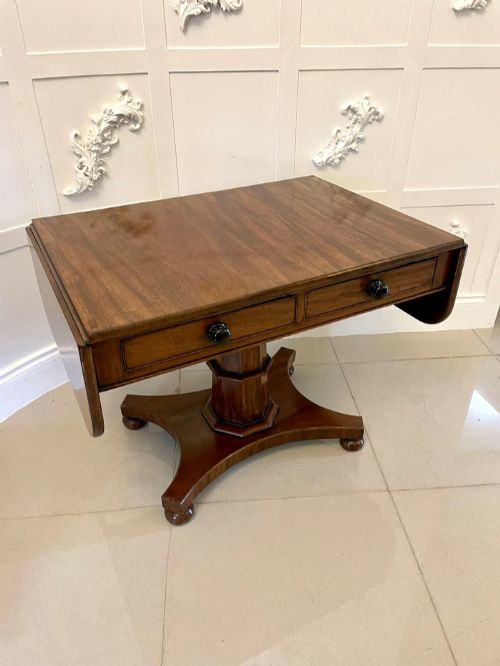
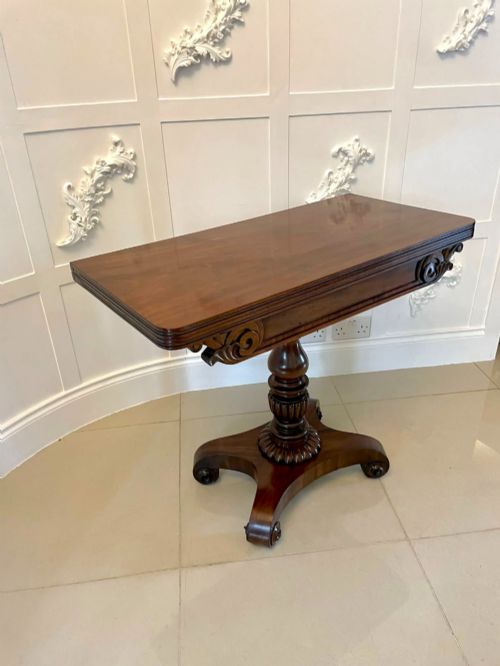
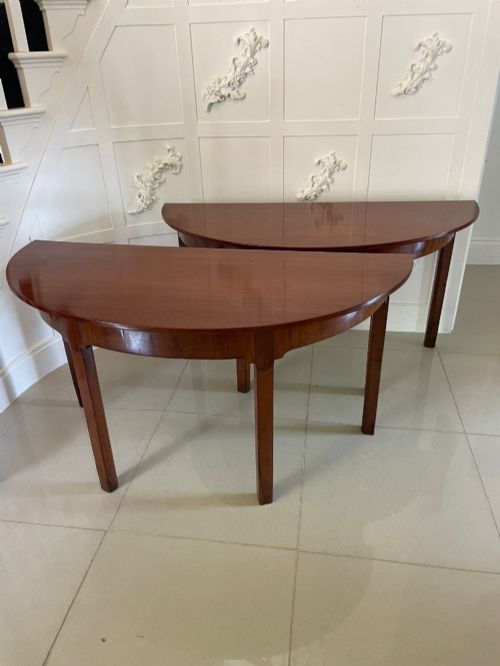
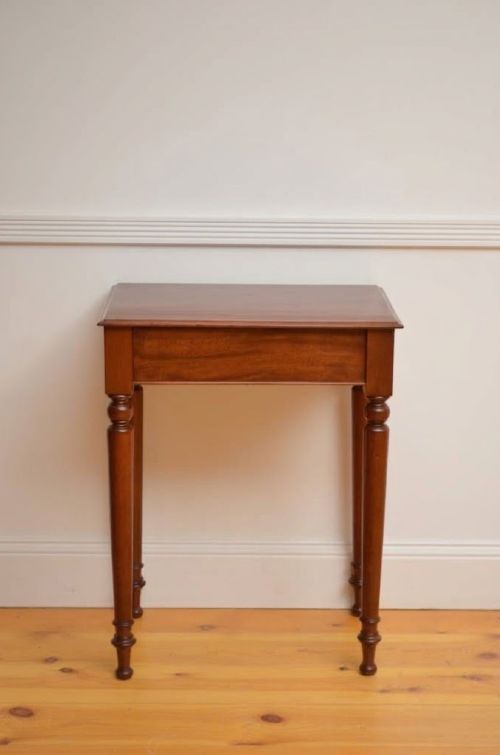
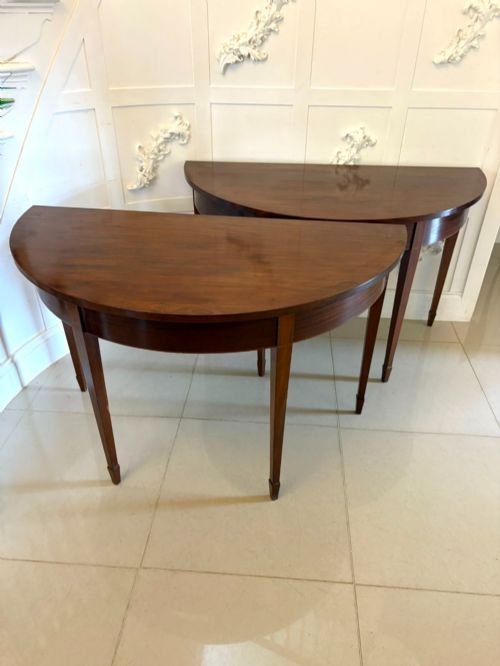
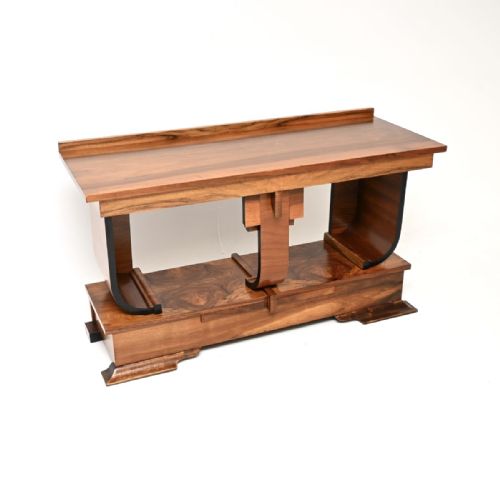
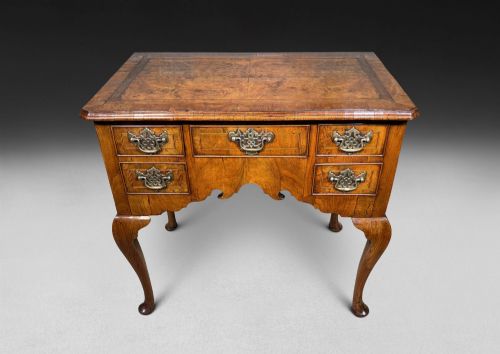
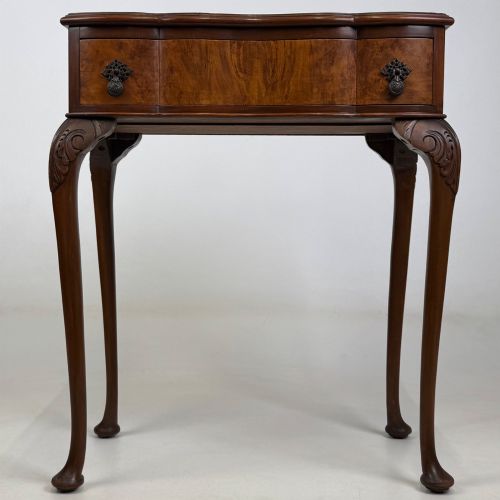
When you search for a figured wood hall table, you are looking at narrow console tables, sofa tables, lowboys and side tables designed to sit against a wall in a passage or reception space. The selection spans George II, George III, Regency, William IV, Victorian, Edwardian and Art Deco periods, encompassing both British and continental pieces.
The version you are most likely to meet on this page is a figured mahogany console table from the nineteenth century or the George III period. These forms utilise the striking natural patterns of timber to create a strong visual impact in a hallway without obstructing movement.
How they were made
Cabinetmakers selected timber specifically for its decorative grain, employing mahogany, walnut, burr walnut, elm, yew and rosewood to form the primary surfaces. Veneers were cut and applied to stable softwood or hardwood carcases to display symmetrical figures and rich colour.
Joinery methods included traditional cabinet construction with pegged mortise and tenon joints for frames and drawers. Brass details such as castors, handles and inlay strips frequently complemented the polished timber surfaces.
Figured Wood Hall Table Retail Price Guide 2026
Typical asking prices for figured wood hall table among the pieces listed under this phrase on Sellingantiques today, from the lower quarter to the upper quarter. They describe what is for sale here now, not the wider market.
Form variations on this page range from demi-lune console tables to freestanding sofa tables and lowboys.
What varies in quality
The distinction between tiers rests upon the choice of timber and the sophistication of the grain matching across the top. Pieces with continuous, highly figured veneers demonstrate superior selection by the maker.
Proportions also dictate standard, with narrow depths and refined leg structures indicating careful design for entrance spaces. Secondary woods and the crispness of carved or inlaid details further separate standard examples from finer works.
Druce and Co
The Figured Wood Hall Table Glossary
- Console table
- A table designed to stand against a wall, often secured to it, used in hallways and formal rooms.
- Sofa table
- A rectangular table with drop leaves at the ends, traditionally placed in front of a sofa during the Regency period.
- Lowboy
- A small oak, walnut or mahogany table with drawers, originating in the late seventeenth century and serving various domestic functions.
- Figure
- The ornamental pattern in wood grain resulting from the way the timber is cut from the log.
- Veneer
- A thin slice of figured wood applied over a simpler base timber to provide a decorative exterior surface.
Figured Wood Hall Table: Frequently Asked Questions
What is a figured wood hall table used for?
These tables provide a compact surface in an entrance hall for post, keys and decorative objects. Their narrow proportions allow them to fit into passages where standard tables would block movement.
Historically, similar console and side tables served to display decorative items and complete the furnishing scheme of a formal reception space.
How do I identify the period of a hall table?
Dating relies on stylistic clues such as leg shapes, construction methods and timber choices. George III and Regency pieces often feature tapered legs or sabre legs with fine mahogany veneers, while Art Deco examples display cleaner lines in figured walnut.
Secondary woods inside drawers and the type of fixings used also provide clear indicators of the era in which the piece was constructed.
Where should I place a console table?
A console table sits best against a flat wall in a hallway, landing or living room. Because many examples feature narrow proportions, they slide easily into tight spaces without dominating the room.
Pairing the table with a mirror or a picture above creates a balanced focal point upon entering the home.
How do I care for figured wood surfaces?
Polished wood surfaces require regular dusting with a soft cloth to prevent grit accumulation. Avoiding direct sunlight and extreme temperature changes protects the veneer from fading or splitting.
Applying a traditional beeswax polish periodically helps maintain the natural lustre of the timber without building up heavy chemical layers.