




Figural Wood Carving
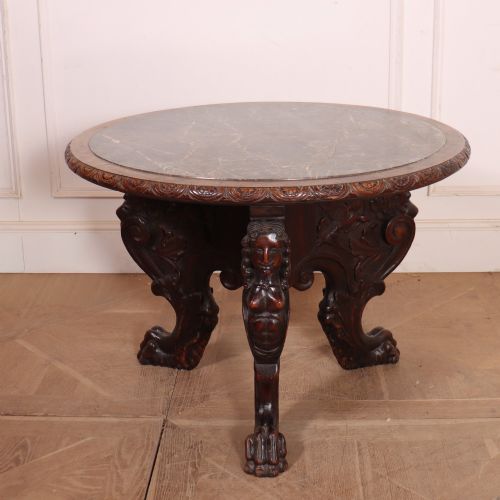
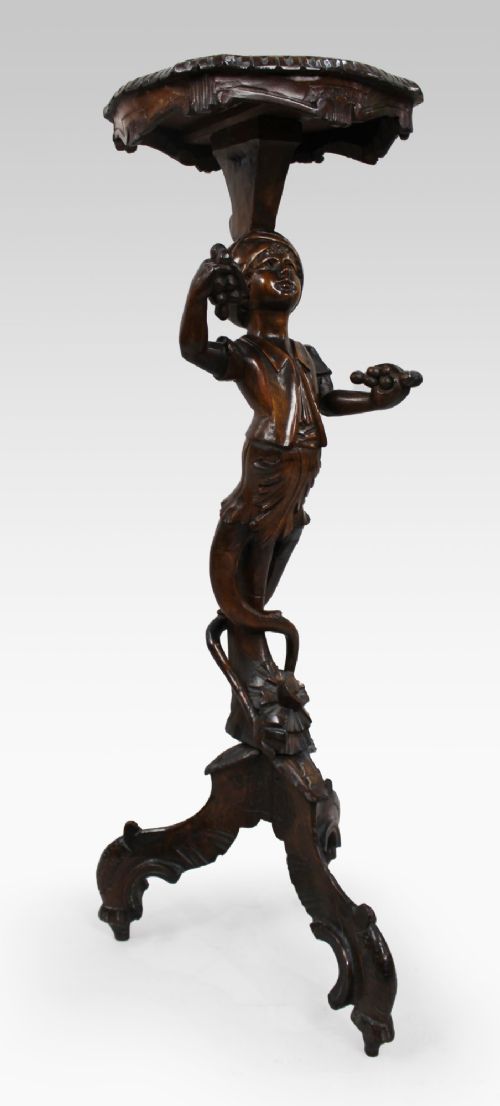
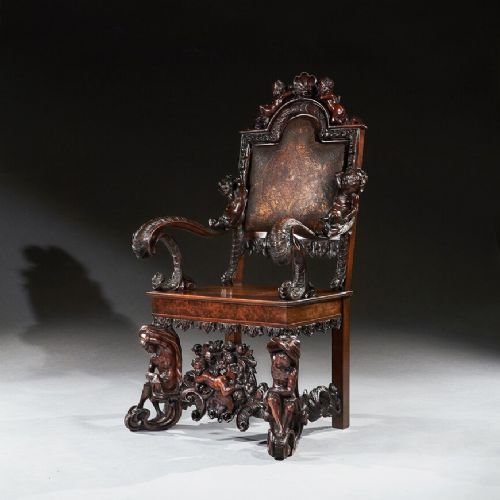
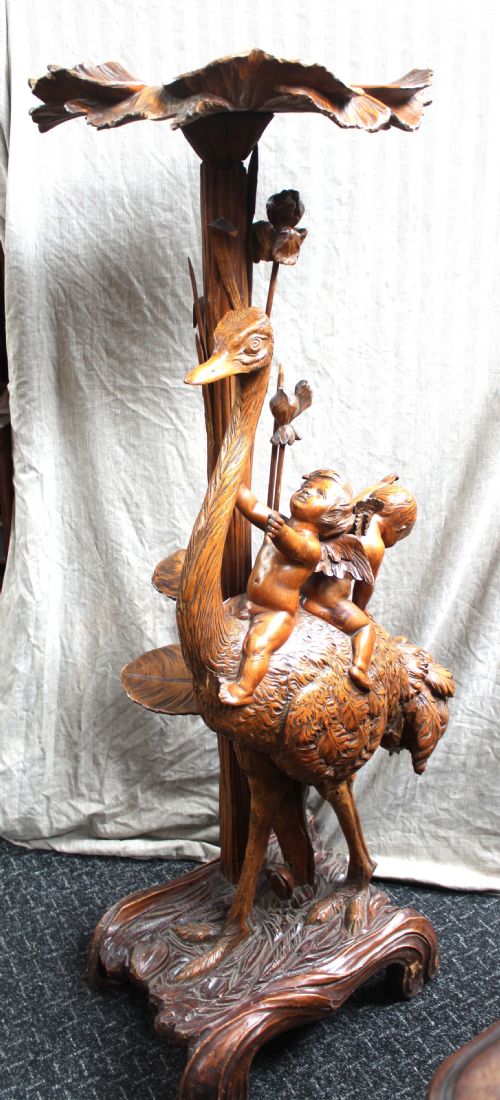
These figural wood carving pieces bring human and animal forms directly into furniture and sculpture, offering tactile history for a room.
Figural Wood Carving
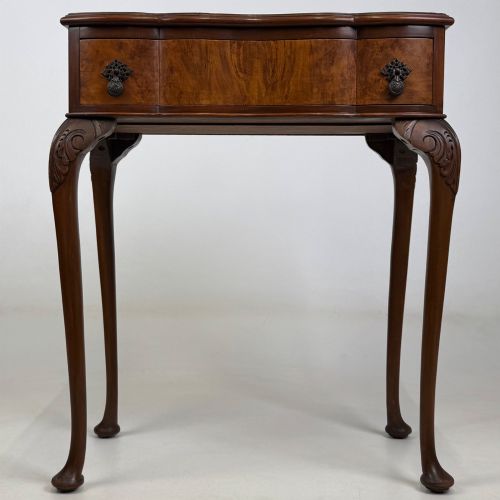
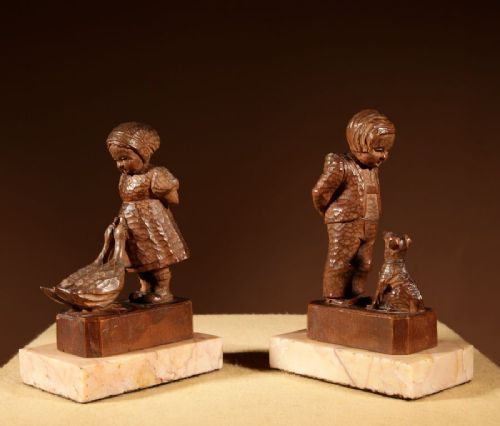
When you search for figural wood carving, you encounter items where human, animal, or mythical forms shape the structure or ornament of the object. These works range from functional furniture like armchairs, side tables, and table lamps to dedicated sculptures, decorative objects, mantel clocks, and nutcrackers.
The versions most frequently met on this page span the nineteenth century, Edwardian era, and earlier periods including the seventeenth century. Their origins stretch from European centres like the Black Forest and Italy to Chinese, Japanese, and African workshops, demonstrating diverse regional traditions.
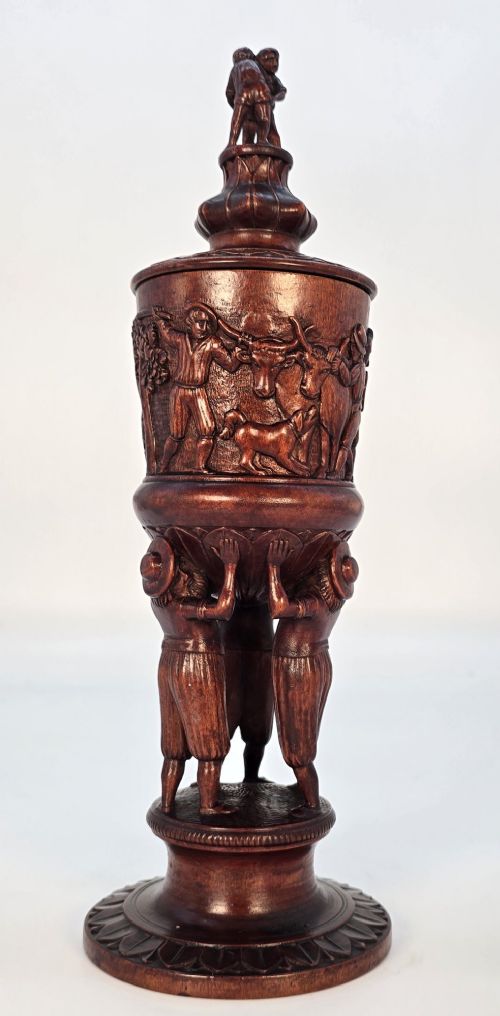
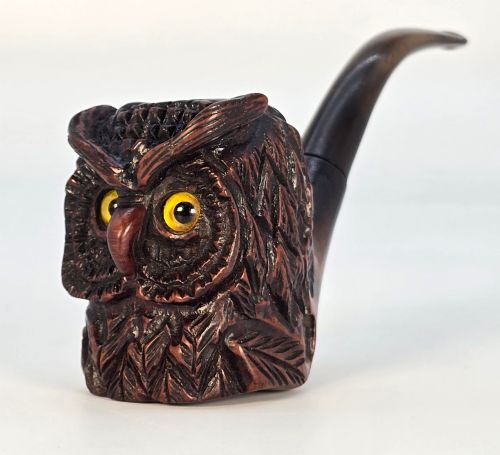
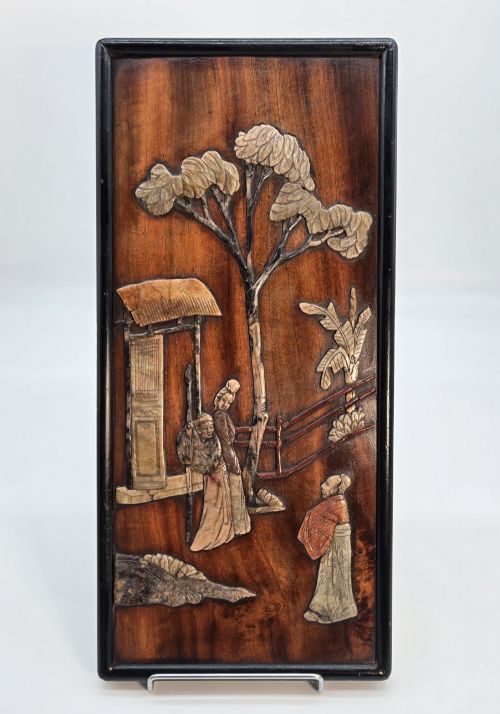
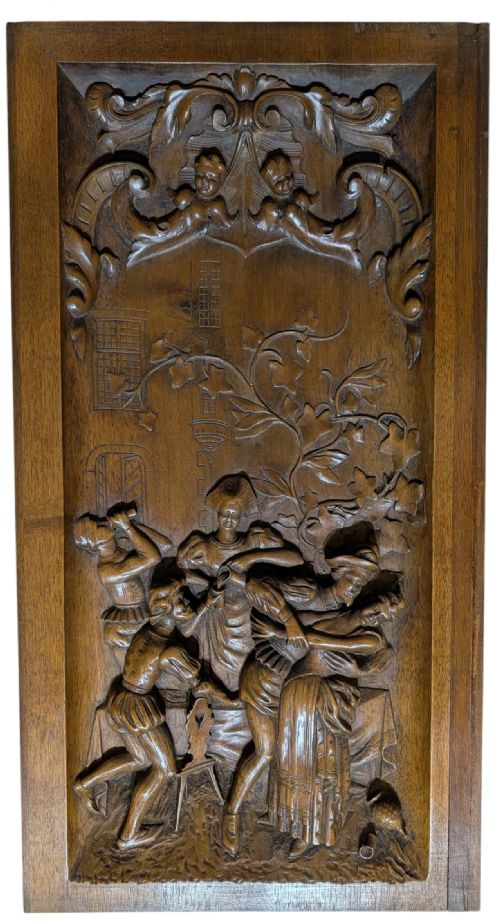
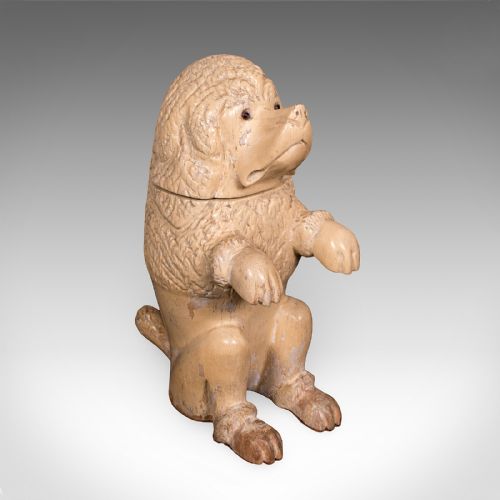
Such objects function simultaneously as practical utilities and expressive sculptures, integrating carved figures into everyday items. A buyer finds everything from small treen tobacco jars and pipes to large stands, panels, and firescreens.
How they were made
Craftsmen utilised various timbers depending on the regional tradition and intended form, selecting hardier materials like walnut, oak, fruitwood, linden, and root wood. These woods allowed carvers to execute intricate details such as facial expressions, drapery folds, and animal textures.
Techniques combined traditional bench carpentry with deep relief or full three-dimensional carving, sometimes finished with gesso, polychrome paint, or natural wax polishes. Joinery techniques secure the figural elements firmly to bases, pedestals, or functional bodies like lamp stems and table tops.
The listings show diverse wood species, including walnut, oak, fruitwood, linden, bamboo, and root wood, spanning the seventeenth to the twentieth centuries.
What varies in quality
The standard of a figural wood carving depends on the depth and precision of the chisel work, distinguishing fluid, lifelike anatomy from stiff or hasty execution. Master carvers capture subtle musculature, texture, and expression that lesser artisans miss entirely.
Proportion and structural integration set finer examples apart from simpler items, ensuring the carved figure harmonises with the object rather than appearing clumsily attached. Exhibition quality pieces show considered design choices across every angle and join.
Andrea Brustolon·Butz Choquin·Bergen and Co
The Figural Wood Carving Glossary
- Black Forest
- A regional style originating in Switzerland and Germany known for realistic animal and figural carvings in linden and walnut. These pieces frequently take the form of nutcrackers, clocks, and sculptural groups.
- Treen
- Small handmade wooden household objects created for practical domestic use. Examples include tobacco jars, small boxes, and treen vessels.
- Root wood
- Timber sourced from the root burls of trees, valued for its gnarled, organic grain patterns. Carvers utilise these natural contours to shape lamps, stands, and decorative objects.
- Corbel
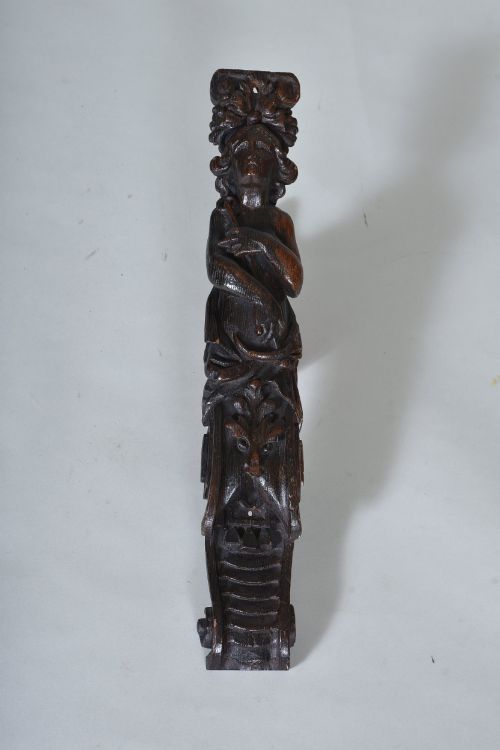
- A structural bracket projecting from a wall to support a weight, often carved into figural or architectural motifs. Early examples appear in heavy oak.
- Polychrome
- Painted in several colours, a technique applied to wood or gesso surfaces to enhance the realism of carved figures. This finish appears frequently on Venetian decorative items.
Figural Wood Carving: Frequently Asked Questions
What is a figural wood carving?
A figural wood carving incorporates human or animal representations into the design of a wooden object, sculpture, or piece of furniture. These carvings turn functional items into expressive works of art.
They appear across various periods and cultural traditions, utilising woods such as walnut, oak, and fruitwood.
How do I care for antique carved wood?
Keep carved wooden objects away from direct heat sources and extreme humidity fluctuations to prevent the timber from splitting. Dust the intricate crevices gently with a soft brush.
Apply a microcrystalline wax sparingly if the wood appears dry, avoiding painted or gessoed surfaces.
Where were Black Forest carvings made?
Black Forest carvings originated primarily in the forest regions of Switzerland and Germany during the nineteenth century. Artisans in towns like Brienz specialised in realistic animal and human figures.
These pieces typically feature local timbers such as linden and walnut.
How do I date a carved wooden figure?
Dating relies on examining the tool marks, timber species, style of dress, and construction methods used in the piece. Period contexts help narrow down whether an item belongs to the nineteenth century, Edwardian era, or earlier centuries.
Comparing the patina and wear patterns against documented examples provides further chronological clues.