

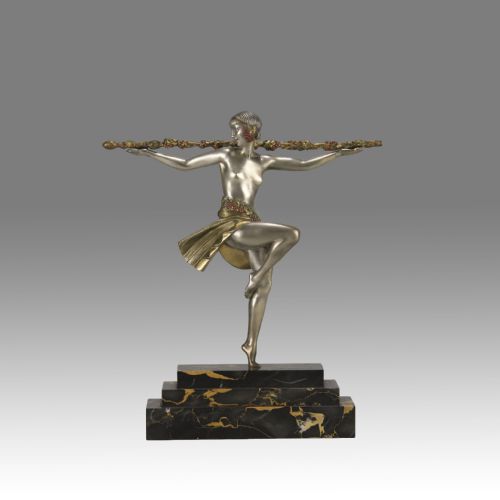
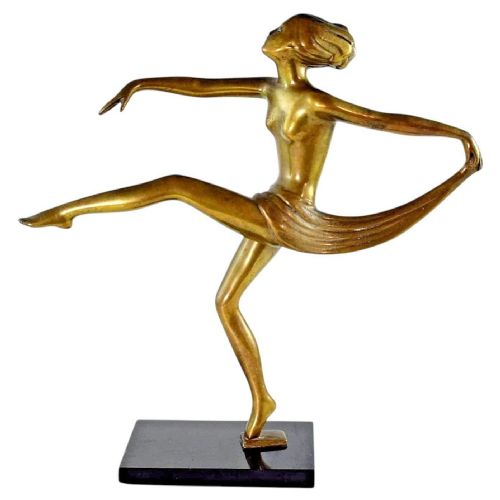
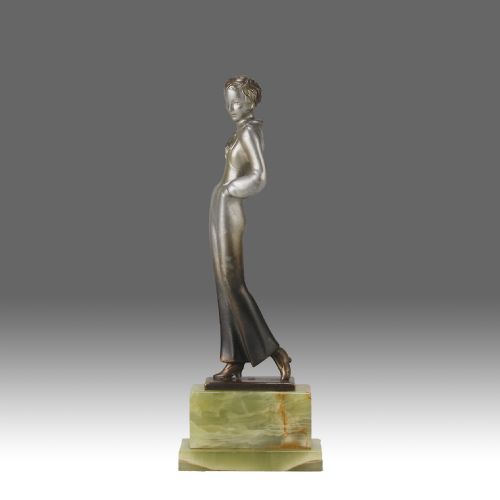
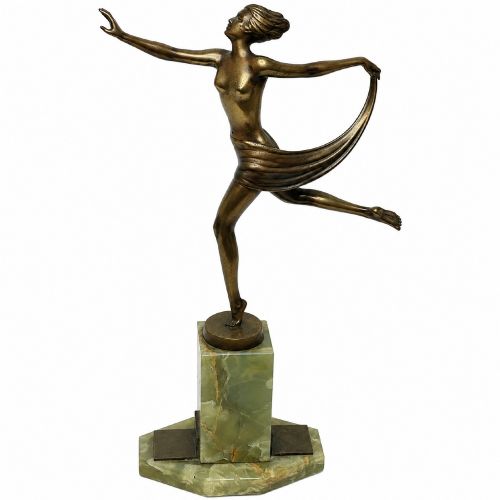

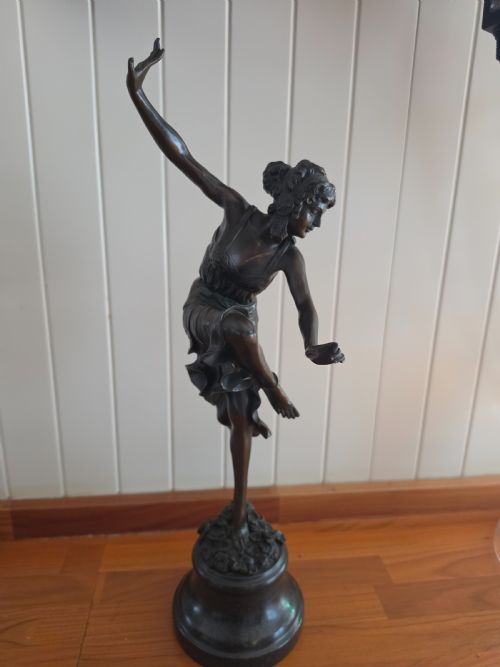


Female Dancer Bronze Statue
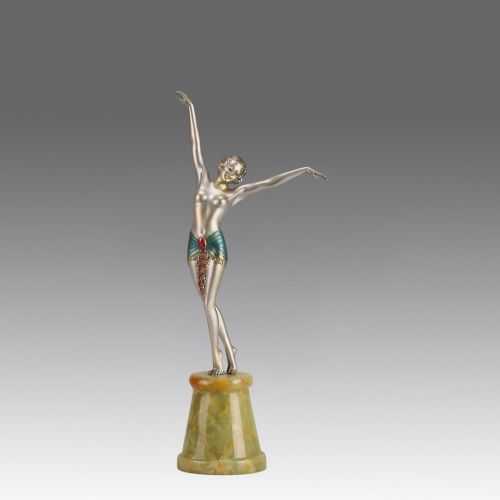
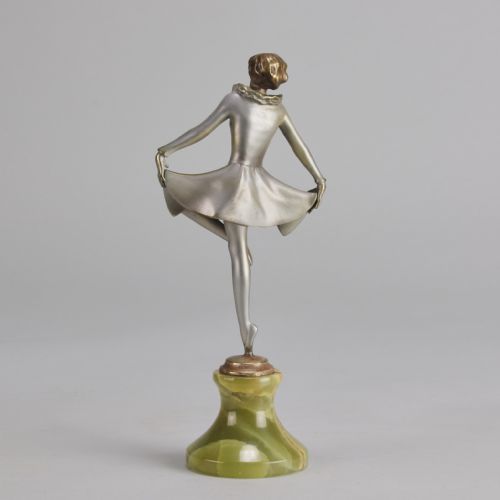
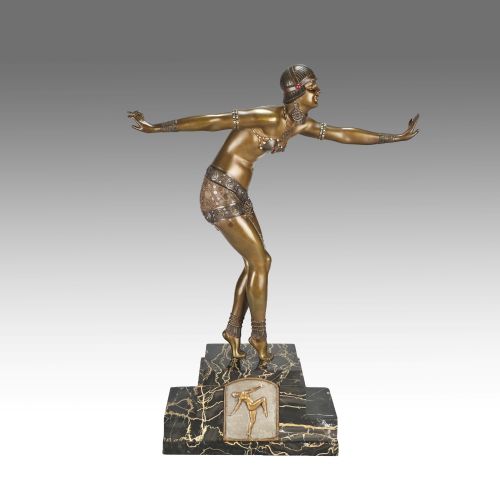
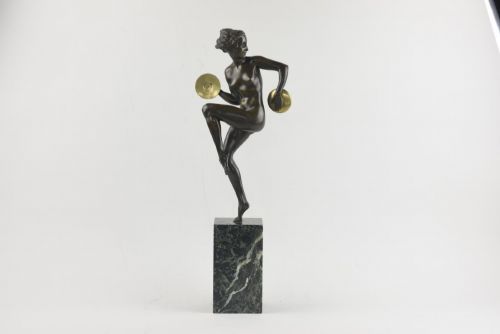
A female dancer bronze statue captures movement in metal, bringing the energy of the early twentieth century directly to a mantelpiece or desk.
Female Dancer Bronze Statue
When you search for a female dancer bronze statue, you encounter sculptural works that celebrate motion, performance, and human form. These pieces predominantly emerge from the early twentieth century, capturing the cultural fascination with dance through the Art Deco and Art Nouveau movements.
The objects take many forms, appearing as standalone figures, table lamps, and table lighters mounted on heavy bases. You find them rendered as ballerinas, exotic performers, and athletic youths caught mid-movement.
The most common iterations on this page combine cast metal bodies with substantial natural stone plinths. They reflect the aesthetic priorities of French and Austrian ateliers working between nineteen-ten and nineteen-thirty.
Distinctions in quality and execution
The fidelity of the casting and the crispness of the chisel work separate standard commercial foundry output from masterworks. Superior examples display subtle facial expressions, cleanly articulated fingers, and carefully balanced cantilevered limbs.
The quality of the patination and the preservation of original cold-painted surfaces dictate desirability among collectors. Furthermore, the selection of the mounting stone, such as high-grade multi-coloured marble, signals the ambition of the original production.
Listings feature works spanning the nineteenth century through the nineteen-thirties, dominated by Art Deco bronze and spelter figures mounted on marble.
Pierre le Faguays·Josef Lorenzl·Demetre Chiparus·Claire Jeanne Roberte Colinet
The Female Dancer Bronze Statue Glossary
- Cold-painted
- A method where enamel paint is applied to metal without subsequent firing. This technique allowed makers to achieve vibrant, lifelike costumes on bronze figures.
- Chryselephantine
- A term describing statues made from a combination of metal and ivory. This method was widely utilised by Art Deco sculptors to render flesh alongside metallic garments.
- Spelter
- A zinc alloy commonly utilised as a less expensive alternative to bronze. It frequently received bronze-toned or painted finishes during the early twentieth century.
- Patinated
- Treated with chemicals to alter the surface colour of the metal. This process protects the material while adding depth and tonal variation to the sculpture.
Female Dancer Bronze Statue: Frequently Asked Questions
How do I identify an authentic Art Deco dancer?
Examine the casting quality, the signature or foundry marks on the base, and the materials used. Authentic pieces from the period typically feature distinct stylistic markers of the nineteen-twenties and nineteen-thirties.
Look closely at the patina and the mounting. Period pieces utilise specific construction techniques and heavy marble or onyx plinths that match documented examples by known makers.
What is the difference between bronze and spelter?
Bronze is a durable copper alloy that takes fine detail and patination well, whereas spelter is a softer, lighter zinc-based metal. Spelter figures were produced as commercial alternatives to solid bronze.
Underneath the surface finish, spelter is dull grey and softer to the touch than bronze. Bronze pieces generally feel heavier and exhibit sharper definition in the cast.
Why are marble bases common on these figures?
Marble and onyx plinths provide essential ballast for figures with dynamic, outstretched limbs that would otherwise topple. The natural stone grounds the composition visually and physically.
The weight of the stone anchors the slender metal dancer securely to tabletops and mantelpieces. Different coloured stones also complement the patination of the bronze above.