





Faux Marbling Column
A faux marbling column gives architectural weight to a room without the crushing mass of solid stone.
Faux Marbling Column
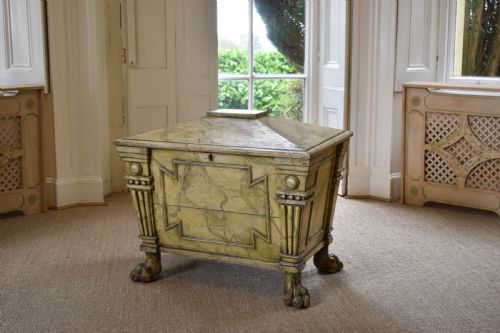
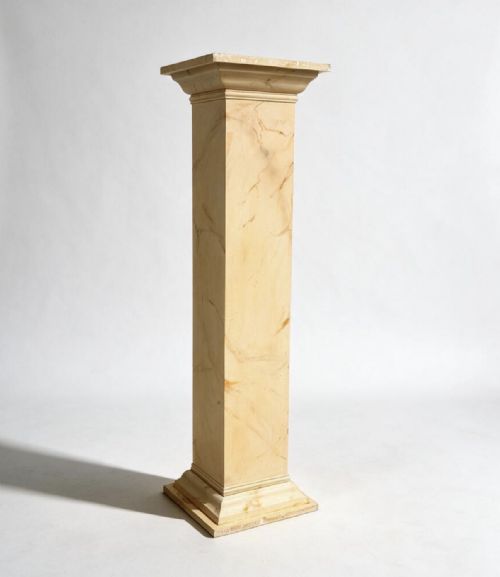
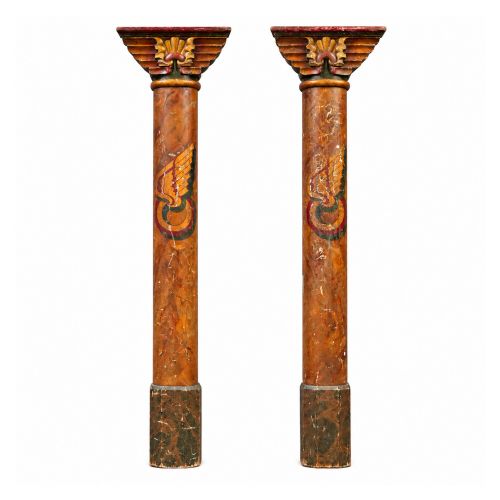
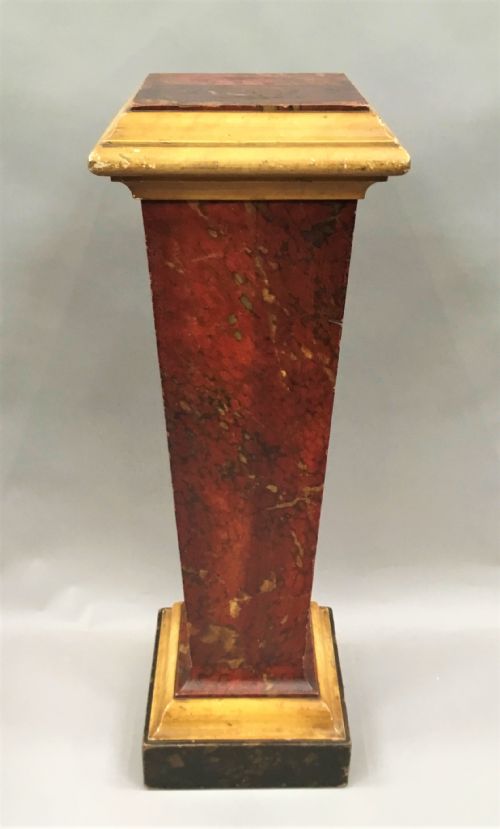
When you search for a faux marbling column, you are looking at architectural supports and display pieces finished to simulate genuine stone. These objects serve as pedestals, torchere stands, and decorative focal points within domestic interiors. You will most frequently encounter nineteenth century and early twentieth century examples, ranging from Victorian pedestals to Edwardian fairground pieces.
The forms vary from cylindrical shafts and square pedestals to theatrical columns and architectural salvage. Many pieces double as functional furniture, such as cylinder cupboard stands or display stands for sculpture and clocks. They originate from diverse settings, including grand homes, theatres, and fairgrounds.
The style spans Regency, Neoclassical, and Victorian classical revivals. Makers of these pieces sought to replicate the grandeur of marble using more accessible materials and skilled surface decoration. Each item brings a distinct classical presence to a space.
How they were made
Makers built the structural core of these pieces from timber, pine, or plaster, creating a lightweight base for decorative schemes. Paint and specialised pigments were then applied to simulate the complex veining and colouration of genuine marble like verde antico. Some examples incorporate scagliola, a composite material made from dyed selenite, glue, and pigments, which is applied and polished to mimic stone.
Details such as brass fittings, socle bases, and parcel gilding frequently complement the painted surfaces. Artisans layered oil paints and glazes by hand to achieve depth and translucency in the simulated marble finish. The application required precise brushwork to trick the eye into seeing solid rock.
Faux Marbling Column Retail Price Guide 2026
Typical asking prices for faux marbling column among the pieces listed under this phrase on Sellingantiques today, from the lower quarter to the upper quarter. They describe what is for sale here now, not the wider market.
Some nineteenth century painters enjoyed inserting tiny, hidden animal profiles within the marble veining to amuse observant visitors.
What varies in quality
The success of a faux marbling column rests entirely on the hand of the painter or the execution of the scagliola. Superior examples display convincing depth, varied veining, and a convincing play of light across the simulated stone surface, whereas lesser pieces look flat and uniform. The treatment of edges, bases, and capitals reveals the care taken during manufacture.
The structural integrity of the timber or plaster core also separates the standard items from the exceptional. Original surface retention matters significantly; pieces retaining their untouched nineteenth century or early twentieth century finishes command greater interest than later over-painted items.
The Faux Marbling Column Glossary
- Scagliola
- A composite material made from pigmented gypsum, glue, and selenite, traditionally laid and polished to imitate marble and other hard stones. It provides a remarkably convincing stone-like surface while remaining lighter than solid rock.
- Verde Antico
- A dark green serpentine breccia marble characterised by white and lighter green veins. Painters often simulated this specific stone on nineteenth century wooden display columns.
- Socle
- A short plain plinth or pedestal supporting a column, vase, or statue. It provides a stable visual and physical foundation for the shaft above.
- Torchere
- A tall stand designed to support a candelabrum or light fixture, often adapted as a display pedestal for sculpture. These slender supports frequently feature simulated marble finishes.
- Parcel Gilt
- Partially gilded with gold leaf or powder, highlighting specific architectural details or carved ornaments. This technique adds contrast to painted timber and bronze elements.
Faux Marbling Column: Frequently Asked Questions
How were these columns used originally?
These columns and pedestals served primarily as display supports for sculpture, urns, and decorative clocks in grand domestic interiors. Some functioned as architectural elements within theatrical sets or fairground attractions.
In period homes, they elevated works of art to eye level, creating a sense of classical theatre and proportion within the room.
Are faux marble columns heavy?
Most examples are significantly lighter than solid stone because their core structure consists of pine, timber, or plaster. Even large pieces can be moved relatively easily during room reconfiguration.
However, pieces incorporating scagliola carry more weight due to the density of the composite plaster material.
How do I date a painted column?
Dating relies on the structural form, timber types, and the specific style of the paint decoration. Regency and Victorian pieces often exhibit classical proportions and specific wood framing methods.
Twentieth century examples, including fairground columns, display distinct colour palettes and bolder surface treatments reflecting later decorative tastes.
Can these support heavy objects?
Their load-bearing capacity depends entirely on the condition and material of the internal core. Solid timber and robust scagliola pedestals readily support heavy bronze figures or large mantel clocks.
Plaster or hollow wooden columns require more care, making it wise to check the internal construction before placing very heavy items on top.