
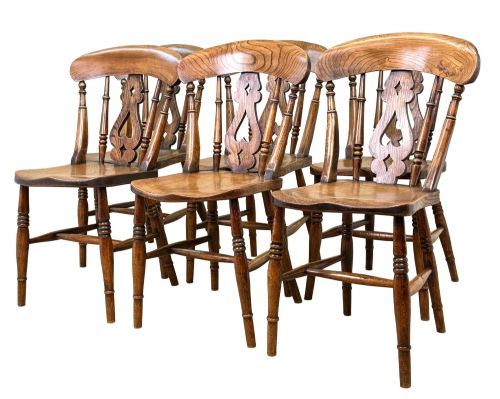
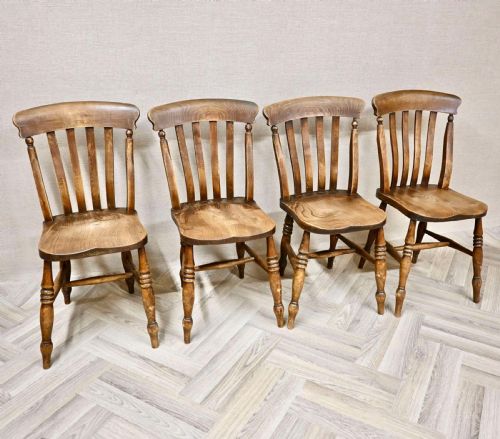

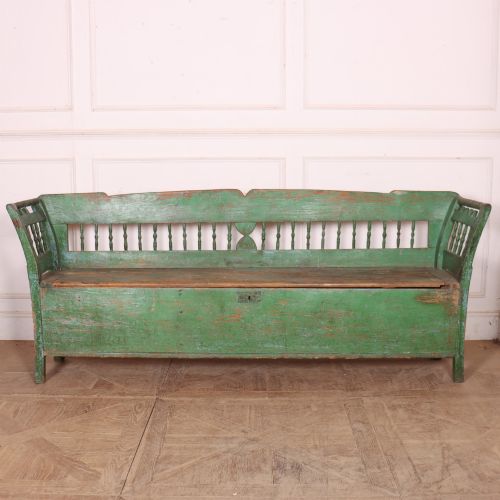
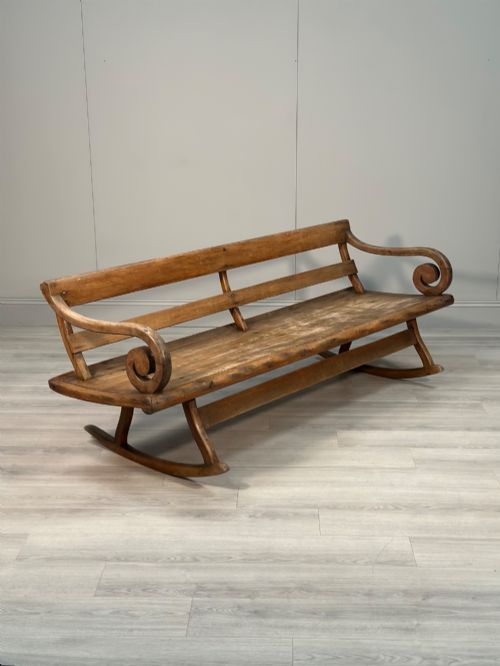
Farmhouse Wooden Seat
A farmhouse wooden seat brings practical utility and simple vernacular charm to a room, offering robust seating shaped by generations of everyday domestic use.
Farmhouse Wooden Seat
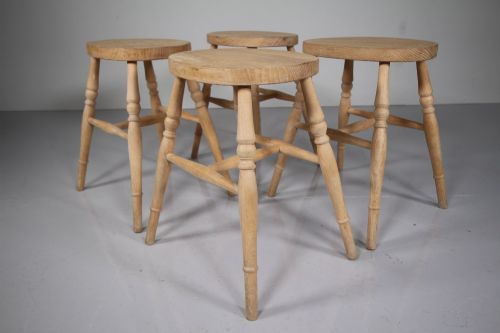
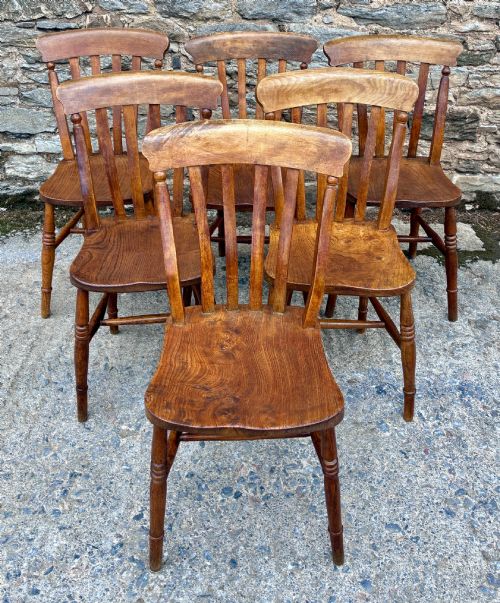
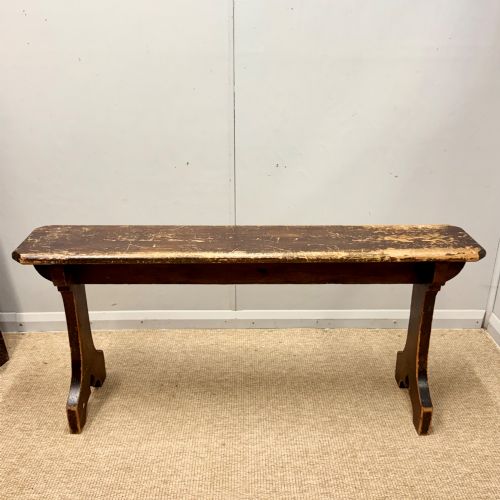
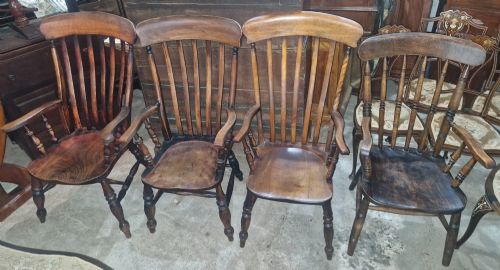
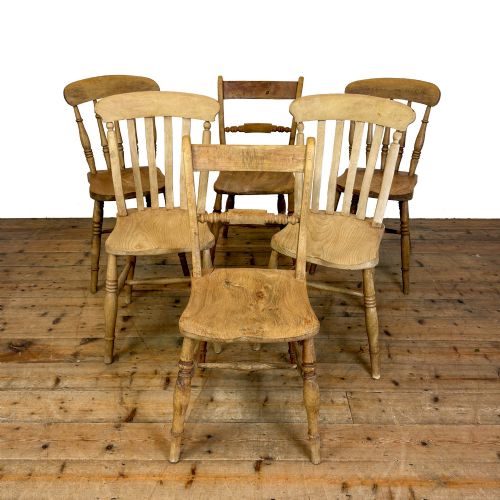
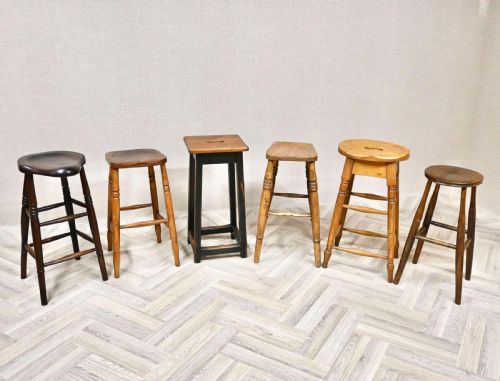
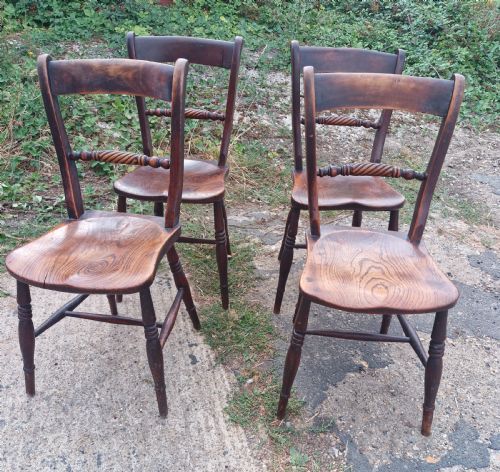
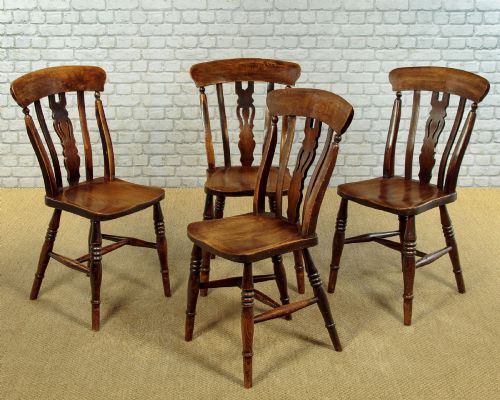
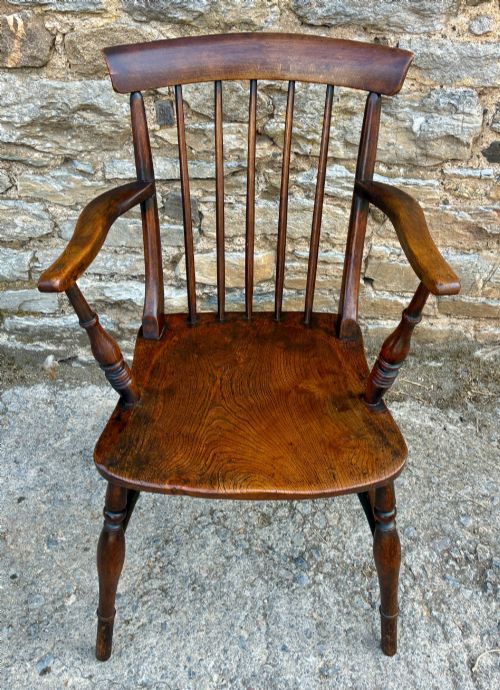
When searching for a farmhouse wooden seat, buyers encounter a wide variety of sturdy domestic furniture designed for daily use in kitchens, halls, and dining spaces. The selection ranges from single antique chairs and matched sets to long refectory benches and tall bar stools.
The version most commonly met on this page is the traditional Windsor chair or the long pine bench originating from the nineteenth century. These forms reflect utilitarian country craftsmanship, utilising regional styles from English, French, and Austrian workshops.
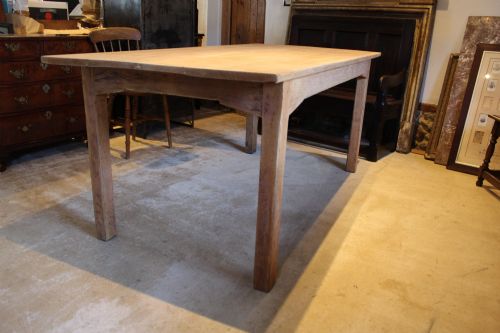
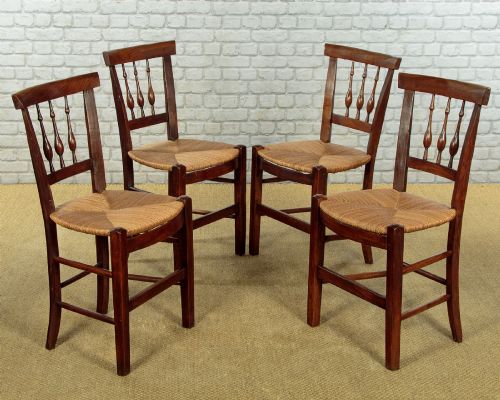
Beyond chairs and benches, the inventory includes dining tables, settles, and stools featuring rush or solid wood seats. These pieces span the Victorian and Edwardian periods into the early twentieth century, maintaining a consistent rustic character.
How they were made
Maker-craftsmen built these farmhouse wooden seat designs using strong domestic timbers suited to heavy labour. Elm, oak, beech, ash, and pine appear frequently, paired with fruitwood and cherry for specific regional forms.
Construction techniques relied on solid joinery, including spindle backs, stick backs, and double stretchers to reinforce legs against daily movement. Rush seating also appears, woven directly onto frames for flexible comfort.
Listings feature elm, pine, and oak as the primary timbers, spanning the nineteenth century and early twentieth century.
What varies in quality
The refinement of the timber selection and the integrity of the original construction dictate the grade of a farmhouse wooden seat. Better examples retain crisp turning on spindles and legs without excessive replacement parts.
Surface patina and the retention of original finish distinguish superior specimens from heavily altered pieces. Balance in proportion and the harmony of matched sets also separate standard utility items from finer vernacular work.
Worksop
The Farmhouse Wooden Seat Glossary
- Windsor
- A chair style characterised by a solid wooden seat into which the legs and back spindles are directly fitted. This design provides sturdy support through steam-bent components.
- Settle
- A high-backed wooden bench with solid arms and often a storage box beneath the seat. It shielded sitters from draughts in traditional kitchens.
- Rush seat
- A seating surface woven from dried marsh rushes twisted into cords. It offers a resilient, textured platform common in country chairs.
- Ladder back
- A chair back featuring horizontal slats arranged between two upright posts. The design provides strong lumbar support in traditional seating.
- Refectory table
- A long dining table traditionally used in communal halls. Examples in this category utilise heavy timber planks and robust stretcher bases.
Farmhouse Wooden Seat: Frequently Asked Questions
How do I clean a wooden farmhouse seat?
Maintain the timber surface by dusting regularly with a dry cloth and applying traditional beeswax sparingly to nourish the grain. Avoid modern chemical sprays that strip the historic patination.
Keep the piece away from direct heat sources and dramatic humidity changes to prevent the timber from splitting or joints from loosening over time.
Are these seats suitable for daily dining use?
Most pieces in this category were originally built for hard kitchen and dining room service, making them remarkably resilient for everyday sitting. Ensure that joints remain firm and stable before placing heavy demands on older chairs.
Adding discreet felt pads to the base of legs protects vulnerable feet and prevents rocking on hard modern flooring.
How do I date an antique farmhouse bench?
Examine the tool marks, timber shrinkage, and assembly methods visible beneath the seat and along the stretcher joints. Hand-sawn boards and pegged joinery generally indicate nineteenth-century or earlier provenance.
Harlequin sets and matched groups often reveal subtle hand-tool variations that confirm individual creation before mass production standardisation.