
Farmhouse Oak Dining Set
A farmhouse oak dining set brings substantial character to a room through solid timber construction and generations of domestic use.
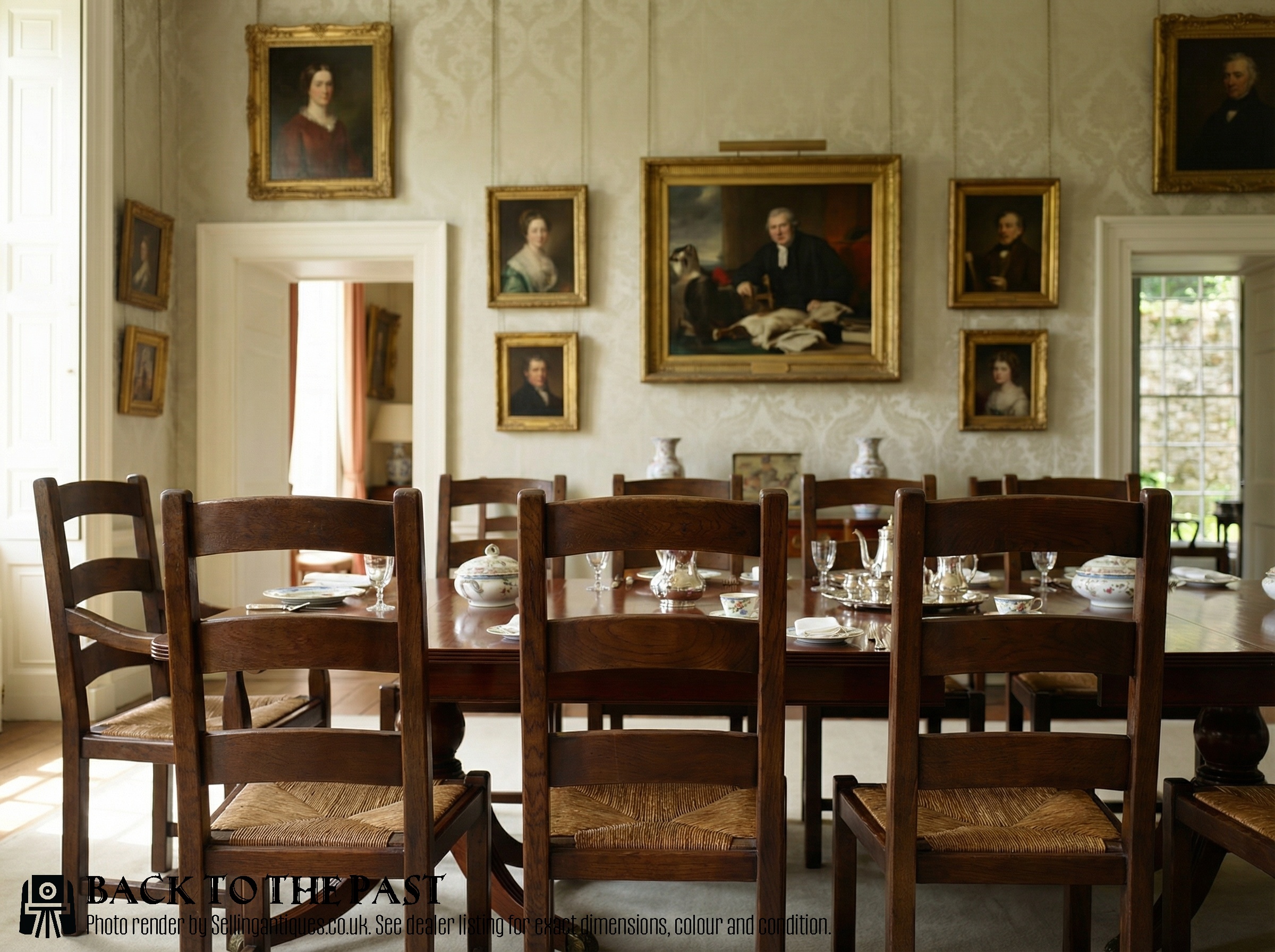
Farmhouse Oak Dining Set
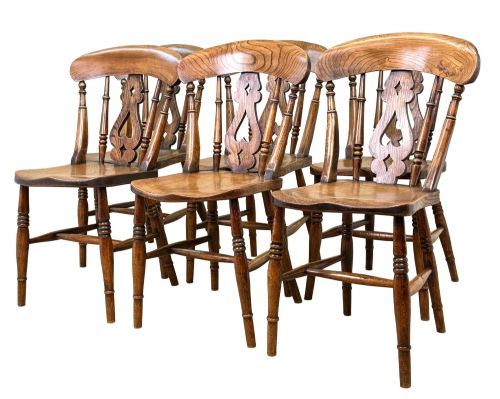
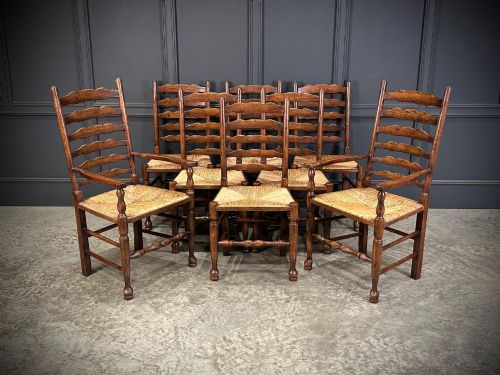
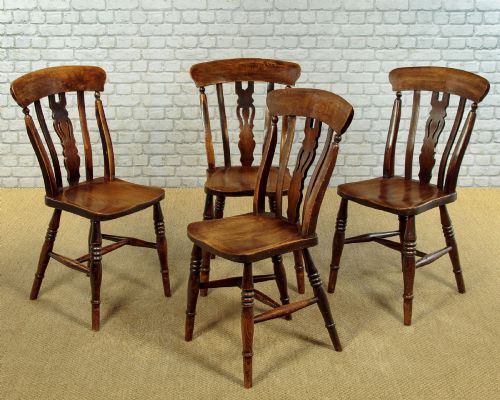
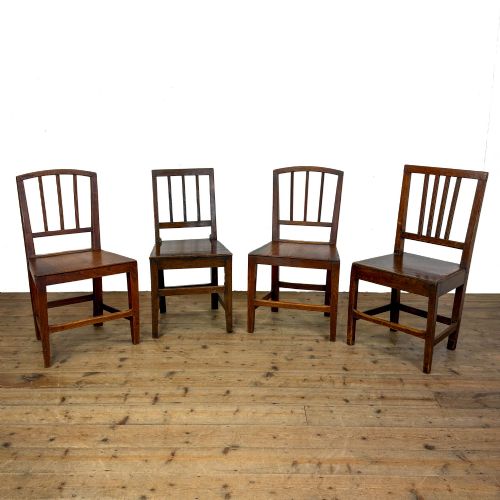
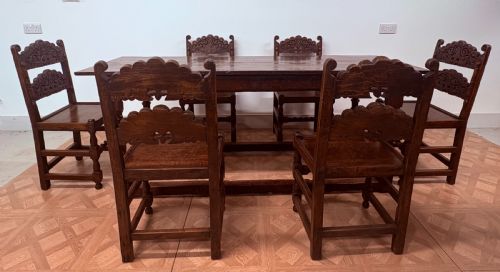
A farmhouse oak dining set typically comprises a collection of matching or harlequin chairs gathered around a robust table, designed for everyday utility in traditional rural settings. These assemblies often span periods from the eighteenth century through to the early twentieth century, reflecting enduring domestic designs.
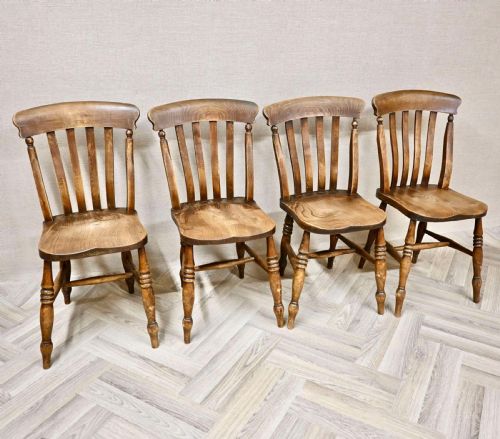
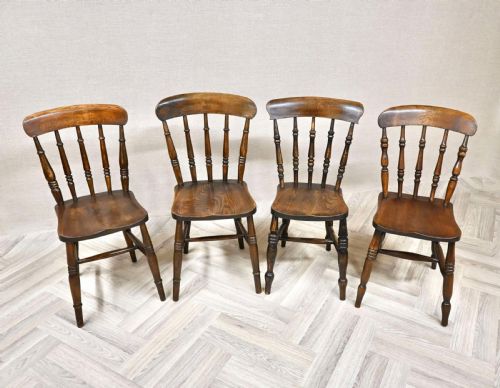
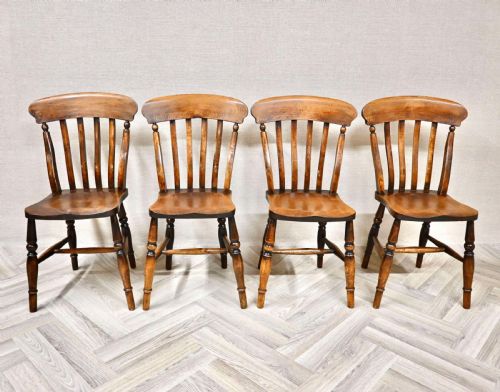
Buyers encountering this search phrase will frequently find sets of ladder-back or Windsor chairs paired with heavy timber tables. The offerings lean heavily into English and Welsh country vernacular traditions, showcasing utilitarian forms intended for hard daily service.
Materials and construction methods
These sets rely fundamentally on oak for main frames and structural members, often supplemented by elm, ash, or beech for seats and turned components. Carpenters and country joiners utilised mortise and tenon joints alongside steam-bending techniques to shape spindles and curved backs.
Seating surfaces frequently incorporate solid timber planks, rush seating, or cane weaving, while select examples introduce upholstered pads in fabric or leather. The wood is typically finished plainly to highlight natural grain patterns rather than high gloss.
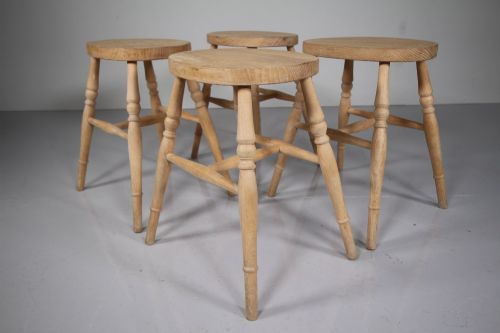
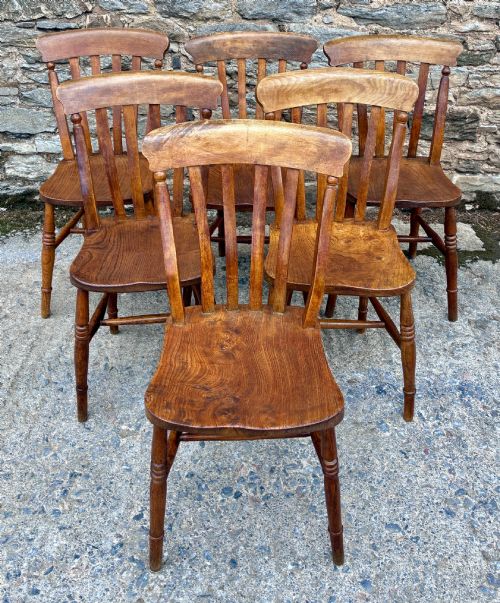
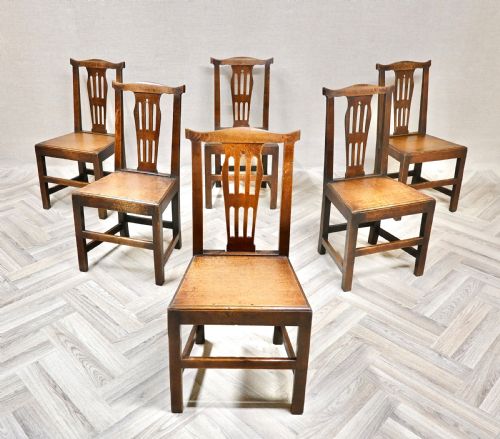
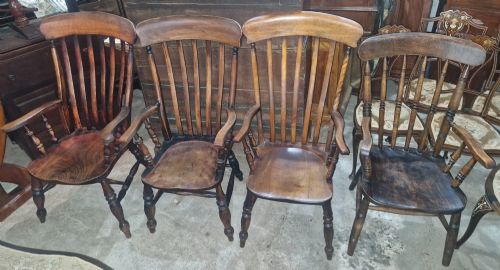
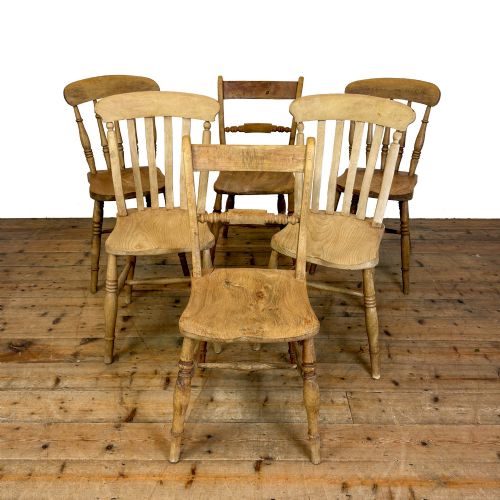
The inventory records vernacular forms including Windsor chairs, ladder-backs, and refectory tables.
Distinguishing quality across sets
Quality varies significantly depending on the uniformity of the timber selection and the tightness of joinery within a matched group. Sets that maintain original matching turnings and consistent patination across all chairs command greater appreciation than assembled harlequin groups.
The structural integrity of the individual joints and the degree of historical timber shrinkage determine longevity. Superior examples retain their original rush or cane work without extensive reweaving, and display minimal replacement of structural stretchers.
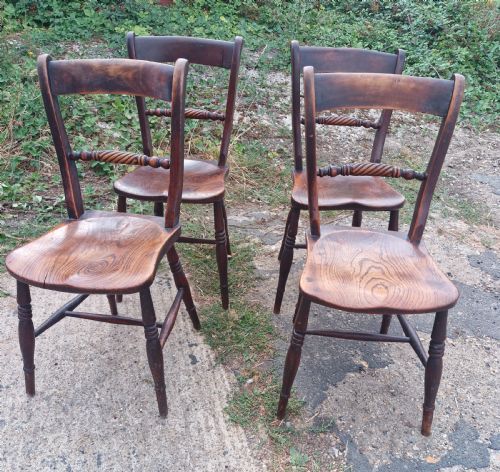
Worksop Allsop
The Farmhouse Oak Dining Set Glossary
- Harlequin set
- A collection of dining chairs that share a similar style, period, or maker but were not originally manufactured as a single unified group. They are assembled later to provide a matching seating arrangement around a table.
- Windsor chair
- A chair built with a solid wooden seat into which the legs and back spindles are separately inserted. This vernacular form provides robust support through shaped components.
- Ladder-back
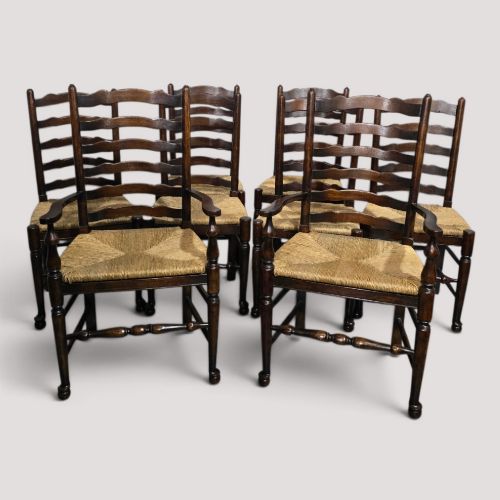
- A chair style featuring horizontal slats or bars set between the rear upright posts of the backrest. These slats are often subtly curved for comfort.
- Rush seating
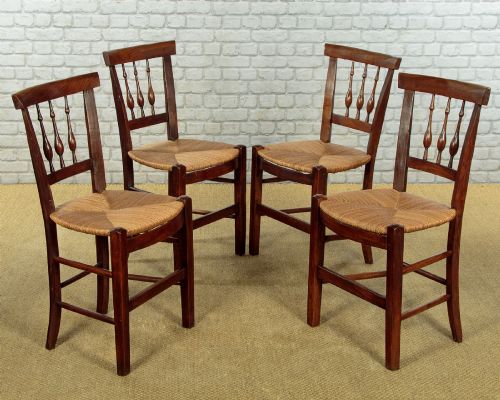
- Woven seating material made from twisted marsh rushes applied over a wooden frame. This traditional technique produces a resilient and flexible surface.
Farmhouse Oak Dining Set: Frequently Asked Questions
What is a harlequin dining set?
A harlequin set consists of chairs that share identical styles, periods, or construction methods but were gathered together by dealers over time rather than bought as one original batch. These groupings offer matching aesthetics while accommodating larger head counts.
Such collections often display minor variations in timber tone or turning details upon close inspection, which adds historical depth to the dining arrangement.
How do I care for antique oak dining furniture?
Maintaining solid oak requires consistent humidity levels in the room to prevent timber splitting or joint loosening. Regular dusting and occasional application of traditional beeswax help preserve the natural finish.
Avoid placing these tables and chairs near direct heat sources or strong sunlight, which can dry out the historic wood and fade the patina built up over centuries.
Are ladder-back chairs comfortable for daily use?
Ladder-back chairs provide firm, upright support suited for long meals and regular gatherings. Many examples feature contoured slats that fit the curve of the back.
Adding loose seat cushions can enhance comfort if the chairs have solid wood or rush bases, without altering the underlying historic structure of the seating.
How can I tell an 18th-century set from a Victorian one?
Eighteenth-century sets often display hand-carved details, pegged joinery, and distinct regional variations in timber selection like Welsh fruitwood and oak. The tool marks left by pit-sawing are frequently visible on unexposed underside surfaces.
Victorian and later iterations tend to show more standardised machine-assisted turning and standardised components due to evolving manufacturing practices during the nineteenth century.