
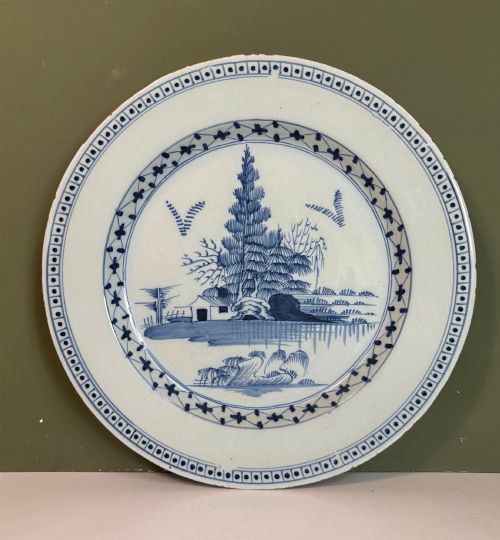
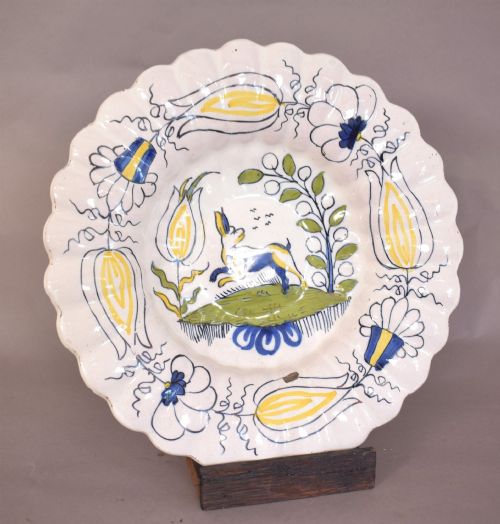
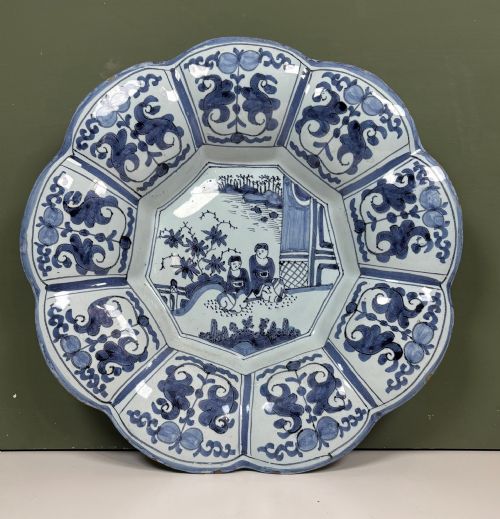
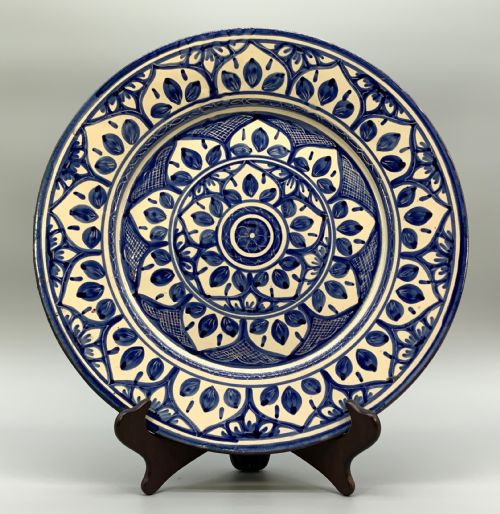
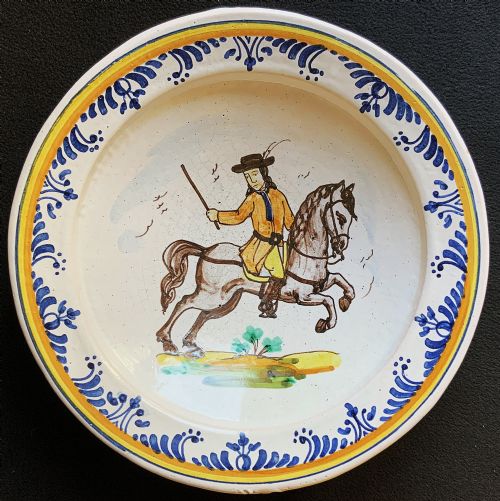


Faience Ceramic Wall Plate
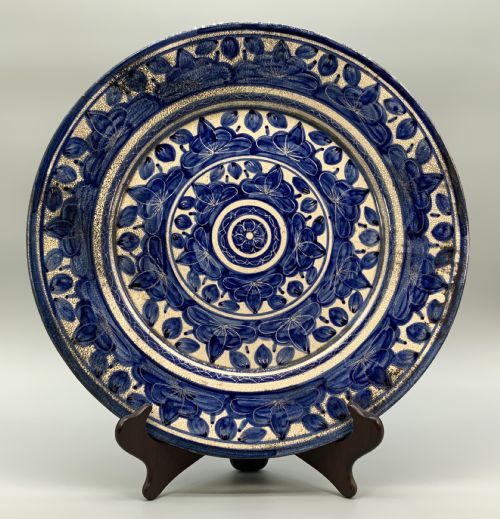
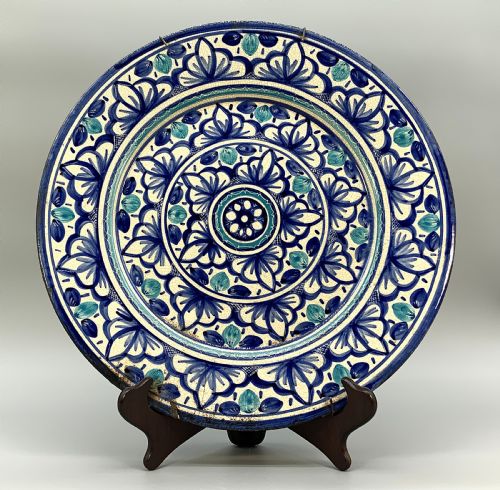
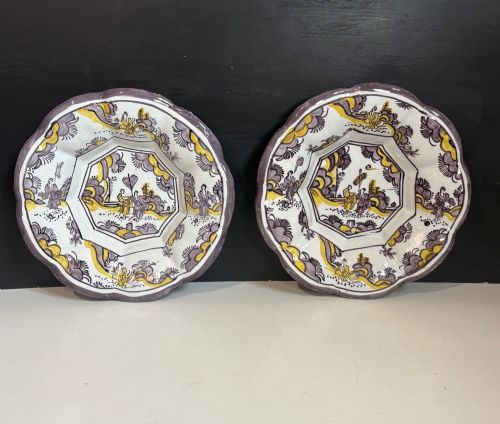
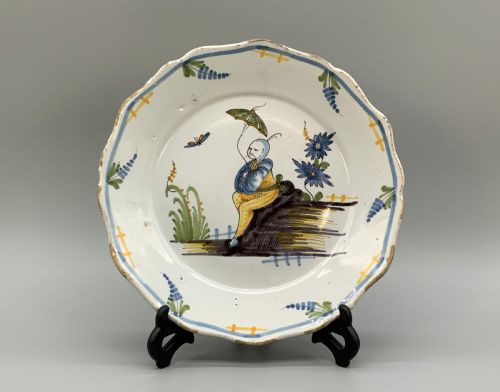
These faience ceramic wall plate examples span centuries of tin-glazed earthenware, offering bold cobalt pigments and rich polychrome decoration for display.
Faience Ceramic Wall Plate
A faience ceramic wall plate brings together centuries of tin-glazed earthenware traditions originating from workshops across Europe. When searching this phrase, collectors encounter substantial chargers and decorative dishes designed primarily for visual impact on interior walls rather than everyday dining.
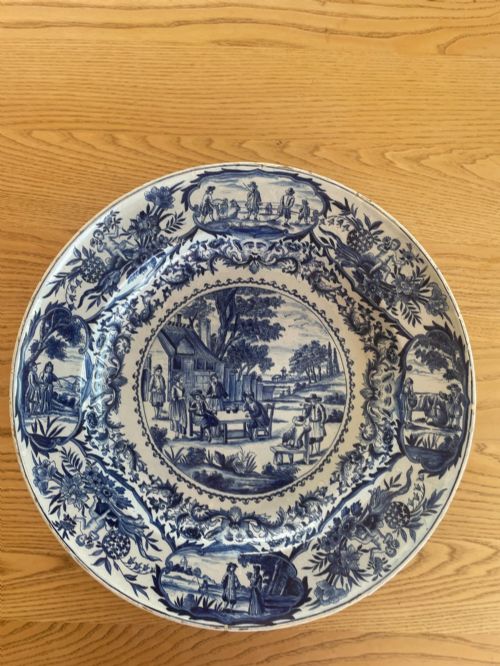
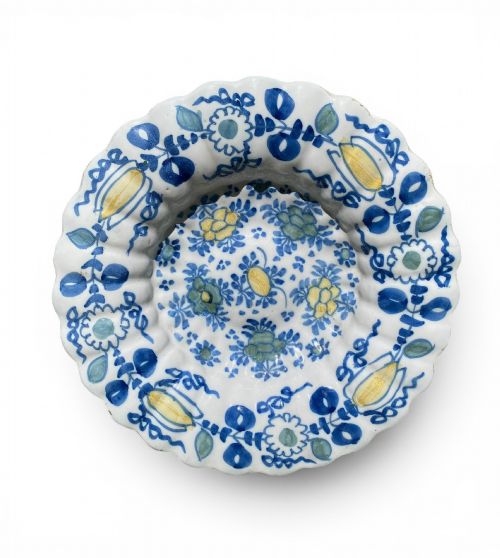
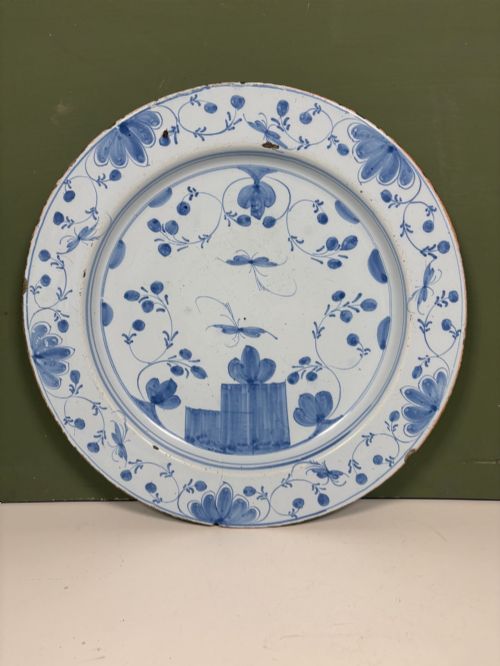
The pieces on this page lean heavily toward 17th, 18th, and 19th-century European production, with Dutch Delftware forming a major portion of the offerings alongside French, Spanish, and Italian pieces. Forms range from broad chargers and lobed dishes to deep bowls and pictorial plaques.
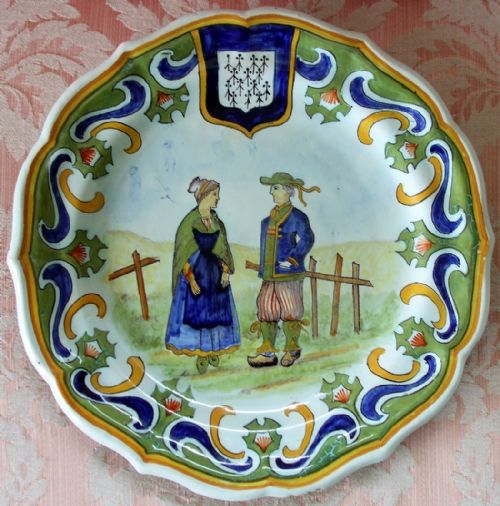
Regional variations appear distinctly across the inventory, shifting from classical blue and white Dutch motifs to vibrant Spanish polychrome and French provincial styles. Buyers select these items to anchor a room with historical pattern, colour, and hand-painted detail.
Materials and construction
Makers shaped these items from standard earthenware clay, which was then fired to form a porous biscuit body. Potters applied a thick opaque tin glaze over the surface to create a smooth, white ground suitable for painting.
Decorators applied cobalt pigment and other mineral colours directly onto the raw, absorbent glaze before the final kiln firing. This technique caused the pigments to fuse into the glaze, producing the characteristic soft, integrated colour bleed found on genuine antique pieces.
Listings feature 17th-century, 18th-century, and 19th-century pieces produced across England, France, Spain, Italy, and the Netherlands.
Assessing the pieces
Quality rests heavily on the confidence and precision of the hand-painted brushwork applied across the tin glaze. Superior examples display fluid, well-composed pictorial scenes or geometric florals, whereas lesser pieces show rushed or mechanical execution.
The depth, consistency, and chemical stability of the glaze layer also separate the standard items from the finest examples. A stable, evenly distributed glaze preserves the brilliance of the underlying cobalt and polychrome pigments over centuries of display.
Veuve Perrin Marseille·Bassano pottery works
The Faience Ceramic Wall Plate Glossary
- Faience
- Tin-glazed earthenware produced in France, Germany, and other parts of Europe. It shares technical roots with Italian maiolica and Dutch Delftware.
- Charger
- A large decorative plate traditionally intended for display on a wall or sideboard rather than practical table service. These large surfaces offered painters ample space for elaborate designs.
- Tin Glaze
- An opaque white ceramic glaze containing tin oxide. This coating provides the smooth background necessary for hand-painted underglaze decoration.
- Polychrome
- Decoration employing multiple distinct colours, commonly utilising copper green, antimony yellow, and manganese purple alongside cobalt blue.
- Kraak
- A style of Chinese export porcelain featuring panelled compartments of floral and animal motifs, which heavily influenced European delftware painters.
Faience Ceramic Wall Plate: Frequently Asked Questions
What is a faience ceramic wall plate?
It is a tin-glazed earthenware dish created primarily for visual display on walls rather than functional dining use. These items date from various historical periods and display hand-painted regional designs.
Potters shaped the clay body, coated it in an opaque white glaze, and painted traditional motifs before firing the piece. Their large formats allowed artisans to execute detailed historical or floral scenes.
How do I hang a heavy charger?
Displaying large chargers securely requires specialised hardware designed to distribute weight evenly around the rim without causing structural stress. Spring-loaded brass wire hangers or custom wooden brackets are standard choices.
Ensure the mounting anchor in the wall fastens directly into a stud or utilises appropriate wall fixings rated for ceramic weight. Checking the tension of the wire periodically keeps the dish secure.
How do I distinguish Dutch delft from French faience?
Dutch delft typically relies on a restricted palette of deep cobalt blue against a bright white tin glaze, often drawing inspiration from Chinese export porcelain. French faience from centres like Marseille or Quimper frequently employs a broader polychrome palette including manganese purple and yellow.
Examining the foot rim and the specific style of botanical or figurative painting helps reveal the regional workshop origin. Glaze thickness and body tone also offer clues to the geographic source.
Can these plates be used for food?
Antique tin-glazed earthenware is generally unsuited for modern food service due to the porous nature of the historical body and the composition of older glazes. Chemical stability varied significantly in historical kilns.
Displaying these items on walls or cabinets preserves the fragile glaze from modern detergents, cutlery marks, and acidic foods. Enjoying them as visual art protects their historical surfaces.