




Export China Bowl
An export china bowl brings the vibrant palette and meticulous hand of distant kilns directly to your table.
Export China Bowl
When you search for an export china bowl, you are looking at ceramics made in Asia specifically for Western markets, spanning periods from the seventeenth century through to the nineteenth century. These vessels range from intimate tea bowls and deep saucer-dishes to substantial punch bowls and rose medallion table centerpieces.
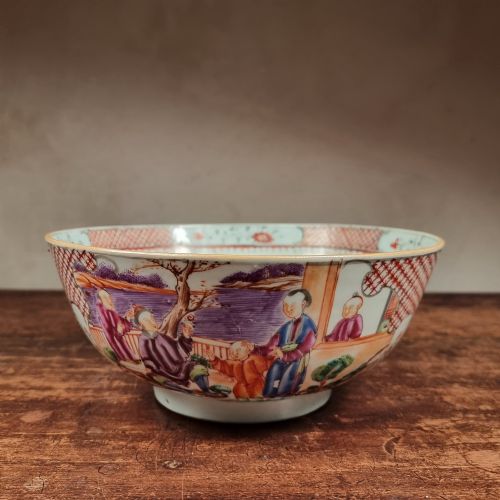
You are most likely to meet nineteenth-century examples on this page, particularly large Canton rose medallion punch bowls and Japanese Imari pieces featuring rich cobalt and iron glaze decoration. Pieces from the Qing Dynasty and earlier reigns appear frequently, alongside European interpretations from makers like Samson of Paris.
The forms encompass functional dining wares alongside purely decorative baskets, stands, and plates, reflecting the broad trade routes that brought these ceramics to British and European buyers. Each object demonstrates the cultural exchange inherent in historic trade porcelain.
Materials and technique
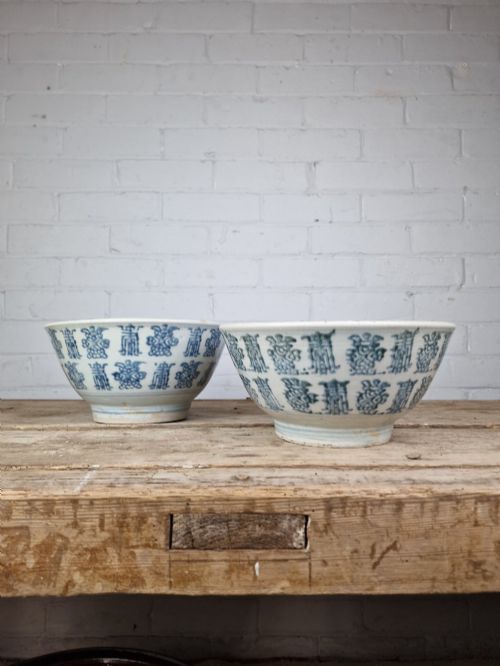
The foundation of these vessels is fine porcelain, shaped and fired in historic kilns before receiving intricate painted decoration. Artisans applied cobalt underglaze pigments as well as overglaze enamels, incorporating gold leaf and gilt highlights to enrich the finished surface.
Specialised techniques such as Batavia chocolate-glazing created distinctive exterior finishes with reserved panels, while other pieces utilised intricate pierced work for baskets and stands. London decorators like James Giles also embellished imported white porcelain blanks with colourful enamel scenes in British workshops.
Export China Bowl Retail Price Guide 2026
Typical asking prices for export china bowl among the pieces listed under this phrase on Sellingantiques today, from the lower quarter to the upper quarter. They describe what is for sale here now, not the wider market.
Materials recorded across the inventory include gold leaf, cobalt glaze, iron glaze, and vibrant overglaze enamels applied to hard-paste porcelain.
Distinctions in quality
Quality in these ceramics rests primarily in the precision of the hand-painted detail and the depth of the palette, whether in the controlled blue and white pigments of early periods or the dense pigments of Cantonese famille rose. Superior pieces display crisp definition in complex motifs, such as acrobatics, figures, and auspicious scenes.
The purity of the porcelain body and the successful application of overglaze enamels and gilt also distinguish finer examples from standard production wares. The historical significance of specific periods, such as Qianlong or Jiaqing pieces, further elevates certain items above later decorative reproductions.
The Export China Bowl Glossary
- Overglaze enamel
- Pigments applied to the surface of already-fired and glazed porcelain before undergoing a secondary, lower-temperature firing. This technique allowed artisans to use a wider range of bright colours.
- Cobalt blue
- A metallic oxide pigment used under the glaze to create deep blue designs that withstand high kiln temperatures. It remains stable during firing, producing sharp contrasts on white porcelain.
- Imari
- A style of Japanese export porcelain characterised by a palette of cobalt blue, iron red, and gilt highlights. Pieces often feature intricate panels of floral and bird motifs.
- Famille rose
- A ceramic palette dominated by opaque pink or rose enamel, introduced during the Qing Dynasty. This style allowed for subtle tonal gradations in painted floral and figural scenes.
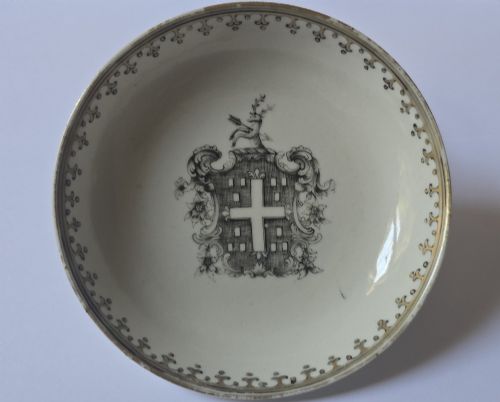
- Armorial
- Ceramic decoration featuring a specific family crest, coat of arms, or heraldic device. These bespoke pieces were often commissioned by European families through East India companies.
Export China Bowl: Frequently Asked Questions
What is an export china bowl?
An export china bowl is a ceramic vessel produced in Asia, predominantly China and Japan, for trade and export to Western markets. These range from small tea bowls to large punch bowls.
They reflect the aesthetic tastes and trade connections of periods spanning the seventeenth to the nineteenth centuries.
How were punch bowls used historically?
Large punch bowls held communal mixed drinks at social gatherings and banquets during the eighteenth and nineteenth centuries. Guests ladled punch directly from the central vessel.
Their substantial size and decorative surfaces made them centrepieces of dining and hospitality.
How do I care for antique porcelain?
Wash antique porcelain gently by hand using mild detergent and warm water, avoiding dishwashers and harsh abrasive sponges. Protect delicate gilt and overglaze enamel surfaces from friction.
Display vessels securely away from edges where accidental knocks might occur.
How can I tell periods apart?
Periods are identified through stylistic markers, glaze characteristics, and specific reign marks or historical design conventions. Early pieces often feature underglaze cobalt, while later nineteenth-century items frequently employ dense famille rose enamels.
Comparing potting weight and footring finishes also helps determine the era of manufacture.