





European Carved Wooden Statue
A European carved wooden statue brings centuries of continent-wide sculptural craft directly into domestic spaces through figures of saints, noblemen and folk characters.
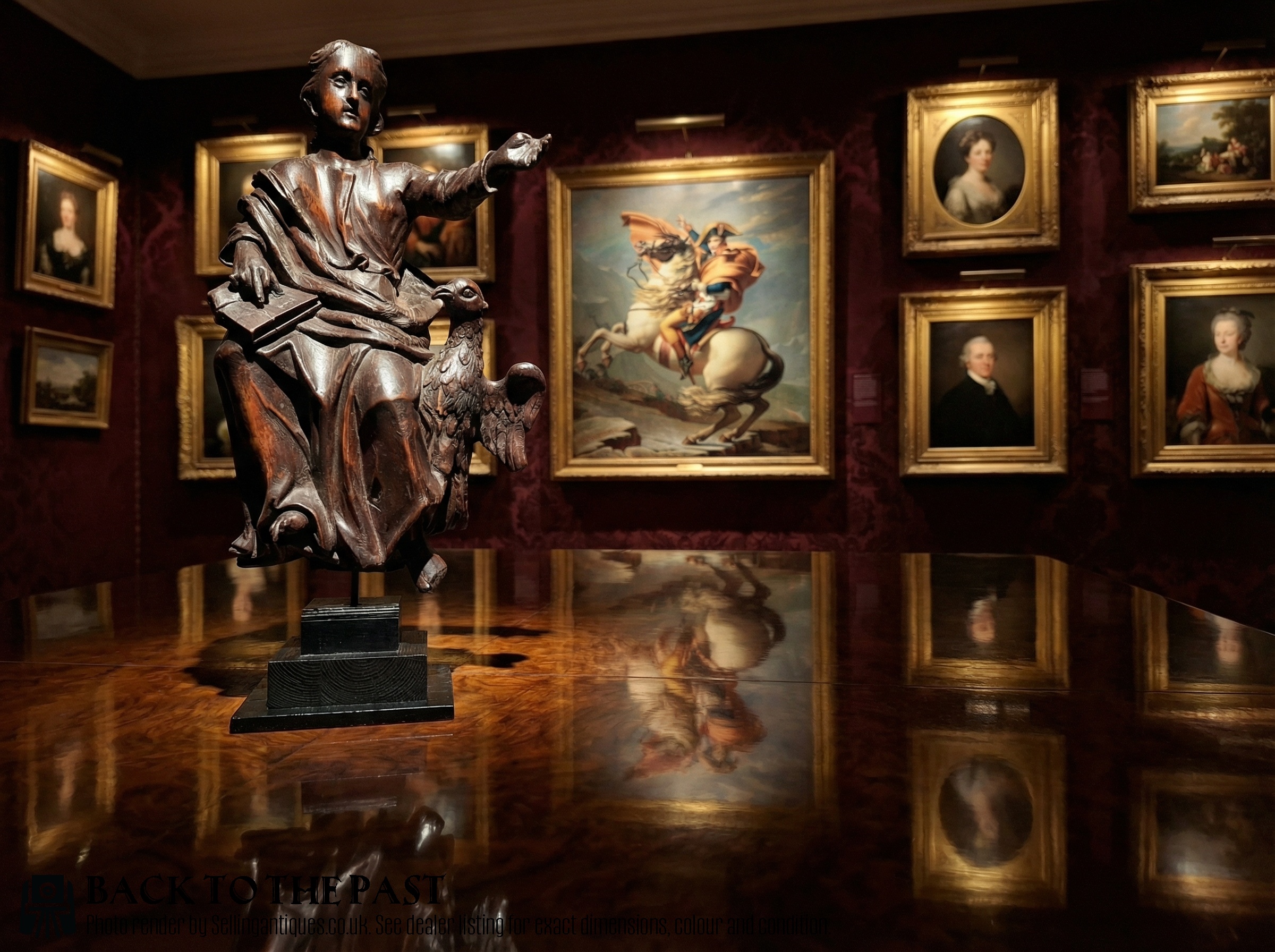
European Carved Wooden Statue
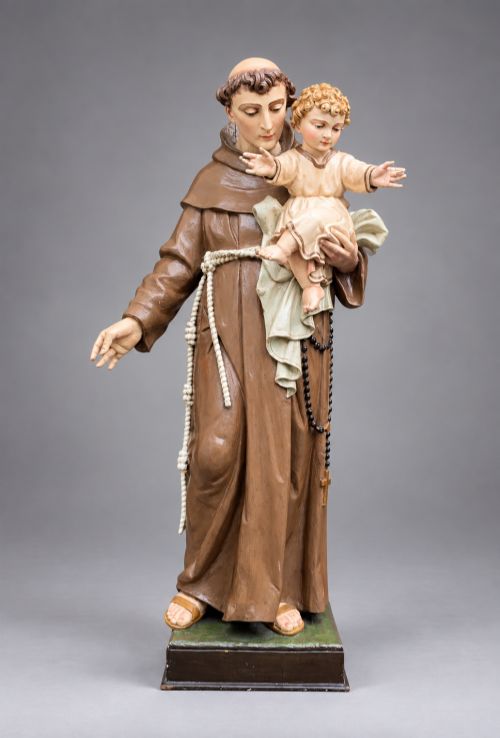
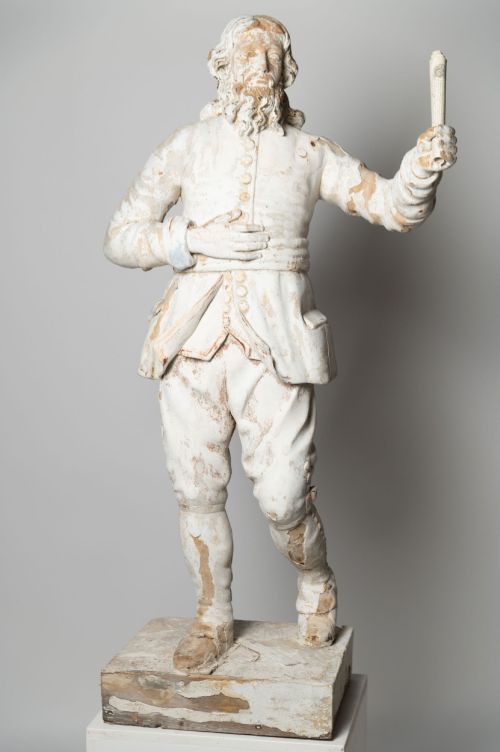
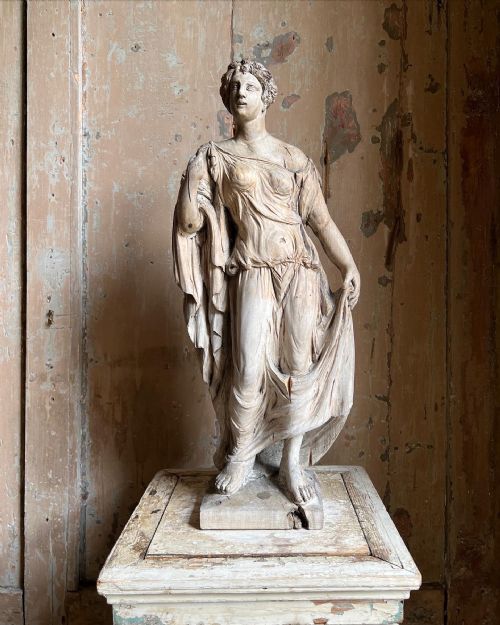
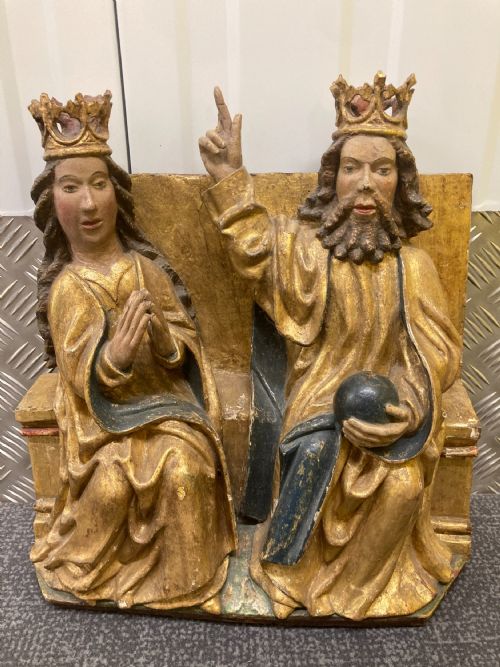
When you search for a European carved wooden statue, you encounter figures spanning the Late Gothic period through to the mid-twentieth century. The selection ranges from solemn ecclesiastical saints and donors to charming folk art figures and classical subjects.
Most pieces you meet here fall into religious or folk categories, often carved from oak, limewood or softwoods. Figures such as Saint Jerome, Saint John, and various noblemen or cherubs dominate the selection across centuries.
Regional variations are distinct, moving from Upper Rhine workshops to Croatian oak carvings and Ukrainian character pieces. Each piece carries the physical marks of its period, whether seventeenth-century devotional intensity or later folk art simplicity.
How They Were Made
Makers shaped these statues using traditional hand gouges and chisels on dense timbers like oak and limewood. The wood was seasoned carefully to prevent splitting before the carver worked the grain.
Many surfaces received layers of gesso, paint, or polychrome finishes to enhance the realism of robes and flesh. Gilding was applied over bole in ecclesiastical commissions, adding a devotional sheen to sacred subjects.
European Carved Wooden Statue Retail Price Guide 2026
Typical asking prices for european carved wooden statue among the pieces listed under this phrase on Sellingantiques today, from the lower quarter to the upper quarter. They describe what is for sale here now, not the wider market.
The listings span multiple centuries, incorporating materials such as oak, limewood, gesso, and polychrome paint across diverse European styles.
What Varies in Quality
The finesse of the hand carving separates a lively, expressive sculptural form from a stiff or mechanical rendering. Master carvers captured drapery movement and facial expression with deep, confident undercutting.
The survival of original polychrome paint and gesso surfaces dictates the integrity of many older statues. Cleanly preserved tool marks show the direct hand of the artisan without later sanding or unsympathetic overpainting.
The European Carved Wooden Statue Glossary
- Gesso
- A plaster mixture applied to wood surfaces as a base for paint or gilding. It provides a smooth ground for decorative surface treatments.
- Giltwood
- Wood that has been coated with thin gold leaf or powder. It appears predominantly on ecclesiastical pieces to denote sacred status.
- Late Gothic
- A stylistic period bridging medieval and Renaissance aesthetics. Figures from this era display elongated proportions and expressive drapery.
- Folk Art
- Utilitarian or decorative objects made by self-taught or provincial makers. These pieces prioritise character and local tradition over academic convention.
European Carved Wooden Statue: Frequently Asked Questions
How do I clean a wooden statue?
Dust the surface gently with a soft, dry brush to prevent dirt accumulation in the carved crevices. Avoid using water, oils, or modern chemical polishes which can damage fragile gesso and historic paint layers.
Keep the statue away from direct sunlight and strong radiators to prevent the wood from drying out and splitting over time.
Were these statues originally painted?
Many European wooden statues were finished with gesso and polychrome paint when they were first made. Religious figures in particular were painted to enhance their visual impact in churches and domestic shrines.
Over the centuries, many pieces lost their original paint through wear or stripping, leaving bare wood that highlights the skill of the carver.
How can I tell the age of a carved figure?
Examine the tool marks left by the carver, as hand chisels and gouges differ significantly from later machine tools. The type of wood, style of drapery, and natural ageing of the timber offer strong clues to the period.
Compare the subject matter and regional characteristics with dated examples from similar workshops to narrow down the likely century of origin.
Where were these figures displayed originally?
Religious statues stood in churches, private chapels, and wayside shrines as focal points for devotion and prayer. Secular figures and folk carvings adorned domestic interiors, guild halls, and public spaces.
Today, these pieces transition easily into modern homes, sitting on mantelpieces, brackets, or dedicated display tables.