




Etched Glass Shade
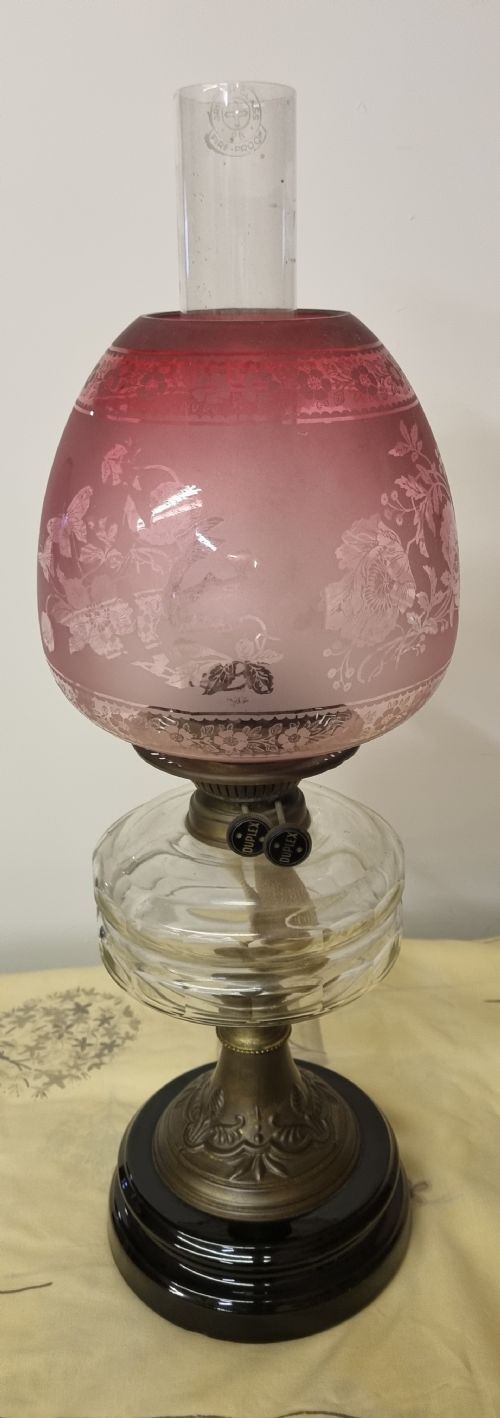
An etched glass shade brings texture and diffused light to a room, and collectors seek them for their decorative patterns and period craftsmanship.
What an etched glass shade is
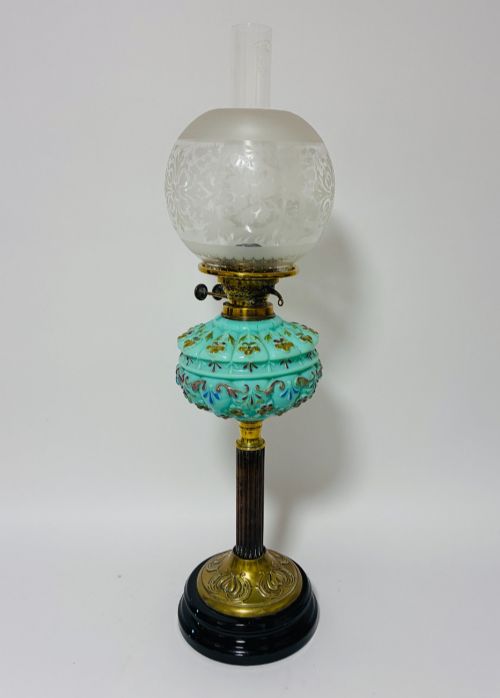
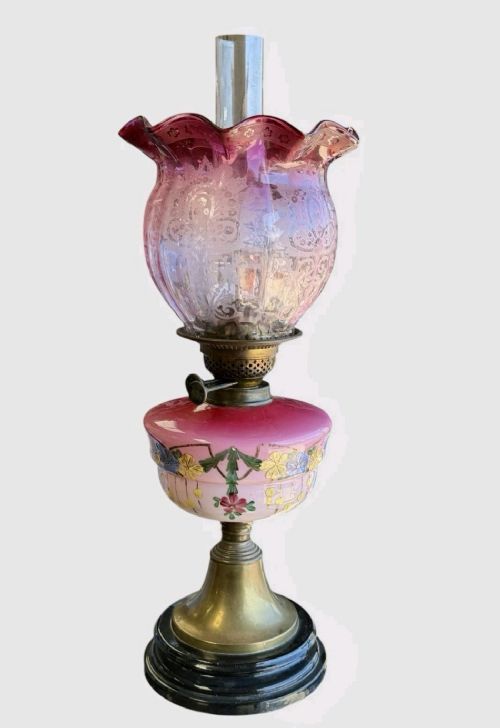
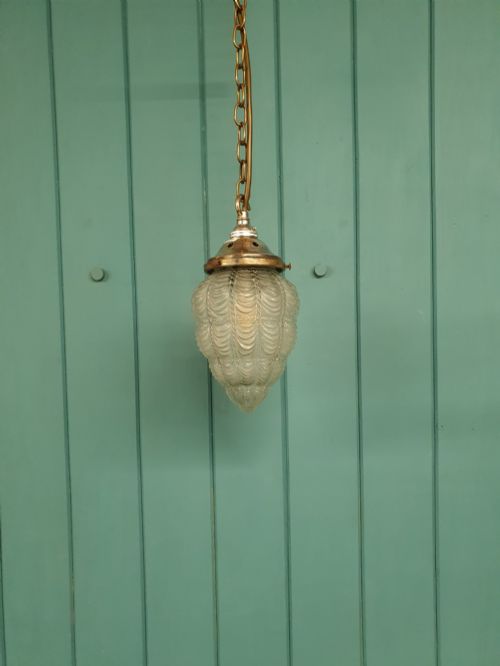
When you search for an etched glass shade, you find lighting components designed for oil lamps, gas lamps, table lamps, and ceiling fixtures. These pieces originate predominantly from the Victorian and Edwardian eras, with occasional appearances from around nineteen twenty.
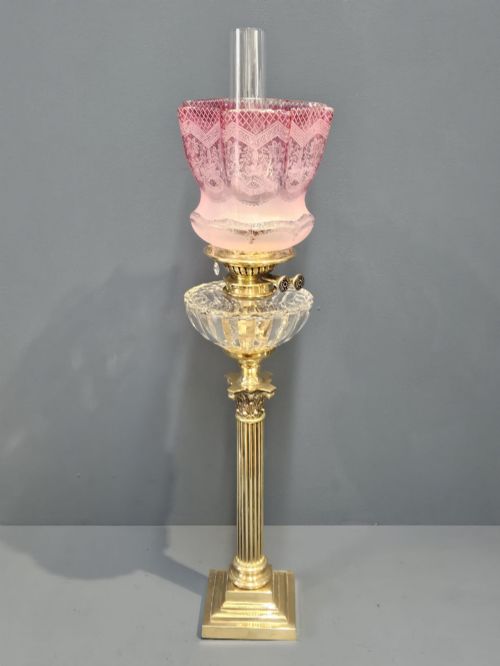
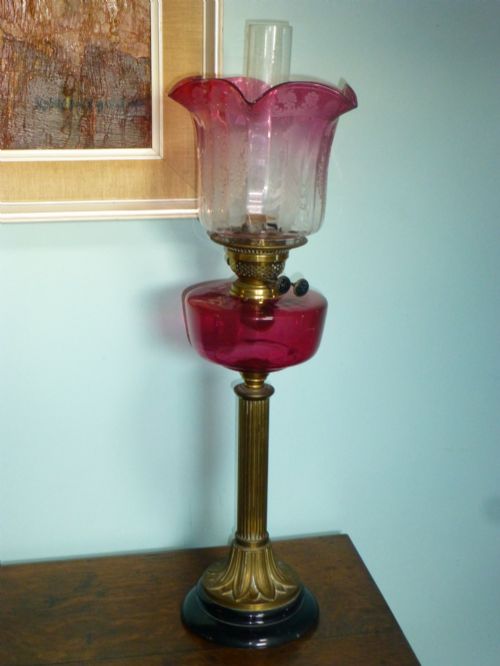
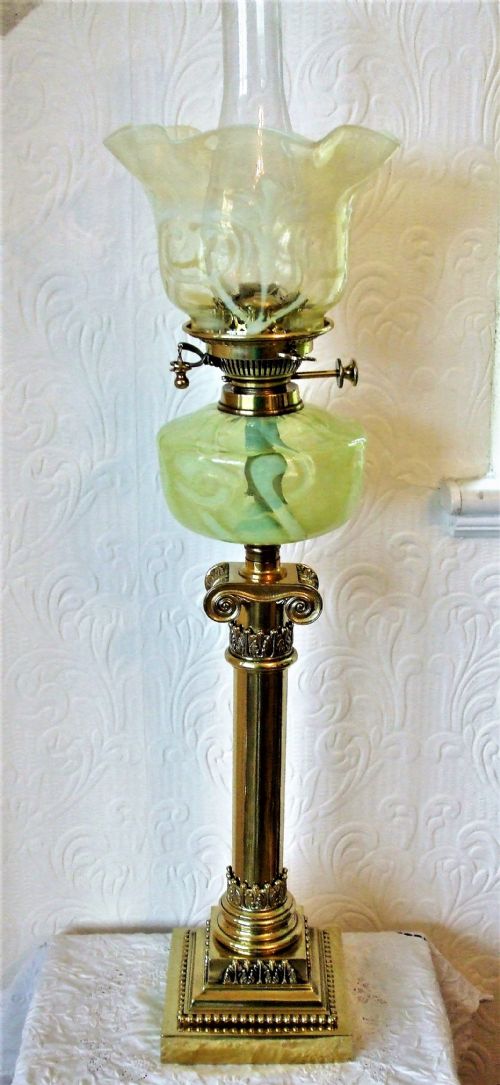
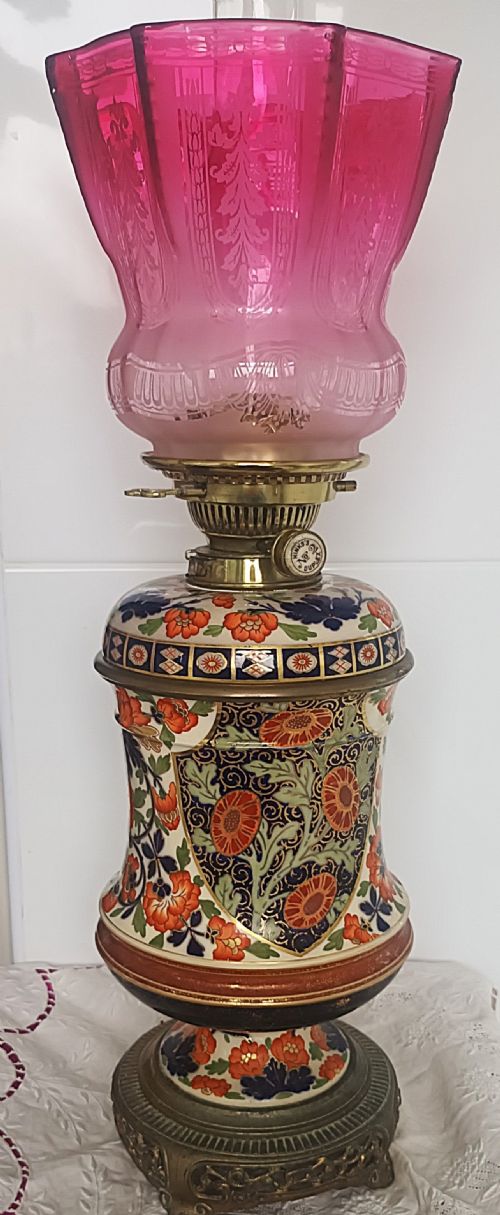
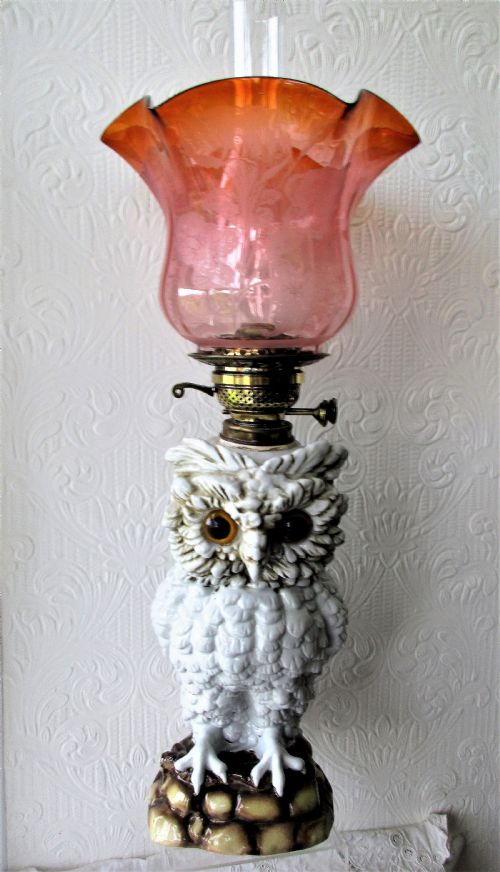
The selections on this page commonly appear paired with brass, copper, or silver plated fittings, often integrated into oil lamps with columns, fonts, or pendant structures. Colours vary widely across the inventory, ranging from clear, frosted, cranberry, amber, ruby, pink, and blue glass.
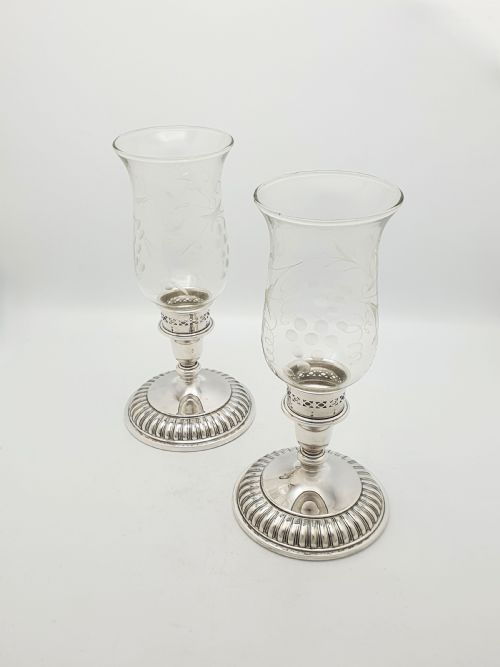
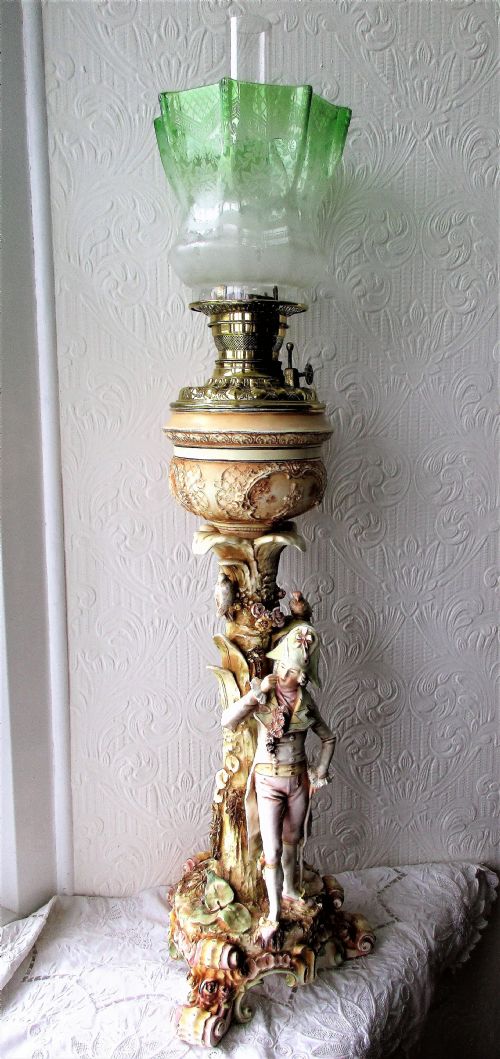
Forms span across table lamps, pendant ceiling lights, hall shades, and hurricane lamps. Buyers frequently encounter pieces associated with brass columns and porcelain elements alongside the primary glass shades.
How they were made
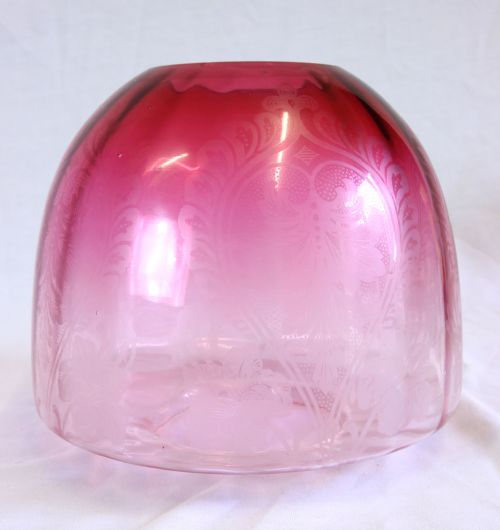
These items combine blown or moulded glass with surface modification techniques. Craftsmen applied acid etching or abrasive methods to create decorative motifs against clear, tinted, frosted, or cut glass bodies.
Mountings and hardware utilise brass, copper, and silver plating, sometimes enhanced with enamel work or glass beads. Many original shades accompany metal oil lamp fonts and heavy Corinthian columns.
Retail Price Guide 2026
Typical UK retail prices for etched glass shade, calculated from the Sellingantiques database of over a million retail prices indexed since 2003. This retail price guide relies exclusively on Sellingantiques data; no external sources or auction records are used, so the figures do not describe the wider market.
The listings span Victorian and Edwardian periods, utilising materials including brass, copper, cut glass, cranberry glass, and enamel.
What varies in quality
Distinctions in quality rest upon the crispness of the surface decoration and the depth of the glass tint. Richly coloured cranberry, ruby, or amber glass displays a saturation that elevates simpler forms.
The sophistication of the supporting metalwork also defines the piece, particularly where heavy brass columns, detailed mouldings, or maker attribution accompany the shade. Superior examples maintain a harmonious balance between the weight of the metal base and the delicate proportions of the glass.
Hinks of Birmingham
The Etched Glass Shade Glossary
- Etched glass shade
- A glass lighting component decorated with surface carving or acid work to produce opaque patterns on clear or coloured backgrounds. This type softens the glare from oil or gas burners.
- Cranberry glass
- A transparent pinkish red glass coloured with gold chloride during production. It appears frequently on Victorian lamp components.
- Corinthian column
- A classical architectural column style featuring ornate acanthus leaf capitals, often utilised as the stem for nineteenth century oil lamps. This motif signifies formal Victorian interior metalwork.
Frequently Asked Questions
What fits an etched glass shade?
These shades fit period oil lamps, gasoliers, and pendant ceiling fixtures that require a specific fitter rim width to support the glass securely.
Matching the shade securely to the original brass gallery ensures proper balance and historic accuracy.
How do I clean an etched glass shade?
Warm water and mild soap remove dust and surface grime safely without harming the delicate acid etched patterns or tinted surfaces.
Harsh abrasives and strong chemical cleaners should be avoided to protect the frosted or carved decorative details.
Were these shades used for oil or gas?
Period lighting utilised both oil and gas systems, with shades serving to diffuse the bright light produced by the burners.
Many surviving pieces transitioned through later conversions for electricity while retaining their original glass components.
How do I date an etched glass shade?
Stylistic indicators such as colour variations, mounting hardware, and manufacturing techniques help distinguish Victorian examples from Edwardian or later pieces.
Examine the weight of the glass and the precision of the surface decoration alongside any accompanying brass components.