


Hinks Oil Lamp
A hinks oil lamp brings genuine Victorian warmth to a room, offering the reliable engineering of Birmingham's finest makers.
Hinks Oil Lamp
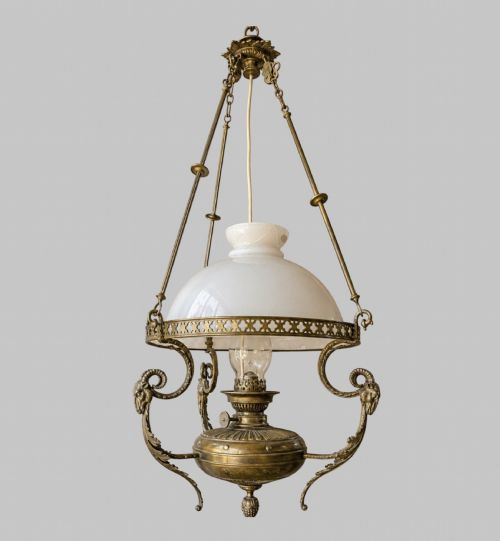
When you search for a hinks oil lamp, you are looking at nineteenth-century lighting equipment featuring the patented duplex burner systems developed by Joseph Hinks and Sons. These pieces range from modest wall brackets and table models to tall floor-standing standards and hanging ceiling fixtures.
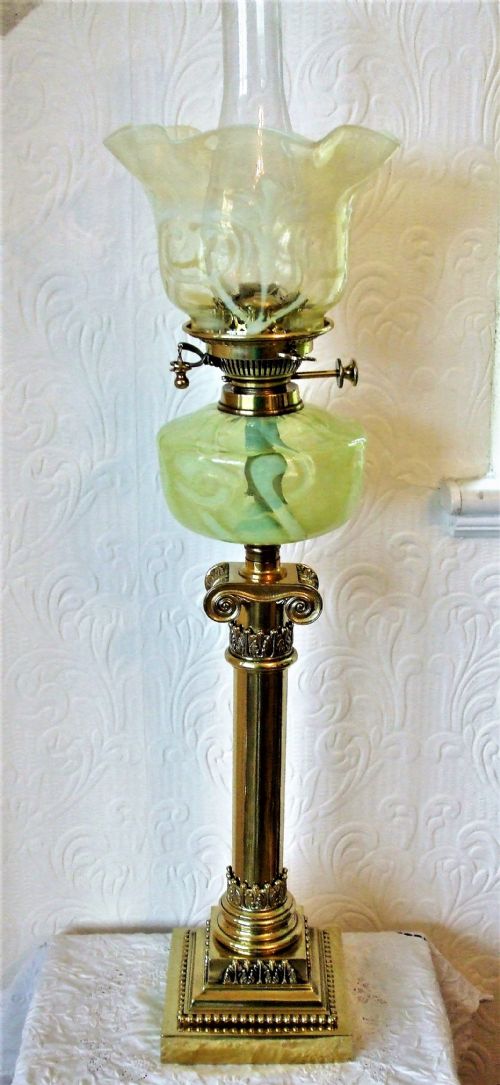
The versions you are most likely to meet on this page date from the Victorian period and around nineteen hundred. They combine functional domestic illumination with decorative ambition, often employing classical column forms or ceramic reservoirs.
How they were made
Makers utilised cast and spun brass as the primary structural material for columns, bases, and burner mechanisms. Bronze, silver plate, and plated metals also appear frequently in the construction of standards and brackets.
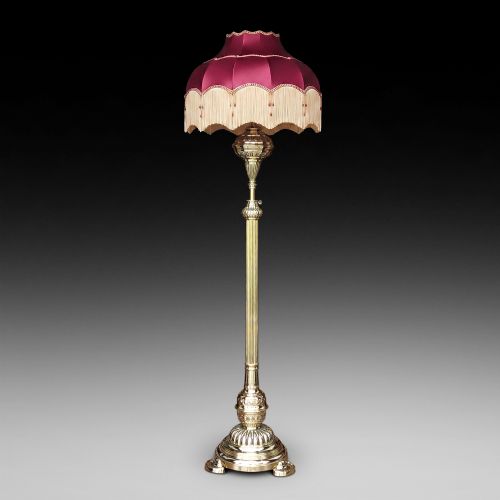
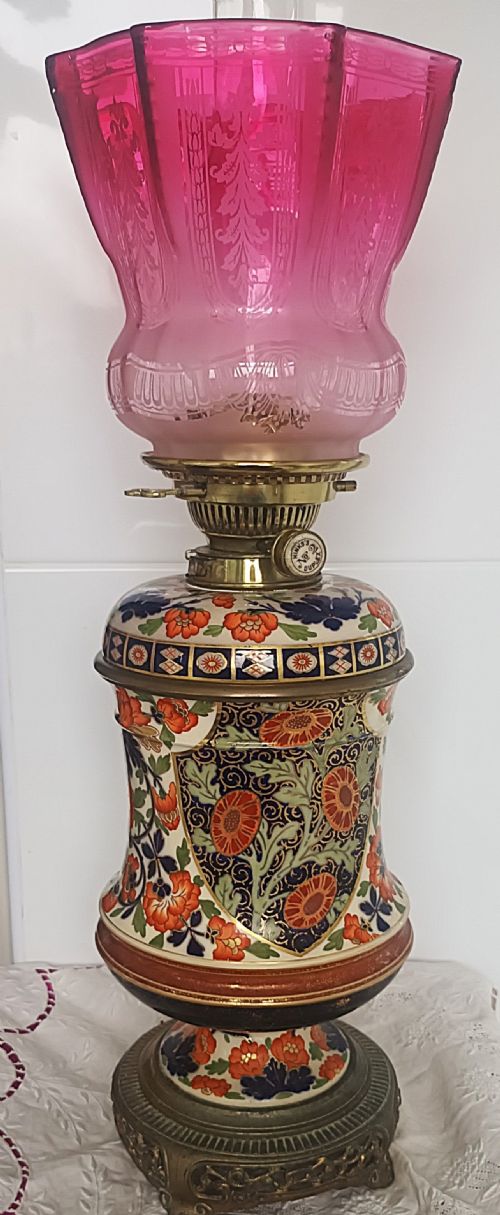
Reservoirs and shades incorporate decorative glass, including opaline and cranberry varieties, alongside ceramic components such as Doulton Lambeth bodies and Taylor Tunnicliff inserts. Fabric shades complete many of the surviving table and floor lamp assemblies.
Hinks Oil Lamp Retail Price Guide 2026
Typical asking prices for hinks oil lamp among the pieces listed under this phrase on Sellingantiques today, from the lower quarter to the upper quarter. They describe what is for sale here now, not the wider market.
Listings feature nineteenth-century brass, glass, opaline, ceramic, and bronze materials configured into table lamps, floor standards, and wall brackets.
What varies in quality
Quality separates simple utility wares from monumental display pieces through the crispness of cast brass capitals, such as Corinthian and Ionic column details, and the presence of named maker stamps on the burner mechanisms. Heavier gauge metals and complex double-burner configurations indicate higher manufacturing status.
The integration of artistic materials, like finely blown cranberry glass reservoirs or specialised ceramic bodies from notable potteries, elevates a piece above standard domestic lighting. The survival of matching original shades and wall brackets also distinguishes better-preserved examples.
Joseph Hinks And Sons·Doulton Lambeth·Taylor Tunnicliff
The Hinks Oil Lamp Glossary
- Duplex burner
- A double-wick mechanism that produces a brighter flame than single-wick designs. Hinks held major patents for these robust fittings.
- Corinthian column
- A classical architectural column style featuring ornate acanthus-leaf capitals used to support the fuel reservoir on grander lamps.
- Opaline glass
- A semi-translucent white or tinted glass popular for nineteenth-century lamp bodies and shades, diffusing light softly.
- Standard lamp
- A tall floor-standing lighting piece designed to illuminate a wider area of a Victorian interior.
Hinks Oil Lamp: Frequently Asked Questions
How do I identify a Hinks burner?
Look for the manufacturer name stamped clearly on the brass thumbwheels or wick-adjusting knobs of the mechanism. Many genuine examples also bear patent numbers associated with the Birmingham firm.
These markings confirm the origin of the mechanical parts, even when paired with glass or ceramic bodies from other manufacturing sources.
Were these lamps converted to electricity?
Many surviving examples have been converted from paraffin to electricity to suit modern homes. This process often involves running a cord down through the central column.
Collectors weigh the convenience of a converted lamp against the historical integrity of an untouched oil-burning mechanism.
What styles of columns are common?
Classical architectural orders dominate the taller brass models, with Corinthian and Ionic column designs appearing frequently. These styles reflect nineteenth-century classical revival tastes in interior decoration.
Fluted shafts and stepped square bases provide the necessary weight to balance the fuel reservoir and shade above.
How were wall lamps mounted?
Wall lamps utilised dedicated metal brackets that fixed securely to room surfaces, holding the lamp body away from the wall. This allowed light to project into corridors or functional spaces where floor-standing models took up too much room.
The bracket assemblies often featured hinged or swinging arms for adjusting the angle of illumination.